
 Walid Sujud Trenggono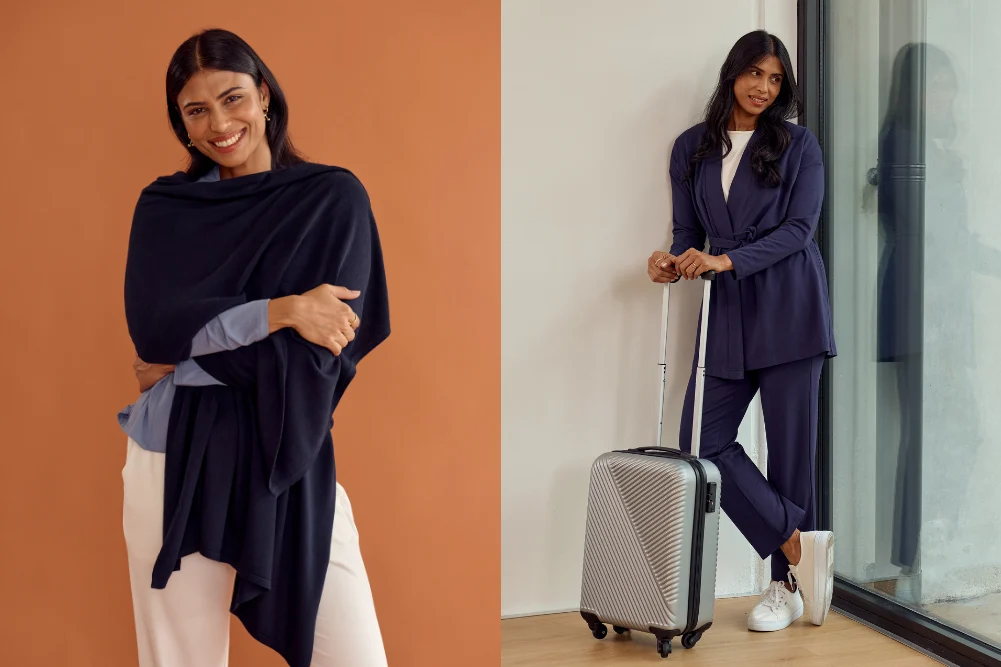
Stepping off a fourteen-hour intercontinental flight feeling refreshed, poised, and physically comfortable has long been considered an elusive travel luxury. For decades, frequent flyers accepted stiffness, chills, and sartorial dishevelment as an inevitable consequence of crossing time zones and navigating high-altitude cabins. However, an evolving shift in modern travel culture places renewed emphasis on transit wardrobe planning. As global tourism volumes rebound to pre-pandemic highs and consumers increasingly prioritize wellness on the road, the humble travel outfit is undergoing a critical re-evaluation. No longer merely a matter of casual dress codes, what one wears at 35,000 feet has become an exercise in physiological management, thermodynamic engineering, and practical minimalism.
The challenges of modern transit are well-documented by aviation physiologists and frequent flyers alike. Cabin environments present unique atmospheric conditions: relative humidity inside a commercial aircraft typically hovers between ten and twenty percent—drier than the Sahara Desert—while ambient temperatures can fluctuate wildly between the boarding gate, the cruising altitude, and the arrival tarmac. Furthermore, prolonged periods of physical inactivity restrict blood circulation, leading to swollen extremities, muscle stiffness, and thermal discomfort. In response to these systemic hurdles, the fashion and textile industries have turned their attention toward specialized materials that bridge the gap between loungewear aesthetics and performance apparel.
Among the innovators addressing these challenges is the Australian apparel label Bamboo Body, which has spent nearly twenty years refining garments engineered for tactile softness and climate regulation. Utilizing sustainable bamboo-derived viscose, the brand has tapped into a broader consumer demand for clothing that supports the human body through the rigorous chronology of modern travel. Industry analysts note that the intersection of comfort wear and travel logistics represents one of the fastest-growing sectors in the contemporary apparel market, driven by post-pandemic shifts toward flexible, health-conscious lifestyles.
The Chronology of a Journey: Mapping Your Wardrobe Needs
To understand why traditional wardrobe choices frequently fail during transit, one must examine the chronological timeline of a modern travel day. A typical itinerary begins hours before departure, often in a climate-controlled home or office environment, transitions through warm parking structures and security checkpoints, exposes the traveler to the intense air conditioning of an airport terminal, and finally subjects them to the sterile, pressurized microclimate of an aircraft cabin.
During the initial departure phase, travelers require breathable, lightweight layers that prevent overheating while moving heavy luggage or navigating crowded terminals. Once airborne, however, physiological metabolic rates slow down during sleep, and the ambient cabin temperature is frequently lowered by flight crews to mitigate dehydration and fatigue. This is the critical window during which unprepared passengers experience sudden chills, often exacerbated by thin, inadequate airline-provided blankets. Finally, upon arrival at the destination—whether stepping out into the humid heat of a tropical getaway or the brisk air of a European winter—the transit outfit must transition seamlessly into a functional sightseeing or business-ready ensemble without requiring an immediate wardrobe change in a cramped airport restroom.
Managing this multi-stage timeline successfully requires moving away from rigid fabrics such as heavy denim or non-stretch synthetics, which restrict movement and trap moisture. Instead, modern transit styling relies on a cohesive ecosystem of garments designed to adapt dynamically to changing external stimuli.
Streamlining Packing Decisions Through Coordinated Travel Sets
One of the most persistent stressors for travelers is the decision-making fatigue associated with packing and dressing. The psychological load of curating outfits for multiple days away from home often begins the moment a traveler opens their closet doors on departure day. To alleviate this friction, the concept of the coordinated travel set has gained significant traction among frequent flyers and fashion stylists alike.
A matching travel set—comprising relaxed-silhouette trousers, joggers, or culotes paired with a complementary top—offers an immediate visual coherence that projects polish without sacrificing physical ease. These ensembles eliminate the guesswork of mixing and matching separates under time constraints. From a functional perspective, high-quality travel sets incorporate elasticized or drawstring waistbands designed to accommodate abdominal expansion caused by cabin pressure changes during long flights. Furthermore, premium iterations feature wrinkle-resistant weaves that maintain a crisp, structured appearance even after enduring hours of seated compression.
Industry experts emphasize that the utility of a well-chosen travel set extends far beyond the confines of the aircraft. By prioritizing classic tailoring and neutral or versatile color palettes, travelers can easily transition their airport attire into functional resort wear, lounge attire for hotel stays, or comfortable outfits for cross-country road trips. This versatility reduces the overall volume of luggage required, aligning with the growing consumer preference for capsule wardrobes and sustainable packing habits.
Combating Cabin Climate Volatility With Adaptive Layering
Perhaps the most significant variable in air travel is the unpredictable nature of cabin temperatures. While commercial airlines maintain climate control systems, the distribution of heating and cooling can be profoundly uneven, leaving passengers seated near emergency exits or exterior walls vulnerable to drafts.
The most effective countermeasure against these thermal extremes is strategic layering. Rather than relying on a single heavy jacket—which is cumbersome to store in an overhead bin and difficult to manage in warm terminals—travelers benefit from a multi-tiered approach utilizing lightweight, high-performance base layers. A fitted singlet, breathable tee, or long-sleeve base layer worn beneath a primary travel set establishes a reliable thermal foundation.
Textile scientists point out that natural fibers, particularly bamboo and blended cashmere alternatives, excel in this environment due to their inherent thermodynamic properties. Unlike petroleum-based synthetics such as polyester, which can trap sweat and generate static electricity in dry cabin air, bamboo-derived fabrics possess microscopic gaps in their fiber structure that enhance breathability and moisture-wicking capabilities. This allows the fabric to absorb perspiration and release it away from the skin, helping the wearer maintain a stable core body temperature regardless of whether they are rushing through a bustling concourse or resting quietly at cruising altitude.
For the upper body, a generously sized travel wrap or poncho crafted from a bamboo and recycled cashmere blend serves as a multifaceted tool. In transit, it functions interchangeably as a stylish terminal scarf, a draped shoulder shawl during meal service, or a substantial blanket when the cabin temperature drops precipitously during overnight red-eye flights. Such versatile items maximize carry-on efficiency while delivering a high return on comfort.
The Underrated Impact of Transit Accessories: Footwear and Hosiery
While outer layers frequently dominate travel wardrobe discussions, physiological comfort often hinges on smaller, easily overlooked details. Among these, hosiery plays a pivotal role in maintaining physical well-being during extended periods of immobilization.
As the body remains static in an airplane seat for hours, venous return from the lower extremities slows down, frequently resulting in cold feet and localized discomfort. Removing stiff walking shoes upon settling into a long-haul flight is a common ritual, but stepping onto a chilly aircraft floor without proper protection can quickly disrupt sleep and relaxation. Soft, breathable bamboo socks provide an optimal solution, offering gentle compression without constricting circulation, while their natural antimicrobial properties help manage foot odor and moisture during marathon travel days.
Complementing these hosiery choices with slip-on, flexible footwear ensures that security screening processes remain efficient while allowing the wearer to easily adjust to natural foot swelling that occurs at altitude. Together, these minor wardrobe adjustments create an unbroken chain of comfort from departure to arrival.
Broader Economic and Wellness Implications of Functional Travel Wear
The burgeoning focus on transit comfort reflects a broader cultural pivot toward holistic well-being and mindful consumption. As consumers increasingly view travel not merely as transportation from point A to point B, but as an integral component of personal enrichment and self-care, the products accompanying them must align with these values.
Market research indicates that the demand for sustainable, multi-functional apparel is reshaping manufacturing standards across the globe. Brands that incorporate eco-friendly materials—such as rapidly renewable bamboo, organic cotton, and recycled cashmeres—are capturing market share from traditional fast-fashion competitors. Consumers are demonstrating a willingness to invest in durable, high-integrity garments that minimize environmental impact while maximizing longevity and wearability.
Furthermore, the implications of arriving at a destination physically unburdened by the residual stiffness and fatigue of poor travel attire cannot be overstated. Business travelers regain immediate focus for critical meetings, while leisure travelers reclaim valuable vacation days previously lost to physical recovery. By treating the travel outfit as an essential instrument of travel preparation rather than an afterthought, passengers can transform the arduous mechanics of transit into a seamless, restorative extension of the journey itself.




 Anjar Salim
 Chandra Hamzah
 Tatiana Tantri Indah Sari
 Budi Mulyono
 Lukman Taruna Persada Ramadan
