
 Budi Mulyono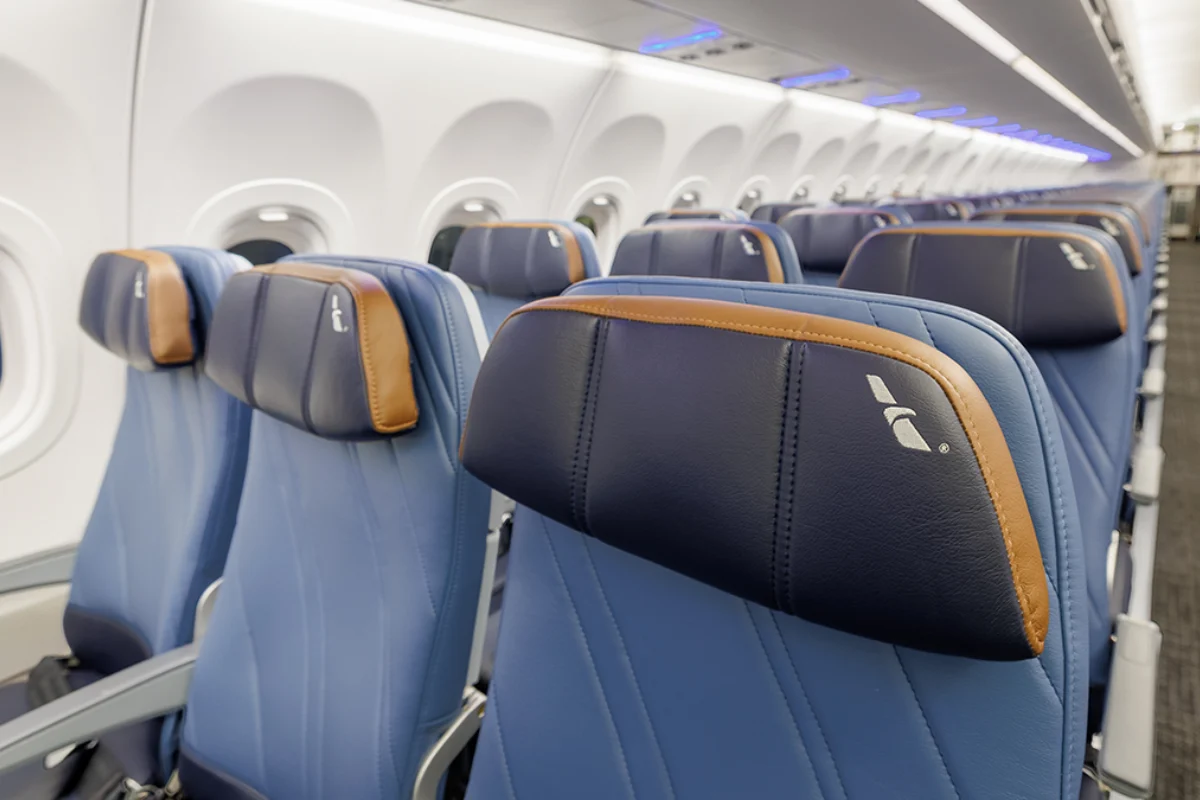
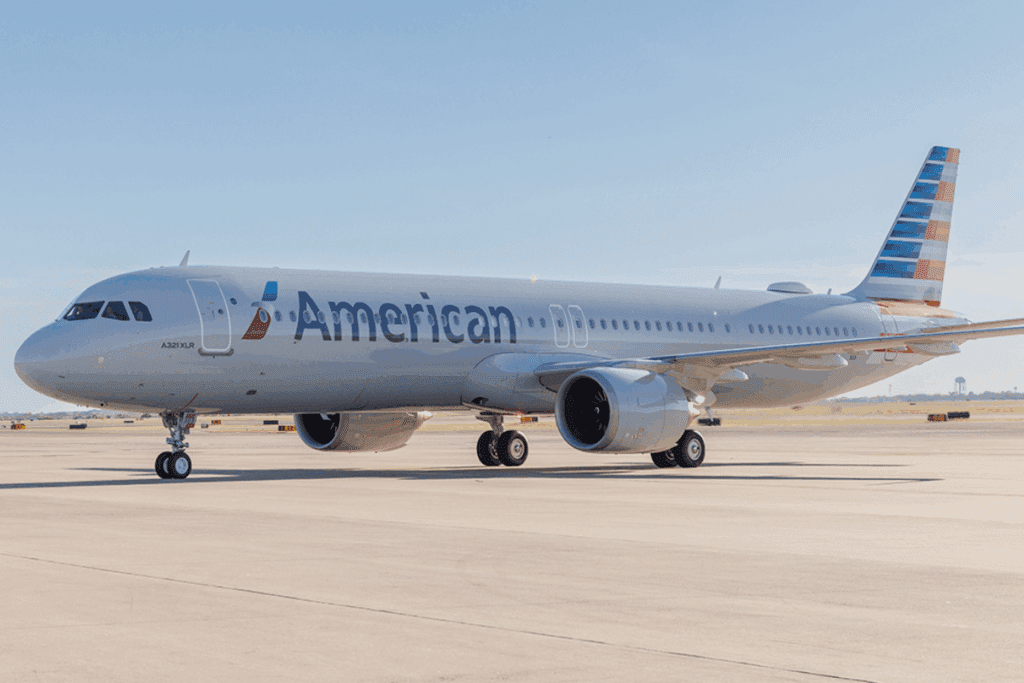
The deployment of the Airbus A321XLR on long-haul transatlantic and transcontinental routes was intended to revolutionize the economics of "thin" long-distance flying, yet the aircraft’s entry into service has been met with significant criticism from the frontline employees tasked with managing the passenger experience. Heather Poole, a veteran American Airlines flight attendant and prominent industry commentator, has recently detailed a series of operational and design challenges associated with the new narrowbody aircraft, suggesting that the shift from widebody to narrowbody platforms for long-duration flights may represent a regression in both working conditions and passenger comfort. Based out of American Airlines’ hub at New York’s John F. Kennedy International Airport (JFK), Poole’s observations come as the carrier begins utilizing the A321XLR on high-profile routes, including the JFK to Edinburgh (EDI) service and transcontinental hops between New York and Los Angeles (LAX).
The Airbus A321XLR, or "Extra Long Range," is the latest evolution of the successful A320neo family. Designed to bridge the gap between narrowbody efficiency and widebody range, the aircraft is capable of flying up to 4,700 nautical miles—roughly 11 hours of flight time—non-stop. For airlines like American, which has ordered 40 of the type, the aircraft offers a compelling financial proposition: the ability to serve secondary European markets or long domestic routes with 30% lower fuel burn per seat compared to previous-generation competitors. However, the transition of the "narrowbody experience" to the long-haul arena has sparked a debate regarding the physical limitations of a single-aisle cabin on flights exceeding eight hours.
Operational Hurdles and Cabin Logistics
According to reports shared by Poole on social media, the daily reality of operating the A321XLR involves navigating a cramped environment that complicates standard service procedures. One of the primary grievances involves the galley and trash management systems. On traditional widebody aircraft used for long-haul travel, such as the Boeing 777 or 787 Dreamliner, galleys are spacious enough to accommodate multiple crew members and large-scale waste disposal during multi-meal services. On the A321XLR, the workspace is significantly more restricted. Poole noted that "trash management is difficult," a consequence of the limited storage space available in a narrowbody fuselage that must also accommodate increased fuel capacity and specialized cabin features.
The lavatory configuration has also emerged as a point of contention for both crew and passengers. The current layout features only one lavatory at the front of the aircraft for premium passengers and three at the rear for the economy cabin. This distribution often leads to congestion in the single aisle, particularly during peak times after meal services. Poole described the situation as "ridiculous," noting that flight attendants are constantly required to move service carts back and forth to allow passengers to reach the facilities, an inefficiency that adds physical strain to the crew and disrupts the flow of service.
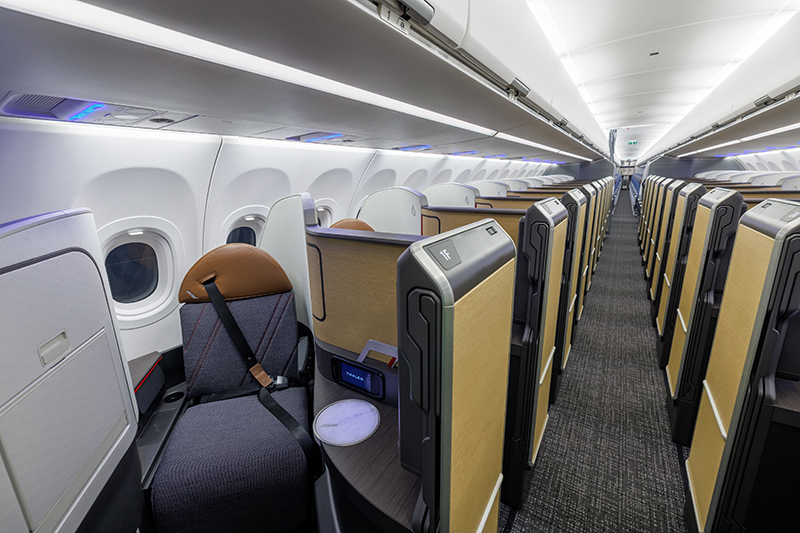
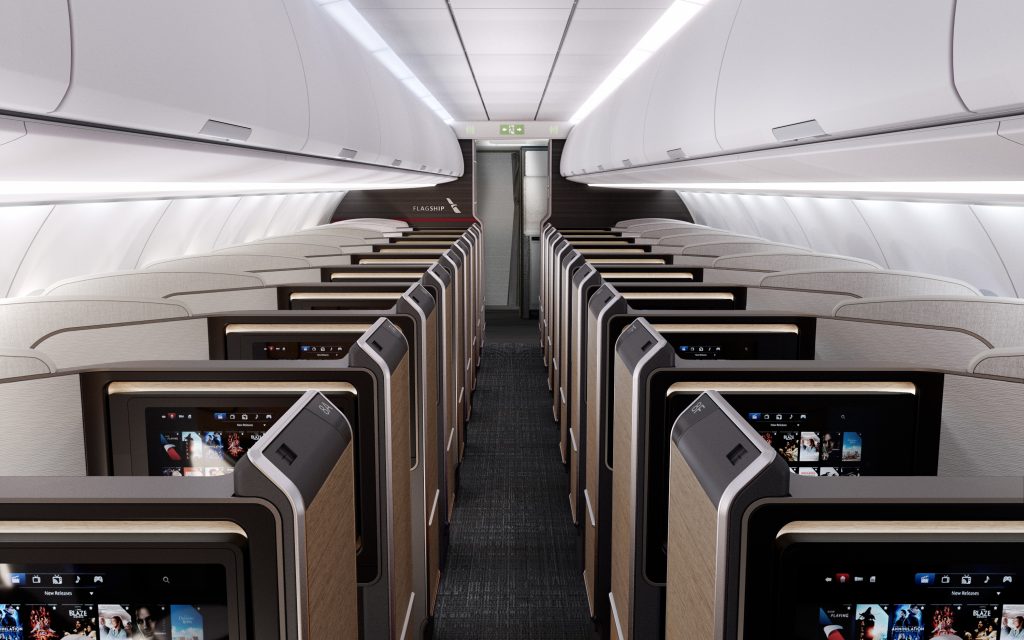
In the premium cabin, the design of the new Business Class suites has introduced unexpected service hurdles. While the high-sided suites offer passengers increased privacy—a key selling point for American Airlines—they create a claustrophobic environment for service. Poole observed that the entertainment screens in these suites must be manually stowed or pushed aside by flight attendants every time a meal or beverage is served, a repetitive task that complicates what should be a seamless premium experience.
The Controversy of Narrowbody Crew Rest Facilities
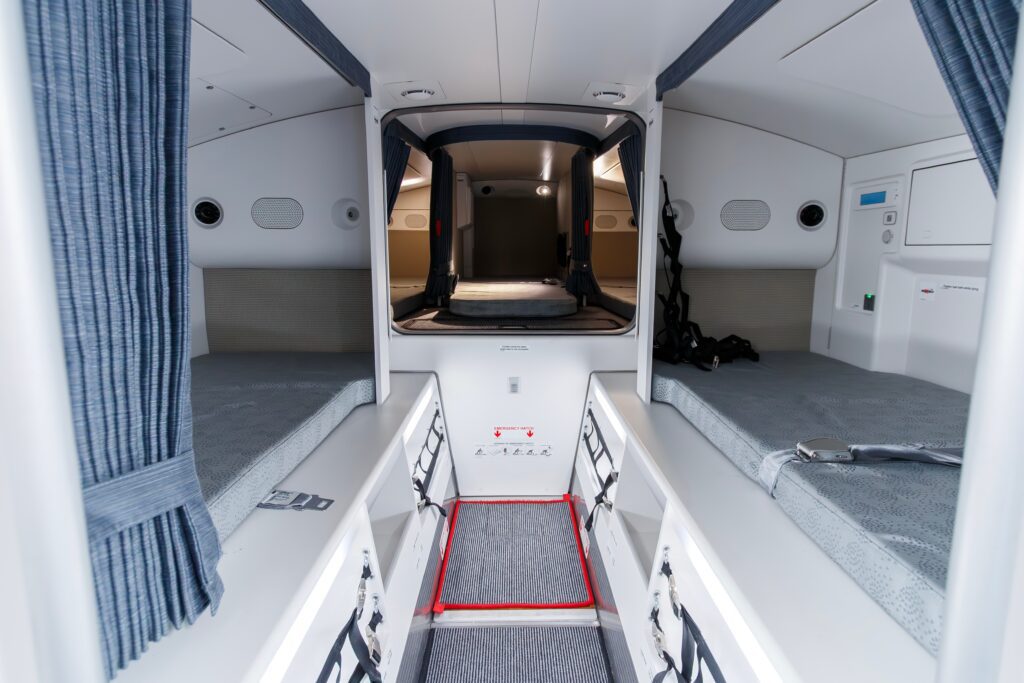
Perhaps the most significant departure from widebody standards involves the provisions for crew rest. On long-haul missions, international aviation regulations require that flight attendants be provided with designated rest periods to mitigate fatigue. On widebody aircraft, this is typically achieved through "overhead crew rest" (OCR) compartments—hidden bunks located above the passenger cabin where crew can sleep in total isolation.
Because the A321XLR lacks the vertical space for overhead bunks, American Airlines has implemented a "Class 3" rest facility. This consists of three standard passenger seats at the very rear of the cabin, located immediately in front of the aft lavatories. To provide privacy, flight attendants must assemble a "crew rest tent," which consists of heavy, light-blocking fabric draped around the seat block.
Poole shared video evidence of this setup, highlighting the lack of acoustic and physical separation from the rest of the cabin. Resting in the immediate vicinity of the galleys and lavatories exposes crew members to constant noise, light, and movement, which critics argue is a substandard solution for flights lasting nearly half a day. This arrangement not only impacts crew well-being but also reduces the number of seats available for sale, slightly offsetting the aircraft’s efficiency gains.
Passenger Experience and Technical Reliability
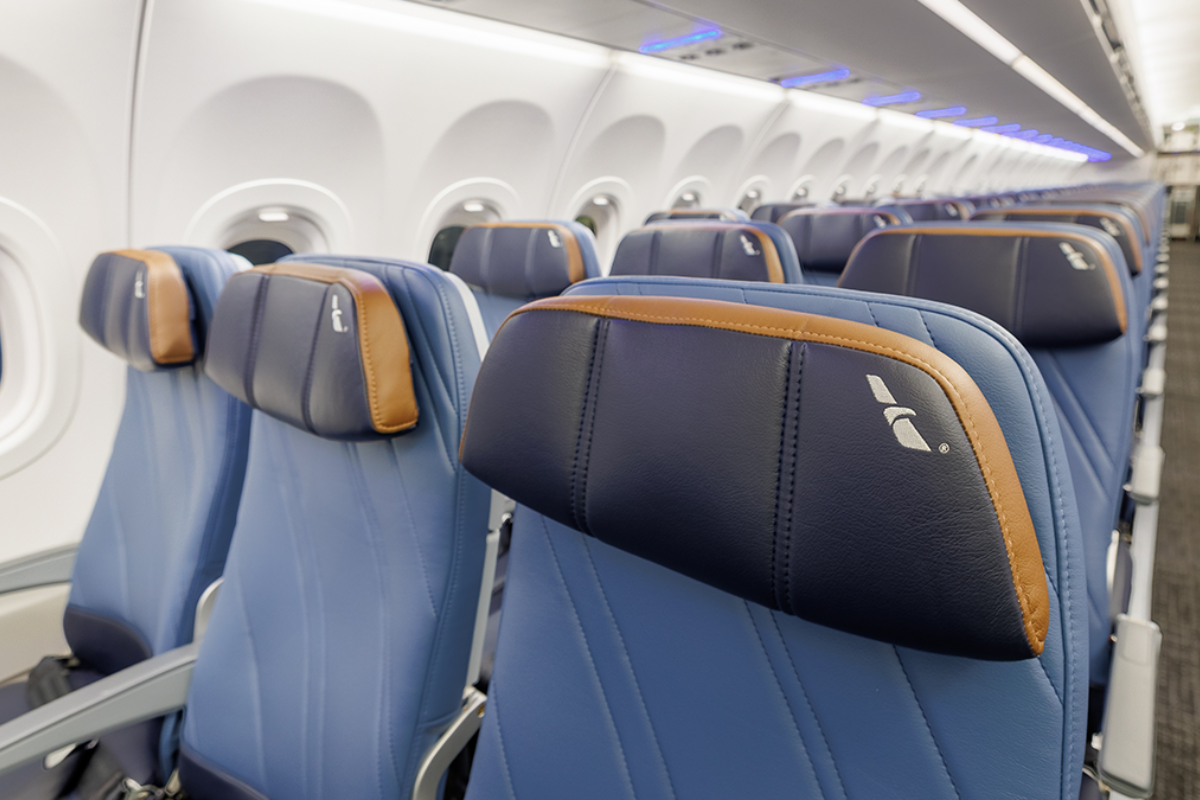
The passenger experience in the economy cabin has also come under scrutiny. Poole previously revealed that American Airlines opted for miniature tray tables on its A321XLR fleet. These tables are approximately half the depth of those found on widebody aircraft, barely providing enough surface area for a standard laptop or a full meal tray. While some observers initially speculated that the tables might fold out to a larger size, Poole confirmed that the reduced dimensions are the final design, likely a weight-saving measure intended to maximize the aircraft’s fuel range.
Furthermore, technical "teething" issues have been reported during the aircraft’s initial deployment. Poole noted the presence of fumes in the cabin before takeoff on multiple legs of her recent trips. While "fume events" are not unique to the A321XLR—often related to bleed air systems or hydraulic fluids—their occurrence on a brand-new, flagship aircraft raises questions about the maturity of the platform’s environmental control systems.
Chronology of the A321XLR Development
The challenges currently being reported are the latest chapter in a protracted development cycle for the A321XLR.
- June 2019: Airbus officially launches the A321XLR at the Paris Air Show, securing hundreds of orders from carriers including American Airlines, United Airlines, and Iberia.
- 2022-2023: The aircraft faces significant certification delays. Regulators, including EASA and the FAA, raise concerns regarding the safety of the Rear Center Tank (RCT). The tank, integral to the plane’s long-range capability, required additional fireproofing and structural reinforcement to protect passengers in the event of a belly landing.
- Late 2024: Iberia becomes the global launch customer, beginning transatlantic service between Madrid and Boston.
- Early 2025: American Airlines takes delivery of its first units and begins phasing them into the JFK hub, replacing older Boeing 757s and some 767s that previously handled these routes.
- April 2026: Internal reports and social media critiques from crew members like Poole highlight the operational friction points as the aircraft enters high-frequency service.
Strategic Implications for the Aviation Industry
The move toward narrowbody long-haul travel is driven by a shift in airline strategy toward "point-to-point" flying. Historically, long-haul travel relied on the "hub-and-spoke" model, where large widebody aircraft moved massive volumes of passengers between major global hubs. The A321XLR allows airlines to bypass these hubs, connecting smaller cities (like Philadelphia to Nice or New York to Edinburgh) directly and profitably.
However, the feedback from American Airlines crew suggests that the industry may be reaching a limit on how much "efficiency" can be squeezed out of a narrowbody airframe before the human element—both crew and passenger—suffers. If the A321XLR becomes known for a "claustrophobic" or "inconvenient" experience, premium passengers may gravitate back toward carriers operating widebody aircraft on the same routes.
For flight attendants, the A321XLR represents a shift in the labor environment. Heather Poole’s outspokenness on this issue is notable given her history with the airline; she was previously a lead plaintiff in a class-action lawsuit regarding "toxic" uniforms that allegedly caused chronic health issues for thousands of employees. Her current critique suggests a growing disconnect between airline procurement departments, which prioritize fuel metrics, and the inflight service teams who must manage the physical reality of the cabin.
Conclusion and Outlook
As American Airlines continues to take delivery of its remaining A321XLR order, the carrier will need to address these "frontline" concerns to ensure the long-term viability of its narrowbody long-haul strategy. While the aircraft is a technical marvel in terms of range and fuel economy, the logistical bottlenecks identified by Poole—ranging from lavatory ratios to the "tent" crew rest—indicate that the narrowbody long-haul experience remains a work in progress. For now, passengers and crew scheduled on the JFK-Edinburgh or JFK-Los Angeles routes are being advised to adjust their expectations for a cabin that, while new, offers significantly less personal and operational space than the widebody giants it is replacing.




 Anjar Salim
 Chandra Hamzah
 Tatiana Tantri Indah Sari
 Lukman Taruna Persada Ramadan
