
 Cholid Fahmi Thalib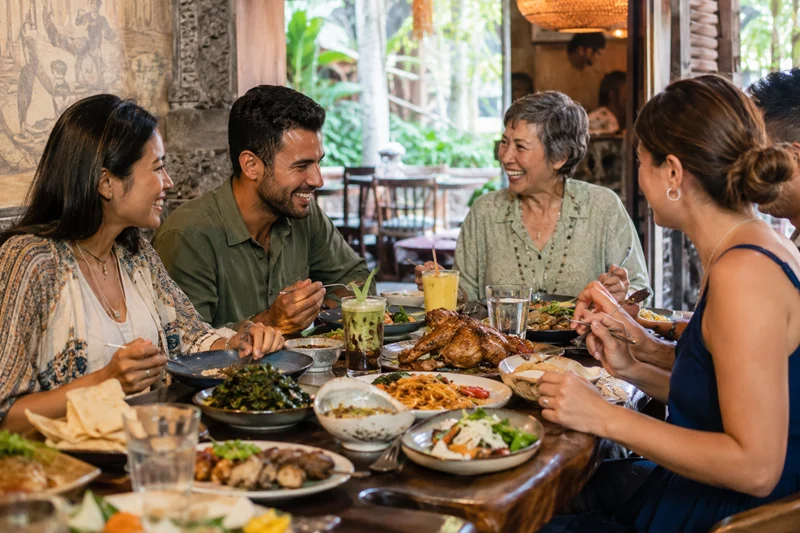
The art of sharing a meal with friends, especially during a dedicated food trip, can be significantly diminished when dining experiences cater to a singular palate. While a trendy, buzzy restaurant might ignite the adventurous spirit of one companion, it may prove unsuitable for another seeking a tranquil atmosphere, familiar flavors, or a more leisurely pace. Effective culinary planning ensures that every individual at the table, regardless of their preferences—be it a hearty appetite, a cautious approach to new tastes, a need for rest, or a desire to savor each moment—finds satisfaction. When dining arrangements align with the diverse needs of a group, these meals transcend mere scheduled stops, evolving into cherished memories that resonate long after the journey concludes.
Understanding the Diverse Needs of the Traveling Palate
The foundation of a successful food itinerary lies in a thorough understanding of the individuals participating. Prior to selecting any dining establishments, a comprehensive assessment of each traveler’s preferences is paramount. One member of the party might revel in the authentic experience of a bustling local eatery, complete with unreserved seating and a handwritten menu, while another may find greater comfort in a well-appointed chair, a clearly delineated selection of dishes, and service that allows for unhurried enjoyment.
Integrating these varied requirements from the outset is crucial for the seamless progression of group culinary excursions. This proactive approach can manifest in several ways: conducting pre-booking menu reviews, identifying neighborhoods that offer a spectrum of casual dining options, or strategically pairing more adventurous culinary choices with readily accessible, simpler alternatives. By thoughtfully planning around the distinct appetites and comfort levels of each traveler, the overall journey remains effortless and enjoyable, without sacrificing its inherent excitement. This consideration empowers every participant to relax, order with confidence, and fully appreciate their dining experience.
Structuring the Culinary Journey: The Power of a Daily Anchor Meal
In the pursuit of comprehensive culinary exploration, it is a common pitfall to overschedule the itinerary with an abundance of restaurant reservations, bakery visits, street food sampling, and late-night snacks. While such a packed agenda might appear idyllic on paper, it can inadvertently transform meals into a series of perfunctory obligations rather than enjoyable experiences.
A more effective and sustainable rhythm involves designating one primary culinary event per day, while maintaining flexibility for the remainder of the schedule. This focal point could be an elaborate lunch, an immersive market exploration, a pre-booked dinner reservation, or a visit to a highly anticipated local establishment. Crafting a food itinerary with deliberate intent provides sufficient structure to ensure a sense of organization, while simultaneously preserving ample opportunity for spontaneous discoveries and serendipitous culinary encounters.
Crucially, it is advisable to leave deliberate intervals around this anchor meal for spontaneous indulgences such as enjoying a local coffee, savoring a gelato, sampling fresh fruit from a market stall, or partaking in a snack that catches the eye during casual exploration. Many of the most enduring and cherished food memories are forged in these unstructured moments, occurring between planned dining engagements.
Balancing Novelty with Familiarity: The Art of Culinary Compromise
Every food-centric journey benefits from a carefully cultivated balance between embracing the new and relying on the familiar. While a group may express eagerness to sample smoky street skewers, regional seafood specialties, fiery noodle dishes, or an elaborate tasting menu, it is not essential for every single meal to push the boundaries of everyone’s comfort zone.
Strategic planning should incorporate select dining options that showcase local flavors in an approachable manner. Establishments such as a well-regarded roast chicken shop, a bustling neighborhood bakery, an efficient noodle counter, a family-run café, or a relaxed seafood restaurant can still offer travelers a genuine sense of the local culinary identity. These types of establishments prove particularly valuable on arrival days, after periods of extensive physical activity, or when the group requires a comforting and familiar dining experience.
The objective is not to dilute the overall richness of the gastronomic adventure. Rather, it is to provide adventurous eaters with anticipated highlights while simultaneously ensuring that all members of the group have the space and comfort to fully engage with the experience.
Embracing Versatility in Restaurant Selection
A restaurant with inherent flexibility can serve as a valuable asset in salvaging a day that might be encountering logistical complexities. When selecting dining venues, particularly for groups encompassing individuals of varying ages, differing appetites, or distinct comfort levels with new culinary experiences, priority should be given to establishments offering a diverse range of textures, portion sizes, and preparation methods.
Establishments that feature a wide array of soups, grilled items, rice bowls, pasta dishes, vegetable preparations, seafood options, or communal sharing plates tend to be highly successful. These offerings allow individuals to curate their meal according to their specific preferences. Furthermore, restaurants staffed by personnel who can effectively explain ingredients or adjust spice levels can significantly enhance the dining experience in unfamiliar cities, where even seemingly straightforward menus can present challenges.
Ideally, the chosen restaurant should possess sufficient character to be memorable while also offering enough variety to ensure the comfort of the entire dining party.
The Critical Role of Texture and Pace in Culinary Planning
Beyond mere flavor, the physical characteristics of food and the rhythm of the dining experience are integral to a truly enjoyable meal. A well-chosen dining establishment should prioritize the comfort of its patrons, extending beyond mere aesthetic appeal. Factors such as food texture, portion size, and the overall pace of service can shape a meal as profoundly as its taste, particularly when the group includes elderly relatives or individuals who may require food that is easier to chew and swallow.
The aim is to identify dishes that, while authentically local and satisfying, are also manageable in terms of texture and preparation. Slow-braised meats, comforting soups and stews, soft rice dishes, tender noodles, delicate dumplings, flaky fish, and smooth custards can all deliver significant flavor and character without posing accessibility challenges. Complementary elements such as tranquil dining environments, clear menu explanations, and patient service can elevate these meals from merely functional to thoughtfully curated.
For families who have witnessed the distress that can arise from a challenging meal for an aging loved one, considerations regarding texture, timing, and restaurant pace can transform from minor details into crucial components of effective planning. Awareness of issues like potential choking hazards, as highlighted in discussions surrounding nursing home neglect, underscores the practical importance of these elements.
The overarching goal is not to impose caution on every dining occasion. Instead, it is about integrating a sufficient level of care and consideration to ensure that the entire group can collectively appreciate the food, the conversation, and the destination they have traveled to experience.
Integrating Environmental Factors: Noise, Seating, and Timing
An establishment’s culinary prowess can be overshadowed by its suitability for the specific group. Restaurants characterized by excessive noise levels, cramped seating arrangements, prolonged waiting periods, difficult-to-navigate staircases, or inconveniently late reservation times can lead to fatigue and diminished enjoyment before the first course even arrives.
The timing of a meal often carries more weight than many travelers initially acknowledge. A popular dinner venue might offer a more relaxed and pleasant experience during lunchtime, while a bustling market may be best explored earlier in the day to avoid overwhelming crowds. For groups that include elderly individuals, young children, or anyone who tires easily, a strategically timed meal can be the decisive factor between a serene outing and a hurried, stressful one.
When selecting dining locations, it is advisable to seek out establishments that offer comfortable seating, adequate space between tables, efficient service, and a pace that allows patrons to settle in and relax. The physical setting should serve to enhance the dining experience, rather than detract from it.
Strategic Utilization of Markets, Cafés, and Food Halls
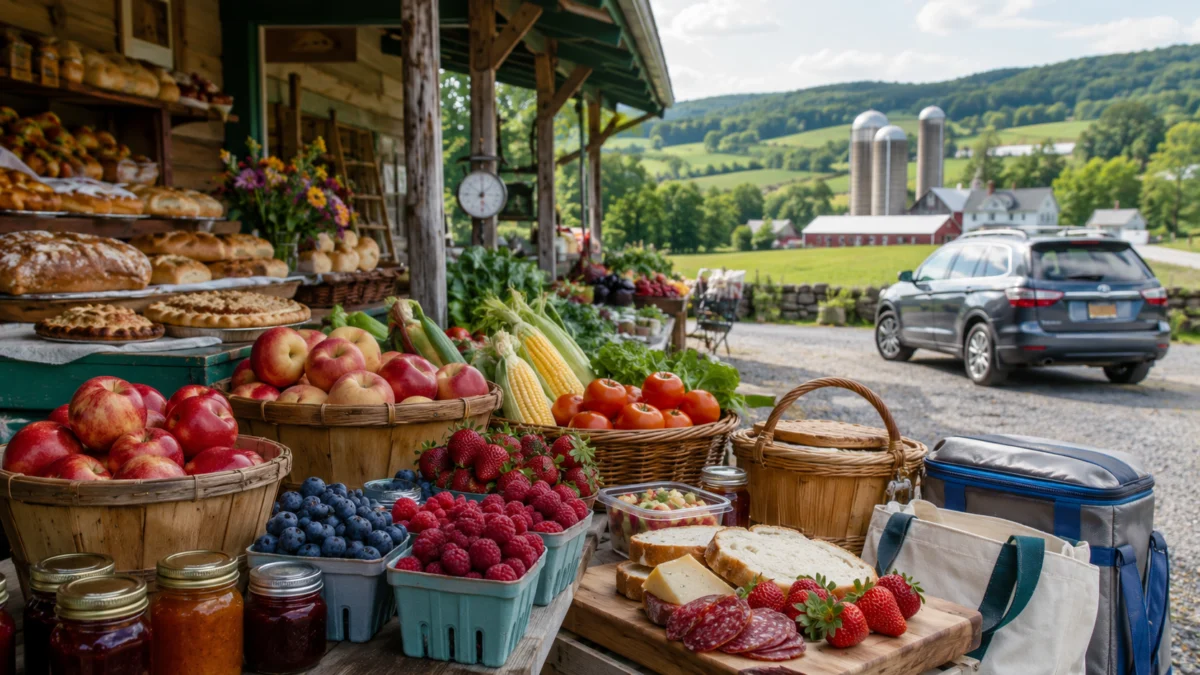
Markets and food halls offer a particularly effective solution when a group desires a shared excursion without the constraint of a unified meal selection. Within such venues, one individual can opt for grilled seafood, another can select dumplings, and a third can choose soup, fresh fruit, bread, or a simple plate that provides comfort after a demanding day.
These dynamic environments also grant travelers enhanced control over their dining pace and portion sizes. Instead of enduring a lengthy formal dinner service, the group can progress at its own speed, find comfortable seating arrangements, and order precisely what appeals to them in the moment.
For international travel, it is prudent to implement thorough food and water safety precautions, particularly when patronizing markets, street food vendors, and casual eateries where the sourcing of ingredients, preparation methods, and water sources may vary. Adherence to public health guidelines from organizations such as the Centers for Disease Control and Prevention (CDC) is paramount.
Ultimately, a successful food trip is one where the itinerary thoughtfully accommodates the realities of diverse individuals, varying appetites, and fluctuating energy levels. The most impactful culinary memories are frequently those forged in settings where every member of the group feels sufficiently comfortable to fully engage with and enjoy the food presented before them. By prioritizing flavor, flexibility, and judicious timing in the selection of dining destinations, a food journey can become an experience that is not only memorable but also remarkably effortless, from the very first taste to the final farewell meal.


 Anjar Salim
 Chandra Hamzah
 Tatiana Tantri Indah Sari
 Budi Mulyono
 Lukman Taruna Persada Ramadan
