
 Cholid Fahmi Thalib
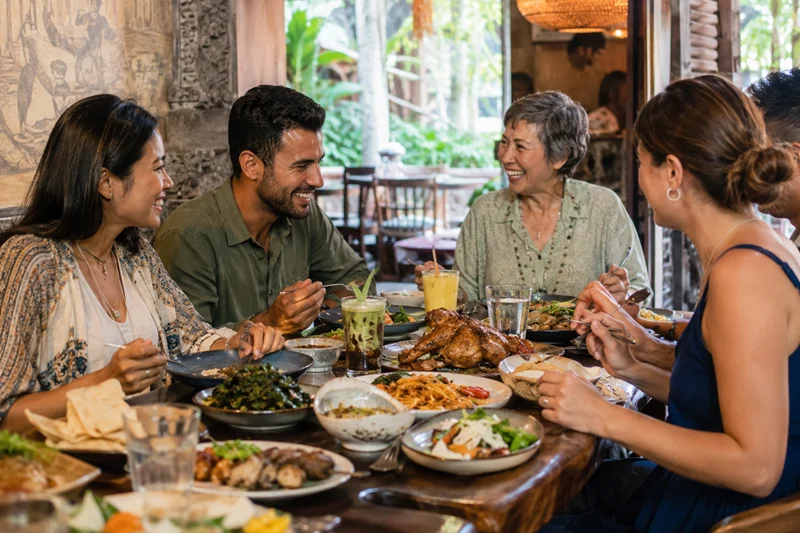
Travel transcends mere sightseeing; it is an immersive experience where the palate often becomes the most enduring storyteller. A meticulously planned meal, savored in the right ambiance, can unlock a deeper understanding of a destination than hours spent at traditional tourist attractions. By placing culinary experiences at the heart of an itinerary, travelers gain a tangible method to connect with local cultures, optimize their time, and mitigate the anxieties of spontaneous decision-making. This strategic approach transforms a trip from a series of disconnected sights into a curated journey through the flavors, daily rhythms, and authentic dining customs that define a place.
The modern traveler’s approach to exploration is increasingly nuanced, moving beyond superficial encounters to seek genuine cultural immersion. In this context, food emerges not just as sustenance, but as a powerful vehicle for cultural diplomacy and personal discovery. Research indicates a growing trend in "culinary tourism," with a significant percentage of travelers actively seeking out local food experiences. A 2023 report by the World Food Travel Association found that over 70% of travelers consider food a significant factor in their travel planning, with many willing to spend more on authentic gastronomic encounters. This underscores a fundamental shift: the journey is as much about what one tastes as what one sees.
Deconstructing Local Palates: The Foundation of Culinary Planning
The cornerstone of any successful food-centric itinerary lies in a thorough understanding of the local culinary landscape. This begins with a deep dive into what residents consume and, crucially, when they consume it. The timing of meals, a seemingly minor detail, profoundly influences the flow of a day and the accessibility of authentic dining establishments. For instance, recognizing that dinner in Madrid typically commences late, or that Florentine markets reach their zenith in the early morning, allows travelers to align their schedules with local customs rather than against them. This proactive research prevents the frustration of arriving at a closed restaurant or attempting to dine during a local siesta.
To achieve this level of insight, travelers can leverage a variety of resources. Local food blogs, dedicated culinary forums, and even specialized travel websites offer invaluable perspectives. The strategic use of tools like Virtual Private Networks (VPNs) can also be instrumental. By masking a user’s IP address and appearing to connect from a different geographic location, a VPN can unlock region-specific restaurant listings and reviews that might otherwise be inaccessible due to geo-blocking or localized search algorithms. This circumvents the often-overgeneralized tourist recommendations and guides travelers towards establishments that prioritize quality and value in accordance with local expectations, fostering a more authentic and satisfying dining experience. The proliferation of such digital tools signifies a growing reliance on technology to enhance the authenticity and efficiency of travel planning, particularly in niche areas like culinary exploration.
The Delicate Balance: Reserved Delights and Serendipitous Discoveries
While a curated list of must-try restaurants and iconic dishes is an essential component of culinary travel, an itinerary filled with pre-booked reservations for every meal can inadvertently stifle the spontaneity that often leads to the most memorable moments. A balanced approach involves designating specific slots for highly anticipated experiences – perhaps a reservation at a Michelin-starred restaurant renowned for its regional cuisine, or a visit to a historic café steeped in local lore – while deliberately leaving ample room for unplanned explorations.
This intentional flexibility allows for the embrace of serendipitous encounters. A recommendation from a friendly local, a chance discovery of a bustling neighborhood eatery, or a detour down an aromatic side street can lead to culinary gems that no amount of online research could uncover. This equilibrium between planned culinary highlights and open-ended exploration not only reduces the pressure of a rigid schedule but also significantly increases the likelihood of encountering genuinely authentic meals and engaging with the local community on a more personal level. Such spontaneous finds often embody the true spirit of a destination, offering insights into everyday life that are frequently missed by those who adhere strictly to pre-determined plans. The psychological benefit of this flexibility is also notable; it fosters a sense of adventure and discovery, enhancing overall travel satisfaction.
Anchoring the Day: Signature Culinary Experiences as Itinerary Pillars
To imbue each day with structure without succumbing to an overwhelming schedule, it is highly effective to anchor daily activities around one or two signature food experiences. This approach creates a natural flow for the day, ensuring that culinary exploration is integrated seamlessly rather than feeling like an add-on. For example, a morning could be dedicated to visiting a vibrant local market, immersing oneself in the sights, sounds, and smells of fresh produce and regional specialties. This could then be followed by a casual lunch at a nearby establishment that utilizes ingredients sourced directly from the market. The afternoon might be left open for general sightseeing, allowing for a more relaxed pace, before culminating in a pre-booked dinner at a restaurant that represents a distinct culinary tradition of the region.
This method of itinerary design offers several practical advantages. It minimizes unnecessary travel across a city or region, thereby conserving energy and time. By orienting the day around specific culinary destinations, travelers are naturally guided to explore particular neighborhoods more deeply, gaining a richer understanding of their character and local life. Instead of rushing between disconnected attractions, the journey becomes a coherent narrative, woven together by shared meals and culinary discoveries. This method aligns with principles of efficient travel planning, reducing cognitive load and enhancing the overall coherence of the travel experience. The visual element of the market, followed by the sensory experience of the meal, creates a multi-faceted engagement with the destination.
Leveraging Technology: Orchestrating Culinary Journeys with Digital Tools
In the digital age, a suite of practical tools exists to streamline the planning and execution of a food-centric travel itinerary, ensuring that all essential information remains readily accessible. Digital mapping applications, such as Google Maps or Maps.me, are indispensable for saving the locations of chosen restaurants, markets, and other culinary points of interest. By pinning these locations, travelers can easily visualize their route, identify clusters of dining options, and make informed decisions about meal placements.
Furthermore, organizing digital confirmations for restaurant reservations, cooking classes, or food tours within a dedicated folder on a smartphone or cloud storage service eliminates the need to sift through emails or physical printouts. Keeping a running digital note of dishes to try, along with brief descriptions or even images, serves as a valuable reference. This centralized approach to information management significantly reduces the time spent searching for details, allowing travelers to dedicate more attention to savoring their surroundings and the culinary experiences they offer. In instances where plans inevitably shift due to unforeseen circumstances – a restaurant being unexpectedly closed, or a change in local opening hours – having all pertinent information consolidated and easily accessible allows for swift adjustments without derailing the day’s gastronomic objectives. This technological integration is not merely about convenience; it enhances resilience and adaptability in travel planning.
The Iterative Approach: Continuous Refinement for an Evolving Experience
The most effective travel itineraries are not static documents but dynamic plans that are subject to ongoing review and adjustment. Each day presents an opportunity to assess what aspects of the plan are working well and which might feel forced or out of sync with one’s current appetite and energy levels. For instance, if a leisurely lunch has resulted in a feeling of fullness that diminishes the desire for a heavy dinner, the subsequent day’s plan can be modified to incorporate lighter fare or explore a different culinary niche, such as a focus on local street food or artisanal bakeries.
This process of continuous refinement ensures that the travel experience remains aligned with the traveler’s evolving needs and preferences. It fosters a sense of natural progression rather than an over-scheduled obligation. By actively listening to one’s body and adapting the itinerary accordingly, the journey becomes a more authentic and enjoyable reflection of personal desires and the spontaneous opportunities that arise during travel. This iterative approach acknowledges that travel is inherently unpredictable and that embracing flexibility is key to maximizing satisfaction. It transforms the act of planning from a one-time event into an ongoing dialogue between the traveler and their experience, leading to a richer and more fulfilling exploration. This adaptable methodology is increasingly being adopted by experienced travelers who recognize that the best journeys are often those that can gracefully pivot.
The implications of this food-centric approach to travel are far-reaching. It not only enhances individual enjoyment and cultural understanding but also supports local economies by directing patronage towards authentic establishments. As culinary tourism continues to grow, destinations that embrace and promote their unique food heritage are likely to attract a more engaged and appreciative segment of the global travel market. The strategic integration of food into travel planning represents a sophisticated evolution in how we experience the world, transforming ordinary trips into deeply flavorful and culturally resonant adventures. The future of travel, it seems, is undeniably delicious.


 Chandra Hamzah
 Gabriela Annisa
 Tatiana Tantri Indah Sari
 Hendra Ismail
 Walid Sujud Trenggono
 Budi Mulyono