
 Susilo Edi Turonggo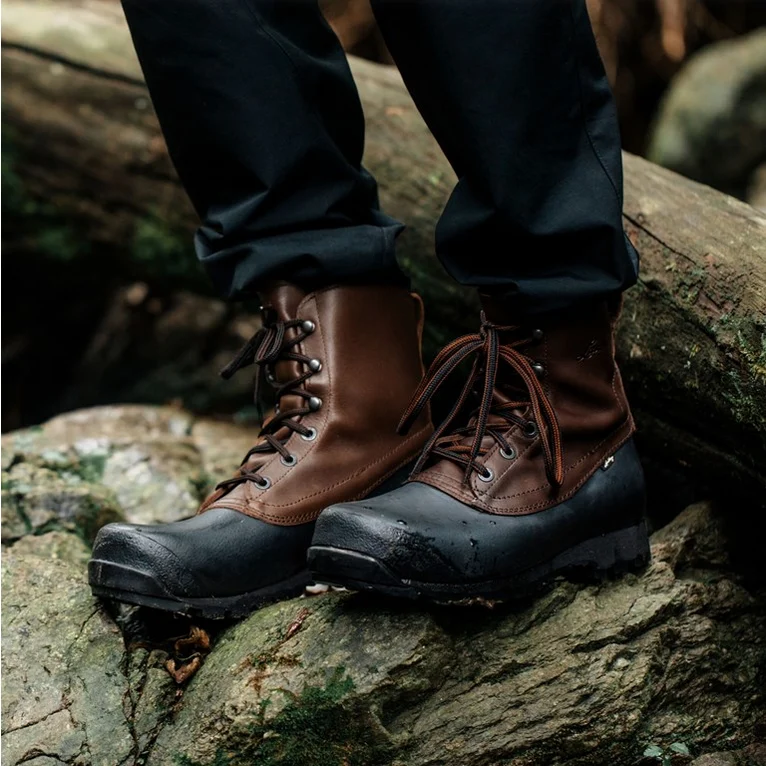
As winter ushers in a landscape of snow and slush, the demand for resilient footwear that offers both protection and peace of mind intensifies. For a growing segment of consumers, the choice of winter boots extends beyond mere functionality and aesthetic appeal, encompassing a critical evaluation of environmental impact and human health. This shift in consumer priorities has brought to the forefront the issue of per- and polyfluoroalkyl substances (PFAS), commonly known as "forever chemicals," which have historically been prevalent in waterproof finishes, including those used in winter boots. The urgent need for sustainable, PFAS-free alternatives is reshaping the outdoor apparel and footwear industry, driving innovation towards safer, more durable, and environmentally responsible products.
The Pervasive Threat of "Forever Chemicals": Understanding PFAS
Per- and polyfluoroalkyl substances (PFAS) represent a vast family of synthetic chemicals, numbering in the thousands, which have been widely utilized across various industries since the 1940s. Their unique properties—resistance to water, oil, stains, and heat—made them ideal for applications ranging from non-stick cookware and food packaging to fire-fighting foams and, notably, durable water repellent (DWR) finishes in textiles and footwear. In the context of winter boots, these chemicals have been instrumental in providing the weather-resistant barrier necessary to repel snow and slush, preventing moisture penetration while often maintaining breathability.
However, the very chemical stability that makes PFAS effective in industrial applications is precisely what poses a significant environmental and health challenge. Characterized by extremely strong carbon-fluorine bonds, these compounds do not naturally break down in the environment, earning them the moniker "forever chemicals." Once released, whether through manufacturing processes, product use (e.g., shedding from boots), or disposal, PFAS can persist in soil, water, and air for centuries. This persistence leads to bioaccumulation in wildlife and biomagnification up the food chain, ultimately contaminating ecosystems globally. Studies by the U.S. Geological Survey and other research bodies have detected PFAS in tap water across the United States, highlighting the widespread nature of this contamination.
The health implications associated with PFAS exposure are equally concerning. A growing body of scientific evidence, compiled by organizations such as the U.S. Environmental Protection Agency (EPA) and the Agency for Toxic Substances and Disease Registry (ATSDR), links exposure to various PFAS compounds with a range of adverse health outcomes. These include increased cholesterol levels, liver damage, developmental effects in children, decreased fertility, thyroid disease, reduced immune system response, and an elevated risk of certain cancers, such as kidney and testicular cancer. The insidious nature of PFAS lies in their ability to migrate from products into homes, accumulating in dust and air, thus posing an indoor exposure risk in addition to environmental pathways.
A Shifting Timeline: From Ubiquity to Regulation and Innovation
The scientific community’s understanding of PFAS toxicity and environmental persistence has evolved significantly over recent decades. While initial concerns emerged in the late 20th century regarding specific compounds like PFOA (perfluorooctanoic acid) and PFOS (perfluorooctane sulfonic acid), widespread public and regulatory attention escalated in the early 2000s. Key milestones include:
- Early 2000s: Mounting scientific evidence linking PFOA and PFOS to health issues leads to voluntary phase-outs by major manufacturers in the U.S. and Europe.
- 2006: The EPA launches the 2010/2015 PFOA Stewardship Program, urging companies to eliminate PFOA and related chemicals from emissions and products.
- 2013-Present: Research expands to investigate thousands of other PFAS compounds, revealing similar concerns regarding their persistence and potential toxicity.
- Mid-2010s: Environmental advocacy groups and health organizations intensify campaigns to raise awareness and push for comprehensive PFAS regulation.
- Late 2010s-Early 2020s: Numerous U.S. states begin enacting their own restrictions on PFAS in various products, including food packaging and textiles. The European Union also strengthens its regulatory framework, moving towards broader restrictions on PFAS use.
- 22 March 2023: The European Chemicals Agency (ECHA) publishes a proposal to restrict PFAS under REACH, potentially leading to one of the broadest bans on chemicals in EU history.
- Ongoing: The outdoor industry, often an early adopter of sustainable practices, begins to publicly commit to phasing out all PFAS from its products, driven by both regulatory pressures and growing consumer demand. Brands increasingly highlight "PFAS-free," "PFC-free," or "fluorine-free" claims in their marketing.
This chronological shift underscores a transition from a period of unregulated use to one of increasing scrutiny, regulatory action, and industry-led innovation in search of safer alternatives.
The Industry’s Pivot: Supporting Data and Official Responses
The pivot away from PFAS is not merely a marketing trend but a substantial re-engineering effort within the outdoor and footwear industry. According to a 2022 report by the Outdoor Industry Association, a significant majority of member brands are actively researching and implementing PFAS-free alternatives, with many aiming for complete phase-out by 2025. This commitment is often supported by collaboration with chemical management experts and participation in industry-wide initiatives.
Several certifications and standards play a crucial role in guiding this transition and providing transparency to consumers:
- bluesign®: This system provides independent auditing of textile manufacturing to minimize environmental impact, restricting hazardous substances from the outset. A bluesign® APPROVED product guarantees responsible resource use and minimal impact on people and the environment.
- Leather Working Group (LWG): This multi-stakeholder group assesses and certifies leather manufacturers based on their environmental performance, including water and energy usage, waste management, and chemical handling. LWG certification is a strong indicator of more sustainable leather sourcing.
- Global Recycled Standard (GRS): Administered by Textile Exchange, GRS verifies recycled content in products and tracks it from input to the final product. It also addresses social and environmental practices and chemical restrictions in production.
- Restricted Substances Lists (RSLs): Many forward-thinking brands maintain their own RSLs, going beyond basic legal requirements to prohibit or limit the use of specific chemicals, including various PFAS, in their supply chains.
- Fair Wear Foundation: This organization works to improve labor conditions in the garment industry, promoting transparency and ethical practices across the supply chain.
These certifications not only provide a framework for manufacturers to improve their practices but also empower consumers to make informed decisions, ensuring that their winter boots are free from harmful chemicals and produced under ethical conditions.
Beyond PFAS: Holistic Criteria for Sustainable Winter Boots
While the elimination of PFAS is a paramount concern, a truly sustainable winter boot encompasses a broader set of criteria, reflecting a holistic approach to environmental and social responsibility. Consumers seeking the most ethical and eco-friendly options should consider:
-
Safe & Sustainable Materials:
- PFAS-Free Waterproofing: This is the baseline. Brands should explicitly state "PFAS-free," "PFC-free," or "fluorine-free" for their DWR finishes.
- Naturally Water-Resistant Options: Materials like LWG-certified leather offer inherent water resistance with a lower chemical footprint, especially when sourced responsibly. The LWG ensures tanning processes minimize environmental harm.
- Recycled Materials: Look for boots incorporating GRS-certified recycled polyester, rubber, or other components, which reduce reliance on virgin resources and divert waste from landfills.
- Bio-based Materials: Innovations in vegan leathers and insulation derived from plant-based sources are emerging, offering alternatives to both traditional leather and petroleum-based synthetics. However, vigilance is needed to ensure these "vegan leathers" are not merely PVC or PU plastics without significant recycled content.
- Chemical Management: Brands adhering to bluesign® standards or maintaining robust RSLs demonstrate a commitment to minimizing hazardous chemicals throughout their production processes.
-
Transparent Supply Chain:
- Traceability: A truly sustainable brand can trace its materials from raw source to finished product, ensuring ethical labor practices and environmental stewardship at every stage.
- Ethical Manufacturing: Partnerships with organizations like the Fair Wear Foundation or publicly disclosed factory lists with audited working conditions indicate a commitment to worker well-being. Codes of conduct for suppliers should cover fair wages, safe conditions, and the absence of child labor.
-
Durability and After-Market Repair:
- Longevity by Design: Sustainable boots are designed to last for many years, reducing the need for frequent replacements and minimizing waste. This often involves robust construction, high-quality materials, and classic designs.
- Repairability: Brands that offer replacement parts, repair services, or guidance on DIY repairs actively support a circular economy model, extending product lifespans and reducing their overall environmental footprint. This stands in stark contrast to fast fashion’s disposable model.
Leading Brands Paving the Way in PFAS-Free Winter Footwear
The following brands exemplify the industry’s progression towards sustainable, PFAS-free winter boots, each contributing to a safer and more responsible consumer landscape:
-
Keen: A trailblazer in the outdoor industry, Keen was among the first major brands to successfully eliminate PFAS from its footwear and openly shared its transition process to encourage broader industry adoption. Their extensive range of winter boots, from stylish urban models to rugged hiking options, all feature PFAS-free Durable Water Repellent (DWR). Keen’s commitment extends to its supply chain, working exclusively with Leather Working Group (LWG)-certified tanneries and maintaining a stringent restricted substances list. The brand produces at least one in three pairs in its own factories, ensuring tighter control over production standards, and regularly audits its Tier 1 and Tier 2 suppliers to uphold its comprehensive code of conduct. Keen’s transparency and proactive approach set a high benchmark for responsible manufacturing. (Price Range: $115-$250. Available in: U.S., with international shipping via partner dealers.)
-
Jack Wolfskin: This German outdoor brand is recognized for its innovative and earth-conscious gear, all of which is PFAS-free. Jack Wolfskin’s winter boots leverage custom Texapore technology, a proprietary waterproof and windproof membrane designed without perfluorinated chemicals. The brand is highly transparent about its supply chain, publicly listing all its partners. A significant commitment is their requirement that all suppliers are bluesign®-approved or demonstrate equivalent chemical management practices, ensuring the absence of hazardous substances. Jack Wolfskin further reinforces its ethical production by deploying independent inspectors to regularly audit factories for safe and fair working conditions. (Price Range: $120-$230. Available in: Most European countries.)
-
Lundhags: With a heritage dating back to 1932, Swedish brand Lundhags specializes in robust, long-lasting leather boots. Manufacturing takes place in Europe, utilizing high-quality materials, including leather sourced from a German tannery, which contributes to a commendably short supply chain. Lundhags offers a variety of boot constructions, including shell, one-layer, and three-layer designs, all built for severe winter conditions. A cornerstone of their sustainability strategy is an in-house after-market repair shop, demonstrating a profound commitment to extending product lifespans. Factory working conditions are regulated under the Brav code of conduct, ensuring ethical production standards. (Price Range: $217-$597. Available in: Most European countries.)
-
Vaude: Vaude, another leading German outdoor brand, crafts winter boots featuring a waterproof and windproof membrane made from PFAS-free recycled polyester. The brand emphasizes local sourcing, with leather uppers often procured from a tannery in Germany, minimizing transportation impacts. Vaude is highly transparent, allowing customers to view the specific manufacturing location for each product on its dedicated page. Further solidifying its commitment to longevity and circularity, Vaude provides readily available and affordable replacement parts and offers comprehensive full-service repairs, making it exceptionally easy for consumers to maintain and extend the life of their boots. (Price Range: $200-$263. Available in: Canada and most European countries.)
-
Forsake: Forsake offers a range of waterproof boots, from sneaker-boot hybrids to heeled hiking styles, many of which utilize Leather Working Group (LWG)-certified materials. The brand operates under a parent group that enforces a strict code of conduct for all its suppliers, complemented by regular audits to ensure compliance with ethical and environmental standards. While Forsake demonstrates strong commitments in these areas, greater transparency regarding the sourcing of specialized components, such as its memory foam insoles, would further enhance its sustainability profile by providing a complete picture of its material origins and potential environmental impact. (Price Range: $145-$160. Available in: U.S.)
-
EcoAlf: As a certified B-Corporation, EcoAlf integrates sustainability into its core business model, creating vegan, PFAS-free boots primarily from Global Recycled Standard (GRS)-certified recycled polyester and a combination of new and recycled rubber. The brand tracks its supply chain meticulously down to Tier 3, offering a commendable level of transparency in its manufacturing process. To further strengthen its sustainability claims, EcoAlf could enhance disclosure regarding the origins and specific environmental certifications of its raw materials, providing consumers with a more complete understanding of its upstream impacts. (Price Range: $145-$299. Available in: U.S., most South American, European, and Asian countries.)
-
Will’s Vegan Store: Based on a commitment to ethical and sustainable vegan footwear, Will’s Vegan Store produces its shoes in Italy and Portugal. The brand utilizes innovative bio-based leathers and recycled polyester insulation in many of its offerings. Will’s Vegan Store traces every step of its production process, aiming to ensure sustainable and ethical practices throughout its supply chain. While some of its waterproof shoes are explicitly PFAS-free, consumers should exercise diligence and check individual product descriptions, as not all waterproof items carry this specific designation. Furthermore, while "unspecified vegan leather" is used, greater clarity on the composition of these materials (e.g., if they are petroleum-based plastics without recycled content) would aid consumer decision-making regarding overall environmental footprint. (Price Range: $134-$190. Available in: All countries.)
-
Poppy Barley: Poppy Barley specializes in stylish, water-resistant ankle and calf-length boots, many of which feature Leather Working Group (LWG)-certified materials, indicating responsible leather sourcing. The brand collaborates with audited factories located in Europe and Mexico, ensuring adherence to ethical labor and environmental standards. Consumers are encouraged to verify LWG certification on individual product pages, as not all boots in their collection may carry this specific label, ensuring that their purchase aligns with their sustainable material preferences. (Price Range: $293-$480. Available in: Continental U.S., Mexico, Canada, and Australia.)
-
REI Used Gear: For budget-conscious and environmentally aware consumers, REI Used Gear offers an invaluable platform for accessing discounted winter boots from a variety of sustainable brands. This initiative promotes the circular economy by facilitating the buying, selling, and trading of pre-owned outdoor equipment, significantly extending product lifespans and reducing waste. While REI itself is actively working to phase out PFAS from its proprietary products, purchasers of used gear should meticulously review product details and specifications, as the PFAS-free status of items from other brands on the platform may vary. This option highlights the broader implications of sustainable consumption: the most sustainable product is often the one that already exists. (Price Range: $22-$149.50. Available in: U.S.)
Broader Implications and The Future of Sustainable Footwear
The movement towards PFAS-free winter boots is emblematic of a larger paradigm shift in consumer goods. It underscores the power of consumer demand to drive industry change, pushing manufacturers to innovate and prioritize environmental and health considerations alongside performance. This evolution is fostering a landscape where transparency, ethical production, and product longevity are becoming competitive advantages.
The ongoing research into non-fluorinated waterproofing technologies and bio-based materials promises a future where high-performance outdoor gear is inherently safer for both people and the planet. Continued regulatory pressure from governments worldwide will likely accelerate this transition, creating a more uniform standard for chemical safety in products. Ultimately, the journey towards truly sustainable winter footwear contributes to the broader vision of a circular economy, where products are designed for durability, repair, and eventual recycling, minimizing waste and maximizing resource efficiency. This holistic approach ensures that consumers can step out into the winter landscape with confidence, knowing their choices support a healthier environment for generations to come.



 Anjar Salim
 Chandra Hamzah
 Tatiana Tantri Indah Sari
 Budi Mulyono
 Lukman Taruna Persada Ramadan
