
 Susilo Edi Turonggo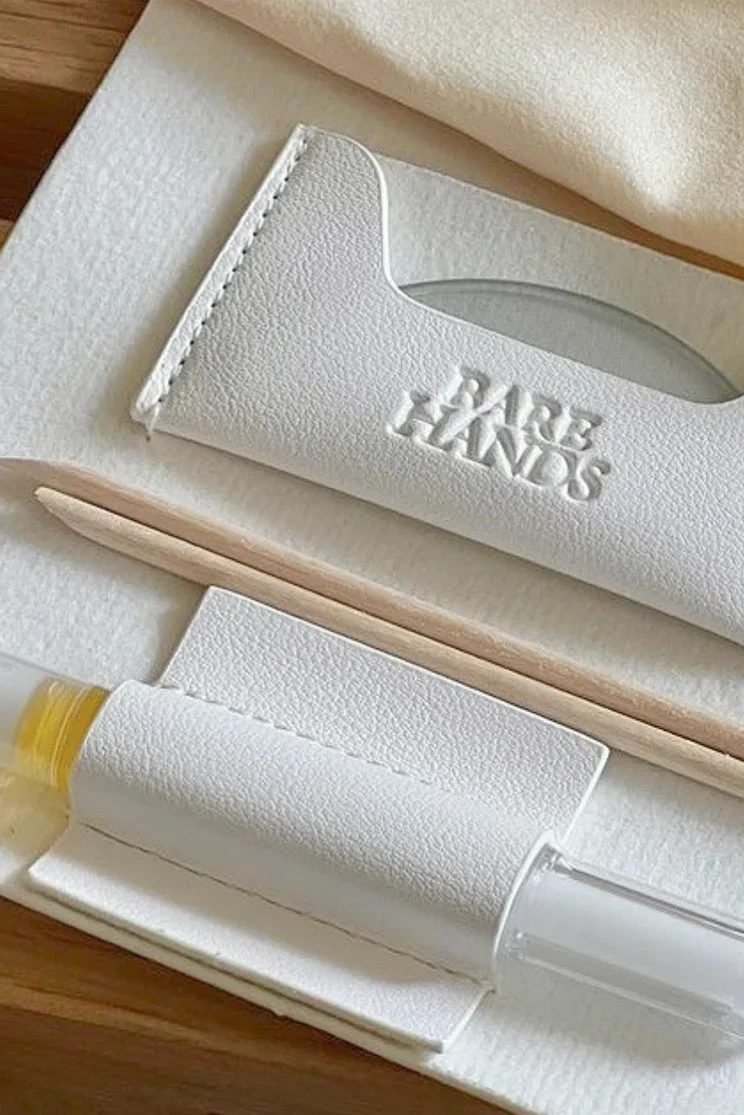
With persistently cold weather exacerbating skin dryness and inflationary pressures tightening household budgets, the concept of an at-home spa day has transcended mere luxury to become a strategic and increasingly popular approach to self-care. This shift reflects a broader consumer trend towards accessible wellness solutions that prioritize both personal well-being and fiscal prudence. The market is responding with a burgeoning array of non-toxic skincare, hair treatments, manicure kits, and holistic spa sets, enabling individuals to cultivate a sanctuary of pampering within their own homes while aligning with ethical and sustainable consumption values.
The Evolution of At-Home Wellness: A Post-Pandemic Landscape
The notion of the "at-home spa day" is not entirely new, but its prominence has significantly accelerated in recent years, particularly following the global health crisis. The pandemic forced a re-evaluation of personal care routines, pushing many to explore alternatives to professional services. This period cultivated a deeper appreciation for home-based rituals, transforming them from occasional treats into regular, integrated components of a wellness regimen. As professional spa treatments often entail significant financial outlays, typically ranging from $75 for a basic facial to over $200 for more comprehensive packages, the economic incentive to replicate these experiences at home became compelling. Market analysis indicates a sustained interest in DIY beauty and wellness, with the global home spa market projected to grow steadily, driven by convenience, cost-effectiveness, and a heightened focus on personal health.
Concurrently, seasonal changes, particularly the onset of colder months, introduce specific dermatological challenges. Decreased humidity levels, harsh winds, and indoor heating can strip the skin of its natural moisture barrier, leading to dryness, flakiness, irritation, and a dull complexion. Hair can also suffer, becoming brittle and prone to static. These environmental stressors amplify the need for restorative and deeply nourishing treatments, making targeted at-home remedies a timely necessity.
Beyond Products: The Foundational Pillars of Holistic Self-Care
While the allure of specialized products is strong, it is crucial to underscore that effective self-care extends beyond topical applications. Industry experts and wellness advocates consistently emphasize that optimal skin and hair health are intrinsically linked to foundational lifestyle choices. Adequate sleep, a balanced diet rich in essential nutrients, consistent hydration, and effective stress management are primary determinants of overall vitality. According to data from the American Academy of Dermatology, lifestyle factors significantly influence skin health, with chronic stress, poor nutrition, and insufficient sleep manifesting in various skin conditions. Therefore, incorporating these fundamental practices is not merely supplementary but foundational to any successful at-home wellness routine.
Furthermore, accessible and cost-effective solutions often lie within common household items. A simple bag of Epsom salts, readily available for around $5-$10, offers magnesium sulfate, known for its muscle-relaxing and detoxification properties, making it an excellent base for a soothing bath soak. Bentonite clay, another affordable option, can be mixed with water to create a purifying facial mask that draws out impurities and minimizes pores. Pure coconut oil, a staple in many kitchens, serves as a versatile moisturizer for skin and hair, providing deep hydration and a protective barrier against environmental aggressors. Even experimental ventures like using food coloring for temporary hair tints offer a playful, low-commitment avenue for personal expression without the chemicals associated with traditional dyes. These DIY methods highlight that effective self-care need not be expensive, reinforcing the principle of leveraging existing resources.
The Rise of Conscious Consumption: Clean and Sustainable Beauty
A significant driver behind the curated selection of at-home spa products is the burgeoning "clean beauty" movement. Consumers are increasingly scrutinizing ingredient lists, demanding transparency, and seeking products free from potentially harmful chemicals such as parabens, phthalates, sulfates, synthetic fragrances, and GMOs. This demand is not merely a trend but a fundamental shift in consumer values, propelled by greater awareness of health risks and environmental impact. The global clean beauty market size was valued at approximately $11.5 billion in 2023 and is projected to grow substantially in the coming years, indicating a strong and sustained consumer preference for safer formulations.

Complementing this, the emphasis on sustainability in beauty has become paramount. Brands are now expected to demonstrate commitments to ethical sourcing, cruelty-free practices, eco-friendly packaging (recycled, recyclable, refillable), and a minimal carbon footprint across their supply chains. Supporting small, sustainable businesses, as highlighted in this curated list, allows consumers to align their purchasing power with their values, fostering a more responsible and equitable industry.
Curated Offerings for a Holistic At-Home Spa Experience
The market now offers a diverse range of products designed to facilitate a comprehensive at-home spa experience, addressing various needs from head to toe.
For Facial and Body Rejuvenation:
Brands like Grown Alchemist exemplify the synergy of botanical ingredients and scientific formulation. Their skincare, hand care, and body care kits are formulated with carefully sourced, bio-compatible ingredients, rigorously vetted for sustainability within their supply chain. Their commitment to recycled and refillable packaging further solidifies their eco-conscious stance.
OSEA Malibu harnesses the power of the ocean, with sustainably-harvested seaweed as a signature ingredient in many of its luxurious products. The brand’s clear "no-list" of harmful ingredients ensures all offerings are non-toxic and vegan, providing a truly indulgent yet clean experience for face and body.
MyChelle’s Exfoliators and Masks offer an accessible entry point into clean beauty. Their products are vegetarian, cruelty-free, and free from a comprehensive list of undesirable chemicals, making their masks, scrubs, and peels excellent choices for an at-home facial refresh without compromising on ethical standards.
For a truly transformative experience, the Wildling Gua Sha Empress Collection taps into ancient healing traditions. Gua sha, a practice rooted in traditional Chinese medicine, involves using a smooth stone tool to massage the face and neck. This technique promotes lymphatic drainage, helps release facial tension, can minimize pores, brighten skin, and even aid in wrinkle prevention. The Wildling founders emphasize a connection to nature, sourcing sustainably wild-foraged plants and partnering with fair-trade communities for their accompanying Empress Oil and Tonic, ensuring peak potency and ethical production.
Tata Harper Skincare elevates the at-home spa experience with its comprehensive collection of tools and kits. Known for its "farm-to-face" philosophy, Tata Harper sources over 300 high-quality ingredients globally, ensuring all products are free from GMOs, synthetic chemicals, artificial colors, fragrances, and fillers. Offerings range from facial cupping sets to detox facial kits, providing targeted solutions for various skin concerns.
Surreal Skincare’s "Advanced Guide to Cheating Death" offers a unique, results-driven approach. As a trans-owned business, Surreal Skincare utilizes natural tree resin extracts renowned for their healing compounds. Their masks are noted for an "icy hot" sensation, indicating potent active ingredients designed for significant skin resurfacing, appealing to those seeking an intense yet safe treatment.
Finally, Naturally London Gift Sets & Kits focus on often-neglected areas, providing much-needed pampering for tired feet, completing the full-body wellness circuit.
For Hair Health and Color Renewal:
The hair care sector has seen significant innovation in non-toxic solutions. Hairprint Color Restorer stands out by offering a revolutionary alternative to traditional dyes. Rather than simply coloring gray hair, it replenishes the natural pigment in brown and black hair, effectively reversing the graying process. Beyond color restoration, it functions as a protein treatment, enhancing body, strength, texture, and sheen while reducing frizz. This at-home treatment, typically taking 75-90 minutes, represents a scientific leap in natural hair care.
For those seeking color changes without harsh chemicals, Desert Shadow’s Organic Hair Dyes provide certified organic, vegan, and palm oil-free options. Their commitment to sustainability extends beyond ingredients to broader community initiatives. Similarly, Surya Brasil’s Henna Hair Dye offers a gentle, natural way to cover grays or alter hair color, utilizing henna to protect the scalp and condition the hair. These options reflect a growing consumer demand for hair coloring solutions that are both effective and benign.
For Hand and Nail Fortification:
The integrity of nails can often be compromised by frequent use of gel or acrylics. Bare Hands Dry Gloss Manicure Kit offers a chemical-free path to healthy, glossy natural nails, emphasizing strengthening and shine without damaging polishes.
Lauren B. Beauty’s Nail Growth Serum and Cuticle Oil provide targeted care for brittle or slow-growing nails. Formulated with simple, non-toxic ingredients like amino acids, antioxidants, vitamins E and C, peptides, and biotin, these products are designed to boost natural nail growth and strength, sinking in instantly for maximum efficacy. The broader availability of non-toxic nail polishes, as highlighted by various reviews, further enables a complete, health-conscious manicure experience at home.
For Inner Peace and Tranquility:
A truly holistic spa day integrates mental and emotional well-being. The Total Tranquility Set from BLK + GRN offers a comprehensive approach to easing anxiety and fostering a calming environment. This curated set from a Black-owned business includes a chakra soy candle, white sage smudge stick, herbal tea, and essential oils, all designed to promote a sense of serenity. Supporting businesses like BLK + GRN also addresses the historical disparities in product access and quality for diverse communities.
Prima’s Organic CBD Supplements represent a modern approach to stress management. Sourced from organically grown and tested whole hemp extract, their CBD products are optimized for absorption with synergistic ingredients like clove bud, black pepper, and curcumin oils. CBD interacts with the body’s endocannabinoid system, potentially aiding in stress reduction, improving focus during the day, and promoting relaxation in the evening. As the CBD market continues its rapid expansion, projected to reach over $50 billion globally by 2030, the emphasis on quality, organic sourcing, and transparent testing, as practiced by Prima, is paramount.
For hydrotherapy, brands like Herbivore Botanicals, 100% Pure, and Unplugged Essentials offer an array of bath salts and soaks. Herbivore Botanicals meticulously selects food-grade vitamins, minerals, and botanicals for their therapeutic benefits, creating indulgent soaks that nurture skin and soothe the senses. 100% Pure’s bath salts, available in detoxifying seaweed, relaxing lavender, and refreshing eucalyptus variants, replenish essential minerals and provide an aromatherapy experience. Unplugged Essentials draws inspiration from flotation therapy, infusing their luxurious soaks with Epsom salt, hemp, charcoal, and essential oils for deep detoxification and nourishment. These offerings underscore the profound connection between a warm bath and mental tranquility, making them essential components of any at-home spa ritual.
Broader Implications and Future Outlook
The sustained interest in at-home spa days and the growth of clean, sustainable beauty signify more than just a temporary trend. It reflects a fundamental shift in consumer behavior towards conscious consumption, personal empowerment, and a holistic understanding of wellness. This movement has significant implications across several sectors:
- Economic Impact: The shift towards at-home solutions challenges traditional beauty service models while fostering innovation and growth in the direct-to-consumer (DTC) beauty product market. It also supports a network of smaller, ethical businesses that might struggle to compete with large conglomerates in conventional retail spaces.
- Environmental Impact: By choosing brands committed to sustainable practices—from ingredient sourcing to packaging—consumers are collectively reducing the beauty industry’s environmental footprint. This demand is pushing larger corporations to adopt more eco-friendly policies.
- Health and Safety: The demand for non-toxic ingredients is driving product reformulation and greater transparency, ultimately leading to safer products for consumers and fewer harmful chemicals entering the environment.
- Consumer Empowerment: Individuals are increasingly taking control of their wellness narratives, educating themselves on ingredients, benefits, and ethical practices. This informed decision-making fosters a more engaged and discerning consumer base.
As the lines between luxury and necessity continue to blur in the realm of self-care, the at-home spa day, enriched by sustainable and non-toxic offerings, stands as a testament to resilience, resourcefulness, and a redefined approach to personal well-being in an ever-evolving world. This trend is poised to continue its upward trajectory, cementing its place as a cornerstone of modern, mindful living.



 Anjar Salim
 Chandra Hamzah
 Tatiana Tantri Indah Sari
 Budi Mulyono
 Lukman Taruna Persada Ramadan
