
 Tatiana Tantri Indah Sari
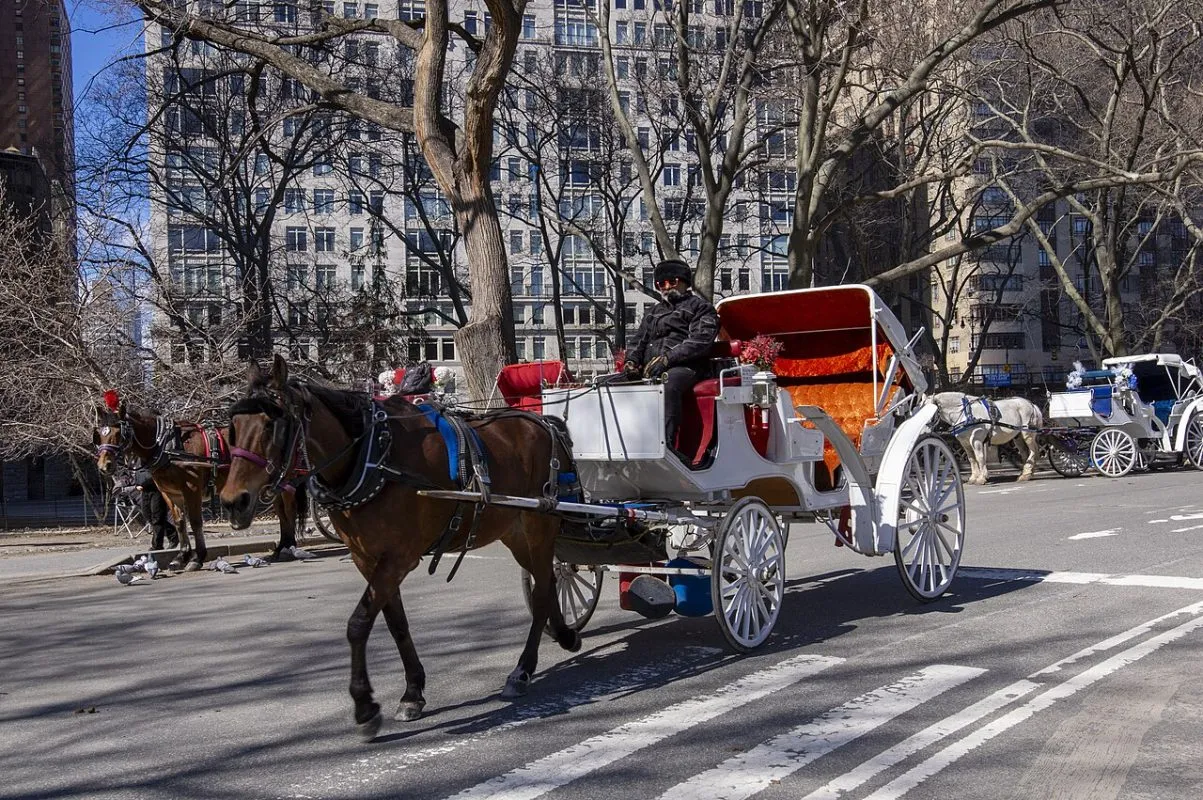
After more than 165 years of operating as a quintessential element of the Manhattan tourism landscape, New York City’s horse-drawn carriage industry is officially facing its final chapter. In a landmark legislative move, the New York City Council passed a bill on Thursday mandating the complete phase-out of the horse-drawn cab industry by mid-2028. The decision concludes decades of fierce debate between animal rights advocates, industry operators, and tourism officials over the ethics and safety of utilizing draft horses in a densely populated, modern metropolis.
The legislation sets forth a multi-year transition timeline designed to wind down operations, address the livelihood of licensed drivers and stable owners, and ultimately transition Central Park toward humane, modern alternatives. While supporters of the tradition mourn the loss of what they describe as living folklore, proponents of the ban view the vote as a long-overdue victory for animal welfare and public safety.
The Evolution and Cultural Legacy of Central Park Carriages
To understand the magnitude of the City Council’s vote, one must examine the deep historical roots of the industry. Horse-drawn carriages have been a staple of New York City transportation and leisure since the mid-19th century, predating the modern automobile and even the paving of many Manhattan streets. When Central Park officially opened to the public in the late 1850s, carriages were the primary mode of recreation for affluent New Yorkers seeking respite from the bustling industrial city.
Over the decades, as cars, buses, and taxis came to dominate the urban grid, the function of the carriage shifted entirely from public transit to a leisure-oriented tourism product. For generations, a clip-clop ride through the scenic arches, pathways, and grand plazas of Central Park was marketed globally as one of the ultimate romantic and nostalgic New York experiences.
Industry representatives and long-serving workers have consistently emphasized this cultural footprint. During a City Council hearing earlier this year, Conor McHugh, a veteran carriage driver and stable manager, passionately defended the vocation. “People from all over the world know about us and travel to New York to come for a carriage ride in the park. A ride in the park is folklore,” McHugh stated, encapsulating the sentiment of those whose families and livelihoods have depended on the trade for decades.
Decades of Controversy and the Turning Point of 2025
Despite its nostalgic appeal, the industry has spent the better of the last four decades under intense public scrutiny. Animal welfare organizations, including the Transport Workers Union (which represents some workers, though others fought the ban), NYCLASS (New York City Citizens for Lobbying Against Sanctuary Spca), and the ASPCA, have repeatedly documented instances of horses collapsing from exhaustion, exhibiting signs of distress, or becoming spooked by heavy urban traffic, construction noises, and sirens.
Critics have long argued that Midtown Manhattan’s congested asphalt streets are no place for large draft animals. Over the years, numerous accidents have made headlines, ranging from minor collisions with taxicabs to dramatic incidents where frightened horses bolted through traffic, risking the lives of both pedestrians and passengers.
While these recurring incidents sustained a low-burn political battle for years, the momentum toward an outright ban shifted decisively following a tragic event earlier this year. In June, a teenage tourist from India, Romanch Mahajan, sustained fatal injuries in an incident involving a runaway carriage horse in Central Park. The tragedy galvanized public outrage, thrusting the safety and regulatory oversight of the industry back into the center of city politics. The incident provided the political catalyst needed for lawmakers to bypass incremental reform proposals—such as mandatory retirement ages or expanded pasture time—and pursue an absolute legislative ban.
Legislative Details and the 2028 Phase-Out Timeline
The bill approved by the City Council establishes a structured regulatory pathway to extinguish carriage licenses over the next few years, culminating in a total ban by mid-2028. This phased approach is intended to give the city, the Department of Transportation, and industry workers time to adjust.
Under the provisions of the legislation:
- Immediate regulatory tightening will occur, increasing veterinary oversight, reducing working hours during extreme weather conditions (such as heat waves and severe cold snaps), and limiting the operational footprint around congested tourist zones.
- License renewals for existing carriage medallions will be systematically restricted, preventing any transfer or expansion of the fleet.
- Financial assistance and transition programs are expected to be explored for displaced workers, though specific details regarding buyouts for stable owners and retraining programs for drivers remain points of ongoing negotiation.
- By June 2028, all remaining licenses will expire, officially making the operation of horse-drawn carriages illegal within city limits.
Economic and Tourism Implications
The elimination of Central Park’s horse-drawn carriages raises significant questions regarding the future of Manhattan’s tourism economy. Tourism boards estimate that hundreds of thousands of domestic and international visitors purchase carriage rides annually, contributing significantly to the local economy surrounding the southern perimeter of the park, including surrounding hotels, restaurants, and souvenir vendors.
However, urban planners and tourism analysts note that New York City has successfully reinvented its tourism products in the past. Proponents of the ban have long advocated for the introduction of electric vintage-style replica cars—often referred to as "e-carriages"—as a cruelty-free substitute. Several design firms have already pitched modern, battery-powered vehicles that mimic the aesthetic charm of 19th-century carriages without the environmental and ethical complications of live animals.
Economists studying the shift suggest that while the initial transition may cause friction for localized businesses, the overall volume of Central Park tourism is unlikely to suffer long-term damage. Visitors seeking romantic or leisurely tours of the park are expected to pivot seamlessly toward pedicabs, walking tours, bicycle rentals, and eventually, approved electric carriage alternatives.
Reactions from Stakeholders and Advocacy Groups
The vote has triggered sharp divisions among stakeholders across the city. Animal rights organizations have hailed the decision as a historic milestone for ethical tourism.
“Passing this law proves not simply that we are committed to modernizing our city, but that we refuse to normalize the exploitation of animals for entertainment in the 21st century,” said an executive representative from a prominent New York animal advocacy coalition following the vote. “For decades, these majestic animals have been subjected to dangerous traffic conditions, extreme weather, and unnatural urban environments. Today, New York has chosen compassion.”
Conversely, representatives for the carriage drivers and stable owners have expressed profound disappointment, characterizing the ban as an assault on working-class traditions and a bowing to political pressure at the expense of livelihoods. Many drivers argue that modern stables are heavily regulated by the ASPCA and the Department of Health, and that the horses receive attentive, specialized care that exceeds the standards applied to many household pets.
Furthermore, debate persists regarding what will happen to the horses themselves once the industry is completely phased out. Animal welfare groups have pledged to work alongside sanctuaries across the tri-state area to ensure that all operational draft horses are successfully rehabilitated and rehomed in spacious pastures, though industry workers have previously voiced skepticism regarding the logistics and funding required to care for hundreds of large draft animals in retirement.
Broader Industry Trends and Global Precedents
New York City’s decision mirrors a broader global movement away from animal-based urban tourism. In recent years, several major international cities have restricted or completely banned horse-drawn carriages due to animal welfare concerns and modern traffic management priorities.
Cities such as Montreal, Canada, banned horse-drawn carriages in 2020 following similar public safety concerns and pressure from animal rights advocates. Guadalajara, Mexico, replaced its traditional carriages with electric vehicles in 2017, and similar legislative pushes have gained traction in European tourist hubs like Rome and Vienna.
As urban centers increasingly prioritize pedestrianization, green energy, and animal rights, New York City’s transition away from the Central Park carriage trade aligns the metropolis with evolving global standards of ethical tourism.
Looking Ahead: The Final Years of an Era
As the countdown to mid-2028 begins, the final years of the Central Park horse-drawn carriage industry will undoubtedly be marked by legal challenges, transitional adjustments, and emotional farewells from visitors and operators alike.
For nearly two centuries, the steady beat of hooves against the pavement has served as an acoustic backdrop to the urban romance of New York City. While that sound is destined to fade into the history books, the fierce debate surrounding its departure underscores the complex balance between preserving historical nostalgia and adapting to modern ethical imperatives in one of the world’s most dynamic cities.




 Gabriela Annisa

 Lukman Taruna Persada Ramadan

 Anjar Salim

 Dwi Wanna
