
 Cholid Fahmi Thalib
In an era dominated by contactless payments, mobile wallets, and algorithmic financial tracking, a resilient subsector of New York’s legendary culinary landscape remains strictly loyal to physical currency. From century-old red-sauce institutions in Manhattan and Brooklyn to neighborhood staples nestled deep within Queens and Long Island, a select group of Italian restaurants actively rejects plastic. This conscious decision to operate on a cash-only model—and in one notable instance, to accept personal checks—serves as more than a nostalgic nod to the past. It reflects a deliberate operational strategy deeply intertwined with the cultural preservation, financial independence, and operational ethos of independent hospitality operators across the state.
An Economic and Operational Analysis of the Cash-Only Model
The persistence of cash-only policies within the modern restaurant industry is frequently misunderstood as a mere eccentricity, but industry analysts and hospitality economists point to distinct financial and logistical realities. Credit card processing fees, which typically range from 1.5% to 3.5% per transaction, impose a substantial cumulative burden on independent dining establishments operating on razor-thin profit margins. For family-owned trattorias and pizzerias, bypassing these merchant fees preserves vital capital that can be reinvested into high-quality imported ingredients, equipment maintenance, and fair compensation for long-term staff.
Furthermore, cash-only operations mitigate the risk of chargebacks, reduce exposure to complex payment security compliance regulations, and provide immediate liquidity. While digital transactions take days to clear through clearinghouses, physical currency affords kitchen managers and owners immediate access to daily revenue streams. This financial autonomy has allowed multi-generational establishments to weather economic downturns, shifting consumer trends, and municipal regulatory changes without compromising their core culinary identities.
Historical Context and Chronological Evolution
The lineage of these cash-preferring institutions stretches across decades of New York history. The cultural timeline of this phenomenon is anchored by landmarks such as Rocky’s in Rochester, which has continuously served Italian home cooking since 1949. Established in an era long before automated teller machines or digital ledgers, Rocky’s laid a foundation of straightforward, community-oriented dining that prioritized generous portions and familial hospitality over technological integration.
As the decades progressed, the cash-only model evolved from an industry standard into a deliberate counter-culture statement. Restaurants established in the latter half of the 20th century—such as Don Peppe in South Ozone Park, which opened its doors as a bastion of Queens culinary excellence—maintained the tradition not out of an inability to adapt, but as a deliberate preservation of old-world dining customs. By the early 2000s, newer ventures like Lucali in Brooklyn and Lil’ Frankie’s in the East Village adopted the same fiscal constraint, transforming what was once a logistical necessity into a badge of authenticity that resonates strongly with contemporary diners seeking refuge from corporate dining chains.
Statewide Distribution and Notable Establishments
The geographic footprint of New York’s cash-centric Italian dining scene spans urban centers and suburban enclaves alike, offering patrons a diverse array of regional specialties, baking techniques, and architectural settings.
Rocky’s (Rochester, NY)
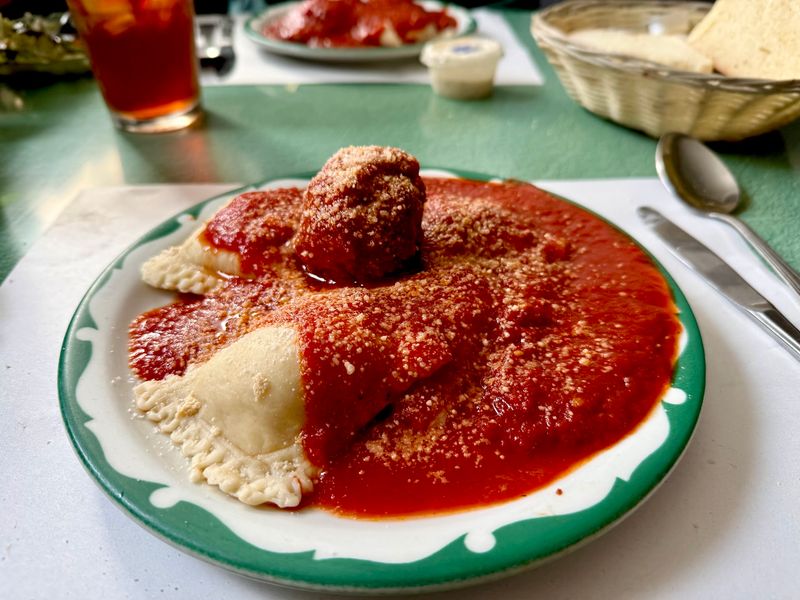
Operating out of Jay Street under the stewardship of the Mastrella family, Rocky’s remains a cornerstone of upstate Italian comfort food. Specializing in midday service, the restaurant is celebrated for its classic pasta dishes, red sauce, meatballs, and signature greens and beans. With limited operating hours—predominantly late morning through early afternoon, with a single Friday dinner window—the establishment relies on a loyal clientele who understand the rhythm of its kitchen. The provision of free parking and a welcoming family-style atmosphere reinforces its status as a community anchor.
Don Peppe (South Ozone Park, Queens)
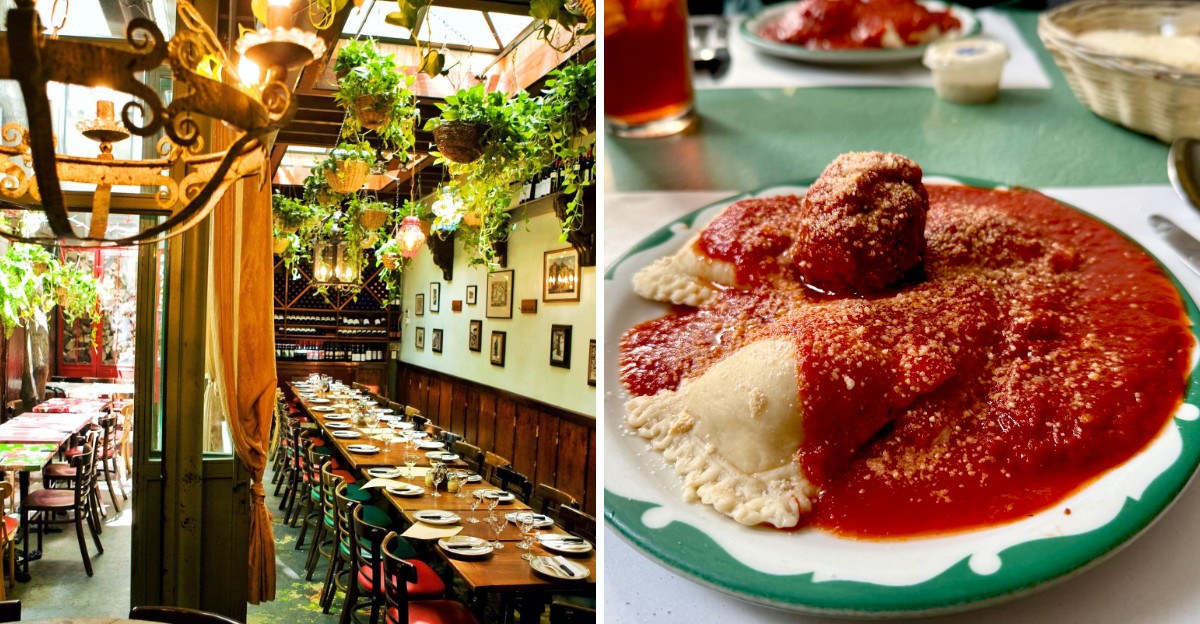
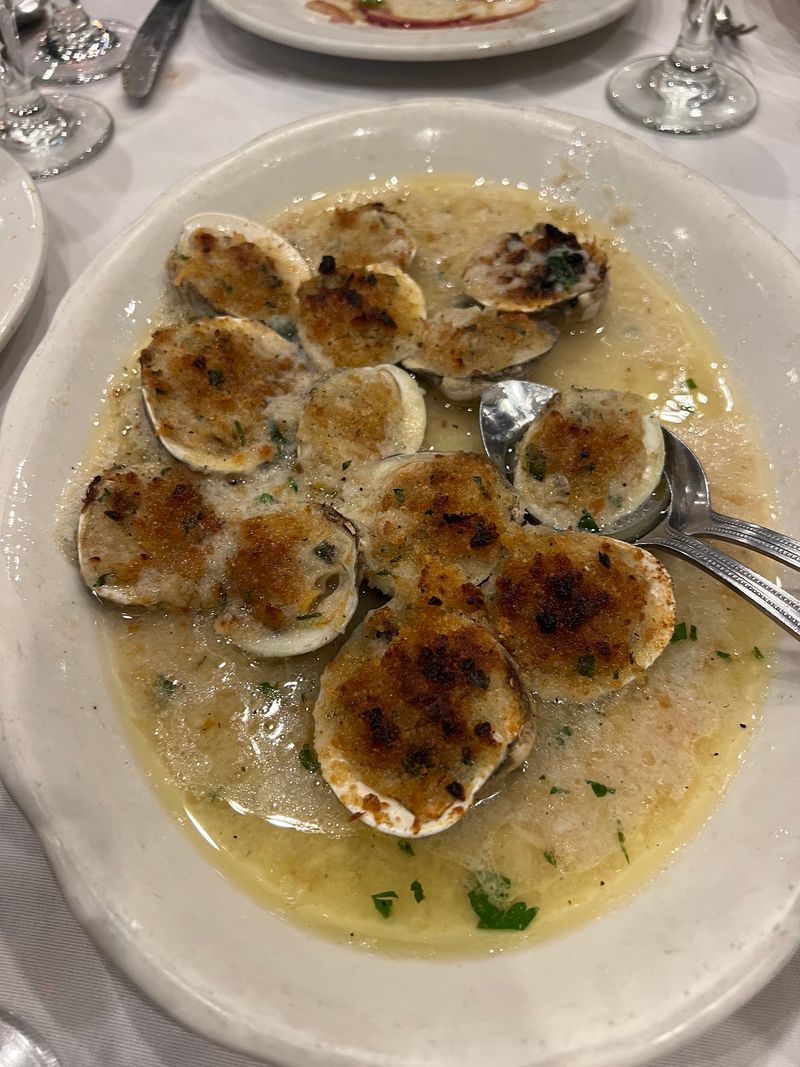
Situated on Lefferts Boulevard, Don Peppe is a legendary destination for classic red-sauce fare, most notably its celebrated linguini and clam sauce, baked clams, and veal scallopini. Operating without reservations and exclusively accepting cash, the restaurant generates consistent queues that underscore its enduring popularity. Its strict adherence to traditional service models ensures that the focus remains entirely on the plate, unaffected by the pressures of online delivery platforms.
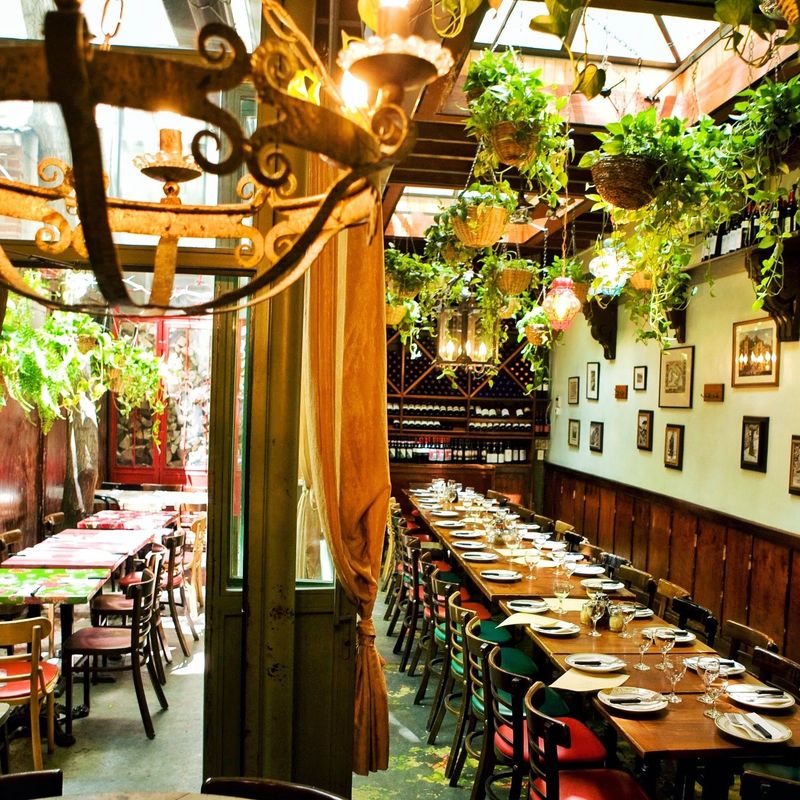
Lil’ Frankie’s (East Village, Manhattan)
Bridging the gap between traditional trattoria culture and modern urban nightlife, Lil’ Frankie’s delivers wood-fired pizzas, handmade pastas like spaghetti limone, and calzones well past midnight. While maintaining a cash-only policy, the establishment accommodates modern realities by providing an on-site ATM, alongside reservations, outdoor seating, and delivery options. This hybrid approach demonstrates how historic payment policies can successfully coexist with contemporary urban demands.
Lucali (Carroll Gardens, Brooklyn)
Perhaps the most famous cash-only pizzeria in the state, Lucali has spent roughly two decades under the direction of Mark Iacono cultivating an international reputation with a remarkably concise menu centered on large pies and calzones. The absence of traditional reservation systems—replaced instead by an in-person sign-up sheet managed by the host starting in the late afternoon—creates an intentional scarcity that elevates the dining experience. The strictly enforced cash policy requires patrons to plan ahead, reinforcing the ritualistic nature of securing a table in the intimate 30-seat dining room.
Supper (East Village, Manhattan)
Sharing ownership ties with Lil’ Frankie’s, Supper offers an open-kitchen concept that brings rustic Italian comfort food to the forefront. Dishes such as tagliatelle al ragu bolognese and wild mushroom pappardelle are served in an environment that honors traditional Italian hospitality. The establishment accommodates diverse schedules with extended hours, weekend brunch, and multiple dining formats, all while upholding the foundational cash-only rule.
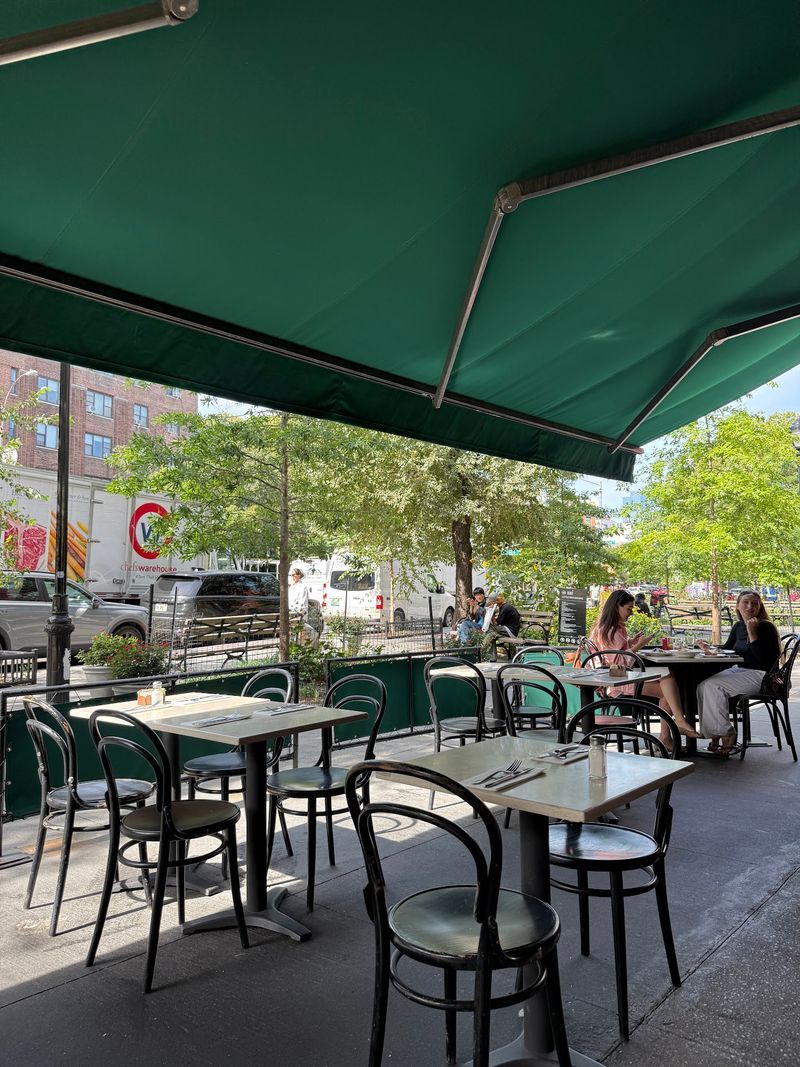
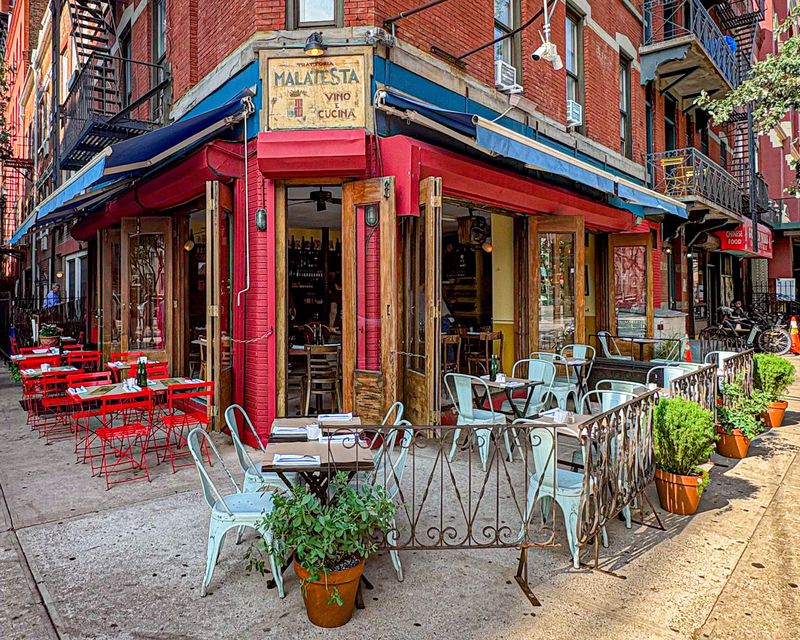
Malatesta Trattoria (West Village, Manhattan)
Located on Washington Street, Malatesta specializes in homemade pastas, including its notable spinach gnocchi served with gorgonzola sauce. The restaurant combines a relaxed neighborhood atmosphere with seasonal culinary rotations. By operating primarily during evening hours on weekdays and incorporating separate weekend lunch services, Malatesta anchors its identity in community-centric dining, reinforced by pet-friendly outdoor seating and a steadfast cash-only requirement.
The Trattoria (St James, Long Island)
Representing the suburban culinary landscape, The Trattoria in St James offers a seasonally shifting menu of rustic Italian dishes, ranging from lasagna bolognese to baked little neck clams. Requiring advance reservations and operating on a cash-only basis, the restaurant provides a deliberate, unhurried dining experience. Its location on North Country Road, supported by ample parking, serves as a prime destination for Long Island residents seeking uncompromised traditional fare.
Villa Milano (Manhasset, Long Island)
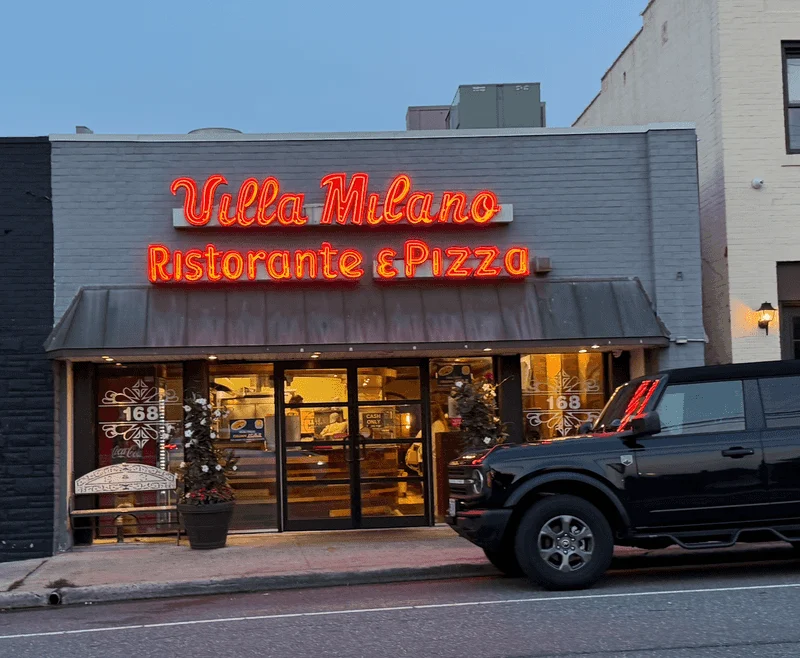
Balancing classic Italian staples with innovative offerings like Caesar salad pizza, Villa Milano on Plandome Road caters to families and neighborhood diners alike. The establishment provides both counter and table service, alongside takeout and delivery options, while retaining its cash requirement supported by an on-site ATM. This operational flexibility allows the restaurant to serve a high-volume clientele without altering its core financial structure.
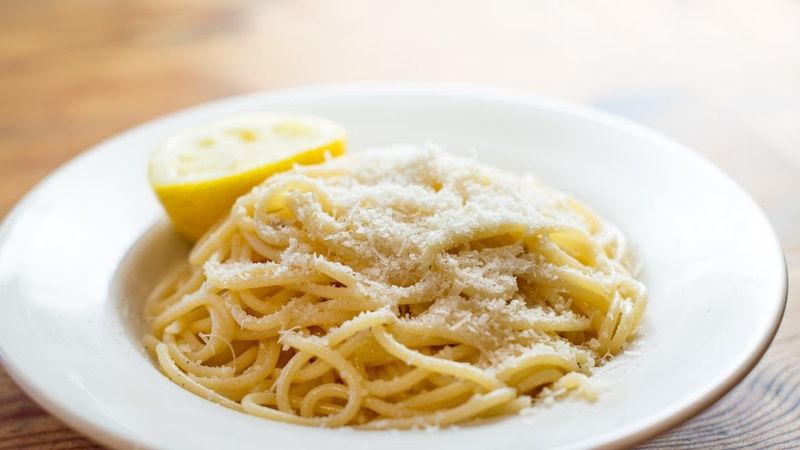
Orto (Miller Place, Long Island)
Housed within a historic 19th-century structure, Orto merges modern Italian gastronomy with historic architectural preservation. Offering dishes such as rigatoni with pork shoulder ragu alongside a seasonally driven menu, the restaurant maintains a uniquely traditional payment policy: it accepts cash and personal checks, but strictly declines credit cards. This adherence to physical and paper currency mirrors the historical integrity of the building itself, offering patrons a rare synthesis of past and present.
Consumer Implications and Best Practices for Diners
The persistence of cash-only dining requires a shift in consumer habits for patrons accustomed to the frictionless convenience of digital banking. For diners navigating New York’s premier cash-only Italian establishments, advanced preparation is essential. Key logistical considerations include:
- Financial Preparation: Verifying the cash-only policy prior to arrival and securing adequate currency—including a buffer for tax, gratuity, and potential additional orders—prevents awkward settling procedures at the conclusion of the meal.
- Schedule Verification: Many of these establishments operate on specialized hours, seasonal closures, or restricted midday and evening windows. Consulting official channels or contacting the restaurant directly avoids wasted journeys.
- Reservation Protocols: Given that several of these venues do not utilize digital booking platforms—relying instead on in-person sign-up sheets or mandatory advance phone reservations—planning must often begin hours or even days ahead of the desired seating time.
- Alternative Payment Contingencies: While some locations provide on-site ATMs, relying on external banking infrastructure before arrival ensures a seamless dining experience.
Broader Impact on the Culinary Landscape
The enduring success of these nine institutions underscores a powerful consumer appetite for authenticity, culinary integrity, and human connection in an increasingly automated world. By refusing to conform to the pressures of modern payment digitization, these restaurants have preserved an essential element of New York’s cultural heritage. They demonstrate that quality, consistency, and a commitment to craft remain the ultimate currencies in the competitive arena of New York gastronomy, ensuring that the humble stack of paper bills will retain its vital role at the dinner table for generations to come.

 Diana Nuri Rohmawati

 Gabriela Annisa

 Lukman Taruna Persada Ramadan

 Tatiana Tantri Indah Sari

 Anjar Salim

