
 Walid Sujud Trenggono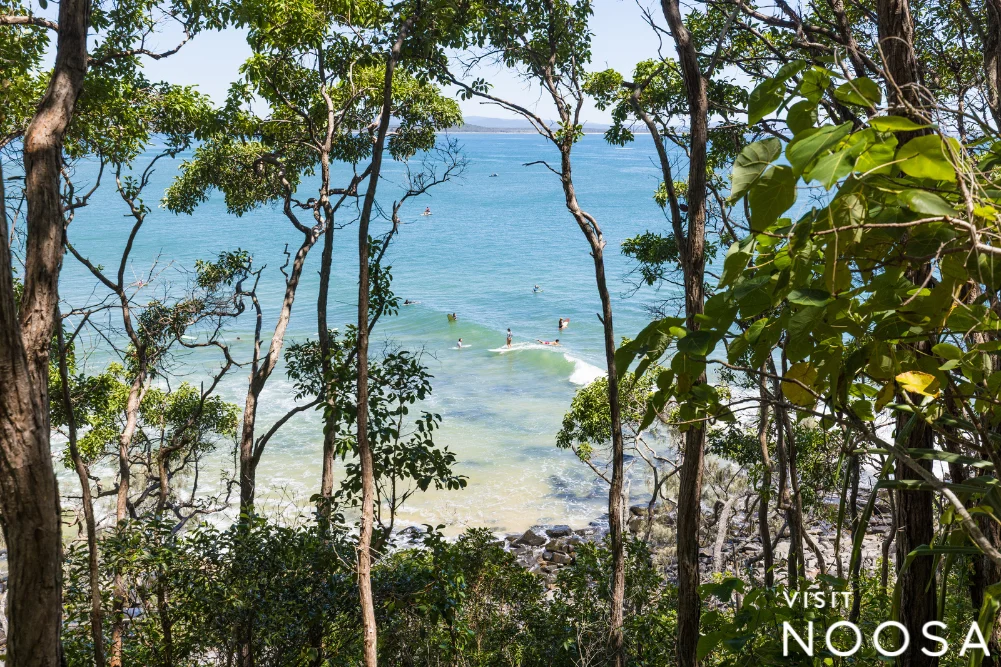
The Sunshine Coast region of Noosa has officially launched its comprehensive "Winter Reset" campaign for 2026, marking a strategic shift toward high-value, low-impact tourism during the traditional off-peak season. As the subtropical region enters its most temperate period, local authorities and tourism stakeholders are positioning the destination as a sanctuary for domestic and international travelers seeking a slower pace of life. Unlike many coastal hubs that experience a significant downturn during the cooler months, Noosa’s winter profile is built upon a stable climate, with average daytime temperatures maintaining a consistent 20 degrees Celsius, coupled with a deliberate lack of high-rise development and commercial chain saturation.
This seasonal strategy is underpinned by Noosa’s status as a UNESCO Biosphere Reserve, a designation that dictates much of the region’s urban planning and environmental management. By focusing on the "winter reset" concept, Tourism Noosa aims to capitalize on the growing global trend of wellness tourism and "slow travel," where visitors prioritize ecological connection and culinary depth over high-octane entertainment.
The Evolution of Noosa’s Sustainable Tourism Model
The current landscape of Noosa is the result of decades of stringent local planning and community-led conservation efforts. In the late 20th century, while other parts of the Queensland coastline embraced high-density residential and commercial towers, Noosa residents and council members opted for a different trajectory. This historical resistance to high-rise development has preserved the "village feel" of Hastings Street and the surrounding precincts, which remains a primary draw for the 2026 winter season.
The UNESCO Biosphere Reserve status, granted in 2007, encompasses approximately 150,000 hectares of land and sea. This designation recognizes the region’s success in balancing the conservation of biodiversity with sustainable human use. For the 2026 season, this translates into a tourism offering that emphasizes the Noosa National Park, the Noosa River system, and the hinterland—areas where human activity is strictly regulated to ensure the longevity of the local flora and fauna.
Infrastructure and Accommodation: A Tiered Hospitality Approach
The 2026 winter campaign highlights a diverse range of accommodation options designed to cater to various demographic segments, from luxury seekers to multi-generational families. At the forefront of the premium sector is Netanya Noosa Resort, located on Hastings Street. The resort’s beachfront apartments provide direct access to Noosa Main Beach, catering to a market that values proximity to the Coral Sea. This "sand-to-surf" accessibility is a cornerstone of Noosa’s luxury appeal.
Complementing this are other high-end establishments such as Fairshore Noosa and No. 1 Hastings Street, which maintain high occupancy rates during the winter months due to their central location. For the family demographic, the 2026 strategy emphasizes the "practical luxury" found at RACV Noosa Resort and Peppers Noosa Resort. These larger-scale operations provide the necessary infrastructure for longer stays, including multi-bedroom villas and on-site amenities that reduce the need for external travel.
A notable trend for the 2026 season is the rise of "bespoke boutique" stays. Providers such as Noosa Secret Destinations and Stay Noosa have reported increased interest in private, managed residences that offer a more secluded experience than traditional hotels. This shift reflects a broader post-pandemic preference for private spaces and curated itineraries.
Wellness and the "Slow Travel" Economic Driver
Central to the "Winter Reset" is the wellness sector, which has become a significant economic driver for the Sunshine Coast. The Noosa Springs Spa serves as a primary example of this infrastructure, offering immersive experiences like its signature Hydromassage pool. Industry data suggests that wellness tourists spend an average of 130% more than the typical domestic traveler, making this a lucrative focus for the region’s winter economy.
The spa and wellness offerings are not merely ancillary services but are marketed as essential components of the Noosa experience. By integrating thermal pools, massage therapy, and serenity-focused packages, Noosa is successfully competing with international wellness destinations in Southeast Asia and Europe, particularly for the Australian domestic market looking for a shorter-haul escape.
Nature-Based Activities and Environmental Stewardship
Noosa’s winter appeal is heavily reliant on its outdoor assets. The Noosa National Park remains one of the most visited parks in Queensland, featuring coastal trails that offer whale watching opportunities during the winter migration period. The 2026 campaign also highlights the diversification of nature-based activities:
- Cycling: Bike On Noosa has expanded its operations to include routes that span from gentle coastal paths to challenging hinterland elevations, catering to the growing "mamil" (middle-aged men in lycra) and active family demographics.
- Waterways: The Noosa River is being promoted as a "silent" alternative to the surf. Operators like By Earth and Ocean focus on kayaking, emphasizing the calm, wide waterways that exist just minutes from the commercial hub.
- Novelty and Education: Aquaduck Sunshine Coast continues to provide amphibious tours, which serve as an entry point for visitors to understand the coastal geography from a different perspective.
These activities are governed by strict environmental guidelines. For instance, commercial operators on the Noosa River must adhere to noise and speed restrictions to protect the riverbanks and local bird populations, reinforcing the region’s commitment to its Biosphere status.
The Culinary Landscape: A Fusion of Local Produce and Global Influence
Noosa’s dining scene has evolved into a sophisticated ecosystem that supports local agriculture while attracting world-class culinary talent. The 2026 winter season sees a focus on "long lunch" culture, where the mild weather allows for extended outdoor dining.
Establishments like Bandita Cantina Latina have introduced diverse international flavors to the region, while staples such as Lucio’s Marina and Rickys River Bar and Restaurant continue to utilize their waterside locations to offer a quintessential Noosa dining experience. The "Hinterland to Headland" philosophy is evident in menus across the region, with restaurants like Sabrosa Dim Sum House and Mariella Mexicantina sourcing ingredients from the nearby Noosa Biosphere farming country.
This integration of the hinterland into the coastal dining scene is a deliberate move to spread the economic benefits of tourism further inland. The village bakeries and organic farms of the Noosa Hinterland are now integral parts of the "Noosa brand," providing a rustic counterpoint to the glamour of Hastings Street.
Economic Analysis and Broader Implications
Tourism is the lifeblood of the Noosa economy, contributing an estimated $1.5 billion annually to the regional gross product. The "Winter Reset 2026" campaign is designed to stabilize this income year-round. Historically, tourism-dependent towns suffer from "seasonal volatility," where businesses struggle to maintain staff and operations during the winter months. By rebranding winter as the "most beautiful season" and focusing on the 20-degree climate, Noosa has successfully mitigated this volatility.
Data from previous years indicates that the winter period now accounts for nearly 25% of total annual visitation, a significant increase from a decade ago. This growth is managed through a "value over volume" approach. Rather than seeking to increase the total number of visitors—which would put undue pressure on the environment and infrastructure—the goal is to attract visitors who stay longer and engage more deeply with the local economy.
Official Responses and Strategic Outlook
Representatives from Tourism Noosa have emphasized that the 2026 campaign is about "alignment with nature." In a recent briefing, stakeholders noted that the "Reset" concept is not just a marketing slogan but a management philosophy. The focus is on ensuring that the visitor experience does not degrade the very environment that attracts them.
"The 2026 winter offers are designed to showcase Noosa in its full glory—unhurried, golden-lit, and ecologically vibrant," a spokesperson for the tourism body stated. "Whether it is a long weekend built around the thermal pools or a deep dive into the hinterland’s farming country, the goal is to provide a high-quality experience that respects our UNESCO Biosphere boundaries."
As Noosa moves forward, the challenges of climate change and over-tourism remain on the horizon. However, the 2026 Winter Reset provides a blueprint for how a destination can leverage its natural assets and strict planning laws to create a sustainable, high-end tourism product. By prioritizing the "natural rhythm" of the region, Noosa continues to set a standard for coastal destinations globally, proving that environmental conservation and economic prosperity are not mutually exclusive.



 Chandra Hamzah
 Tatiana Tantri Indah Sari
 Budi Mulyono
 Anjar Salim

