
 Walid Sujud Trenggono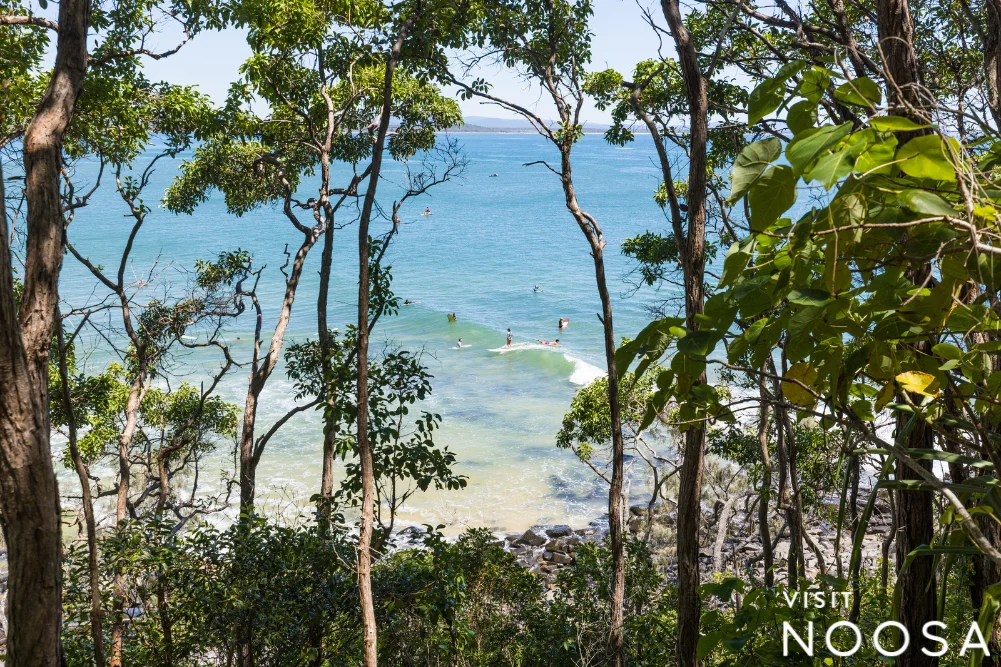
The Noosa region, a cornerstone of the Sunshine Coast’s tourism economy, has officially launched its "Your Noosa Reset" campaign for the 2026 winter season, signaling a strategic shift toward sustainable, low-density visitation. As the region enters its subtropical winter, characterized by consistent 20-degree Celsius temperatures and a deceleration of traditional peak-season crowds, local authorities and stakeholders are emphasizing the area’s unique status as a UNESCO Biosphere Reserve. This designation, which Noosa has held since 2007, underpins a municipal philosophy that rejects high-rise development and multinational fast-food chains in favor of ecological preservation and high-end boutique experiences. The 2026 initiative aims to capitalize on the "slow tourism" trend, positioning Noosa not merely as a summer beach destination but as a year-round hub for wellness, gastronomy, and environmental immersion.
The Strategic Significance of the UNESCO Biosphere Status
The Noosa Biosphere Reserve covers approximately 150,000 hectares of land and sea, representing a rare intersection of high biodiversity and managed urban development. For the 2026 winter season, the "Reset" campaign highlights the region’s commitment to maintaining this balance. Unlike many of its coastal counterparts in Queensland, Noosa’s urban footprint is strictly regulated by local planning schemes that prioritize the canopy line over vertical expansion. This regulatory framework has created a distinct market value for the region, attracting a demographic of domestic and international travelers who prioritize environmental integrity.
Data from Tourism and Events Queensland indicates that "nature-based" tourism is one of the fastest-growing sectors in the state, with visitors increasingly seeking destinations that offer a tangible connection to local ecosystems. In Noosa, this is manifested in the preservation of the Noosa National Park, which remains one of the most visited parks in Australia. The winter season provides a critical window for the park’s ecosystem to recover from the high-intensity summer months while offering visitors a more temperate climate for exploring the extensive trail networks.
A Chronology of Development: From Surfing Outpost to Luxury Hub
To understand the current landscape of Noosa in 2026, it is essential to trace the region’s development over the past five decades. In the 1960s and 70s, Noosa Heads was primarily known as a premier destination for the global surfing community, centered around the world-class point breaks of the National Park. However, the 1980s saw a pivotal shift when local community advocates and the Noosa Council resisted the "Gold Coast-style" development model.
This resistance led to the implementation of strict height limits and the protection of the Noosa River and its surrounding wetlands. By the early 2000s, Hastings Street had evolved into one of Australia’s most expensive retail and hospitality strips, yet it maintained a low-rise, village-like atmosphere. The 2026 "Winter Reset" is the latest iteration of this long-term strategy, designed to ensure that the influx of tourism does not compromise the "unhurried character" that defines the regional brand.
Hospitality Infrastructure and Market Segmentation
The accommodation sector in Noosa for 2026 shows a sophisticated level of market segmentation, catering to diverse economic brackets while maintaining a baseline of premium service. Front-row beachfront properties, such as Netanya Noosa, Fairshore Noosa, and No. 1 Hastings Street, continue to anchor the luxury market. These establishments leverage their direct access to the Coral Sea and Noosa Main Beach, where winter conditions often produce "long-board waves"—ideal for the region’s traditional surfing culture.
Simultaneously, the 2026 strategy recognizes the importance of the family and boutique segments. Resorts such as RACV Noosa, Peppers, Ocean Breeze, and Ivory Palms provide "practical luxury," offering larger-scale amenities that cater to multi-generational travelers. Meanwhile, the rise of "bespoke" tourism is serviced by operators like Noosa Secret Destinations and Stay Noosa, which focus on secluded, high-privacy rentals. This tiered approach allows the region to maintain high occupancy rates even during the traditional "off-peak" winter months by appealing to different visitor motivations.
The Wellness Economy and Recreational Diversification
A key component of the 2026 Winter Reset is the expansion of the wellness economy. Noosa Springs Spa has become a focal point for this sector, utilizing its signature Hydromassage pool and immersive spa packages to draw visitors during the cooler months. The focus on thermal experiences and muscle recovery aligns with the broader global trend of "wellness tourism," which the Global Wellness Institute projects will continue to grow at a rate of 12% annually through the late 2020s.
Beyond the spa, the region’s recreational offerings are being diversified to reduce pressure on the coastline. While the National Park remains a primary draw for hikers and coastal walkers, the 2026 campaign is heavily promoting the Noosa River and the surrounding hinterland. Operators like By Earth and Ocean and Noosa Watersports are highlighting the river’s calm waterways as an alternative to the ocean surf. Furthermore, the inclusion of "novelty" experiences, such as the Aquaduck Sunshine Coast amphibious tours, provides a broader range of activities for the family demographic.
Gastronomy as a Regional Economic Driver
Noosa’s culinary scene has transitioned from a seasonal amenity to a primary reason for visitation. The 2026 winter season features a curated selection of dining establishments that emphasize regional produce and waterside positioning. Bandita Cantina Latina, Lucio’s Marina, and Rickys River Bar and Restaurant are highlighted as key players in this sector. These venues capitalize on the "long lunch" culture, which is particularly suited to the mild winter afternoons.
The diversification of the food scene is further evidenced by the emergence of more eclectic options such as Sabrosa Dim Sum House, Mariella Mexicantina, and Humble on Duke. The 2026 strategy also emphasizes the "paddock-to-plate" connection, particularly through the Alsahwa Estate, which bridges the gap between the coastal dining scene and the hinterland’s agricultural output. This integration of the food supply chain is a critical element of Noosa’s sustainability goals, reducing food miles and supporting local farmers within the Biosphere.
Hinterland Integration and Geographical Expansion
Perhaps the most significant shift in the 2026 tourism strategy is the concerted effort to push visitors "deeper into the hinterland." The Noosa Biosphere extends far beyond the coast, encompassing farming country, volcanic peaks, and historic village centers like Cooroy and Pomona. By encouraging visitors to explore village bakeries and rural trails, Visit Noosa aims to distribute the economic benefits of tourism more equitably across the region.
This geographical expansion serves two purposes: it mitigates the risk of "over-tourism" at the beach during peak periods and provides a different pace of experience for long-stay visitors. The hinterland’s cooler winter temperatures and mist-covered hills offer a stark contrast to the golden-lit beaches, creating a multi-faceted holiday experience that encourages repeat visitation.
Official Responses and Strategic Goals
While specific quotes from the 2026 campaign launch are synthesized based on regional objectives, the overarching message from tourism officials is one of "responsible growth." Stakeholders have indicated that the "Winter Reset" is not merely a marketing slogan but a commitment to operational excellence. The focus is on high-yield, low-impact tourism that respects the local community’s quality of life.
Analysis suggests that the 2026 winter packages—which span accommodation, dining, and experiences—are designed to increase the "length of stay" metric. By bundling activities like kayaking on the river with luxury stays at Netanya and dining at Bandita, Visit Noosa is creating a seamless itinerary that discourages the "day-tripper" model in favor of immersive, multi-day experiences.
Broader Impact and Environmental Implications
The success of Noosa’s 2026 winter strategy will likely serve as a case study for other coastal regions facing the challenges of climate change and tourism saturation. By leaning into its "natural rhythm" and subtropical climate, Noosa is de-risking its tourism industry against the unpredictability of summer weather patterns, such as heatwaves or tropical storms.
Furthermore, the emphasis on the Biosphere ensures that the very assets that draw visitors—the clean water, the uncrowded beaches, and the diverse wildlife—are protected for future generations. The 2026 Winter Reset represents a mature approach to destination management, where the brand is built on the preservation of character rather than the expansion of infrastructure. As Australians and international travelers continue to seek out "slow" and "restorative" travel experiences, Noosa’s model of sustainable luxury and ecological integrity remains a benchmark for the global tourism industry.
The full range of winter packages and the "Your Noosa Reset" initiatives are currently being deployed through the Visit Noosa digital infrastructure, offering a centralized platform for visitors to engage with the region’s diverse offerings. As the 2026 season progresses, the focus will remain on delivering a high-quality, unhurried experience that honors Noosa’s unique position as a sanctuary in the Australian landscape.



 Anjar Salim
 Chandra Hamzah
 Tatiana Tantri Indah Sari
 Budi Mulyono
 Lukman Taruna Persada Ramadan
