
 Chandra Hamzah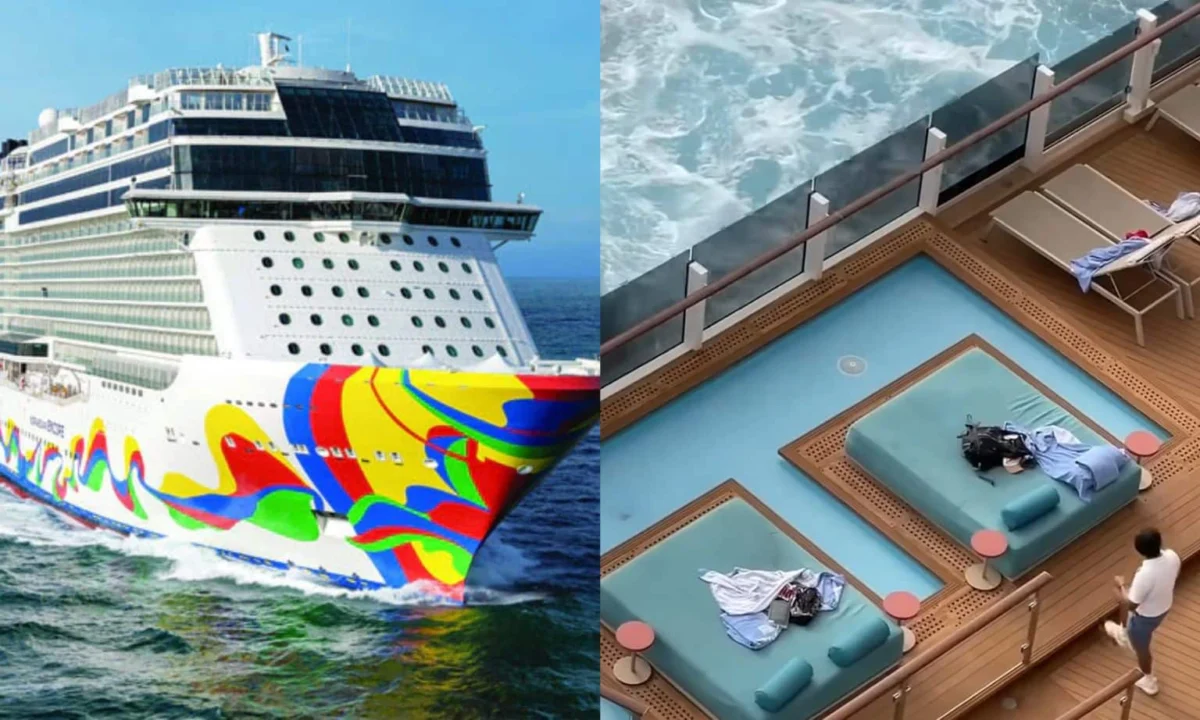
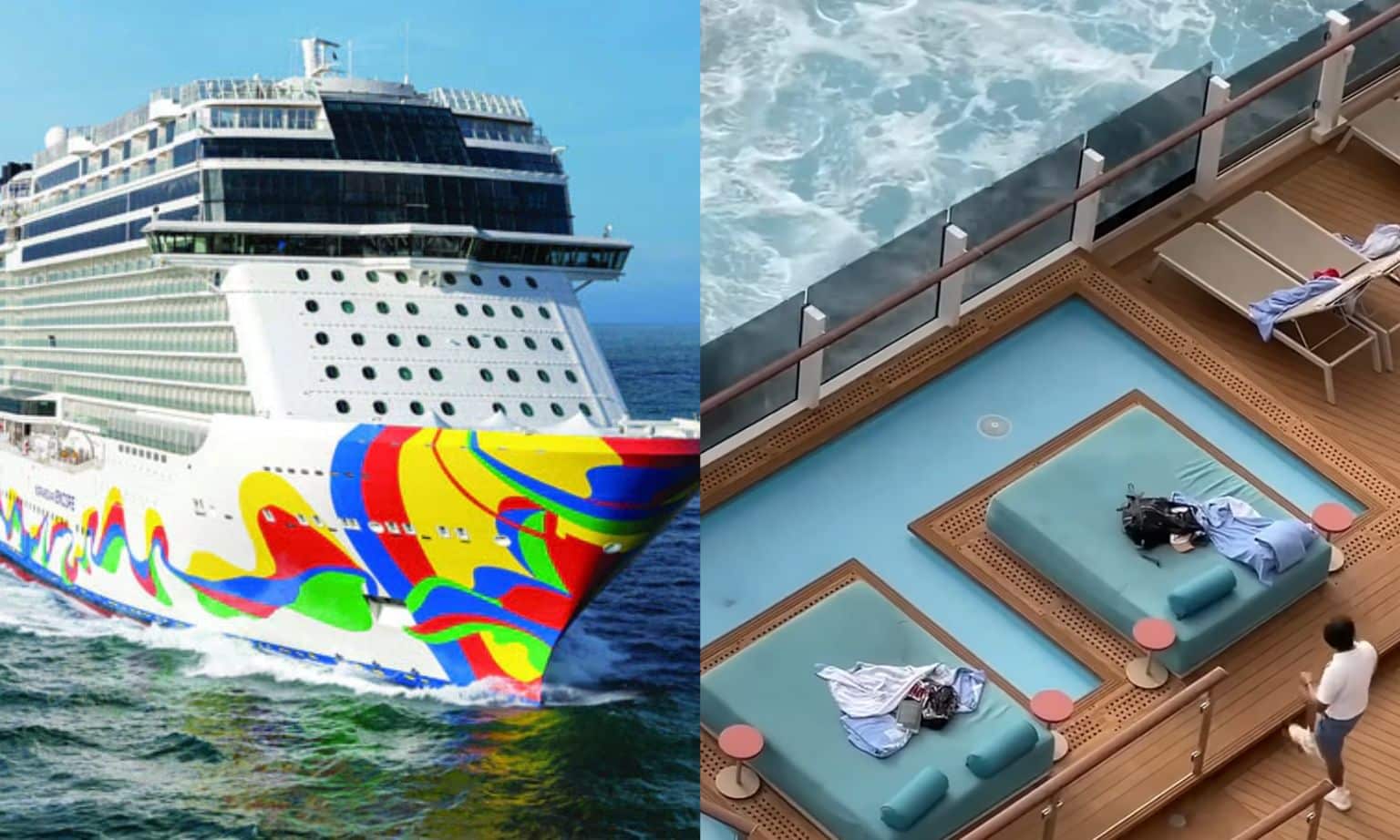
Norwegian Cruise Line (NCL) has implemented a new strategy to address the long-standing issue of sunbed hogging on its vessels, a move that has been met with significant praise from passengers. The cruise line’s approach involves crew members placing timestamped stickers on unoccupied sunbeds that have been reserved by guests. If a sunbed remains vacant for a predetermined period, the crew will remove the personal belongings from the chair, thereby freeing it up for other passengers. This proactive measure aims to ensure equitable access to prime seating areas, particularly on busy sea days and at popular onboard locations.
The practice, which has been observed and shared on social media platforms, has generated considerable discussion among cruise enthusiasts. Videos circulating online depict NCL crew members diligently moving from one sunbed to another, affixing these distinctive stickers. This visual evidence underscores the cruise line’s commitment to enforcing its policy and tackling a common point of contention among vacationers. While many cruise lines have policies regarding the duration for which chairs can be left unattended, NCL’s tangible, timestamped sticker system appears to be a more visibly enforced and effective deterrent.
Evolution of NCL’s Sunbed Policy
While the current timestamped sticker system represents a more robust enforcement, it is important to note that NCL has had a policy in place regarding unattended loungers for some time. Previously, these stickers served primarily as a notification, indicating that a chair had been unoccupied for over 30 minutes and that guests should not reserve them for extended periods without use. However, recent observations suggest a heightened level of vigilance from NCL staff. The current iteration of the policy appears to involve more direct action, with crew members actively removing items if the chairs remain unoccupied for a specified duration.
The exact time limit for a sunbed to be considered unoccupied can vary, influenced by factors such as the specific ship, the overall occupancy levels, and the time of day. However, reports indicate that NCL staff will typically remove personal items if a chair remains vacant for between 30 to 60 minutes. This flexibility allows the cruise line to adapt its enforcement to prevailing conditions, ensuring that the policy remains effective even during peak periods.
Passenger Reactions and Observations
The implementation of this new policy has resonated positively with many passengers who have experienced the frustration of not being able to find available seating. On Instagram, the user "unrealcruises" shared observations from the Norwegian Viva, noting that crew members began placing stickers on reserved chairs as early as 10 am. Their report highlighted that if chairs remained unoccupied an hour later, the crew would clear the items, allowing other guests to utilize the space. This proactive approach has been met with "overwhelmingly positive reactions" from cruisers.
Further anecdotal evidence supporting the effectiveness and passenger satisfaction with the policy comes from various online forums and social media platforms. A Reddit user, "Sufficiente-Number-50," expressed strong support for the rule, stating, "Me personally, I am all for this rule. It’s extremely inconsiderate to hog a chair/lounger all day long, with the intention of actually using it for a fraction of that time. If everyone used the chairs/loungers ONLY when they actually used them, and left them alone while not in use, we wouldn’t have a chair/lounger shortage problem." This sentiment reflects a common perspective among cruise passengers who believe that fair usage of shared amenities is crucial for a pleasant vacation experience.
Another Reddit user, "Slayerfan6793," confirmed witnessing the enforcement of the policy. "The last ship I was on in April, they put time stickers on the end of the lounger. I did see them clear off a few loungers." Similarly, user "tannergd1" recounted their experience on the Norwegian Prima in April, where crew members monitored chairs with personal items but no occupants. These chairs were marked with an orange sticker and the time. After approximately 30 minutes, if no one returned, the crew would collect the items to make the chairs available.
Challenges and Nuances in Enforcement
Despite the overwhelmingly positive reception, some passengers have pointed out that challenges in consistent enforcement can still arise. User "stinky_harriet" acknowledged the existence of the policy but noted that "there are still chair hogs" and that "it takes crew members to do it and they stretch their crew thin so it doesn’t always happen." This observation highlights a potential operational constraint, where the effectiveness of the policy might be dependent on the availability and deployment of crew resources. The sheer scale of cruise ships and the number of available loungers mean that comprehensive and constant monitoring can be demanding.
Another user shared their experience with a different cruise line, Carnival, where similar rules are known but not always strictly enforced. "Haven’t sailed NCL but on Carnival they will remove items from saved chairs usually in about 30 minutes of no one using them. But haven’t seen that actually happen. Thing is last 3 cruises this year never once saw all the chairs taken, even in the adult Serenity section where usually it can be hard to find a lounger there were plenty every time." This comparison suggests that while the problem of chair hogging is widespread across the industry, the success of mitigation strategies can vary significantly. It also points to the possibility that the perception of a shortage can sometimes be exacerbated by the visible reservation of loungers, even if overall availability is not critical at all times.
Broader Implications and Future Outlook
Norwegian Cruise Line’s timestamped sticker system, while requiring diligent effort from the crew, is being hailed as one of the most promising solutions to the pervasive issue of sunbed hogging. The visible and tangible nature of the stickers provides a clear signal to guests about the policy and its enforcement. This proactive approach not only aims to resolve immediate seating conflicts but also contributes to fostering a more considerate and equitable environment onboard.
The success of NCL’s strategy could have ripple effects across the wider cruise industry. As passengers share their positive experiences and the visible effectiveness of the policy, other cruise lines may be encouraged to adopt similar or adapted measures. The core challenge for any cruise line is to balance the desire of passengers for personal space and comfort with the need to ensure fair access to shared amenities for all. NCL’s method, by directly addressing unoccupied but reserved spaces, tackles the root cause of the perceived shortage.
The financial implications for cruise lines, while not directly quantifiable in this context, are related to passenger satisfaction and retention. A smoother, less contentious onboard experience can lead to higher guest satisfaction scores, positive word-of-mouth, and repeat bookings. Conversely, persistent issues like sunbed hogging can detract from the overall vacation experience, potentially impacting guest loyalty.
Looking ahead, the ongoing refinement of such policies will be crucial. The need for clear communication with passengers about the rules and the rationale behind them will remain paramount. Furthermore, cruise lines will need to continuously assess the effectiveness of their enforcement mechanisms and adapt them to evolving passenger behavior and ship operations. The ultimate goal is to create an environment where all passengers can enjoy the amenities of the ship without undue frustration, and Norwegian Cruise Line’s timestamped sticker system appears to be a significant step in that direction. The initiative underscores a commitment to passenger experience and a willingness to innovate in addressing long-standing operational challenges within the cruise industry.



 Anjar Salim
 Tatiana Tantri Indah Sari
 Budi Mulyono
 Lukman Taruna Persada Ramadan
