
 Anjar Salim
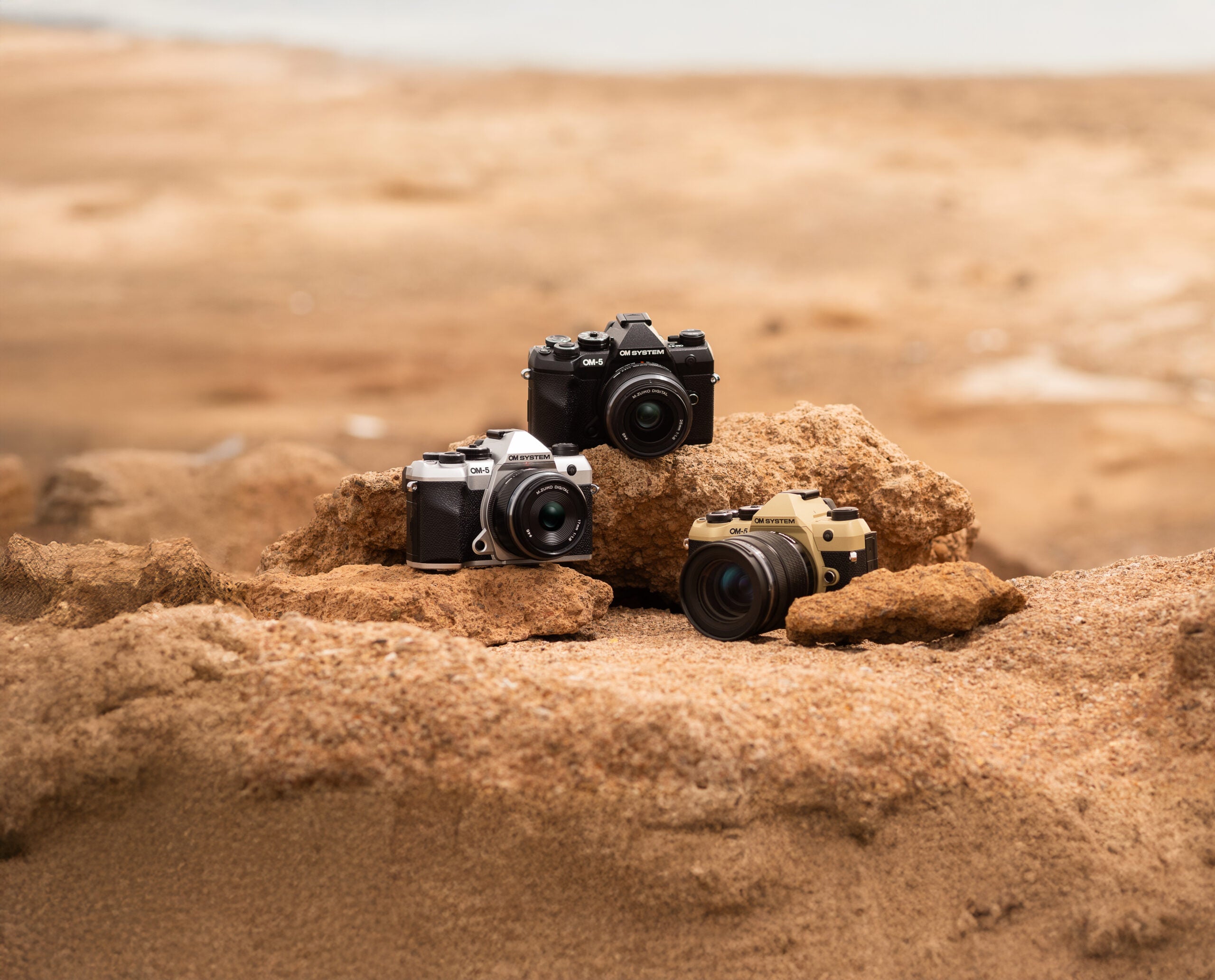
OM SYSTEM officially announced the release of the OM-5 Mark II on July 1, 2026, a mirrorless camera engineered specifically to meet the rigorous demands of outdoor adventurers, mountaineers, and travel photographers. Positioned as a direct successor to the highly regarded OM-5, this new iteration reinforces the brand’s commitment to the Micro Four Thirds (MFT) system, prioritizing extreme portability without compromising on professional-grade imaging capabilities. The OM-5 Mark II arrives at a critical juncture in the imaging industry, as manufacturers increasingly look to differentiate dedicated hardware from the rapidly advancing computational capabilities of high-end smartphones. By integrating "bombproof" construction with sophisticated internal processing tools, OM SYSTEM aims to capture the segment of the market that requires more durability and optical flexibility than a phone can provide, while avoiding the prohibitive weight of traditional full-frame DSLR or mirrorless systems.
A New Benchmark for Outdoor Durability and Portability
The core philosophy behind the OM-5 Mark II is the "best camera is the one you have with you" mantra, a concept that has guided the brand since its transition from the Olympus nameplate to OM SYSTEM. Weighing in at a mere 13 ounces (approximately 368 grams) for the body, the camera is designed to be virtually unnoticeable when mounted on a backpack shoulder strap or tucked into a small hip pack. This lightweight profile is a strategic move to appeal to "fast and light" enthusiasts—hikers, climbers, and trail runners for whom every gram of gear must be justified.

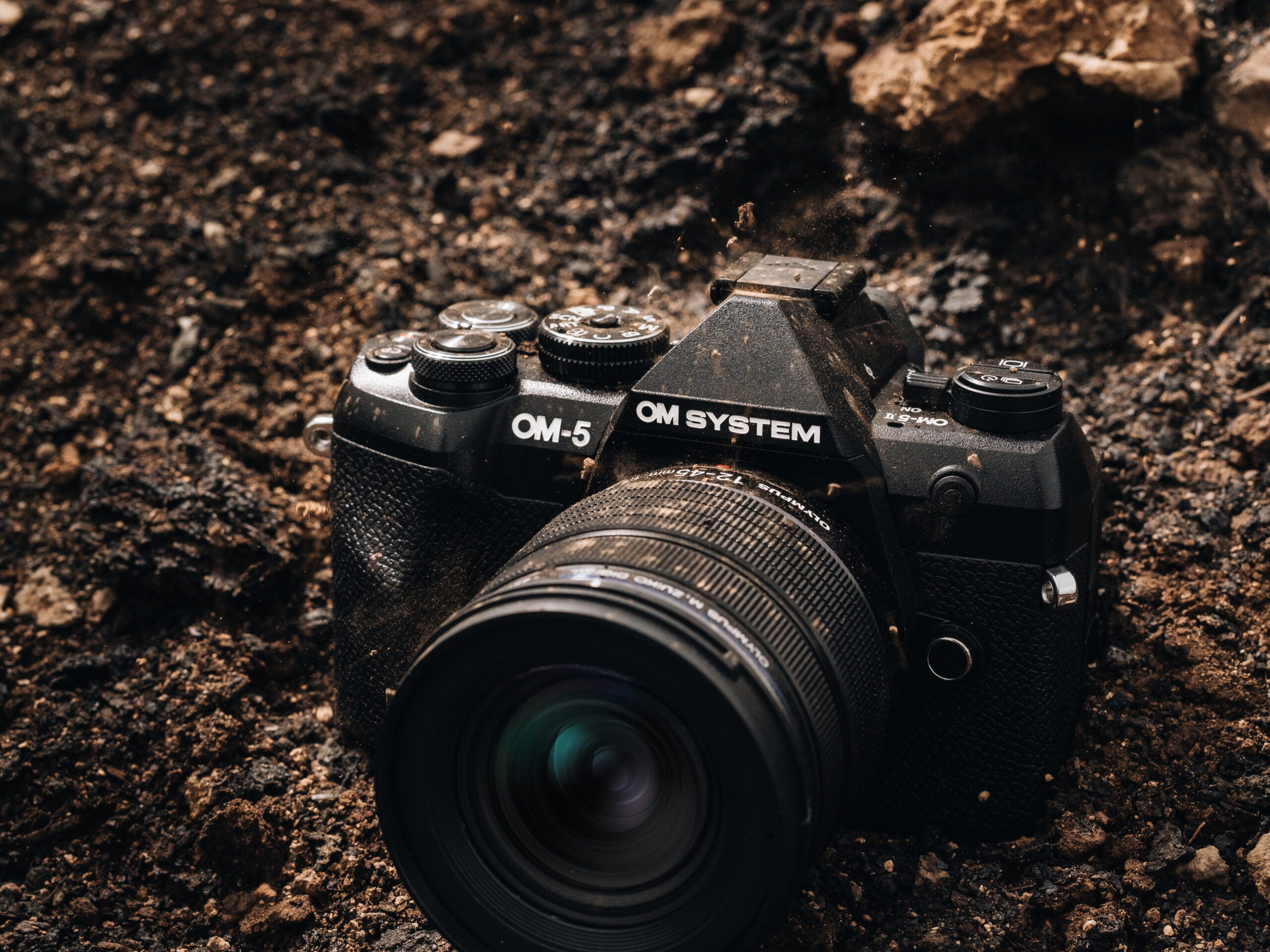
However, the OM-5 Mark II’s most significant hardware achievement is its ruggedization. The camera features an IP53-rated weather-sealed body, a rating that exceeds many professional-tier competitors. This certification ensures the device is protected against dust ingress and can withstand direct water spray, making it functional in torrential rain, mud-heavy environments, and dusty desert trails. Furthermore, the internal components are rated for operation in temperatures as low as 14 degrees Fahrenheit (-10 degrees Celsius). This level of environmental resistance allows photographers to continue shooting in "Type II fun" conditions—those moments where weather becomes a barrier to traditional electronics but often provides the most dramatic photographic opportunities.
Advancements in Computational Photography
While the physical build caters to the environment, the internal software of the OM-5 Mark II is designed to bridge the gap between amateur convenience and professional output. OM SYSTEM has long been a pioneer in computational photography, and the Mark II expands these features through a dedicated "CP" (Computational Photography) button, allowing users to access complex shooting modes without navigating deep menus.
One of the standout features is the enhanced Live ND (Neutral Density) mode. Traditionally, capturing the "silky" effect of moving water in waterfalls or rivers required physical glass filters and a tripod. The OM-5 Mark II simulates this effect digitally within the camera, allowing for long-exposure aesthetics while shooting handheld. This is complemented by the Starry AF system, a specialized autofocus algorithm that can lock onto distant stars with pinpoint accuracy—a task that is notoriously difficult for both smartphones and traditional manual-focus setups.
For night-sky enthusiasts, the Live Composite mode remains a flagship feature. Unlike a standard long exposure that can easily blow out highlights, Live Composite only records new light sources in the frame. This allows photographers to capture star trails or light painting in real-time on the rear LCD screen, preventing overexposure of the background and simplifying what was once a complex post-processing task.
Stabilization and High-Resolution Imaging
The OM-5 Mark II utilizes a sophisticated five-axis in-body image stabilization (IBIS) system, which remains one of the most effective in the industry. For outdoor photographers, the primary benefit of this system is the elimination of the tripod for the vast majority of shooting scenarios. The IBIS allows for sharp handheld shots at shutter speeds that would typically result in blur, which is essential for capturing low-light forest canopies or campfire scenes.
This stabilization technology also enables the Handheld High Res Shot mode. By rapidly shifting the sensor and capturing multiple images, the camera can compile a 50-megapixel file from its native sensor resolution. This provides the level of detail necessary for large-format landscape prints, effectively giving the user a high-resolution studio tool in a compact outdoor chassis. Additionally, the integrated Focus Stacking feature allows for deep depth-of-field in macro photography or expansive landscapes, automatically merging multiple frames with different focus points into a single, sharp image.
Multimedia Capabilities and Modern Connectivity
Recognizing the shift toward social-media-integrated workflows, the OM-5 Mark II introduces native support for vertical video. As content creators increasingly prioritize platforms like Instagram Reels and TikTok, the ability to record high-quality 4K video in a vertical orientation simplifies the transition from field to feed. The camera’s video suite is designed to be "Hollywood-ready" in terms of bitrates and color science, yet accessible enough for a solo traveler to document their journey without a dedicated film crew.
The inclusion of modern wireless connectivity ensures that images can be transferred to mobile devices immediately upon returning to cellular range. This hybrid approach acknowledges that while the OM-5 Mark II is meant to replace the smartphone as the primary capture device, the smartphone remains the primary communication and distribution hub for the modern adventurer.
Chronology of Development and Market Context
The release of the OM-5 Mark II marks the third major release since the brand’s rebranding from Olympus to OM SYSTEM under the ownership of OM Digital Solutions. The original OM-5, released in late 2022, was seen as a transitional product that merged the legacy of the Olympus OM-D E-M5 series with the new brand identity. The Mark II represents a more definitive step forward, incorporating feedback from a global community of outdoor photographers who demanded faster processing and more intuitive controls.

The development cycle for the Mark II focused heavily on the "adventure-proof" aspect. Market data suggests that while the overall camera market has contracted due to smartphone dominance, the "rugged" and "specialized" niches have shown resilience. By doubling down on the IP53 rating and the MFT sensor’s size advantage, OM SYSTEM is positioning itself as the primary alternative for users who find full-frame mirrorless systems too cumbersome for multi-day expeditions.
Industry Reactions and Expert Analysis
Industry analysts have noted that the OM-5 Mark II’s success will likely depend on its ability to convince "prosumer" hikers and travelers that the image quality and durability justify the additional device. "The OM-5 Mark II isn’t just competing with other cameras; it’s competing with the convenience of the iPhone," says Sarah Jenkins, a senior analyst in digital imaging. "By focusing on things a phone simply cannot do—like true optical reach, extreme cold-weather reliability, and advanced stabilization—OM SYSTEM is carving out a very specific, very loyal demographic."
Early reactions from field testers, including adventure photographer Melanie Tobbe, emphasize the camera’s "disappearing act." Tobbe noted that in high-alpine environments where gear fatigue is a real factor, the ability to have a professional-grade kit that fits in a jacket pocket or clips to a harness without shifting the climber’s center of gravity is a "game-changer."

Broader Impact and Future Implications
The launch of the OM-5 Mark II signals a continued belief in the Micro Four Thirds sensor format. While some competitors have moved exclusively toward larger sensors, the MFT system allows for significantly smaller lenses. For a hiker, this means the difference between carrying a 5-pound bag of glass and a 1-pound kit that covers the same focal range.
As climate change leads to more unpredictable and extreme weather patterns, the demand for "all-weather" electronics is expected to grow. The OM-5 Mark II sets a precedent for consumer electronics that do not require "babying" in the field. This release may prompt other manufacturers to pursue higher IP ratings for their mid-range and enthusiast-level cameras, which have traditionally lacked the robust sealing found in flagship professional models.
In conclusion, the OM SYSTEM OM-5 Mark II is more than a mere incremental update; it is a specialized tool designed for a specific lifestyle. By prioritizing mobility, durability, and computational intelligence, it offers a compelling argument for keeping the smartphone in the pocket and returning to the dedicated camera as the primary vessel for visual storytelling in the wild. As of its July 2026 launch, the OM-5 Mark II stands as a testament to the idea that the future of photography lies not just in more pixels, but in more places.




 Chandra Hamzah
 Tatiana Tantri Indah Sari
 Budi Mulyono
 Lukman Taruna Persada Ramadan