
 Anjar Salim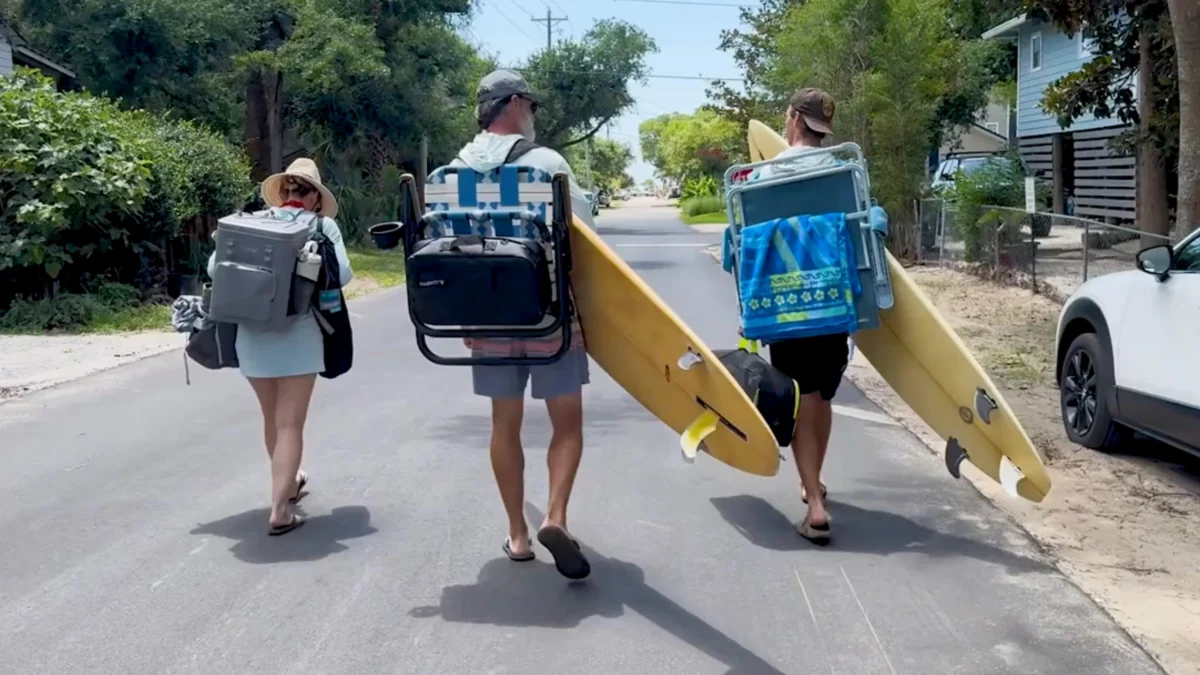
The transition from minimalist beach-going to the "basecamp" philosophy marks a significant shift in the outdoor recreation industry, as consumers increasingly prioritize ergonomic comfort and multi-functional gear over simple portability. For decades, the standard for coastal relaxation was a simple towel or a flimsy, disposable folding chair. However, the 2026 summer season has solidified a new standard in outdoor furniture, driven by advancements in materials science and a post-pandemic surge in domestic coastal tourism. Recent market analysis indicates that the high-end outdoor furniture sector has grown by 12% annually, with a specific focus on "lifestyle-integrated" products that bridge the gap between rugged camping equipment and domestic luxury.
To identify the leaders in this evolving market, a rigorous testing cycle was conducted throughout the spring and early summer of 2026. Testing parameters focused on four primary pillars: structural integrity in corrosive marine environments, weight-to-strength ratios, ergonomic support for extended use, and ease of deployment. The resulting selections represent the pinnacle of current engineering, catering to diverse needs ranging from the backcountry hiker to the family-oriented leisure seeker.
The Evolution of the Beach Basecamp: A Testing Chronology
The methodology for selecting the 2026 "best-in-class" chairs involved a three-month field study. Initial assessments began in March 2026, focusing on mechanical durability and resistance to salt-spray corrosion. Following laboratory-style stress tests, the chairs were moved to real-world environments—ranging from the rocky coves of the Pacific Northwest to the fine-sand dunes of the Atlantic coast—to evaluate how different leg designs handled varying substrates.
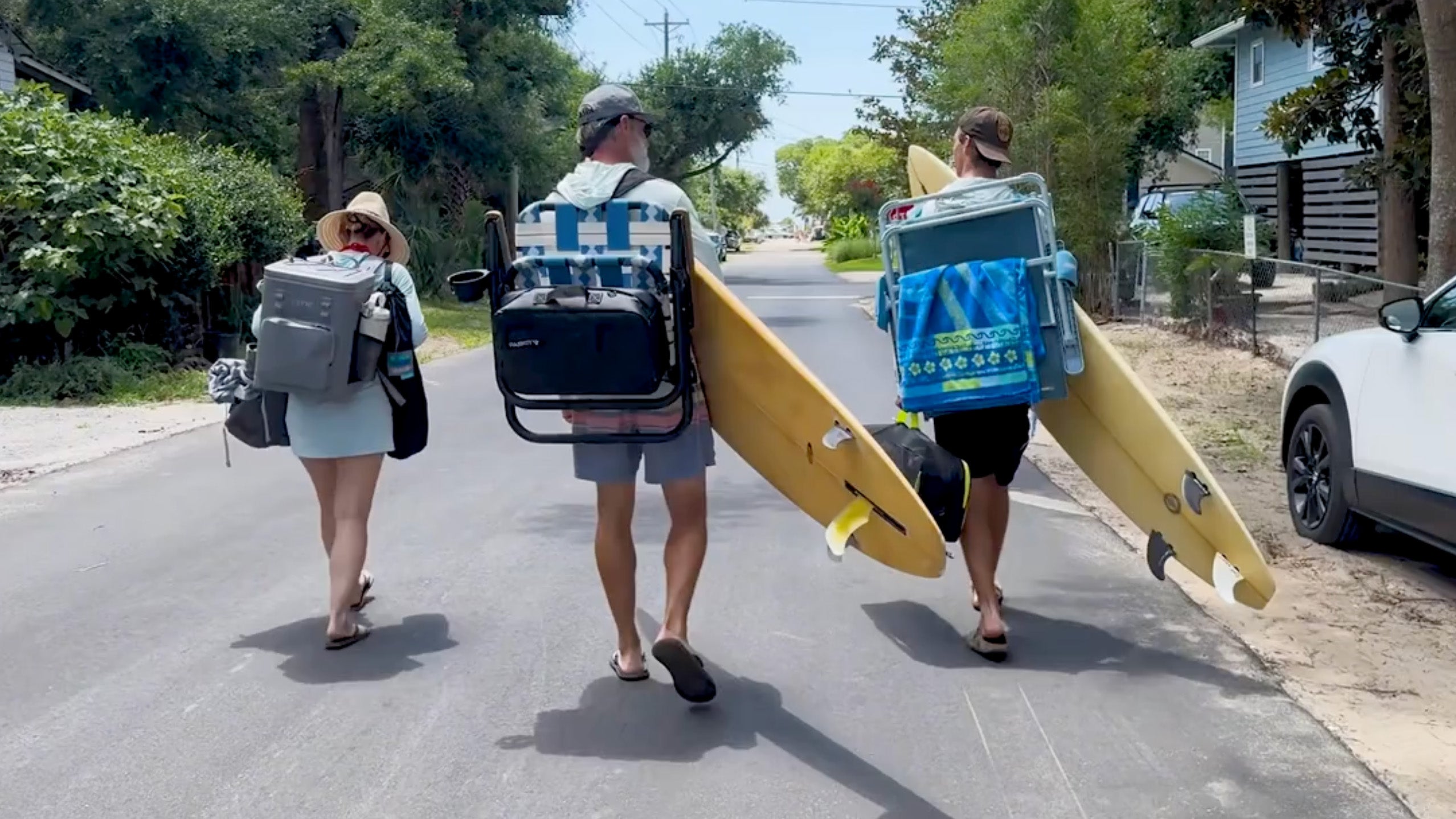
By June 2026, the field was narrowed down to four distinct models that excelled in their respective categories. This chronology of testing revealed a clear trend: manufacturers are moving away from heavy steel frames in favor of aerospace-grade aluminum and reinforced polymers. This shift has allowed for chairs that offer the reclining capabilities of heavy patio furniture while remaining light enough for single-person transport over long distances.
Leading the Pack: The Shibumi Chair and the New Era of Comfort
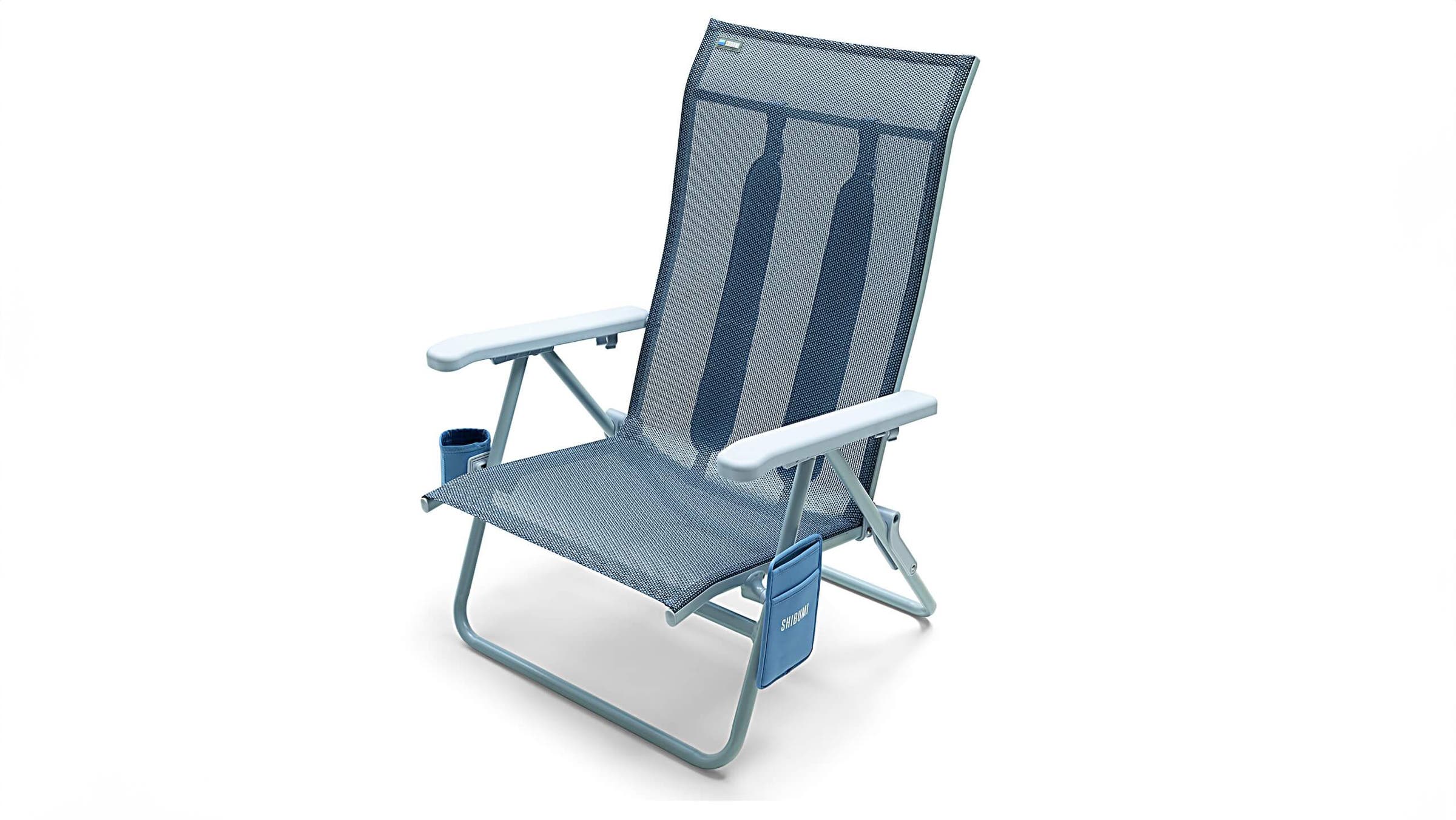
The Shibumi Chair has emerged as the definitive choice for users prioritizing long-duration comfort and ease of transport. Shibumi, a brand that gained international recognition for its wind-powered beach shades, has applied the same minimalist-yet-effective design philosophy to its flagship seating option. Weighing only eight pounds, the chair utilizes a marine-grade aluminum frame with a specialized powder coating designed to prevent the pitting and oxidation common in coastal environments.
A key technical feature of the Shibumi Chair is its DreamWave fabric, a proprietary textile capable of supporting up to 300 pounds while maintaining breathability. Industry experts note that the inclusion of neoprene attachments—specifically a cup holder and a dedicated smartphone sleeve—reflects a deep understanding of modern consumer needs.
"Our goal was to create a piece of furniture that felt like an extension of the home living room but functioned in the wild," stated a lead designer for the Shibumi project during the product’s spring launch. The chair’s four-position reclining mechanism allows for a range of postures, though testers noted that the wide frame, while providing stability, can be cumbersome when attempting to carry secondary gear like surfboards simultaneously.
Engineering the Ultimate Nap: The Zempire Xuno Beach Camp Chair
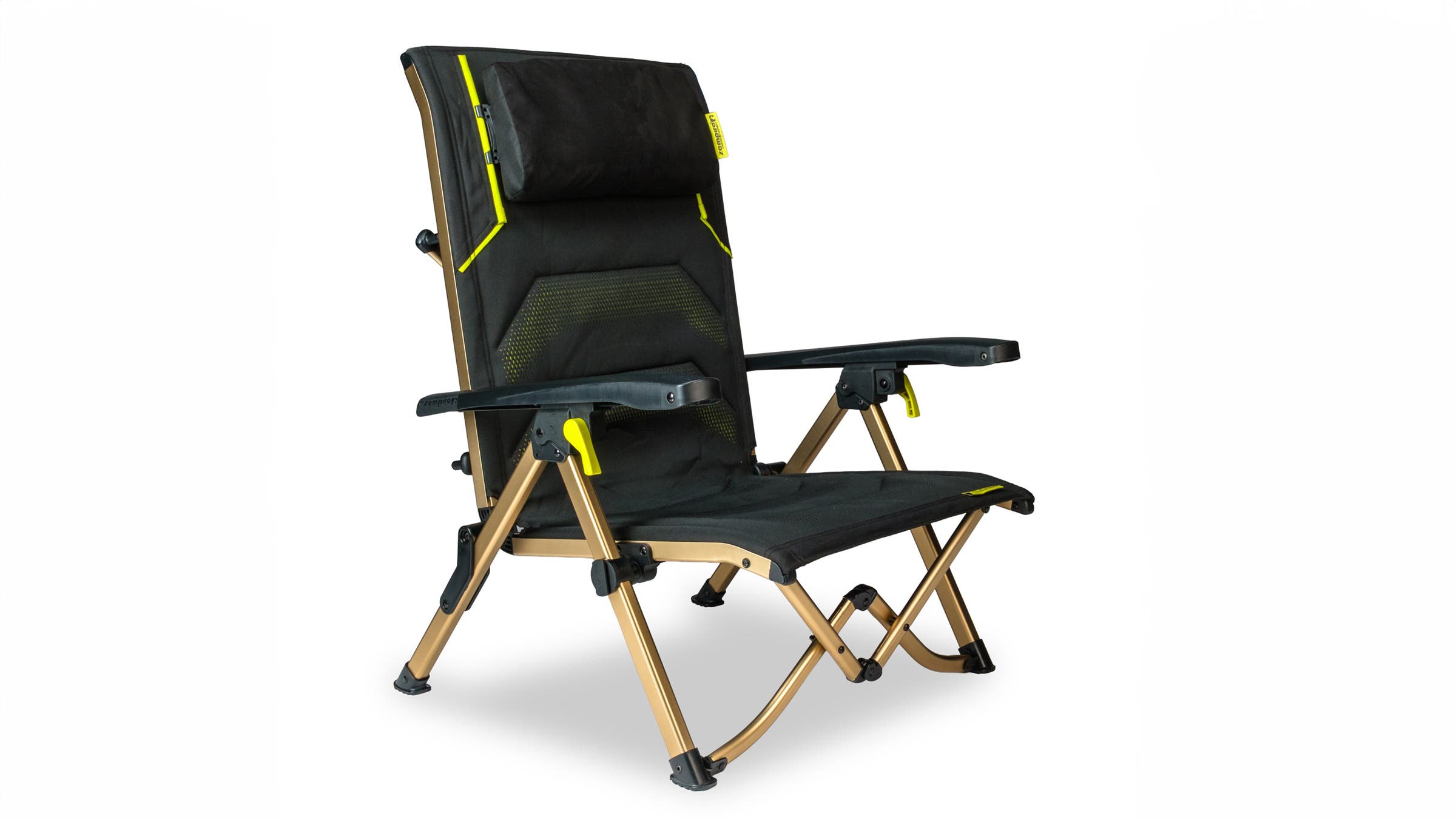
For those whose primary objective is relaxation rather than mobility, the Zempire Xuno Beach Camp Chair represents a feat of over-engineering. Zempire, a New Zealand-based company traditionally known for its inflatable "air tents," has brought its expertise in structural comfort to the beach lounger category. The Xuno features a low-profile design that allows users to extend their legs directly into the sand, an ergonomic preference for many coastal enthusiasts.
The chair’s standout feature is its integrated, adjustable headrest and lever-action reclining system, which allows for micro-adjustments to the seating angle. Despite its black aesthetic, the use of high-density mesh polyester ensures that the seat remains cool even under direct solar radiation. However, this level of luxury comes with a weight penalty; at 15 pounds and with a packed length of over 31 inches, the Xuno is best suited for "car-to-sand" scenarios where the walking distance is minimal.
Portability and Performance: The Helinox Beach Chair
As the trend toward "fast and light" beach travel continues, Helinox has maintained its market dominance with the 2026 iteration of its Beach Chair. Utilizing the same DAC aluminum alloy poles found in high-end mountaineering tents, the Helinox model is the lightest in its class at just four pounds. The design features splayed, stabilizing feet that prevent the chair from sinking into soft, dry sand—a common failure point for traditional portable chairs.
The Helinox Beach Chair is particularly notable for its environmental footprint, utilizing recycled aluminum and bluesign-approved fabrics. The integrated headrest sleeve, which can be stuffed with a towel to create a pillow, demonstrates the brand’s commitment to multi-functional design. Market data suggests that the Helinox model is particularly popular among the "bikepacking" and "van-life" demographics, who require gear that can be compressed into small storage volumes without sacrificing durability.
The Intersection of Style and Utility: The Parkit Voyager Outrider
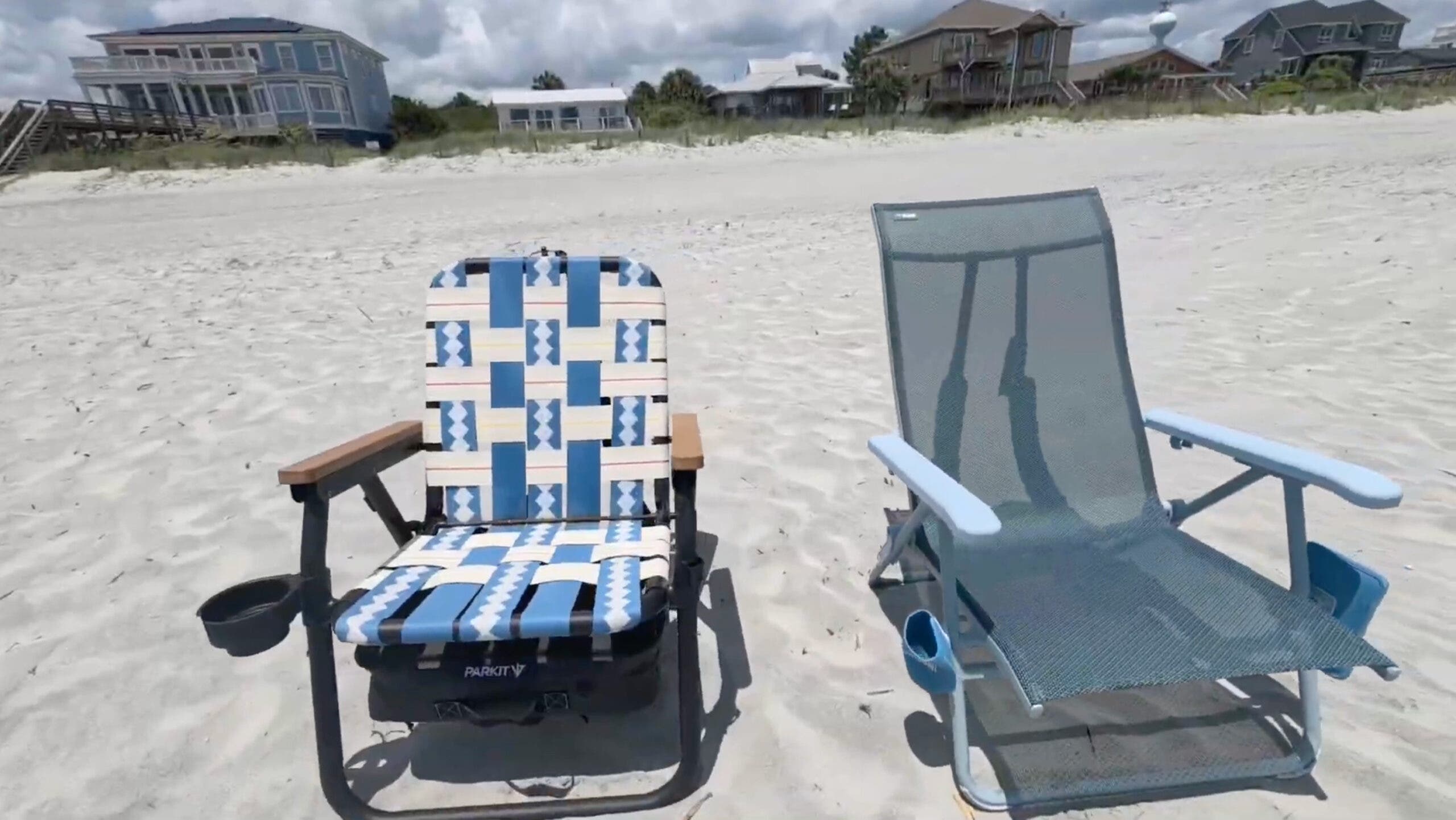
The Parkit Voyager Outrider addresses a growing demand for "retro-modern" aesthetics combined with high-performance materials. Visually inspired by the classic woven lawn chairs of the mid-20th century, the Voyager Outrider is built with modern 6061-T6 aluminum and industrial-strength nylon webbing.
The most innovative aspect of the Parkit model is its modularity. It features a detachable cooler that sits beneath the seat, providing a sand-free environment for beverages and electronics. While testers found that loading the cooler to capacity made the chair significantly heavier during transport, the versatility of the system remains a major selling point. The inclusion of high-quality backpack straps allows for hands-free carrying, making it a viable option for those who need to transport coolers, umbrellas, and towels in a single trip.
Market Analysis and Material Trends in 2026
The outdoor furniture industry in 2026 is being shaped by three primary factors: sustainability, ergonomic health, and the "premiumization" of leisure. According to a report by the Global Outdoor Industry Association, 64% of consumers now prefer products made from recycled or low-impact materials. This is reflected in the 2026 chair lineup, where three out of the four top-rated models utilize recycled alloys or sustainable textiles.
Furthermore, the integration of "smart" features—such as UV-resistant coatings that do not off-gas and fabrics that wick moisture instantly—has become a baseline requirement for high-end gear. The average price point for a premium beach chair has risen to $150–$250, but consumer data indicates a willingness to pay this premium in exchange for a "buy it for life" (BIFL) product lifespan.
Broader Implications for Coastal Tourism
The shift toward high-quality, durable beach gear has broader implications for coastal management and environmental conservation. Historically, low-quality "seasonal" chairs were a major contributor to beachfront litter and landfill waste, as they were often abandoned after a single summer. The rise of brands like Shibumi, Helinox, and Parkit encourages a "leave no trace" culture by providing gear that users are incentivized to maintain and keep for years.
Additionally, the increased comfort provided by these chairs is changing the duration of beach visits. Local coastal economies have noted that visitors equipped with "basecamp" style setups tend to stay on the beach 30% longer than those with minimal gear, leading to increased demand for seaside amenities and mobile services.
In conclusion, the 2026 beach chair market offers a specialized solution for every type of coastal visitor. Whether the priority is the ultralight portability of the Helinox, the nap-ready luxury of the Zempire, the all-day comfort of the Shibumi, or the stylish versatility of the Parkit, the current generation of outdoor furniture has successfully bridged the gap between rugged utility and high-end relaxation. As materials science continues to evolve, the expectation for beach gear will likely move toward even lighter, more sustainable, and more integrated solutions, further refining the art of the beach day.




 Chandra Hamzah
 Tatiana Tantri Indah Sari
 Budi Mulyono
 Lukman Taruna Persada Ramadan