
 Lukman Taruna Persada Ramadan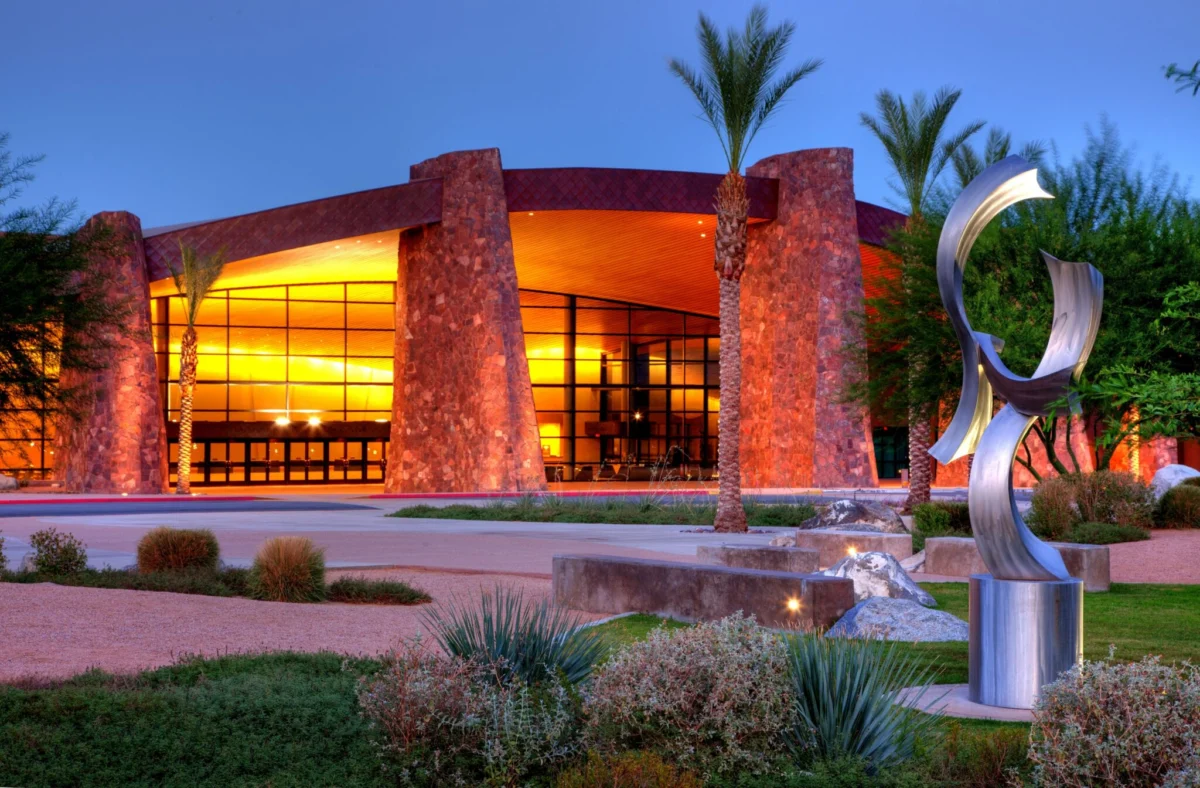
California’s Palm Springs, a city often perceived as a mid-century modern playground, holds a profound 2,000-year-old history that forms the bedrock of its enduring appeal and current trajectory of expansion. Far beyond the glitz and glamour, this desert haven is meticulously weaving its ancient past, defined by the indigenous Cahuilla people, into a vibrant future marked by significant infrastructure investments and innovative tourism offerings. The city’s current boom is not merely a superficial surge but a strategic evolution, aiming to solidify its status as a premier global destination while honoring its rich heritage.
A Deep Rooted Heritage: The Cahuilla Legacy
The narrative of Palm Springs truly begins with the Cahuilla people, who inhabited the Coachella Valley for millennia. Living in remarkable isolation for centuries, their culture flourished, sustained by a deep understanding of the desert environment. They communicated through Ivilyuat, a distinct dialect of the Uto-Aztecan language family, reflecting their unique cultural development in the region. Their intimate connection to the land dictated their seasonal rhythms; in the oppressive summer heat, the Cahuilla would ingeniously trek to the higher, cooler elevations of Chino Canyon, utilizing natural springs and abundant resources. Today, this ancestral summer refuge is easily accessible to all via the iconic Palm Springs Aerial Tramway, a marvel of engineering that ascends 8,516 feet, offering a modern pathway to ancient landscapes and a dramatic escape from the desert floor. The tram, inaugurated in 1963, provides a poignant link to the Cahuilla’s seasonal migrations, albeit through a vastly different mode of transport.
The cultural tapestry of Palm Springs is richly interwoven with the threads of early Native American life and, subsequently, the arrival of Spanish settlers. This confluence of cultures has rendered Palm Springs a uniquely interesting destination, where history is not merely recounted but actively present. Even today, the city and the surrounding Coachella Valley echo this ancient past. Many of Palm Springs’ streets and neighborhoods bear Cahuilla surnames such as Amado, Belardo, Saturnino, and Chino, serving as daily reminders of the valley’s original inhabitants and their enduring presence. Beyond nomenclature, the very terrain occasionally unveils archaeological treasures: ancient irrigation ditches, remnants of former dams, and distinctive house pits, all testaments to the Cahuilla’s sophisticated agricultural and architectural practices. These tangible links to the past can still be observed in protected areas like Tahquitz Canyon, Chino Canyon, and the vast Indian Canyons nature preserve, managed by the Agua Caliente Band of Cahuilla Indians, offering visitors a direct window into a civilization that mastered desert living. According to historical estimates, the Cahuilla population numbered several thousand at its peak before European contact, demonstrating a thriving society adapted to a challenging environment. Tribal leaders frequently emphasize the importance of these sites in preserving and teaching their history, asserting their continuous stewardship of the land.
The "Greater" Vision: A Thriving Tourism Ecosystem
Palm Springs continues its remarkable trajectory of growth, attracting millions of visitors drawn to its stunning natural scenery, vibrant cultural scene, and a packed calendar of events. This widespread appeal extends across the high desert towns of the Coachella Valley, including Cathedral City, Rancho Mirage, Palm Desert, Indian Wells, La Quinta, Indio, Coachella, and Desert Hot Springs, as well as communities within unincorporated Riverside County and the lands of five sovereign tribal nations. Recognizing this expansive regional draw, the tourism authority strategically rebranded itself as "Visit Greater Palm Springs." This marketing initiative reflects a broader understanding of the region’s interconnected appeal, acknowledging that visitors often explore beyond the immediate city limits of Palm Springs itself.
The strategic decision to adopt the "Greater" moniker has paid significant dividends. In 2023, the region welcomed over 14 million visitors, generating an estimated economic impact exceeding $8.7 billion. This robust tourism sector supports more than 50,000 jobs, underscoring its critical role in the regional economy. A cornerstone of this success is the annual Coachella Valley Music & Arts Festival, held each April in Indio. What began as a modest music event in 1999 has burgeoned into a global cultural phenomenon, drawing hundreds of thousands of attendees and garnering worldwide media attention. Its success alone contributes hundreds of millions of dollars to the local economy, filling hotels, restaurants, and local businesses, and significantly enhancing the "Greater Palm Springs" brand on an international stage. Beyond Coachella, events like the BNP Paribas Open tennis tournament in Indian Wells and the Palm Springs International Film Festival further cement the region’s diverse appeal, attracting varied demographics and reinforcing its status as a year-round destination.

Transformative Investments: Building for the Future
Looking ahead to 2026 and beyond, Greater Palm Springs is undergoing an unprecedented period of revitalization and expansion, fueled by substantial private and municipal investments. These projects are designed to enhance visitor experiences, accommodate growing demand, and secure the region’s economic prosperity for decades.
At the heart of this infrastructure boom is the Palm Springs International Airport (PSP), which is undergoing a monumental $2.2 billion expansion project. This ambitious undertaking is critical to accommodating the escalating air traffic and burgeoning tourism industry. The project’s first phase, an estimated $754 million investment, focuses on a new north concourse, an expanded baggage claim area, and 14 new gates, significantly increasing the airport’s capacity and operational efficiency. The second phase will see the development of a south concourse and a dedicated rental car storage facility. Crucially, throughout this modernization, meticulous attention is being paid to preserving the airport’s distinctive Mid-Century signature architecture, a nod to Palm Springs’ iconic design heritage. This multi-billion-dollar airport expansion is projected to generate billions in economic impact, supporting thousands of construction and operational jobs across the Coachella Valley. Airport officials anticipate a substantial increase in direct flights and passenger volume, positioning PSP as a major gateway to Southern California’s desert regions.
Complementing the airport expansion is a $135 million modernization and expansion of the Palm Springs Convention Center. This city-led initiative represents a once-in-a-generation investment aimed at ensuring the center remains the region’s premier venue for conferences, exhibitions, and community events. The project will integrate cutting-edge technology, create flexible indoor-outdoor meeting and event spaces to capitalize on Palm Springs’ enviable climate, and significantly improve pedestrian connections to the vibrant downtown area and nearby hotels. City planners envision the Convention Center as a nexus for commerce, community, and culture, confident that the upgrades will not only fuel regional economic growth but also generate new cultural, educational, and entertainment opportunities, providing lasting benefits for both residents and visitors. "Our goal is to create a convention experience that is both state-of-the-art and uniquely Palm Springs," stated a representative from the Palm Springs Convention Center, highlighting the blend of innovation and local character.
Diversifying the Desert Experience: Surf, Culture, and Luxury
Greater Palm Springs is also making waves, quite literally, with the introduction of two world-class surf experiences that challenge conventional notions of desert recreation. Slated to open in summer 2026, DSRT Surf in Palm Desert will feature a sprawling 5.5-acre surf lagoon, offering consistent, customizable waves for surfers of all levels. This ambitious development will also include a 92-room hotel (opening shortly after the lagoon), residential units, diverse dining venues, and recreation spaces, creating a comprehensive lifestyle destination. Meanwhile, in Palm Springs itself, the Palm Springs Surf Club has already opened its doors, inviting guests to enjoy crystal-clear waves, relaxing pools, and a dining venue, all set against the breathtaking backdrop of the San Jacinto Mountains. These innovative surf parks represent a bold move to diversify the region’s tourism offerings, attracting a new demographic seeking active, experiential luxury in an unexpected desert setting.
The city’s cultural heart also beats stronger than ever with the recent reopening of the historic Palm Springs Plaza Theatre. Since its inauguration in 1936, the Plaza Theatre served as a crucial cultural hub, a place where Hollywood’s golden era celebrities frequently gathered, blending the magic of the silver screen with the allure of the desert. After a decade-long, multi-million dollar restoration effort, this beautiful art deco landmark has been meticulously returned to its former glory. Its reopening marks a significant milestone in preserving the city’s rich cultural heritage, providing a venue for live performances, film screenings, and community events, and once again serving as a vibrant cornerstone of downtown Palm Springs.
The luxury hospitality sector continues to flourish, with new establishments enhancing the city’s upscale appeal. Thompson Palm Springs, a Hyatt property nestled in the heart of the Design District, has quickly become a focal point for the valley’s discerning visitors. Its chic new lounge, Bar Issi, offers a sophisticated social hub, while next door, the innovative Lip Lab invites guests to craft custom lip and cheek tints, perfect for achieving that effortless, sun-kissed Palm Springs aesthetic. The property, featuring 168 bungalow-inspired guestrooms, including 18 suites, each with private balconies and breathtaking views, expects to open more luxury brand shops this year, further cementing its position as a high-end destination.

A Small City with Metropolitan Ambition and Modernist Charm
"With the amount of public and private investment dollars we have, as a city of 45,000 people, Palm Springs is similar to a larger metropolitan area, but we still have a vibrant, small-town feel," remarked Scott Stiles, City Manager of Palm Springs. He added, "New hotels, restaurants and attractions are creating lots of excitement this year in downtown Palm Springs, while the multibillion-dollar expansion of Palm Springs International Airport and the multimillion-dollar renovation of the Palm Springs Public Library are helping the city create smart and steady growth for residents and visitors." This sentiment encapsulates the strategic balance Palm Springs is striving for: embracing growth and modernization while safeguarding its unique community character and historical integrity.
Speaking of design, one of Palm Springs’ most distinctive attractions is its unparalleled collection of Mid-Century Modern architecture. Every February, the city hosts Modernism Week, an internationally renowned event offering the deepest introduction to Desert Modernism. This immersive festival features comprehensive tours through unique neighborhoods, allowing visitors to explore iconic Mid-Century houses lining palm-tree-filled streets, attend lectures by leading architects and historians, and participate in vintage car shows and parties. For those unable to attend the February event, scheduled Modernism house tours continue through May, providing ample opportunity to appreciate the architectural marvels that define Palm Springs’ aesthetic. This architectural legacy, stemming from a period when Hollywood stars and wealthy industrialists sought a desert escape, has cultivated a strong design identity that continues to attract enthusiasts worldwide.
Beyond the City: Exploring the Majestic Desert Landscape
While Palm Springs itself offers an abundance of attractions, the surrounding landscape invites further exploration, promising breathtaking scenic drives and unique natural wonders.
California Highway 74, famously known as the Palms to Pines Scenic Byway, offers an exceptional day trip, providing a dramatic escape from the desert heat into the cooler mountain air. Starting from Palm Desert, travelers can begin their journey at the Santa Rosa and San Jacinto Mountains National Monument Visitor Center. The byway then ascends the mountains via a series of exhilarating switchbacks, offering increasingly panoramic views. A mandatory stop at the Coachella Valley Vista Point provides a stunning vantage point to survey the sprawling desert cities below, a stark contrast to the burgeoning alpine environment. As the drive continues south, the arid desert scenery gradually gives way to verdant pine forests and charming small mountain towns. Paradise Valley Cafe offers a rustic lunch stop, while continuing to Idyllwild provides more extensive options for dining and retail, set within a quaint, artistic mountain community. This roughly 30-mile journey offers a complete ecological transformation and a refreshing change of pace.
An hour north of Palm Springs lies the iconic town of Joshua Tree, a magnet for artists, free spirits, and outdoor adventurers. The town itself boasts an eclectic mix of vintage shops, health-conscious vegan cafés, and art galleries, reflecting its unique bohemian culture. It serves as the primary gateway to the magnificent Joshua Tree National Park. Covering an expansive 1,240 square miles, approximately the size of Rhode Island, the park is a geological and ecological marvel, straddling two distinct desert ecosystems: the high Mojave Desert and the lower Colorado Desert. This transition becomes vividly apparent when driving the length of the park from north to south. The upper Mojave portion, characterized by its slightly cooler temperatures and higher elevation, is home to the park’s namesake Joshua trees (Yucca brevifolia) and dramatic, surreal boulder formations, making it immensely popular with rock climbers, hikers, and campers. The lower Colorado Desert region, conversely, features extensive cactus gardens, spiky ocotillos, and vast stretches of open desert, crisscrossed by numerous unpaved roads ideal for exploration by four-wheel-drive vehicles. Visitors are advised to plan meticulously, as there are no restaurants or gas stations within the park’s vast boundaries, emphasizing the importance of self-sufficiency in this pristine wilderness. Joshua Tree National Park consistently draws over 3 million visitors annually, a testament to its raw, untamed beauty and unique biodiversity.
In essence, Palm Springs is more than a destination; it’s a dynamic narrative unfolding across millennia. From the ancient pathways of the Cahuilla to the sleek lines of mid-century modern architecture, and now to the ambitious surf lagoons and expanded international airport, the city is a testament to continuous evolution. It successfully balances reverence for its deep historical roots with an innovative vision for future growth, cementing its place as a truly unique and compelling global destination.




 Chandra Hamzah
 Tatiana Tantri Indah Sari
 Budi Mulyono
 Anjar Salim

