Lukman Taruna Persada Ramadan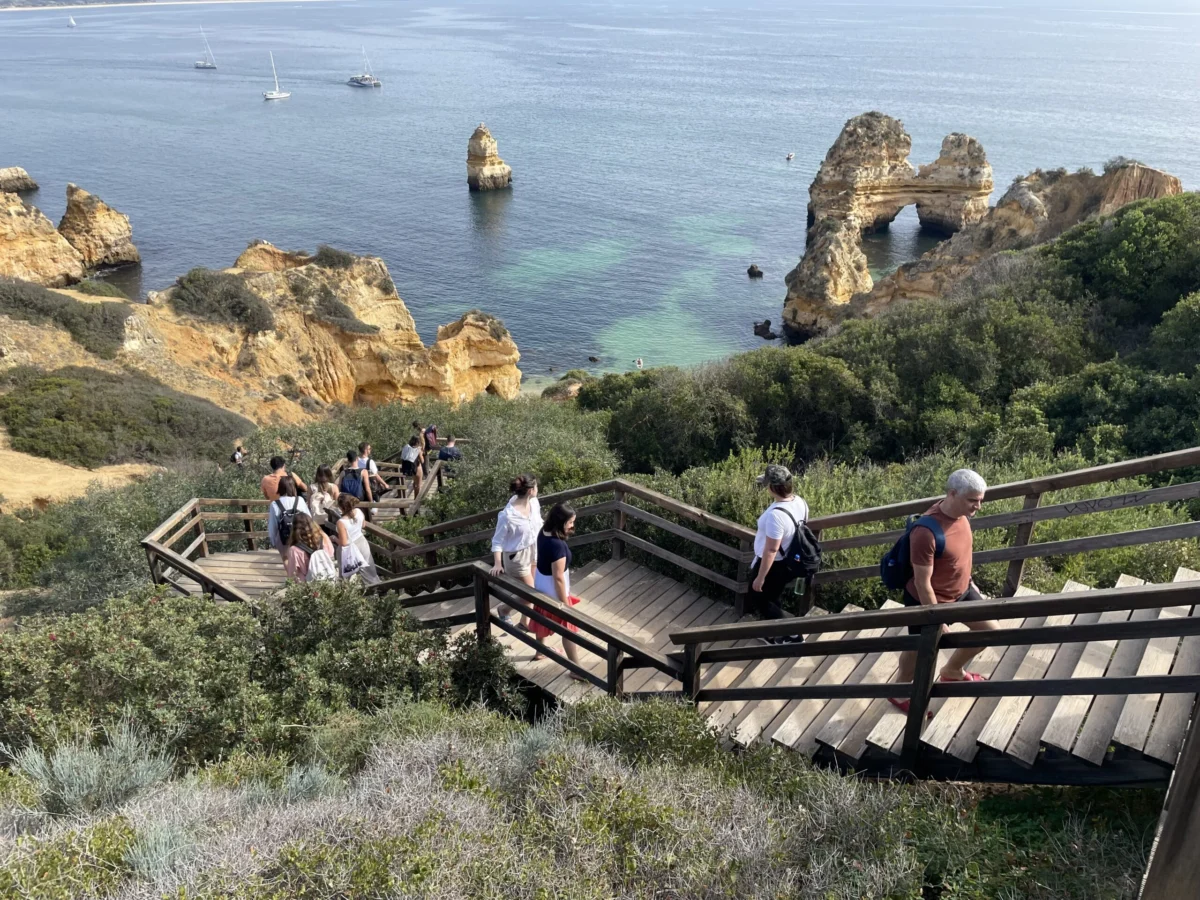
Portugal’s southern coast, universally celebrated as the Algarve, stands as a premier European destination, drawing millions annually with its captivating blend of dramatic limestone cliffs, pristine sandy beaches, and a rich tapestry of historical towns and charming villages. This region, often dubbed "the Florida of Europe" due to its exceptional climate, boasts over 300 days of sunshine each year, offering an unparalleled opportunity for year-round outdoor recreation and cultural immersion. Stretching along approximately 100 miles of coastline, the Algarve is home to close to 150 distinct beaches, many of which are nestled beneath towering ochre cliffs, accessible via picturesque wooden staircases that add to their secluded charm. The Mediterranean climate ensures mild winters and warm, dry summers, making it an ideal escape at any time of year.
A Climate Conducive to Continuous Exploration
The moniker "Florida of Europe" is well-earned, reflecting the Algarve’s consistently pleasant weather patterns that support a vibrant outdoor lifestyle throughout the seasons. While many European coastal destinations experience significant seasonal closures, the Algarve maintains its allure, allowing visitors to engage in a wide array of activities regardless of the month. The consistent sunshine and gentle sea breezes create perfect conditions for popular water sports such as kayaking through sea caves, stand-up paddleboarding along tranquil shores, sailing the azure waters, surfing the Atlantic swells, deep-sea fishing, exhilarating jet skiing, and classic water skiing. Beyond the aquatic adventures, the region’s diverse landscape invites exploration through extensive hiking networks along scenic coastal trails, offering breathtaking panoramic views of the ocean and the rugged coastline.
Beyond the Shoreline: A Haven for Diverse Interests
The Algarve’s appeal extends far beyond its celebrated beaches. For golf enthusiasts, the region is nothing short of a paradise, offering nearly 40 championship-level golf courses. These meticulously designed courses often feature stunning backdrops, with many boasting cliff-top fairways and sweeping ocean views that challenge and delight players of all skill levels. Renowned golf resorts like those in Vilamoura, Quinta do Lago, and Vale do Lobo attract international tournaments and provide world-class facilities.

Complementing the sporting activities, the region provides a wealth of unique experiences. Visitors can enjoy horseback riding through scenic countryside or along sandy beaches, explore mountain biking trails that traverse diverse landscapes, participate in traditional oyster picking experiences, and indulge in exquisite wine tasting tours at local vineyards. The Algarve’s attractions are deeply rooted in its cultural heritage, making a trip incomplete without delving into the charm of its historic towns and villages, which dot both the coastline and the tranquil inland regions. These settlements offer a glimpse into centuries of history, from ancient Roman and Moorish influences to the maritime prowess of the Age of Discoveries.
Exploring the Algarve’s Regions: A Journey Through Time and Beauty
The Algarve can be broadly divided into three distinct zones: the Western, Central, and Eastern Algarve, each offering its own unique character and attractions.
Western Algarve: The Edge of the World
Starting in the rugged Western Algarve, the fishing village of Sagres holds a special place in history and geography. As the southwesternmost point of continental Europe, it is famously referred to as the "End of the World." Here, visitors can observe local fishermen perched precariously on high cliffs, a testament to enduring traditions. Sagres is steeped in the lore of Portugal’s Age of Discoveries, often associated with Prince Henry the Navigator, whose legendary navigation school is believed to have been located nearby. While historical debates continue regarding the exact nature of this school, Sagres undeniably played a pivotal role in inspiring maritime exploration. The wild, windswept landscapes, dramatic cliffs, and powerful Atlantic waves make it a popular spot for surfers and those seeking a more raw, untamed coastal experience. Interestingly, Sagres also shares its name with one of Portugal’s two main beers, the other being Super Bock, a detail that subtly weaves local culture into the visitor’s experience.
Further east in the Western Algarve, the Benagil Caves represent one of the region’s most iconic natural wonders. These breathtaking sea caves, particularly the "Algar de Benagil" with its distinctive skylight opening, are a highlight for many travelers. Accessible primarily by boat, kayak, or stand-up paddleboard from various points, including the vibrant city of Lagos, visiting these caves offers an unforgettable encounter with nature’s artistry.

Lagos, a city of profound historical significance, seamlessly blends its ancient past with a lively contemporary atmosphere. It boasts not only beautiful beaches like Praia Dona Ana and Praia do Camilo but also a bustling nightlife scene, an array of water sports opportunities, and a captivating historic downtown. The city’s charming cobbled streets are lined with colorful tiled buildings, while its well-preserved 16th-century Old Town walls whisper tales of explorers and pirates. Lagos served as a crucial port during the Age of Discoveries, and remnants of its past, including Europe’s first slave market (now a cultural center), provide a sobering historical context. The vibrant marina is a hub for boat tours, including those to the Benagil Caves and Ponta da Piedade, a stunning collection of grottoes, arches, and sea stacks.
Central Algarve: Moorish Legacy and Modern Resorts
Moving inland from the coast, the town of Silves on the River Arade offers a deep dive into the Algarve’s Moorish heritage. Silves proudly houses one of the best-preserved Moorish castles in Portugal, the Castelo de Silves. This impressive red sandstone fortress stands as a powerful reminder of the period between 711 and 1250 CE when Silves served as the capital of the Algarve (then known as Al-Gharb) under Moorish rule. The Moorish influence is still evident in the town’s architecture, street plan, and even its traditional irrigation systems. The annual Silves Medieval Fair, held in August, transforms the town into a vibrant spectacle, recreating its golden age with historical reenactments, traditional crafts, and period entertainment.
Further along the coast, Albufeira has transformed from a quiet fishing town into the largest and most popular of the Algarve’s beach resorts. It caters to a wide range of visitors with its stunning beaches, lively nightlife, and charming Old Town, characterized by its white-washed buildings and tiled pedestrian paths. For those seeking vibrant evening entertainment, "The Strip" in Montechoro is densely populated with restaurants, bars, and clubs, offering a bustling atmosphere well into the early hours. Despite its modern development, Albufeira retains a sense of its fishing village roots in areas like the old town square and the picturesque harbor.
Eastern Algarve: Tranquility and Natural Reserves
Faro, the capital of the Algarve and home to the region’s main international airport, serves as a vital gateway. Beyond its functional role, Faro offers a compelling blend of history and nature. Its historic Old Town, enclosed by ancient Moorish walls, is a treasure trove of architectural gems, including the magnificent Cathedral of Faro and the eerie Capela dos Ossos (Bone Chapel). Faro also provides direct access to the Ria Formosa Nature Park, a protected wetland ecosystem of international importance. This stunning lagoon, a mosaic of islands, marshes, and sandbanks, is a paradise for bird-watchers, hosting diverse migratory and resident bird species, including flamingos and spoonbills. The park’s delicate ecosystem is crucial for biodiversity and offers tranquil boat tours and nature walks.

Located in the Eastern Algarve, Tavira offers a quieter, more traditional Portuguese experience compared to its western counterparts. Often referred to as the "Venice of the Algarve" due to the Gilão River flowing through its heart, Tavira charms visitors with its ancient Moorish castle ruins, a Roman bridge connecting the two halves of the town, and a multitude of historic churches. Its vibrant local market is a hub of activity, offering fresh produce, local delicacies, and traditional crafts. The town’s relaxed ambiance and proximity to the tranquil Ilha de Tavira, an island barrier beach, make it an ideal destination for those seeking a peaceful retreat.
Gastronomy: A Culinary Journey Through the Algarve
The Algarve’s culinary scene is a vibrant reflection of its coastal location and rich agricultural heritage. Fresh seafood is paramount, with grilled fish, seafood stews, and the famous cataplana (a copper clam-shaped pot used to steam various seafood and meats) being regional staples. Sardines, sea bream, sea bass, and clams are regularly featured on menus across the region. Inland, the cuisine leans towards heartier fare, including piri-piri chicken, a spicy grilled chicken dish that originated in the Algarve, and various pork and game dishes.
The region also boasts a burgeoning wine industry, producing distinctive local wines that pair perfectly with the regional cuisine. Traditional sweets, often made with figs, almonds, and carob, are a delightful end to any meal. Many restaurants, like the casual A Barrigada in Lagos, offer an all-you-can-eat fresh grilled fish option, a testament to the abundance of the sea. For a more refined experience, the Algarve is home to several Michelin-starred restaurants, such as Vila Joya and Restaurante Henrique Leis, which offer innovative international cuisine with a focus on local ingredients, often complemented by breathtaking ocean views.
Infrastructure, Accessibility, and Sustainable Tourism
Faro Airport (FAO) serves as the primary international gateway to the Algarve, handling millions of passengers annually and offering numerous connections to major European cities. During peak summer months, direct flights, such as those from Newark (EWR) to Faro operated by United Airlines, enhance accessibility for North American travelers. For broader flight options, Lisbon’s Humberto Delgado Airport (LIS), a major international hub, is a viable alternative, with excellent bus and train connections to the Algarve.

While public transport options like trains and buses connect the major coastal towns, renting a car is highly recommended for those wishing to explore the smaller, more secluded villages and attractions inland. The region’s A22 highway, known as the Via do Infante, provides efficient travel across the Algarve. English is widely spoken in tourist areas, though a translation app might prove useful when venturing into more remote inland villages.
The Algarve’s immense popularity presents both opportunities and challenges. Regional authorities and tourism boards are increasingly focused on promoting sustainable tourism practices to protect the region’s invaluable natural resources, particularly the delicate ecosystems of the Ria Formosa and the pristine coastline. Efforts are being made to diversify tourism beyond the traditional "sun and sand" model, emphasizing cultural tourism, nature-based activities, and gastronomy, thereby encouraging year-round visitation and spreading tourist impact more evenly. This strategic approach aims to preserve the Algarve’s unique charm for future generations while ensuring its continued economic prosperity.
Practical Information for Travelers
Any time of year is generally considered good to visit the Algarve, thanks to its mild climate. However, travelers should be aware that July and August constitute the peak tourist season, bringing larger crowds and higher prices. For those seeking a quieter experience with pleasant weather, the shoulder seasons (April-June and September-October) are often ideal.
Featured Accommodations

- DOMES LAKE ALGARVE, AUTOGRAPH COLLECTION: Situated on a private lake in Vilamoura, this upscale resort offers three pools, a luxurious spa, four distinct restaurants, and convenient access to five world-class golf courses. It provides a blend of relaxation and activity in a sophisticated setting.
- Praia da Falésia 811, Vilamoura, Algarve
- $$$–$$$$
- MARTINHAL SAGRES FAMILY BEACH RESORT: Located in Sagres, this luxury family-friendly hotel provides a variety of accommodation options, from elegant hotel rooms to spacious six-bedroom villas. Guests can enjoy a comprehensive spa, three restaurants, five swimming pools, five dedicated kids’ clubs, and a wide range of water sports, catering to all ages.
- R. Baiona la Real, Apartadó 54, Sagres, Algarve
- $$$–$$$$$
- VILA JOYA: An exclusive boutique hotel in Albufeira, Vila Joya features just four rooms and nine suites, all offering captivating ocean views. Its acclaimed Restaurant Vila Joya, under the direction of Chef Dieter Koschina, boasts two Michelin Stars and presents a new, exquisite menu daily, providing an unparalleled fine dining experience.
- Estrada da Galé, Albufeira, Algarve
- $$$$$
Culinary Highlights
- A BARRIGADA: A casual and authentic restaurant located near Lagos, A Barrigada is celebrated for its regional dishes, particularly its renowned all-you-can-eat fresh grilled fish option. The restaurant occasionally hosts traditional Fado nights, offering a taste of Portugal’s soulful music genre alongside its delicious cuisine.
- Estrada Nacional 125, Sítio da Torre, Lagos, Algarve
- $$
- BISTRO RAINHA: Situated in the less touristy inland city of Silves, Bistro Rainha is an unpretentious yet highly regarded establishment. It serves a carefully curated, chef-driven menu that elegantly blends Portuguese, Mediterranean, and European bistro culinary traditions, offering a refined dining experience away from the bustling coast.
- Santo Estevão, Silves, Algarve
- $$$–$$$$
- RESTAURANTE HENRIQUE LEIS: Named after its Brazilian-born chef, this family-run restaurant in Loulé offers stunning ocean views and specializes in international cuisine. It held one Michelin Star annually from 2000 to 2019, reflecting its consistent excellence and dedication to high-quality dining.
- Estrada Vale Formoso, Loulé, Algarve
- $$$$$
The Algarve, with its year-round appeal, stunning natural landscapes, deep historical roots, and diverse offerings, continues to solidify its position as one of Europe’s most cherished and multifaceted travel destinations.

 Budi Mulyono
 Chandra Hamzah
 Gabriela Annisa
 Tatiana Tantri Indah Sari