
 Tatiana Tantri Indah Sari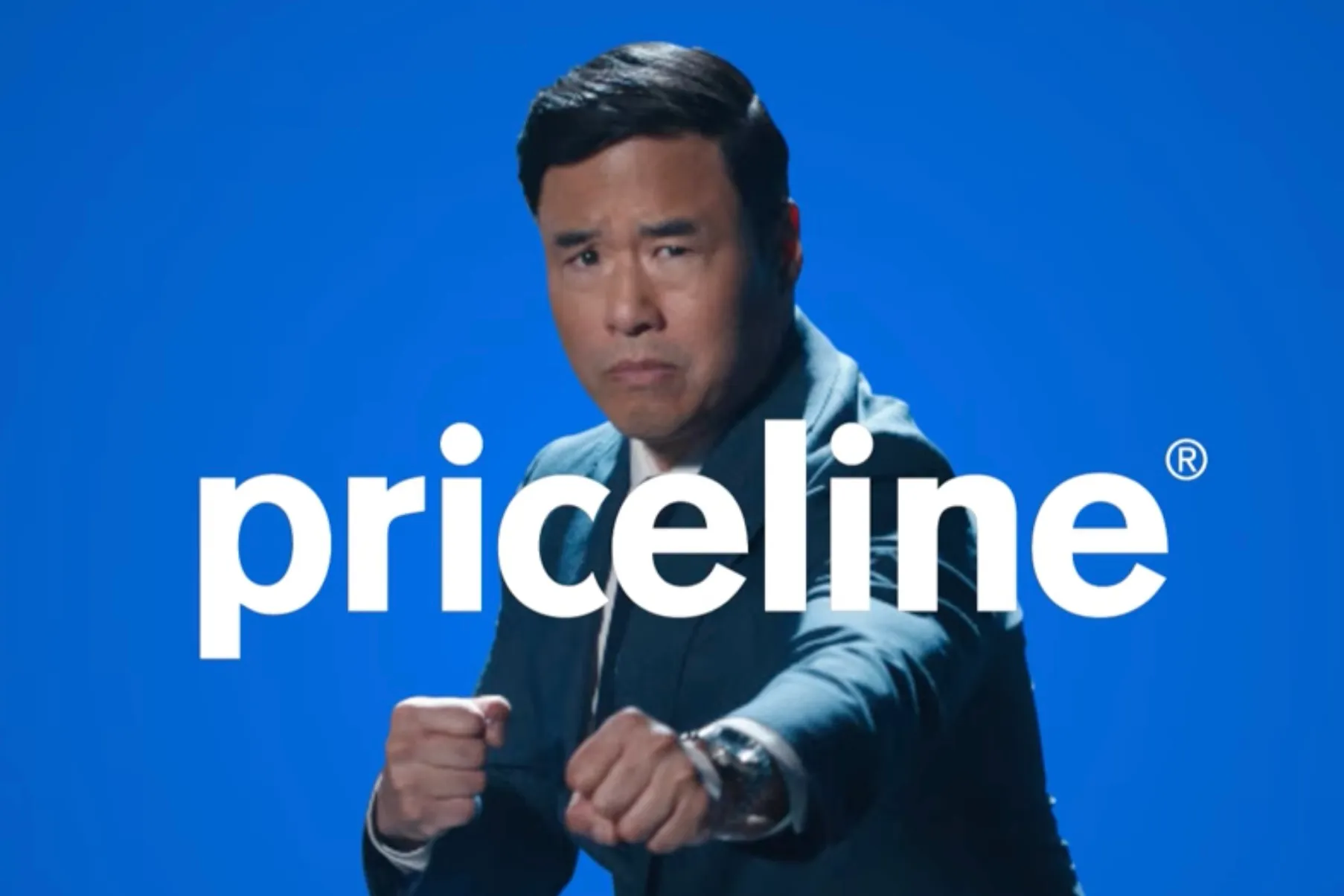
Priceline, a pioneering force in the online travel agency (OTA) sector, has officially relaunched its iconic Negotiator ad campaign, a strategic move spearheaded by its new CEO, Brigit Zimmerman. This pivotal moment is being leveraged by Zimmerman to articulate a compelling vision: that value-focused travel has never been more pertinent in the contemporary global landscape. The return of the beloved campaign, albeit with a modern twist and new talent, signals a renewed focus on Priceline’s core differentiator in a highly competitive market.
A New Era of Leadership and Strategy
Brigit Zimmerman, who previously served as Priceline’s chief commercial officer, assumed the helm as CEO in January, succeeding Brett Keller. Keller had led the Connecticut-based brand for nearly a decade, overseeing a period of significant growth and integration within the broader Booking Holdings portfolio. Zimmerman’s transition into the top leadership role marks a strategic inflection point for Priceline, positioning her to redefine its brand identity and market approach. In her inaugural interview as CEO, granted exclusively to Skift, Zimmerman delved into the intricacies of the new campaign, elaborated on how Priceline distinguishes itself from other OTAs—including its formidable sister company, Booking.com—and outlined the comprehensive efforts underway to remake the brand for a new generation of travelers.
The Reinvention of the Negotiator: From Shatner to Park
The centerpiece of Priceline’s strategic refresh is the reintroduction of its "Negotiator" advertising persona, a character deeply embedded in the collective consciousness of American consumers. William Shatner, the legendary actor who first embodied the role in 1997 as the pitchman for Priceline’s innovative "Name Your Own Price" product, has formally passed the torch. The mantle of the Negotiator is now held by Randall Park, known for his roles in popular series like "Fresh Off the Boat" and various film appearances.
This transition is not merely a change of actor but a deliberate evolution of the campaign’s tone and approach. "We’re bringing it back in a way that’s modern with a twist, with new talent, and with a different comedic approach," Zimmerman stated, highlighting the strategic intent behind the casting and creative direction. The aim is to resonate with a contemporary audience while retaining the core essence of value and cleverness that defined the original campaign. Industry analysts suggest that leveraging nostalgia with a fresh perspective is a potent marketing strategy, capable of re-engaging past customers while attracting new demographics. Data from marketing research firms indicate that campaigns successfully blending heritage with modernity can see up to a 15-20% boost in brand recall and engagement compared to entirely new campaigns.
A Legacy of Disruption: The Original Negotiator’s Impact
The original Priceline Negotiator campaign, launched during the nascent stages of the internet’s commercialization, was revolutionary. Debuting in 1997, a year after Priceline’s founding, William Shatner’s portrayal of a suave, sometimes eccentric, but always deal-savvy Negotiator became synonymous with the brand’s unique "Name Your Own Price" model. This innovative bidding system allowed consumers to propose a price for flights, hotels, or rental cars, which Priceline would then attempt to fulfill with its network of providers. This model offered unprecedented flexibility and the thrill of securing a significant bargain, perfectly encapsulated by Shatner’s charismatic delivery.
The campaign’s success was monumental, catapulting Priceline into the national spotlight and cementing its position as a leading online travel disruptor. During its peak in the late 1990s and early 2000s, the "Name Your Own Price" feature, amplified by Shatner’s celebrity, helped Priceline achieve remarkable brand recognition, reportedly reaching over 80% among online travelers. The humorous and memorable advertisements not only drove significant traffic to the platform but also fundamentally altered consumer perceptions of online travel booking, demonstrating the potential for substantial savings. The original campaign’s effectiveness underscores the power of a strong, consistent brand ambassador and a unique value proposition.
Leadership Transition: A New Chapter for Priceline
The change in leadership from Brett Keller to Brigit Zimmerman marks a significant internal transition within Priceline and its parent company, Booking Holdings. Brett Keller, who had been with Priceline since 1999 and served as CEO for nearly a decade, oversaw a period of strategic expansion and adaptation. Under his tenure, Priceline navigated the evolving digital landscape, integrated new technologies, and remained a key player in the fiercely competitive OTA market, contributing substantially to Booking Holdings’ overall success.
Zimmerman’s ascent to CEO from her role as Chief Commercial Officer is a testament to her deep understanding of Priceline’s operations, market dynamics, and strategic growth opportunities. Her experience in commercial strategy positions her well to articulate and execute a vision that aligns with current consumer demands and market realities. Industry observers note that internal promotions for CEO roles often signal continuity in strategic direction combined with a fresh perspective on execution, particularly in mature digital businesses like OTAs.
Brigit Zimmerman’s Strategic Imperative: Value as a Core Differentiator
At the heart of Zimmerman’s strategic agenda is a renewed emphasis on value-focused travel. This positioning is particularly salient in the current global economic climate, characterized by persistent inflation, economic uncertainties, and a post-pandemic surge in travel demand that has often led to higher prices. Consumers are increasingly scrutinizing their discretionary spending, making the pursuit of value a critical factor in travel planning.
Zimmerman’s focus on this aspect is a clear signal that Priceline aims to reclaim and reinforce its historical identity as the go-to platform for travelers seeking the best deals. While other OTAs might emphasize luxury, convenience, or unique experiences, Priceline is doubling down on its foundational promise: delivering maximum value for every travel dollar. This strategy aligns with recent market data indicating a significant uptick in budget-conscious travel bookings, with some reports suggesting a 25% increase in searches for discounted accommodations and flights over the past year. By clearly articulating this differentiator, Priceline aims to carve out a distinct niche and attract a broad segment of the market that prioritizes affordability without compromising quality.
Navigating the Complex OTA Ecosystem: Priceline’s Unique Position
Priceline operates within the vast and intricate ecosystem of online travel agencies, a landscape dominated by a few major players. Crucially, Priceline is part of Booking Holdings, one of the world’s largest online travel companies, which also owns Booking.com, Agoda, Kayak, Rentalcars.com, and OpenTable. This affiliation presents both advantages and challenges.
Zimmerman’s interview with Skift highlighted the strategic need for Priceline to differentiate itself, even from its sister companies. While Booking.com is renowned for its extensive global inventory, user-friendly interface, and broad appeal, Priceline historically focused on opaque pricing models (like "Name Your Own Price" or "Express Deals") that offered deeper discounts in exchange for less specific upfront details. This differentiation allows Booking Holdings to cater to diverse traveler segments under different brand identities.
Analysts suggest that Booking.com targets a broader, often more spontaneous and globally-minded traveler, while Priceline traditionally appealed to the highly price-sensitive and deal-savvy consumer. Zimmerman’s strategy appears to be a reaffirmation of this latter focus, emphasizing the unique value propositions that set Priceline apart. This portfolio approach allows Booking Holdings to capture a wider market share by offering distinct brand experiences tailored to specific consumer needs and preferences, minimizing cannibalization while maximizing overall market penetration. The continuous evolution of each brand, including Priceline’s remaking, is crucial for maintaining competitive edge within the conglomerate.
Remaking the Brand: A Holistic Evolution
Zimmerman’s statement about Priceline "remaking itself" implies a comprehensive strategic overhaul beyond just an advertising campaign. This likely encompasses several key areas:
- Technological Enhancements: Modernizing the platform’s backend and frontend to improve user experience, mobile responsiveness, and search algorithms. This includes leveraging artificial intelligence and machine learning to offer more personalized deals and recommendations.
- Product Offerings: Potentially expanding or refining its product portfolio to include more flexible booking options, package deals, or specialized value-added services that appeal to budget-conscious travelers.
- User Experience: Streamlining the booking process, enhancing customer support, and providing clearer, more transparent information about deals and savings.
- Brand Messaging: Developing a cohesive narrative that reinforces Priceline’s commitment to value, trust, and ease of use, communicated across all touchpoints from advertising to website content.
- Market Expansion: While primarily focused on the US market, exploring opportunities for strategic expansion or deeper penetration in key regions where value-driven travel is a significant trend.
This holistic approach is essential for any established brand seeking to remain relevant and competitive in a rapidly changing digital environment. Data suggests that companies investing in digital transformation and brand refresh initiatives can see a 10-15% increase in customer satisfaction and engagement over a two-year period.
The Broader Market Context: Travel Trends and Economic Headwinds
The timing of Priceline’s campaign relaunch and strategic re-emphasis on value is highly pertinent given prevailing global travel trends. The post-pandemic travel boom has been met with significant inflationary pressures, impacting everything from airfares and hotel rates to rental car prices. This economic environment has fostered a more discerning traveler base, one that is increasingly adept at comparing prices and actively seeking out deals.
- Inflationary Pressures: Global inflation rates have pushed up the cost of travel, making consumers more sensitive to pricing.
- Budget Consciousness: A significant segment of travelers, particularly younger demographics and families, are prioritizing cost savings over premium experiences.
- Digital Savviness: Travelers are more comfortable and proficient in using multiple platforms and tools to find the best deals, often spending hours researching before booking.
- Demand for Flexibility: While not strictly value-focused, the desire for flexible booking and cancellation policies remains high, especially after the uncertainties of the pandemic.
Priceline’s renewed focus directly addresses these trends, positioning the brand as a solution for travelers navigating these challenges. By aligning its core message with current consumer pain points, Priceline aims to capture a larger share of the market that values smart spending.
Expert Perspectives and Industry Implications
Marketing and travel industry analysts view Priceline’s move as a strategic and well-timed decision. "Bringing back the Negotiator is a brilliant play on brand equity and nostalgia," comments Dr. Eleanor Vance, a professor of marketing at a leading business school. "In an era of endless digital noise, a familiar, trusted icon can cut through the clutter. The challenge, however, will be to ensure Randall Park’s comedic approach genuinely resonates with the modern traveler and effectively communicates the new value proposition without alienating the loyal customer base."
The implications extend beyond Priceline itself. For Booking Holdings, this move strengthens its multi-brand strategy, ensuring that each major platform within its portfolio has a clear, differentiated identity. "Priceline’s distinct focus on value, spearheaded by the new Negotiator, reinforces Booking Holdings’ ability to serve every segment of the travel market," notes an analyst from a prominent financial institution. "It allows Booking.com to continue its broad appeal while Priceline caters specifically to the deal-seeker, thereby maximizing the conglomerate’s overall market share and resilience against competitors like Expedia Group and Google Travel."
The re-launch also signals a potential shift in competitive advertising strategies within the OTA sector. As consumers become more price-sensitive, other OTAs might be compelled to re-evaluate their own value propositions and marketing messages, potentially leading to increased promotional activity and a renewed emphasis on cost-saving features across the industry.
Looking Ahead: Priceline’s Future Trajectory
As Brigit Zimmerman embarks on her tenure as CEO, the relaunch of the Negotiator campaign represents a bold statement of intent for Priceline. It signifies a commitment to its historical roots of delivering exceptional value while simultaneously embracing a modern sensibility. The success of this strategic pivot will hinge on several factors: the effectiveness of the new campaign in resonating with target audiences, the seamless integration of technological and product enhancements, and the sustained ability to deliver on its promise of superior value in an ever-evolving travel market.
With a new leader at the helm and a reimagined iconic campaign, Priceline is positioned to solidify its standing as a formidable player in the online travel industry, aiming to empower a new generation of travelers to explore the world intelligently and affordably. The coming months will reveal the full impact of these strategic initiatives as Priceline seeks to redefine its legacy and chart a course for sustained growth and relevance in the competitive digital travel landscape.




 Anjar Salim
 Chandra Hamzah
 Budi Mulyono
 Lukman Taruna Persada Ramadan
