
 Budi Mulyono

Passengers aboard a Qantas ultra-long-haul service from Western Australia to the Italian capital experienced an unwelcome and distressing addition to their journey when an outbreak of bed bugs was discovered inside the cabin. The incident, which unfolded on October 9, 2026, during flight QF5 from Perth to Rome, disrupted international travel schedules, forced the grounding of a multimillion-dollar Boeing 787-9 Dreamliner, and left dozens of travelers stranded in Europe while maintenance crews scrambled to sanitize the aircraft.
The unexpected ordeal transformed what was already a grueling 17-hour journey into a biological containment situation. While commercial aviation has increasingly focused on luxury, connectivity, and passenger comfort on ultra-long-haul routes, this incident highlighted the persistent vulnerability of modern transport networks to resilient household pests.
Main Facts and Incident Overview
Flight QF5 departed Perth Airport on Friday, October 9, 2026, bound for Leonardo da Vinci–Fiumicino Airport in Rome. Shortly after takeoff and extending well into the marathon journey, multiple passengers seated in specific rows within the economy cabin began reporting intense itching, visible skin irritations, and the unmistakable sensation of insect bites. Upon closer inspection, travelers and flight attendants confirmed the presence of bed bugs crawling among the economy upholstery and seat crevices.
In response to the growing discomfort of the affected passengers, the cabin crew initiated emergency medical protocols. Following remote medical advice, flight attendants distributed antihistamines to help mitigate allergic reactions and soothe discomfort. However, due to the protracted duration of the 17-hour flight and the high volume of complaints, the aircraft’s onboard medical supplies reportedly ran out before the flight landed in Rome.
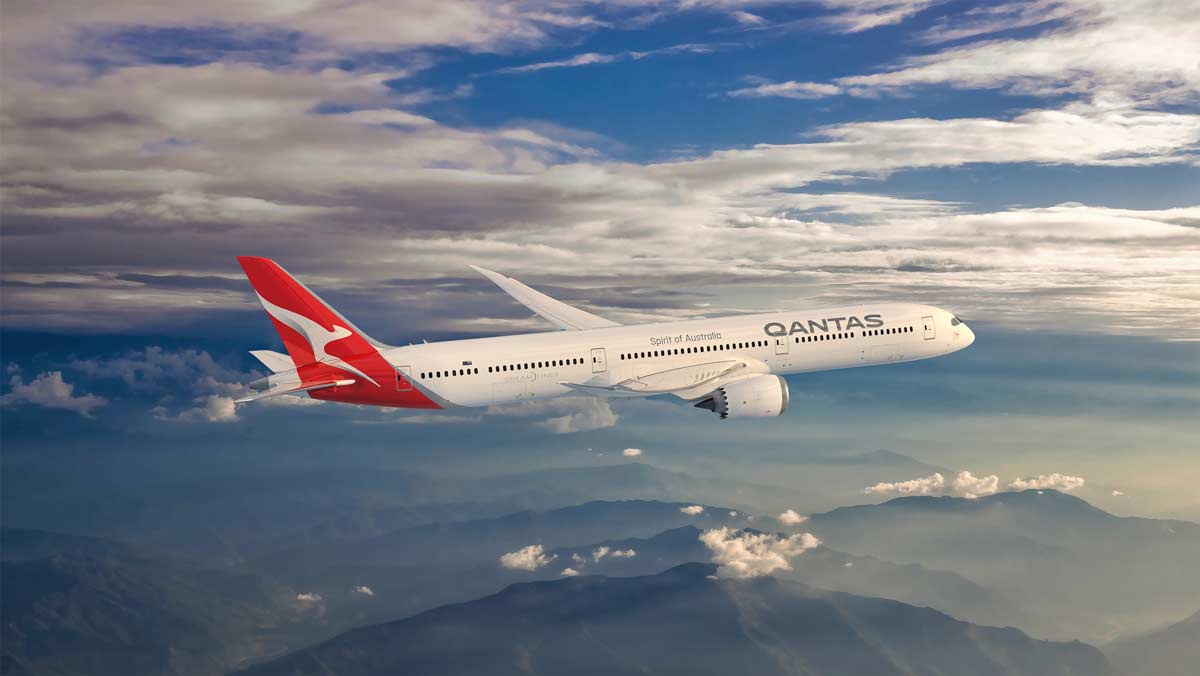
The discovery immediately triggered operational alarm bells within Qantas management. Upon touching down in Rome, the severity of the infestation necessitated the immediate cancellation of the return leg—flight QF6 from Rome to Perth, which had been scheduled for Saturday, October 10. Grounding the aircraft prevented the potential spread of the parasites to other routes but created an immediate logistical challenge for hundreds of travelers booked on the return sector.
Chronology of Events
The unfolding crisis followed a tight operational timeline that severely tested Qantas’s customer service and ground-handling infrastructure in Europe:
October 9, 2026 (Day 1): Flight QF5 departs Perth for Rome. Midway through the 17-hour journey, passengers in the economy cabin discover bed bugs and report bites to the crew. Antihistamines are distributed, but supplies deplete before arrival.
October 10, 2026 (Day 2): The aircraft lands in Rome. Qantas engineers and specialized pest control teams assess the cabin. Management officially cancels the return flight QF6 (Rome to Perth) to allow for comprehensive fumigation, deep cleaning, and thermal treatment of the affected seating zones. Stranded passengers are disembarked and transferred to local partner hotels in Rome.
October 11–12, 2026 (Days 3–4): Maintenance teams conduct intensive eradication procedures on the Boeing 787-9 Dreamliner. Affected passengers are systematically rebooked onto alternative routing services via Qantas partner airlines or subsequent available flights, with all travelers successfully accommodated within a 48-hour window of their original scheduled departure time.
Airline Response and Official Statements
Qantas issued formal apologies to all affected customers, emphasizing that the safety, health, and comfort of passengers remain the airline’s highest priorities. Representatives for the national carrier explained that taking an aircraft out of service during peak operational schedules is a costly and complex decision, but one that was deemed mandatory under the circumstances.

According to airline maintenance schedules, the carrier’s widebody fleet undergoes routine cleaning protocols, which include standard disinfection cycles executed approximately every 50 days. However, commercial aviation engineering experts note that standard turnaround cleanings—often lasting only a couple of hours between international flights—are rarely sufficient to detect or eliminate hidden parasitic insects.
Bed bugs are notoriously difficult to eradicate due to their biological stealth. Measuring only a few millimeters in length, these nocturnal insects can wedge themselves into microscopic seams, fabric folds, luggage linings, and composite panel crevices. Because they do not rely on the physical body of a host to travel, they are frequently transported across international borders via passenger luggage, coats, and personal clothing, making their introduction onto commercial aircraft an ongoing challenge for global carriers regardless of airline prestige or ticket class.
The Science and Reality of Bed Bug Infestations
Public health authorities, including the Centers for Disease Control and Prevention (CDC), classify bed bugs as a nuisance rather than a major vector of infectious disease. Unlike mosquitoes, ticks, or fleas, bed bugs are not known to transmit human pathogens or blood-borne illnesses. However, their bites can cause significant physical and psychological distress, including localized skin inflammation, severe pruritus (itching), secondary bacterial infections from scratching, and anxiety or sleep disruption.
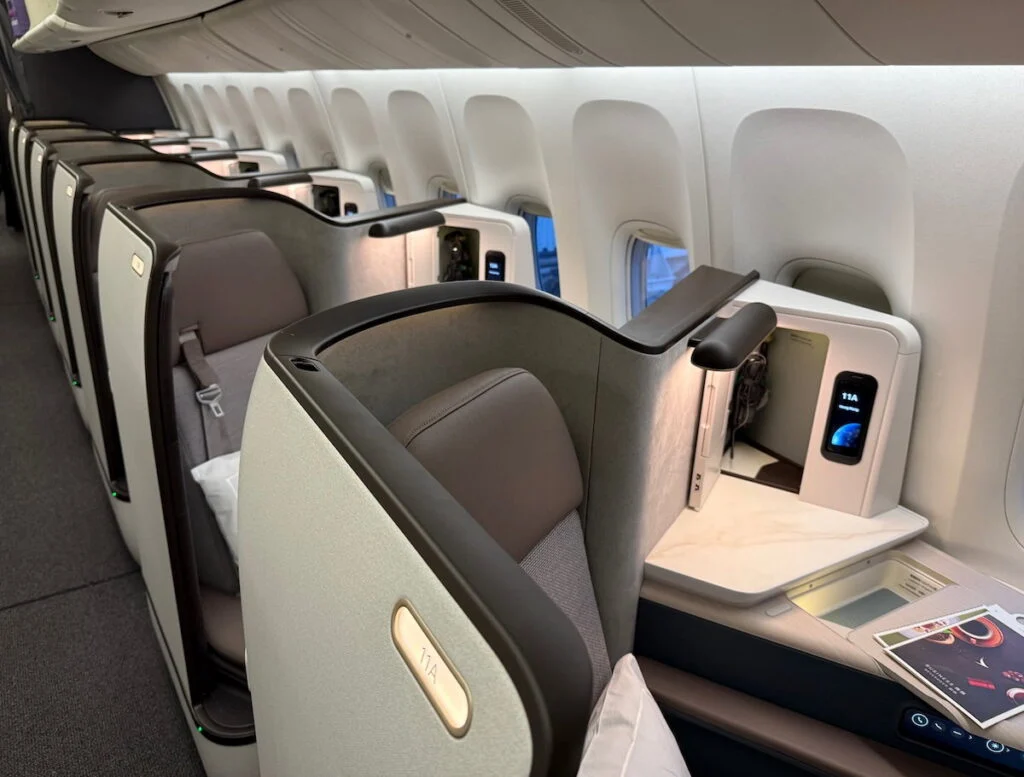
The unexpected localization of the pests within the economy cabin—sparing the premium Business Class section—sparked considerable discussion among frequent flyers and aviation analysts. While luxury cabins often feature enclosed suites, leather upholstery, and distinct bedding materials that may offer fewer nesting opportunities, economy cabins utilize dense fabric upholstery, tightly packed seating configurations, and shared overhead storage bins that can facilitate the movement of insects from passenger to passenger.
Passenger Rights and Best Practices

For travelers navigating the skies, the incident serves as a stark reminder of the universal nature of modern travel risks. Aviation consumer advocates recommend specific protocols for passengers who suspect or encounter similar biological issues mid-flight:
Immediate Notification: Alert cabin crew immediately upon sighting insects or noticing unexplained bites so that an incident report can be filed while airborne.
Photographic Evidence: Capture clear, time-stamped photographs of the insects, the physical bites, and the specific seat numbers or row locations to support future compensation or insurance claims.
Post-Flight Quarantine: Upon returning home, travelers should inspect luggage outside the primary living areas, wash all travel clothing in high-heat cycles, and vacuum suitcases thoroughly to prevent the transfer of hitchhiking pests into domestic residential environments.
Broader Industry Impact and Economic Implications
The grounding of a Boeing 787-9 Dreamliner carries severe financial repercussions for an airline. Widebody aircraft represent high-value assets designed to generate revenue continuously across intercontinental networks. Taking a Dreamliner out of service for unscheduled deep cleaning results in immediate losses stemming from passenger compensation, hotel accommodation expenses, rebooking fees on competing carriers, and lost ticket revenue from canceled sectors.
Furthermore, the incident underscores the broader resurgence of bed bug reports across global transportation and hospitality sectors. In recent years, major metropolitan transit systems, international hotels, and global airports have reported spikes in bed bug activity as international travel volumes return to or exceed pre-pandemic highs. For airlines operating ultra-long-haul routes—such as Qantas’s expanding network connecting Western Australia directly to European hubs like Rome—maintaining cabin hygiene has become an increasingly complex operational hurdle.
While Qantas’s decision to ground the aircraft and absorb the significant financial cost of cancellation was praised by aviation observers as a responsible and necessary measure, the event has intensified calls across the industry to reevaluate cleaning frequencies, adopt advanced biological detection technologies, and shorten deep-cleaning intervals for long-haul fleets. As airlines continue to stretch the boundaries of non-stop flight distances, ensuring that passenger cabins remain free of unwanted biological passengers will remain a critical operational imperative for commercial aviation worldwide.



 Diana Nuri Rohmawati

 Gabriela Annisa

 Lukman Taruna Persada Ramadan

 Tatiana Tantri Indah Sari

 Anjar Salim

