
 Budi Mulyono

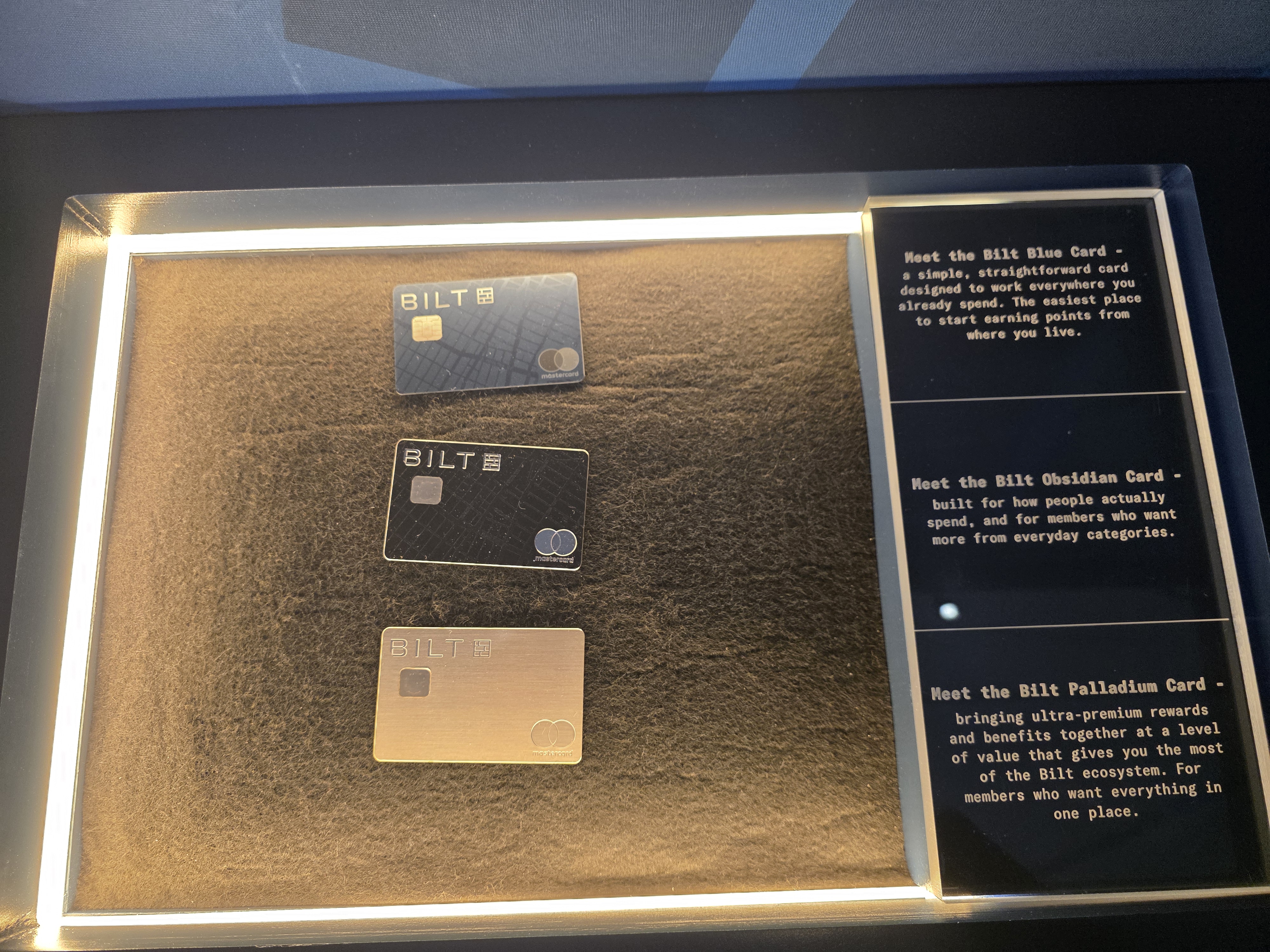
The landscape of premium travel rewards credit cards has undergone a significant transformation, with specialized offerings capturing the attention of high-spending consumers and travel enthusiasts alike. Among the most discussed financial products in recent years is the Bilt Palladium Card, a premier offering that has redefined earning potential and redemption flexibility. As year-end financial tallies are completed by cardholders across the country, early performance indicators and personal case studies illustrate just how lucrative specialized rewards ecosystems can be when optimized strategically. For individuals capable of routing substantial annual expenditures through a single rewards vehicle, the financial return on investment—driven by accelerated point structures and versatile redemption options—has established a new benchmark within the credit card industry.
Main Facts and Core Value Proposition
At the center of this financial discussion is the Bilt Palladium Card, which has distinguished itself through an aggressive rewards structure. Cardholders utilizing the system have reported earning a minimum of three Bilt Points per dollar spent across a wide array of categories, with opportunities for even higher yields depending on targeted promotional periods and strategic integrations. Beyond point accumulation, the card has delivered tangible monetary value through concurrent benefits, with some active users extracting nearly $2,000 in annual value from combined perks, statement credits, and lifestyle redemptions.

A primary driver of this value is the platform’s unique integration with everyday large-scale expenses. By allowing consumers to leverage Bilt Cash mechanisms alongside major recurring liabilities—such as monthly mortgage payments—users can simultaneously satisfy primary financial obligations while generating substantial travel currency. Furthermore, the strategic deployment of points accelerators has allowed select cardholders to secure a 3x multiplier (representing an extra point per dollar spent) across tens of thousands of dollars in cumulative annual expenditures. Beyond the raw accumulation of points, the conversion of Bilt Cash toward high-value lifestyle redemptions, premium hotel stays, and specialized transportation services has added thousands of dollars in direct savings for engaged consumers.
Chronology and Strategic Implementation
The operational timeline of maximizing a premium card like the Bilt Palladium typically involves a phased approach to household spending and point optimization. Throughout the initial months of card membership, primary account holders focus on maximizing core earning thresholds, including the activation and utilization of points accelerators to lock in elevated returns on heavy spend volumes.
As the calendar year progresses and primary spending caps or accelerator limits are met, sophisticated cardholders frequently adjust their structural approach. For instance, once an individual account holder maximizes specific promotional accelerators, optimizing the rewards ecosystem often involves leveraging authorized user mechanics. By introducing an authorized user—such as a spouse—into the account structure for a nominal annual fee, households can pivot their ongoing daily expenditures to a fresh earning profile. This ensures that subsequent spending continues to route points and accumulated Bilt Cash into designated accounts without hitting pre-established individual caps prematurely. This phased transition from primary account optimization to authorized user deployment represents a sophisticated playbook utilized by experienced point-maximization strategists.
Supporting Data and Ecosystem Mechanics
The underlying strength of the Bilt rewards program relies heavily on the versatility and valuation of the points currency it generates. Within the proprietary travel portal, accumulated points hold a baseline redemption value of 1.25 cents apiece, providing a reliable floor for travel bookings. However, financial analysts and travel experts frequently note that the true ceiling of the program lies in its robust roster of transfer partners.
Bilt’s network encompasses a diverse array of major domestic and international airline and hotel loyalty programs. By allowing cardholders to transfer points directly to these partner programs at favorable ratios, consumers can unlock outsized value, often exceeding several cents per point when booking premium cabin international flights or luxury hotel properties.
When evaluating the total financial return, the math supporting heavy spending on the Bilt Palladium Card becomes compelling. Consider a high-volume spender routing significant monthly overhead through the card:

- Baseline earnings of 3x points per dollar on routine and structured expenditures.
- Strategic deployment of point accelerators covering up to $25,000 or more in annual volume.
- Direct redemption of Bilt Cash toward lifestyle perks, transit services, and lodging, yielding upwards of $1,800 in supplementary value.
- Nominal authorized user overhead offset entirely by the incremental rewards generated through secondary card spend.
Official Responses and Program Positioning
While financial institutions and issuing partners maintain strict regulatory compliance regarding individual earnings claims and product reviews—noting that personal experiences do not constitute universal guarantees—the broader reception of Bilt Rewards in the financial sector has been notably enthusiastic. Major financial partners, including prominent banking institutions that collaborate within the broader credit ecosystem, recognize the disruptive nature of Bilt’s loyalty model.
Representatives for rewards programs emphasize that modern consumers increasingly demand hybrid utility from their financial products. By bridging the gap between non-traditional credit card spending categories (such as rent and mortgage payments) and traditional travel rewards transfer ecosystems, Bilt has successfully captured a lucrative demographic of high-net-worth consumers who prioritize flexibility and high return rates above static cash-back structures.
Broader Impact and Market Implications

The success of the Bilt Palladium Card and its surrounding ecosystem signals a broader shift in the premium credit card market. Historically, premium cards competed primarily on airport lounge access, generic travel credits, and standard dining or flight multipliers. However, the introduction of products that reward foundational household expenditures—while simultaneously maintaining a comprehensive suite of high-value airline and hotel transfer partners—has raised consumer expectations.
For the wider credit card industry, this trend underscores the necessity of continuous innovation. Issuers can no longer rely solely on legacy prestige to retain top-tier cardholders. Instead, they must offer dynamic earning structures that adapt to the changing financial realities of consumers, particularly in high-cost housing and real estate markets where large monthly outflows traditionally yielded zero rewards.
Ultimately, for consumers positioned to route significant capital through their credit lines, the evolution of these programs offers unprecedented leverage. As financial institutions continue to refine their offerings, the standard for what constitutes a "best-in-class" rewards card has permanently shifted, with programs like Bilt setting a rigorous competitive pace for the foreseeable future.




 Gabriela Annisa

 Lukman Taruna Persada Ramadan

 Tatiana Tantri Indah Sari

 Anjar Salim


 Dwi Wanna
