
 Anjar Salim
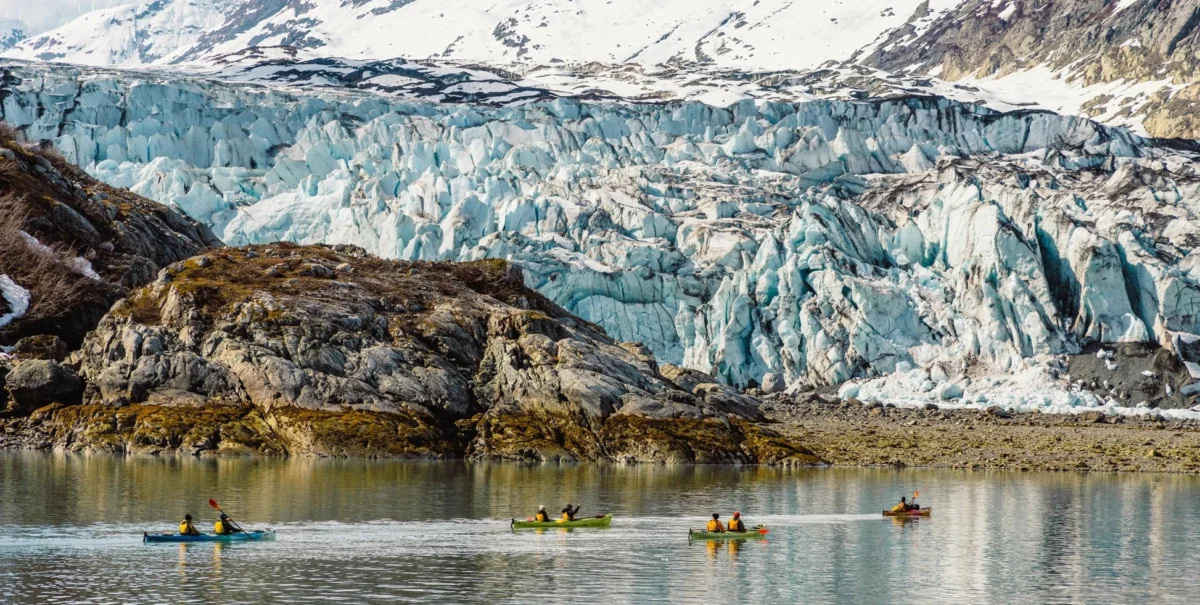
The traditional cruise industry has long been defined by mega-ships, bustling commercial ports, standardized itineraries, and thousands of passengers navigating crowded decks. However, a significant shift in consumer travel habits has given rise to a new category of maritime tourism: expedition cruising. Moving away from rigid schedules and massive vessels, modern adventure-first travelers increasingly seek immersive, nature-focused journeys that prioritize remote wilderness over commercialized ports of call. At the forefront of this movement is UnCruise Adventures, a small-ship cruise line that treats its vessels less like floating resorts and more like mobile base camps for active exploration.
Operating in ecologically sensitive regions such as Alaska, Hawaii, Costa Rica, Panama, Mexico, and the Galápagos Islands, the company’s operational model challenges conventional cruising norms. By stripping away traditional cruise amenities—such as waterslides, casinos, and large-scale entertainment—and replacing them with coastal kayaking, wilderness hiking, and marine snorkeling, the line caters to a demographic that values environmental engagement and active participation over passive observation.
The Structural Evolution of Small-Ship Expeditions
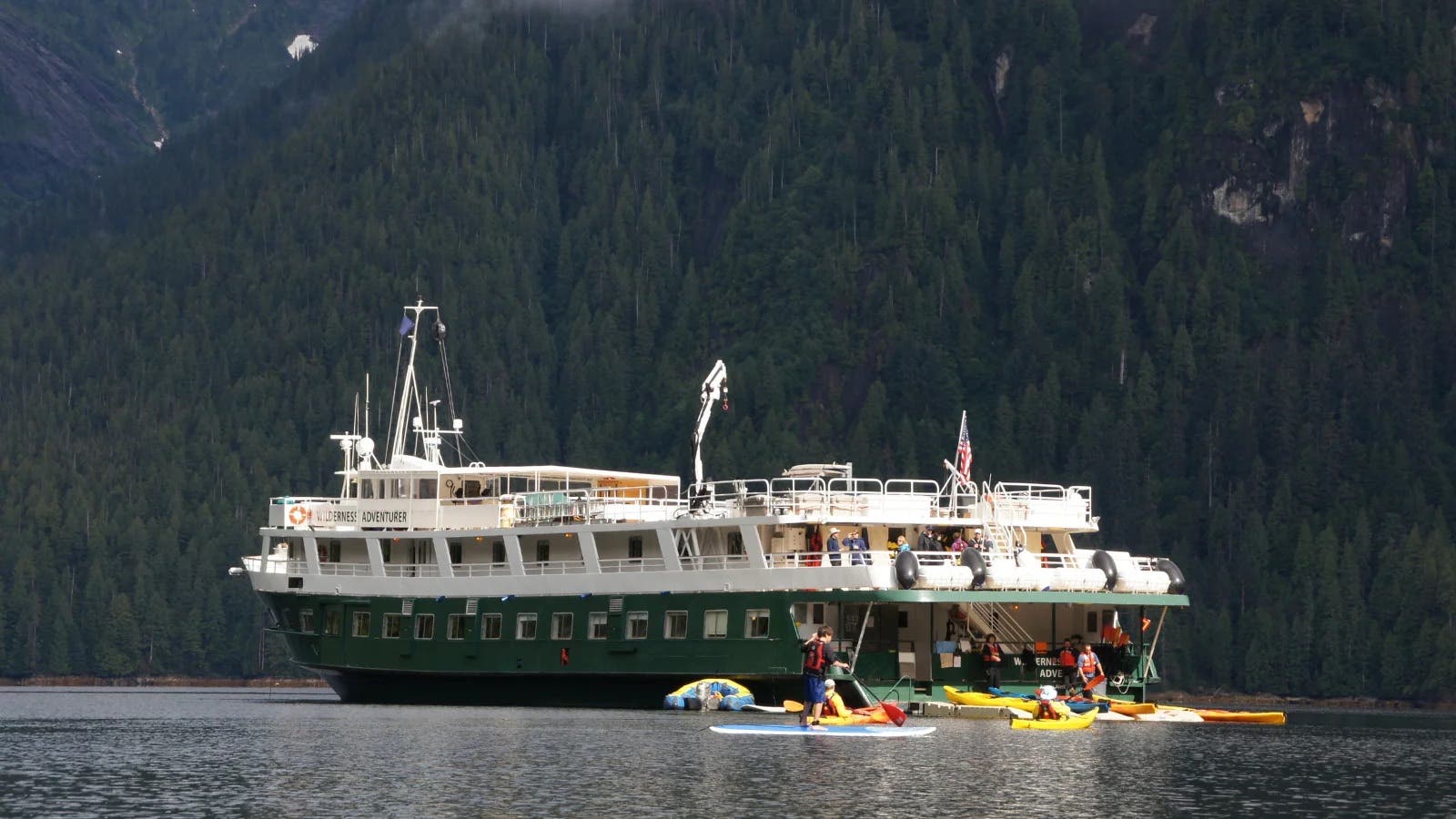
The operational philosophy of UnCruise Adventures centers on intimacy and accessibility. Unlike conventional cruise liners that routinely carry upwards of 3,000 to 6,000 passengers, the UnCruise fleet consists of vessels accommodating between 22 and 86 guests. This scale alters the passenger experience, fostering a communal environment among guests, crew members, and expedition guides while offering distinct logistical advantages.
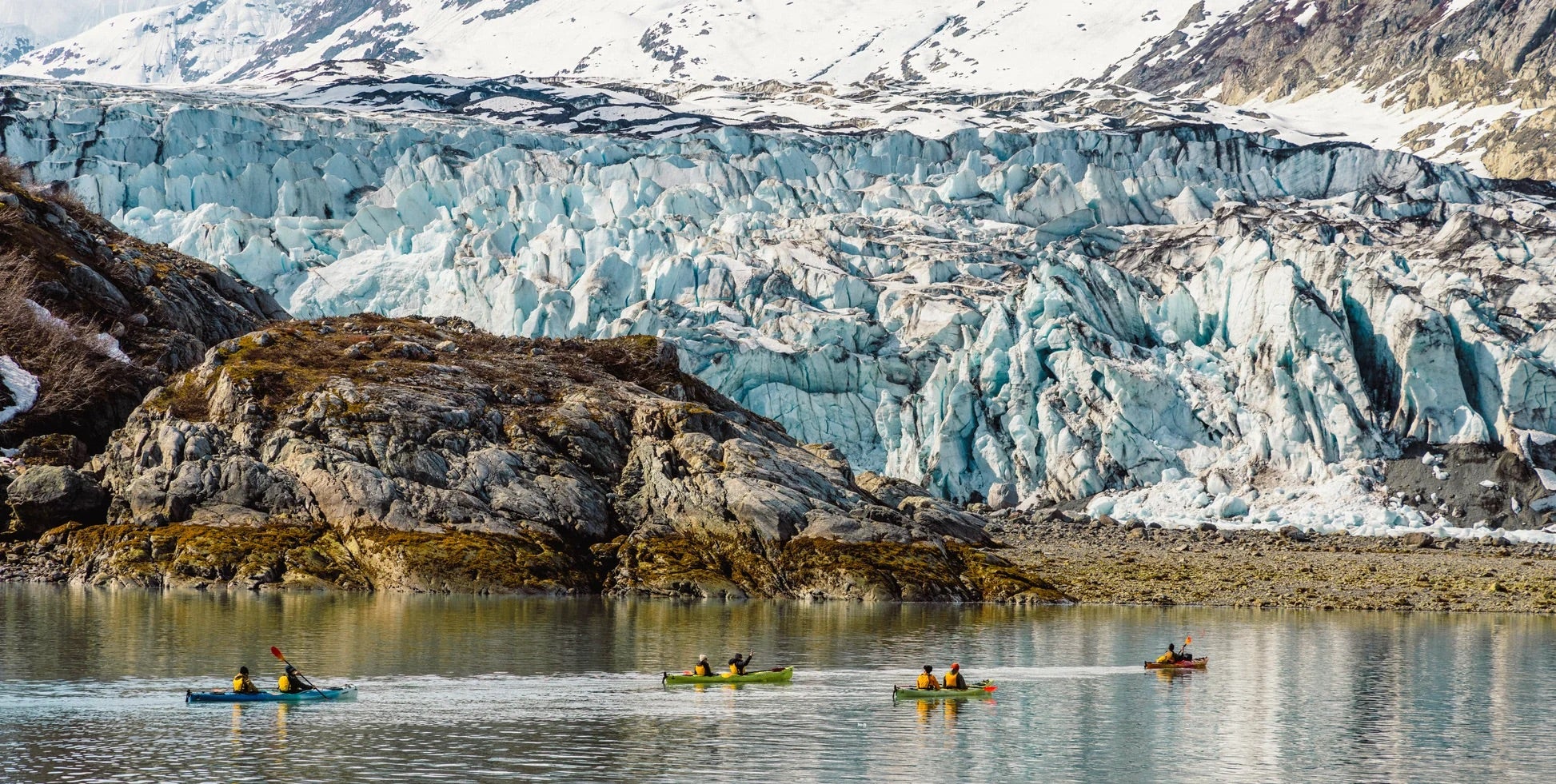
From a navigation standpoint, smaller hulls can traverse narrow fjords, shallow coves, and remote waterways that remain entirely inaccessible to larger cruise ships. These isolated destinations—many of which lack road infrastructure and can only be reached via water or seaplane—form the core of the travel itineraries.
Despite the rugged nature of the destinations, onboard accommodations maintain a high standard of comfort. Cabins are designed for functional coziness, and dining programs emphasize sea-to-plate culinary concepts utilizing locally sourced ingredients. Yet, shipboard life is deliberately kept secondary to the surrounding environment. As Captain Dan Blanchard, chief executive officer of UnCruise Adventures, frequently emphasizes to passengers, the primary focus remains outward. Nightly briefings transition from standard cruise scheduling to detailed, guide-led presentations regarding the regional marine biology, avian populations, and terrestrial ecology observed throughout the day.
Flexibility and the Mechanics of Adaptive Itineraries
A defining characteristic of expedition-style cruising is the departure from fixed daily schedules. Traditional cruise lines operate on strict timetables dictated by port availability and fuel efficiency, often resulting in missed opportunities should weather or wildlife movements shift unexpectedly. In contrast, UnCruise utilizes what leadership describes as "a plan from which to deviate."
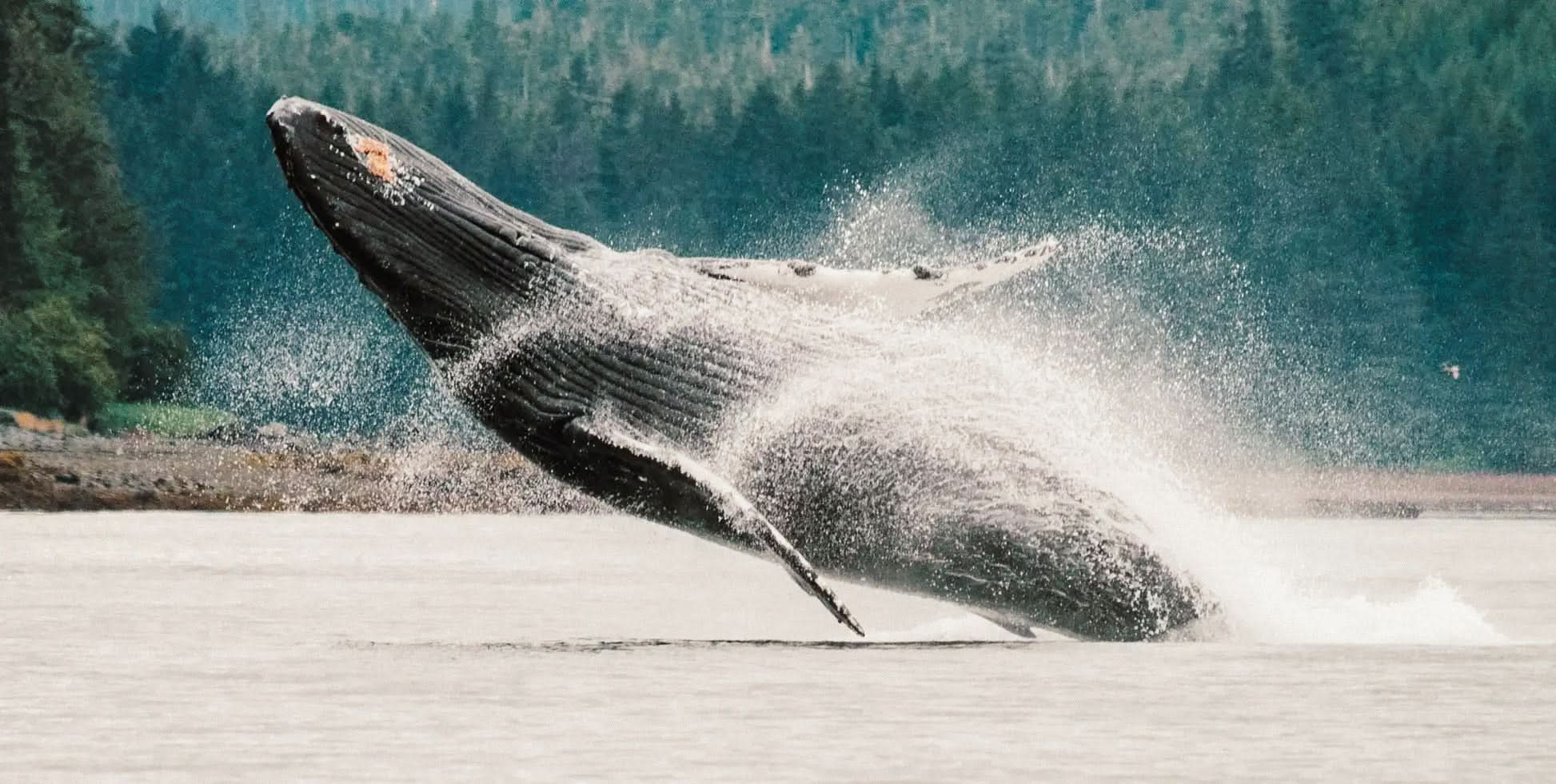
Itinerary outlines serve as flexible frameworks rather than binding contracts. Expedition leaders and vessel captains continuously assess environmental variables, including local weather patterns, tidal movements, and spontaneous wildlife encounters. Should a pod of orcas breach near an Alaskan vessel, or a humpback whale display surface behavior along a coastal transit, the daily agenda is immediately adapted to incorporate the event.
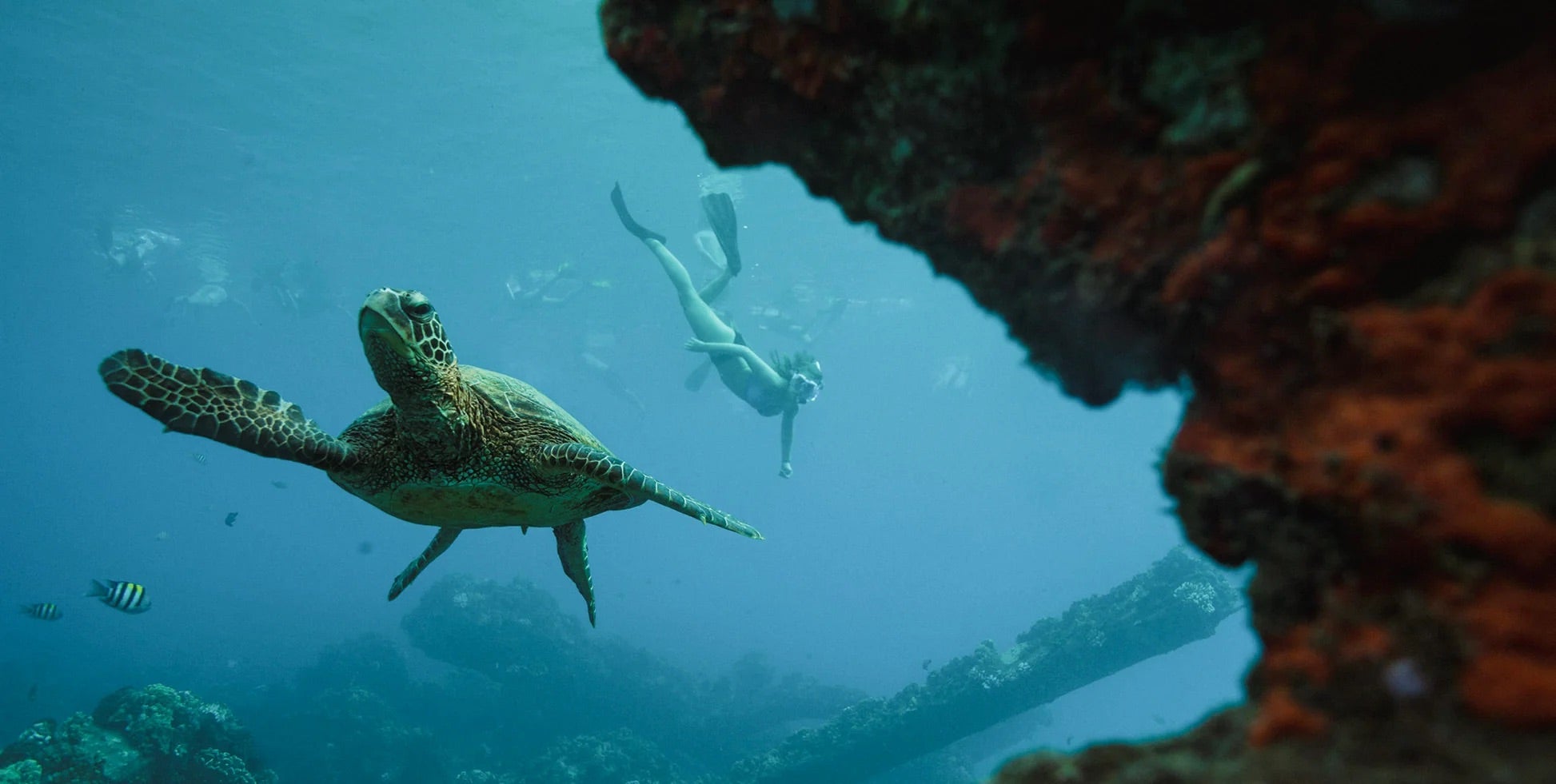
This dynamic approach embraces a level of uncertainty that appeals to seasoned adventure travelers. For guests unaccustomed to fluid scheduling, the operational model relies on expert naturalist guides who manage logistics seamlessly, ensuring that alternative activities are readily available if weather systems necessitate a change of course. Furthermore, all-inclusive pricing structures eliminate supplementary fees for equipment rentals, guided excursions, and specialized outings, ensuring transparency across all operational regions.
Deep-Dive Exploration in the Alaskan Market
The divergence between conventional cruising and expedition travel is most pronounced in Alaska, a destination that has experienced exponential growth in maritime tourism over the past decade. While major cruise lines routinely deploy mega-ships along well-traveled Southeast Alaska marine corridors—frequently departing from Seattle or Vancouver and incorporating international port calls in Canada—expedition operators utilize a distinctly different logistical framework.
UnCruise vessels primarily operate on U.S.-flagged ships, a regulatory distinction that grants them unencumbered navigation rights within domestic waters without requiring mandatory international port stops. Consequently, itineraries can begin and end directly within Alaska, eliminating lengthy transit days at sea. By traveling predominantly during overnight hours, the vessels position themselves near the day’s primary wilderness objective by sunrise.
Statistical comparisons highlight this operational divergence. While a standard weeklong commercial cruise in Alaska may cover upwards of 3,000 nautical miles, expedition itineraries typically cap total transit at approximately 400 miles. This reduction in cruising speed and distance allows for deep immersion in specific ecosystems across Southeast, Southcentral, Interior, and Southwest Alaska.
Furthermore, the operational season extends from April through late September, exposing travelers to distinct seasonal transitions. Spring voyages offer opportunities to view landscapes beneath the northern lights; peak summer months coincide with abundant marine mammal activity, including breaching humpback whales; and late-season itineraries align with active salmon runs, drawing significant brown bear populations to coastal riverbanks.
Accessing Unprecedented Wilderness Areas
The practical implications of small-ship travel are vividly demonstrated in protected environments such as Glacier Bay National Park. While millions of tourists visit the park annually via large cruise ships, industry data indicates that fewer than one percent of those visitors ever set foot in the outer bay wilderness, as passengers generally view the glaciers strictly from upper observation decks.
Small-ship operators bypass this limitation by deploying rigid-hull inflatable boats, kayaks, and specialized hiking teams directly to remote shorelines. Expeditions in Glacier Bay often include strenuous ridgeline hikes overlooking glacial formations such as the Lamplugh Glacier, granting travelers direct physical access to environments largely shielded from mass tourism.
Industry Implications and the Future of Sustainable Adventure Travel
The steady expansion of the expedition cruise sector reflects broader shifts within the global tourism market. As travelers increasingly prioritize experiential authenticity, environmental consciousness, and physical engagement over standardized leisure, maritime operators are under mounting pressure to adapt.
The success of low-impact, high-engagement models suggests that future growth in coastal and polar tourism will likely favor smaller, highly adaptable fleets capable of operating with minimal infrastructure footprints. By integrating flexible itineraries, domestic flagging compliance, and all-inclusive educational programming, operators like UnCruise Adventures have established a benchmark for how modern maritime expeditions can balance guest expectations with environmental respect.
As regulatory oversight tightens in ecologically sensitive regions worldwide, the ability of small-ship operators to navigate remote waters responsibly while delivering high-value adventure tourism will continue to shape the trajectory of the broader travel industry.




 Diana Nuri Rohmawati

 Gabriela Annisa

 Lukman Taruna Persada Ramadan

 Tatiana Tantri Indah Sari

