Anjar Salim
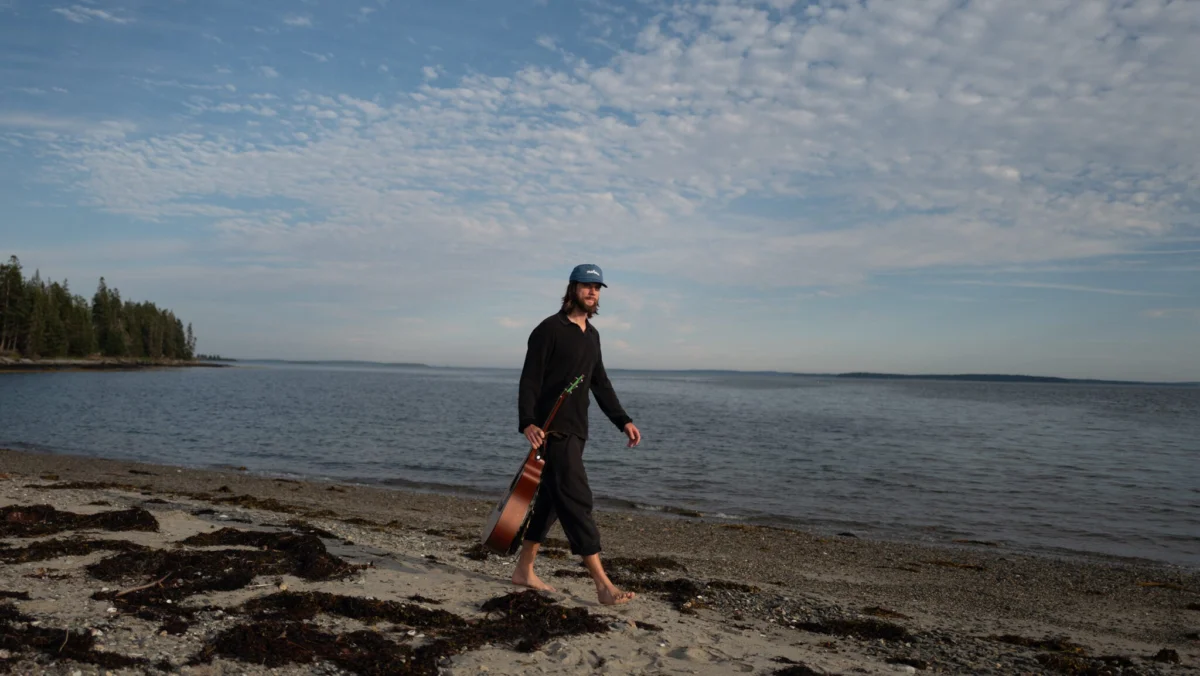
The intersection of acoustic performance and public land stewardship has gained a new cultural benchmark with the release of the second season of Park Sessions, an immersive media initiative developed in partnership with Pacifico. Premiering in October 2026, the ongoing project brings critically acclaimed touring musicians—specifically Matt Quinn of indie-folk outfit Mt. Joy, improvisational freestyle artist Harry Mack, and multi-instrumentalist virtuoso Tash Sultana—into the rugged terrain of America’s most prominent national parks. Acadia, Yellowstone, and Shenandoah serve as the acoustic backdrops for these performances, framing a broader dialogue surrounding modern outdoor recreation, Leave No Trace principles, and the logistics of executing sustainable wilderness travel. While the visual and auditory components of the series capture the aesthetic appeal of public lands, the production also functions as an educational framework. By observing how professional touring artists interact with remote ecosystems, travelers are offered a practical blueprint for planning high-impact, low-footprint national park itineraries. The initiative arrives at a time when national park visitation metrics continue to strain infrastructure, placing heightened importance on digital navigation tools, advance reservation compliance, and regional economic engagement through local sourcing.
Chronology and Development of the Initiative
The genesis of Park Sessions stems from a growing cultural convergence between outdoor recreation brands and independent artists seeking unconventional performance spaces. Following the commercial and critical reception of its inaugural run, production for Season Two began more than a year prior to its public launch, requiring extensive coordination with the National Park Service (NPS) and regional permits offices.
Planning for the 2026 season commenced in the late winter months, aligning with the critical six-month reservation windows enforced by federal booking platforms like Recreation.gov. Production crews and participating artists spent consecutive weeks on location during shoulder seasons to minimize environmental disruption and visitor congestion.
- Phase One (Winter): Site selection, regulatory permit acquisition, and logistical mapping via offline digital cartography tools such as Gaia GPS.
- Phase Two (Spring): Advance campsite procurement, local supply chain auditing, and initial acoustic testing within designated wilderness boundaries.
- Phase Three (Summer): On-site filming, live-to-nature audio recording sessions in Acadia, Yellowstone, and Shenandoah, and collaboration with regional culinary purveyors.
- Phase Four (October): Official digital rollout, media syndication through outdoor lifestyle publications, and the release of curated companion playlists.
This structured timeline mirrors the precise planning required of everyday travelers. The deliberate synchronization of permits, navigation technology, and logistical foresight underscores the central thesis of the series: that spontaneous wilderness experiences are fundamentally enabled by rigorous preparation.
Navigating Wilderness: The Role of Digital Cartography in Modern Conservation
As annual visitation to the United States National Park System hovers near historic highs—routinely exceeding 300 million recreational visits nationwide—trail safety and ecological preservation have become paramount concerns for land managers. Navigation errors account for a significant percentage of search-and-rescue (SAR) operations managed by the National Park Service, straining municipal and federal emergency response teams.
To mitigate these risks, modern outdoor expeditions increasingly rely on advanced digital mapping solutions. Throughout the production of Season Two, crews and artists utilized Gaia GPS to plot routes across complex topographies, ranging from the rugged coastal granite of Maine to the high-altitude geothermal basins of Wyoming.
Industry analysts note that the integration of offline mapping software has shifted how recreationists approach backcountry travel. Key operational advantages of digital trail management include:
- Cellular Independence: The capacity to download topographical layers, satellite imagery, and public land boundaries for offline use ensures spatial awareness in remote zones lacking cellular infrastructure.
- Route Customization: The ability to filter trails by difficulty, elevation gain, and historical usage patterns distributes foot traffic more evenly, preventing the erosion of hyper-popular corridors.
- Geospatial Precision: Real-time location tracking reduces inadvertent trail departures, thereby protecting fragile alpine flora and sensitive wildlife habitats from trampling.
By demonstrating the practical utility of these tools on screen, the production normalizes digital preparation as a fundamental component of responsible outdoor stewardship.
The Logistics of Advance Permitting and Campsite Procurement
One of the most persistent hurdles facing contemporary national park travelers is the heightened competition for overnight accommodations. Federal campgrounds managed through Recreation.gov typically release inventory precisely six months in advance, creating high-demand windows where peak-season slots sell out within seconds of opening.
This structural scarcity demands strategic foresight from prospective visitors. Travel data indicates that spontaneous trip planning during peak summer months frequently results in displacement, overcrowding outside park boundaries, and increased vehicular emissions as visitors commute daily from distant gateway communities.
Season Two emphasizes the necessity of early logistical alignment. Securing designated campsites not only ensures compliance with federal waste and fire management regulations but also anchors the traveler within the rhythm of the ecosystem. Industry experts recommend a multi-tiered booking strategy:
- Establishing profile credentials and payment systems on booking portals well in advance of the six-month release date.
- Identifying secondary and tertiary campground options within the same park ecosystem to account for instantaneous sell-outs of primary sites.
- Monitoring cancellation pools and rolling inventory releases during the shoulder weeks preceding the desired travel dates.
Through these measures, visitors transition from reactive tourists to structured stewards, minimizing their logistical footprint on gateway towns and fragile park perimeters.
Acoustic Integration and Cultural Curations
The creative output of Park Sessions extends beyond visual documentation into the realm of participatory camp culture. Music has historically served as a central pillar of the American camping tradition, from folk acoustic circles to contemporary ambient listening.
For Season Two, the curatorial direction was shaped by the distinct stylistic identities of the participating musicians. Matt Quinn of Mt. Joy brought an organic, lyric-driven folk-rock sensibility suited to the maritime forests of Acadia. Harry Mack introduced improvisational freestyle elements, interacting dynamically with acoustic environments and camp audio profiles. Tash Sultana contributed layered, looping soundscapes designed to complement nocturnal stargazing and atmospheric contemplation.
Cultural anthropologists and music industry observers have noted that placing artists in natural wilderness settings reframes the consumption of art. Stripped of traditional stage production and arena acoustics, performances rely on natural reverberation and ambient environmental sounds—rustling pine needles, distant thermal activity, or coastal wave action. This synthesis encourages a meditative relationship between the listener, the music, and the surrounding landscape, reinforcing the psychological restorative benefits of nature immersion.
Sustainable Gastronomy and Regional Economic Integration
Beyond recreation and art, the production model of Season Two highlights the importance of regional culinary integration. Sustainable wilderness travel extends to dietary choices, emphasizing the reduction of food miles through local sourcing.
During production in Maine, Matt Quinn experienced firsthand the regional integration of coastal cuisine, incorporating locally harvested seafood procured directly from coastal suppliers near Acadia National Park. This approach serves as a model for travelers seeking to engage with local economies rather than relying exclusively on mass-market provisions hauled from urban centers.
Economists studying gateway communities—the towns and cities immediately adjacent to national parks—emphasize that visitor spending represents a primary economic driver. When travelers patronize local farm stands, independent markets, and regional fisheries, they directly support the preservation of rural working landscapes.
Integrating locally sourced meals into a camping itinerary involves several core practices:
- Proximity Sourcing: Procuring produce, meats, and goods from regional agricultural cooperatives within a 50-mile radius of the park destination.
- Waste Minimization: Utilizing durable camp cookware and minimizing single-use packaging by purchasing fresh goods in reusable containers.
- Community Engagement: Fostering direct communication with local vendors to understand seasonal availability and regional culinary traditions.
The inclusion of Pacifico Clara, a golden lager historically linked to coastal exploration and maritime heritage, serves within the production narrative as a cultural toast to these regional culinary partnerships, symbolizing the communal reward following a day of physical exertion on the trail.
Broader Economic and Environmental Implications
The release of Park Sessions Season Two arrives at a critical juncture for federal land management. As agencies grapple with budget constraints, aging infrastructure, and fluctuating visitor demographics, public-private collaborations and media-driven educational initiatives play an increasingly influential role in shaping visitor behavior.
Environmental advocacy groups generally view well-produced outdoor media as a double-edged sword: while promotional campaigns can exacerbate overcrowding by driving unprecedented traffic to fragile ecosystems, educational integrations can simultaneously instill rigorous conservation ethics. By embedding principles of digital navigation, advance planning, and localized consumption into mainstream entertainment, the series leverages cultural influence to promote sustainable outdoor recreation.
Future projections from the outdoor hospitality sector suggest that partnerships bridging art, corporate sponsorship, and federal land education will continue to expand. As long as these initiatives prioritize ecological preservation alongside recreation, they offer a viable framework for engaging new generations of travelers in the long-term defense of America’s public lands.


 Lukman Taruna Persada Ramadan
 Tatiana Tantri Indah Sari

 Budi Mulyono