Walid Sujud Trenggono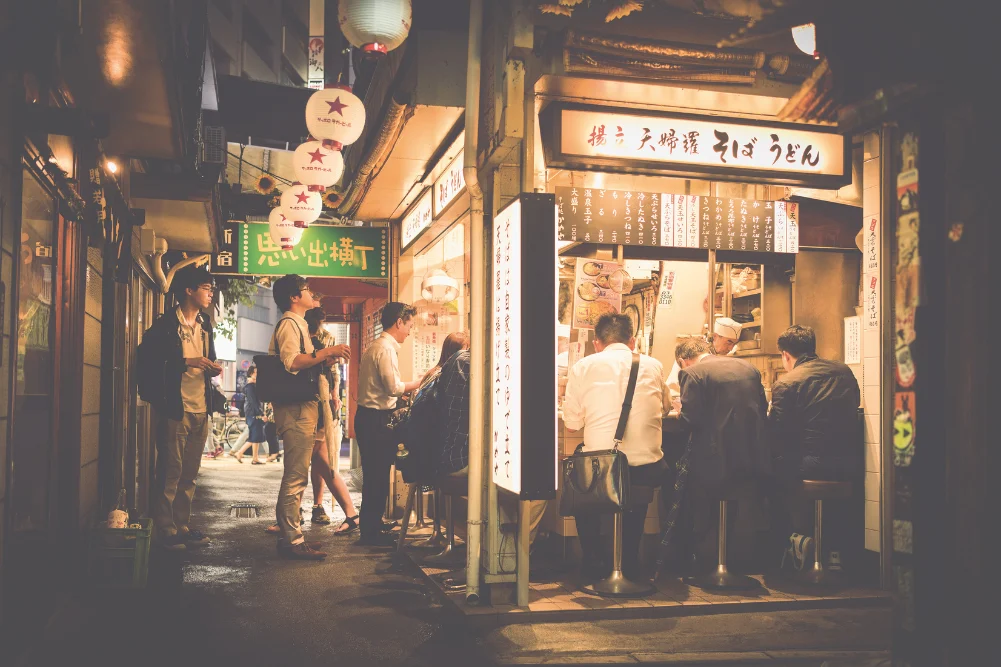
The evolution of solo female travel in East Asia is a narrative defined by shifting societal norms, economic globalization, and the personal pursuit of autonomy. Through the lens of a recurring expatriate experience in Japan spanning the 1980s and 1990s, the trajectory of international relocation and solo exploration reveals a complex intersection of cultural immersion and physical endurance. Central to this narrative is the ascent of Mount Fuji—a peak that serves as both a national symbol and a site of significant peril for the ill-prepared—and the psychological landscape of the Aokigahara, colloquially known as the "Forbidden Forest." This analysis explores the socio-cultural mechanics of Japanese business etiquette, the historical context of female solo travel, and the survival imperatives dictated by Japan’s rugged topography.
Historical Context: The Evolution of the Solo Female Traveler
The landscape of international travel has undergone a radical transformation over the last century. In the mid-19th century, global mobility was a gendered privilege; historical data indicates that approximately 95 percent of passports were issued to men. During this era, women predominantly traveled under the protection of a husband’s passport, reflecting a societal assumption that female safety was contingent upon male supervision. Solo travel for women was not only rare but was often viewed as a departure from established social principles.
By the late 20th century, this paradigm began to shift significantly. The rise of the "Third Culture Kid"—children raised in countries other than those of their parents’ nationality—became a byproduct of the 1980s global economic boom. For many expatriate families stationed in Tokyo, the transition from Western metropolitan centers to the "concrete jungle" of Japan represented a move into a society that balanced ancient history with cutting-edge efficiency. This environment served as a foundational training ground for a new generation of travelers who viewed international borders not as barriers, but as thresholds for personal growth.
Chronology of an Expatriate Experience: 1982 to the Late 1990s
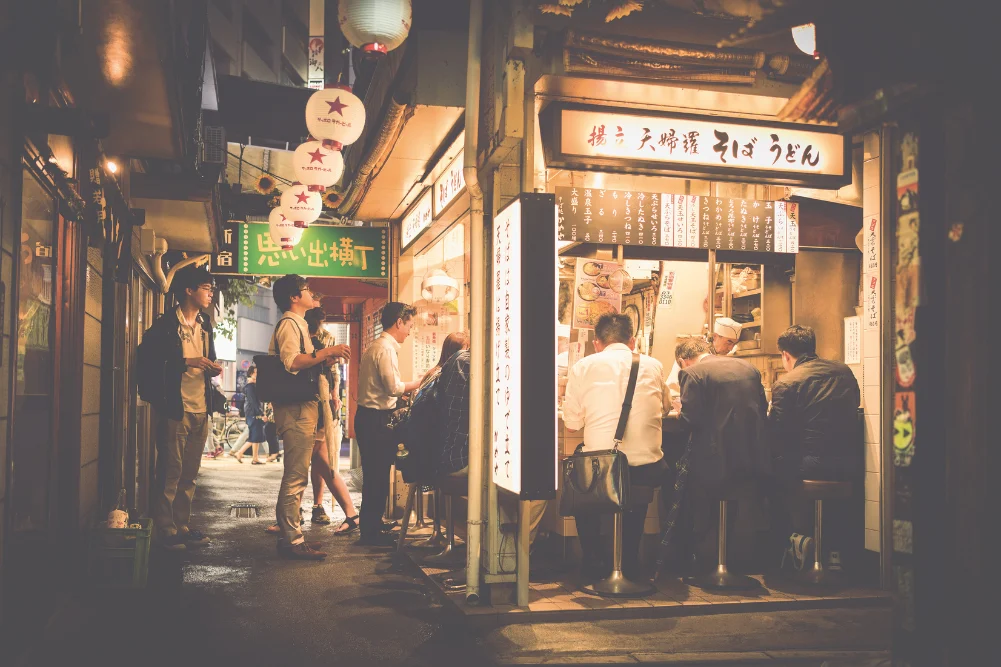
The narrative of Japanese immersion typically begins with the sensory shock of Tokyo. In the early 1980s, the city was characterized by a distinct olfactory and auditory profile: the scent of yakitori smoke, the rhythmic cadence of a language rooted in thousands of years of tradition, and a transit system operating with biological precision. For expatriate families, this period was defined by the "long-haul" lifestyle, where trans-Pacific flights were a routine part of childhood, and the promise of relocation was often mediated through domestic negotiations and cultural incentives.
By the 1990s, the "senior project" and the university internship became the primary vehicles for solo return trips to Japan. This period marked a transition from the protected status of a dependent to the autonomous status of a "gaijin" (foreigner) navigating the professional world. The term gaijin, composed of the kanji for "outside" and "person," encapsulates the inherent duality of the foreign experience in Japan: a position of permanent outsider status that is simultaneously met with extreme hospitality and grace.
Professional Integration and the Nuances of Japanese Business Etiquette
For a young professional or intern in a multinational Tokyo firm during the late 1990s, the learning curve was less about technical skills and more about the mastery of Meishi (business card) rituals and the hierarchy of the bow. Japanese business culture is predicated on the concept of "saving face" and maintaining harmony (Wa).
Key observations for international professionals during this era included:
- The Meishi Ritual: The orientation and placement of a business card on a conference table are critical indicators of respect.
- Indirect Communication: High-context communication requires an ability to read non-verbal cues and understand that "no" is often expressed through circuitous, polite questioning.
- Physicality of Language: For Westerners, speaking Japanese often necessitates a softening of tone and a reduction in expansive gestures, a linguistic adaptation that fosters better integration into the local environment.
The Ascent of Fuji-san: A Case Study in Mountain Safety
Mount Fuji, or Fuji-san, stands at 3,776 meters and is an active stratovolcano. While it is a popular destination for "bullet climbing"—the practice of ascending and descending within 24 hours—it presents severe physical challenges that are frequently underestimated by casual hikers.
In the late 1990s, a trend emerged among young expatriates to summit the mountain with minimal technical gear. This lack of preparation stands in stark contrast to the requirements of the terrain. The ascent involves multiple "stations," with the path becoming increasingly steep and composed of loose volcanic rock. Meteorological conditions on Fuji are notoriously volatile; winds can reach hurricane force, and temperatures drop significantly as the altitude increases.
The Danger of the Aokigahara (The Forbidden Forest)
Aokigahara, the dense forest at the base of Mount Fuji, is known for its geological anomalies. The forest floor is composed of hardened lava, which absorbs sound and creates an environment of eerie silence. Furthermore, the high iron content in the volcanic soil is known to interfere with magnetic compasses, making it exceptionally easy for hikers to lose their bearings if they deviate from marked trails. Local authorities frequently issue warnings to climbers: "Whatever you do, watch out for the Forbidden Forest."
Analysis of the Near-Disaster: Preparation vs. Reality
The incident involving two solo travelers in the late 90s serves as a textbook example of the "complacency trap" in mountain trekking. Despite warnings from local colleagues, the travelers embarked on a one-day climb equipped with only running shoes, plastic rain ponchos, and commemorative wooden walking sticks.
The physiological and psychological factors that contributed to their disorientation included:
- Physical Exhaustion: The descent from Fuji is often more taxing on the joints than the ascent. "Trash knees" is a common term for the joint inflammation caused by the repetitive impact on volcanic scree.
- Environmental Stress: As daylight faded and fog rolled in, the travelers experienced a "squeaky violin" effect—a state of high-pitched anxiety where decision-making becomes impaired.
- Navigation Failure: In the absence of a GPS or a reliable map, and with the "Forbidden Forest" looming, the travelers reached a state of total disorientation, unable to distinguish "coming from going."
Official Responses and the Concept of Omotenashi
The resolution of the crisis came through the intervention of a local resident—a manifestation of Omotenashi, the Japanese philosophy of wholehearted hospitality. In rural areas surrounding Mount Fuji, local families have historically played a role in assisting distressed climbers.
The provision of hot ramen and sugary beverages to the lost hikers was more than a caloric necessity; it was a cultural bridge. While the travelers’ Japanese vocabulary lacked the specific terms for "death-defying mountain trek," the universal language of care and the ritual of deep bowing (ojigi) facilitated a safe return. This interaction highlights a critical aspect of the Japanese social fabric: the readiness to assist the "outside person" when they are in genuine peril.
Broader Implications and Psychological Impact
The experience of getting lost in the "Forbidden Forest"—either literally on the slopes of Fuji or metaphorically in the challenges of a foreign career—serves as a catalyst for resilience. From a psychological perspective, the "needle of the compass pointing back to the self" represents the development of self-trust and intuition.
Implications for Modern Travel
Today, the Japanese government and the Yamanashi Prefectural Government have implemented stricter regulations for Mount Fuji climbers, including a daily entry cap and a mandatory climbing fee to fund safety measures. These changes are a direct response to the era of "bullet climbing" and the high frequency of rescue calls from ill-equipped tourists.
Conclusion: The Enduring Value of the Solo Path
The journey of the expat in Japan is a testament to the power of choosing a difficult path. Whether navigating the complexities of international law in a Tokyo high-rise or finding one’s way off a darkened volcanic slope, the lessons remain consistent:
- Respect the cultural and physical environment.
- Acknowledge the limits of one’s preparation.
- Value the "grace embodied" in the kindness of strangers.
The transition from the 1982 expat child to the 1990s solo adventurer reflects a broader human narrative: the pursuit of growth through discomfort. In the "Forbidden Forest" of the mind, the most reliable tool is not a compass or a map, but the resilience to take the next step forward, one baby step at a time. The legacy of these experiences continues to inform the way travelers engage with Japan—a country that remains a masterclass in the art of cultivating a purposeful and adventurous life.



 Chandra Hamzah
 Gabriela Annisa
 Tatiana Tantri Indah Sari
 Budi Mulyono
 Anjar Salim