
 Susilo Edi Turonggo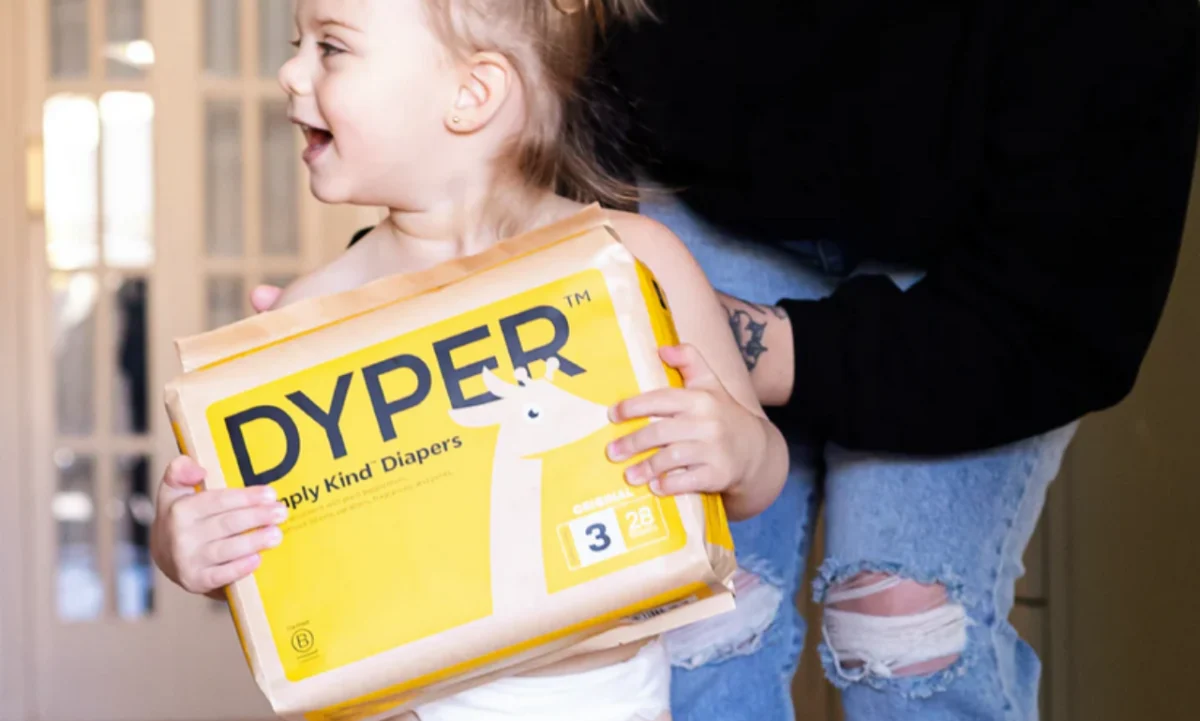
The modern parenting experience is inextricably linked to a staggering volume of disposable waste. According to data from industry analysts and environmental research groups, the average infant in the United States will utilize approximately 6,000 diapers during their first two years of life. This massive consumption cycle creates a significant environmental footprint, as the vast majority of these products are manufactured from non-biodegradable plastics and synthetic polymers designed to persist in landfills for centuries. While the push for sustainable alternatives has gained momentum, many traditional solutions—such as cloth diapering—present significant logistical barriers for time-constrained, dual-income households. This persistent tension between convenience and environmental responsibility has catalyzed a new wave of innovation within the consumer goods sector, spearheaded by companies like Dyper, which aims to bridge the gap between high-performance functionality and ecological stewardship.
The Hidden Costs of Conventional Diapering
The reliance on conventional disposable diapers extends beyond simple waste management concerns; it represents a complex public health challenge. Despite the intimate, long-term contact these products have with an infant’s sensitive skin, regulatory oversight remains surprisingly thin. In the United States, the Consumer Product Safety Commission mandates that diapers be tested for lead content; however, there is no federal requirement for the disclosure or testing of the myriad other chemicals—including fragrances, phthalates, and various volatile organic compounds—that are frequently integrated into the manufacturing process.
Research published in various medical journals has highlighted potential correlations between these synthetic components and a range of health issues, including endocrine disruption, reproductive system interference, and the development of contact dermatitis. Furthermore, the reliance on petroleum-based plastics contributes to a continuous, linear waste stream. Once discarded, these items are collected alongside municipal solid waste, contributing to the millions of tons of diaper-related refuse that enter landfills annually. For many parents, the realization that their household waste is dominated by non-biodegradable plastic serves as a primary motivator to seek alternatives that do not sacrifice performance for safety.
A Chronology of Innovation: The Shift Toward Circularity
The origins of the current movement toward plant-based diapering can be traced to the intersection of environmental concern and engineering precision. The conceptual framework for what would become Dyper began when founder Tony Patron, motivated by the observation of his own household’s excessive plastic waste, identified a systemic failure in the market. As an engineer, Patron sought to address the issue not by reverting to outdated cloth methods, but by re-engineering the single-use product itself.

The company’s evolution involved a strategic merger with existing manufacturers specializing in compostable textiles. By 2018, the focus shifted toward establishing a vertically integrated supply chain that prioritized raw material transparency. The development process was iterative, balancing the requirement for high-absorbency polymers—which are essential for leak prevention—with the mandate for biodegradability. By 2020, the brand had formalized its “plants over plastic” philosophy, focusing on the use of FSC-certified bamboo and eucalyptus fibers. This period marked a transition from niche experimentation to a scalable model that could compete directly with legacy brands on both price and utility.
Technical Standards and Regulatory Transparency
A critical component of the modern sustainable diaper industry is the adoption of rigorous, third-party certifications. Unlike the traditional industry, which has historically operated with minimal transparency regarding material composition, emerging sustainable brands are increasingly utilizing certifications such as Oeko-Tex Standard 100, which confirms that textiles are free from harmful substances.
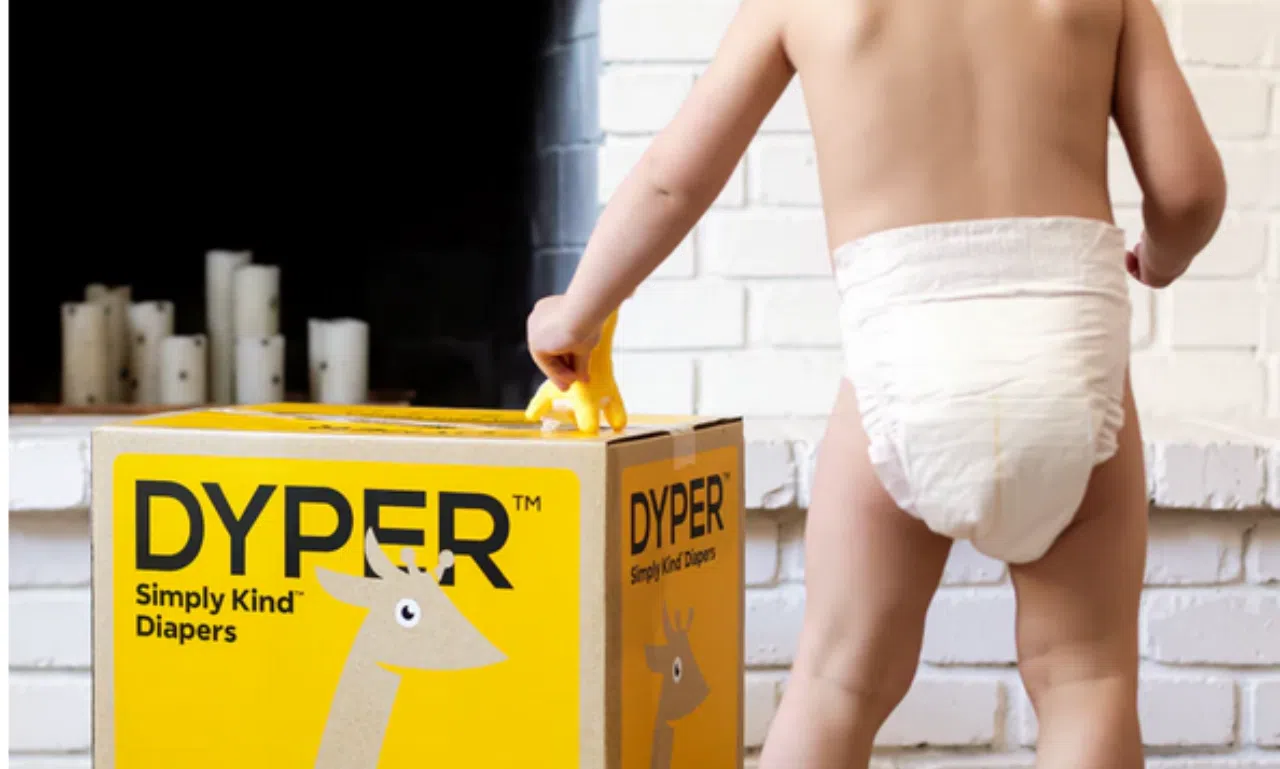
Dyper’s current manufacturing strategy involves labeling each layer of the diaper with its specific component, a move intended to foster consumer trust and meet the demands of a more informed demographic. The company’s recent achievement of the DermaTest 5-Star Certification provides empirical validation that its materials do not induce skin irritation, a common complaint associated with cheaper, fragrance-heavy disposable options. Furthermore, the brand has achieved USDA BioPreferred status, with its diapers and wipes reaching significant percentages of bio-based content. These metrics serve as a benchmarking tool for the industry, suggesting that high-performance products can indeed be manufactured without relying on the petrochemical derivatives that have dominated the market for decades.
Addressing the Infrastructure Gap: The REDYPER Program
Perhaps the most significant challenge in the diaper industry is not just the product, but the disposal infrastructure. Even a biodegradable diaper will not decompose in a standard landfill, where the lack of oxygen prevents organic matter from breaking down. To address this, the industry has begun to experiment with specialized composting programs.
The REDYPER program represents an attempt to close the loop on waste. By partnering with regional industrial composting facilities, the company is able to facilitate the processing of used diapers into nutrient-rich compost, provided the waste stream is handled correctly. Industrial composting is fundamentally different from backyard composting; it utilizes high-heat, controlled environments that can break down even robust plant-based materials within 14 to 16 weeks. As of late 2024, the program has successfully diverted over 14 million pounds of waste from landfills. While this represents a small fraction of total national diaper waste, it provides a replicable model for how consumer goods companies can take responsibility for the full life cycle of their products, from raw material sourcing to post-consumer disposal.
Broader Economic and Environmental Implications
The rise of sustainable diapering reflects a broader shift in consumer behavior, where environmental impact is increasingly factored into purchasing decisions for household necessities. Economists note that this trend is pushing legacy manufacturers to reconsider their supply chains. As regulatory pressure potentially mounts regarding the disclosure of chemical ingredients in baby care products, companies that have already invested in clean-label, non-toxic manufacturing will likely find themselves at a significant competitive advantage.
The shift toward plant-based materials also carries implications for agricultural and manufacturing industries. The transition from wood-pulp-based paper to bamboo and eucalyptus requires shifts in global supply chains, favoring regions with sustainable forestry practices. While the costs of these premium raw materials are currently higher than traditional plastics, economies of scale are beginning to lower the price gap for the average consumer.
Future Outlook and Industry Challenges
Looking ahead, the primary hurdle for the industry remains the “convenience barrier.” Parents continue to demand products that are as absorbent and easy to use as traditional brands. If a sustainable alternative leaks or requires excessive maintenance, it will not achieve mass-market penetration. Therefore, the future of the industry lies in material science—specifically, the development of bio-based super-absorbent polymers (SAPs) that can outperform existing synthetic options.
Industry experts anticipate that as corporate sustainability mandates and consumer awareness continue to intersect, the “plants over plastic” movement will move from the periphery to the mainstream. The success of these initiatives will ultimately be measured by the ability of companies to scale their composting infrastructure to reach suburban and urban markets across the country. If the current trajectory holds, the diaper industry may be on the verge of a structural transformation, moving away from a model of endless plastic accumulation and toward a circular economy that prioritizes both human health and planetary longevity.
By integrating engineering, transparent supply chains, and specialized waste-management partnerships, the industry is setting a new precedent for corporate accountability. For the modern parent, the choice of a diaper is no longer just a functional decision; it is an active participation in a larger effort to minimize the environmental legacy left for the next generation. As the data continues to show, the cumulative impact of small, individual changes—when supported by large-scale systemic innovation—can drive significant progress in the ongoing fight against global waste.




 Anjar Salim
 Chandra Hamzah
 Gabriela Annisa
 Tatiana Tantri Indah Sari
 Walid Sujud Trenggono