
 Susilo Edi Turonggo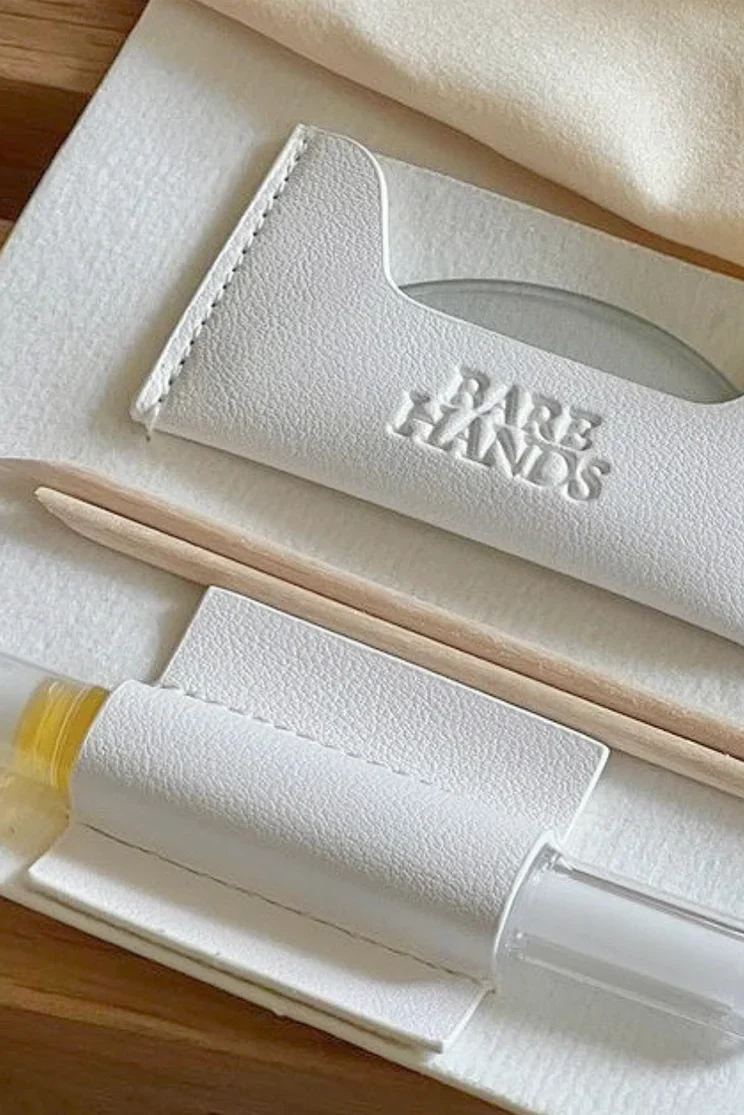
As seasonal transitions bring lower humidity levels and increased skin dehydration, combined with a period of economic tightening, the demand for accessible, high-quality self-care rituals has reached a historical peak. While economic inflation has prompted a shift in consumer spending habits, the wellness industry has seen a pivot toward "conscious consumption"—a trend defined by the prioritization of non-toxic, ethically sourced, and sustainable beauty products. This shift reflects a broader societal movement where consumers are seeking to maintain personal wellness routines while simultaneously reducing their environmental footprint and supporting small-scale, transparent business models.
The history of the at-home wellness movement can be traced back to the early 2020s, when global lockdowns necessitated the closure of commercial spas and salons. Data from the beauty industry indicates that during this period, home-use beauty technology and botanical skincare sales grew by nearly 30% annually. While the initial surge was a reaction to necessity, the behavioral shift has become permanent. Today, the focus has evolved from mere survival to a sophisticated integration of professional-grade tools and holistic practices into daily household routines.
Economic Context and the Shift to Sustainable Beauty
Recent economic indicators suggest that consumers are increasingly scrutinizing the value proposition of their beauty purchases. According to market research firms, inflation has caused a 15% reduction in luxury cosmetic spending, leading many to seek out "multi-use" products or formulations that offer therapeutic benefits alongside aesthetic ones.
However, "pampering" remains a significant psychological tool for managing stress. Financial analysts note that the "lipstick effect"—a term describing the tendency for consumers to purchase smaller luxury items during economic downturns—has been replaced by the "spa-at-home" effect. Rather than investing in one-time salon services, consumers are opting for kits and tools that provide long-term utility. This trend creates a dual opportunity: individuals save money in the long run by avoiding recurring service fees, while small-scale, sustainable brands gain market share by offering transparency that larger, traditional conglomerates often lack.
The Foundation of Minimalist Wellness
Before addressing external product acquisition, industry experts emphasize that the most sustainable and cost-effective beauty rituals often require no specialized equipment. The fundamental pillars of dermatological health remain consistent: adequate hydration, nutritional intake, and sleep hygiene. Stress management, in particular, has been identified by the American Psychological Association as a critical factor in systemic inflammation, which directly manifests as skin conditions such as acne, eczema, and premature aging.
For those seeking to optimize existing household assets, simple, raw materials continue to be effective. Himalayan mineral salts serve as an accessible source of magnesium, which can assist in muscle recovery and skin softening. Similarly, bentonite or Indian healing clays provide a cost-effective method for pore detoxification. Coconut oil, when used as a moisturizer or oil-cleansing agent, remains a staple of botanical skincare, reflecting a return to ancient, simple chemistry that avoids the synthetic preservatives found in mass-market products.
Professional-Grade Skincare and Ethical Sourcing
For consumers seeking more specialized treatments, several companies have emerged as leaders in the sustainable sector by prioritizing supply chain transparency.
Grown Alchemist has distinguished itself by vetting every partner within its supply chain, focusing on recycled and refillable packaging to combat the industry’s massive plastic waste problem. Their approach aligns with the growing regulatory pressure on corporations to adopt circular economy practices.
Similarly, OSEA Malibu has leveraged the biological properties of seaweed—a resource that requires no fertilizer or fresh water to harvest—as a primary ingredient. Their commitment to excluding a long list of known endocrine disruptors and synthetic fragrances addresses the growing demand for "clean" labels, a movement backed by increasing scientific research into the long-term impact of cosmetic ingredients on the human microbiome.

For those requiring more intensive treatments, MyChelle Dermaceuticals provides a bridge between clinical efficacy and vegetarian, cruelty-free standards. By eliminating phthalates, parabens, and GMOs, the brand caters to a demographic that views beauty as an extension of their health-conscious lifestyle.
The Integration of Ancient Rituals and Modern Tools
The resurgence of Gua Sha—a traditional East Asian healing technique involving the scraping of the skin to improve circulation and lymphatic drainage—represents a shift toward non-invasive, mechanical solutions for facial health. The Wildling Empress Collection exemplifies this by pairing the tool with botanicals harvested at peak potency. This practice serves as a case study in the intersection of ancient wisdom and modern environmental ethics, emphasizing the "wild" aspect of skincare where local foraging and fair-trade partnerships are paramount.
Tata Harper, another industry leader, has scaled the "in-home spa" model by offering professional-grade tools like facial cupping sets. The company’s decision to source 300+ ingredients from over 68 countries while maintaining a strictly non-toxic manufacturing process highlights the complexity of ethical global sourcing.
Advancements in Hair and Nail Health
The hair and nail sectors have seen significant innovation aimed at reversing damage caused by conventional chemical treatments. Hairprint, for example, utilizes a process that replenishes the natural pigment in graying hair rather than stripping the cuticle with harsh ammonia-based dyes. This represents a technical shift from "masking" to "restoring," appealing to a consumer base that values long-term hair integrity.
Meanwhile, in the nail care sector, the Bare Hands Dry Gloss Manicure Kit addresses the damage associated with long-term gel polish use. By focusing on mechanical buffing and nutrient-dense cuticle oils—such as the amino acid and biotin blends provided by Lauren B. Beauty—consumers can achieve health-focused aesthetic results without exposure to the volatile organic compounds (VOCs) typically found in standard nail hardeners.
Holistic Wellbeing and the CBD Market
The inclusion of CBD (cannabidiol) in modern wellness sets reflects a broader trend toward internal and external stress reduction. Companies like Prima emphasize the importance of high-quality, organic hemp extracts. Scientific inquiry into the endocannabinoid system has suggested that localized application of CBD can reduce skin irritation, while oral supplementation may aid in cortisol regulation.
When coupled with ritualistic items—such as those found in the BLK + GRN Total Tranquility set—these products facilitate a multi-sensory approach to mental health. The emphasis here is on creating an environment that promotes psychological decompression, a necessary component of any comprehensive wellness strategy.
Broader Implications and Future Outlook
The transition toward conscious at-home spa practices is not merely a passing trend but a structural change in the beauty industry. As governments worldwide—most notably in the European Union and parts of North America—begin to tighten regulations regarding chemical disclosures and environmental sustainability, companies that have built their brands on transparency will likely see sustained growth.
The environmental impact of this shift is measurable. By opting for refillable packaging, solar-powered manufacturing facilities, and sustainably wild-foraged ingredients, the brands highlighted in this report demonstrate that the wellness industry can operate within the planetary boundaries. Furthermore, the economic shift toward "investing in tools" rather than "consuming products" empowers the individual to maintain their health during volatile economic cycles.
As we look toward the future, the integration of technology, biotechnology, and traditional botanical knowledge will continue to define the standard for self-care. The ultimate goal is no longer just aesthetic perfection, but the maintenance of the body as a balanced, healthy system—a mission that is as much about environmental stewardship as it is about personal care.




 Anjar Salim
 Dwi Wanna
 Chandra Hamzah
 Gabriela Annisa
 Tatiana Tantri Indah Sari