
 Budi Mulyono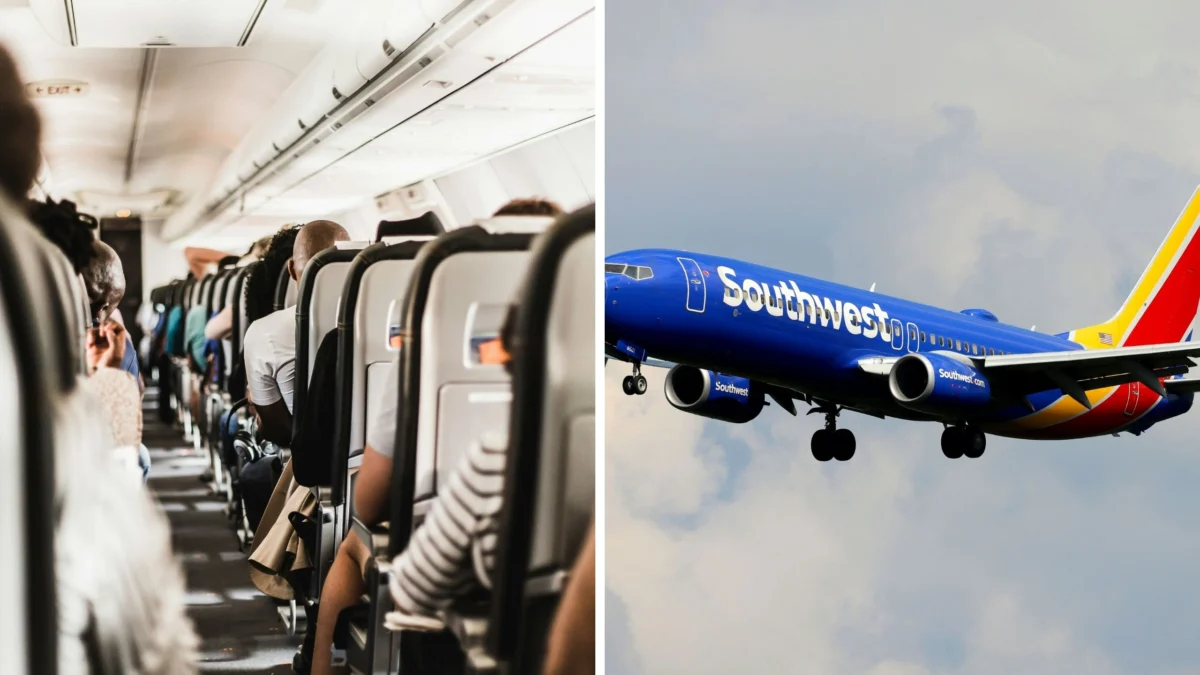
The operational landscape of Southwest Airlines underwent a seismic shift on January 27, 2026, as the Dallas-based carrier officially retired its signature "open seating" model in favor of a traditional assigned seating system. For over five decades, Southwest had distinguished itself from competitors through a first-come, first-served boarding philosophy that rewarded punctual check-ins and frequent flyer status with the freedom to choose any available seat upon boarding. However, the transition to assigned seating, intended to modernize the airline’s revenue model and improve boarding efficiency, has been met with significant consumer friction. Recent reports from passengers suggest that the new "Choice" fare—a premium tier designed to allow seat selection—may not offer the guarantees consumers expect, leading to allegations of deceptive practices and a perceived "scam" regarding seat security.
The Catalyst for Change: From Open Seating to Tiered Fares
For 54 years, Southwest Airlines was the lone major holdout in the United States aviation industry, resisting the move toward assigned seating. This egalitarian approach was a cornerstone of the airline’s brand identity, fostering a unique boarding culture characterized by the "24-hour check-in race." However, internal data and market research conducted by the airline in late 2024 and 2025 indicated a shift in consumer preferences. According to Southwest’s internal surveys, approximately 80% of its customers—and 86% of potential customers—preferred an assigned seat, particularly on longer hauls.
Beyond passenger preference, the move was driven by financial imperatives. Activist investors, most notably Elliott Investment Management, placed significant pressure on Southwest’s leadership to modernize its product offerings and close the revenue gap between itself and legacy carriers like Delta Air Lines and United Airlines. By introducing assigned seating, Southwest gained the ability to monetize specific areas of the cabin, such as "Extra Legroom" sections and the "Choice" fare, which allows passengers to select their seats in advance for a premium price.
Consumer Backlash and the "Choice" Fare Controversy
The implementation of the new system has not been without turbulence. A central point of contention has emerged regarding the "Choice" fare, which Southwest markets as a step above the "Standard" fare. While the Standard fare results in a seat being assigned at random or during check-in, the Choice fare explicitly allows passengers to select a specific seat at the time of booking.
A recent incident involving a family of four, documented by Reddit user @fraydawg2001, has highlighted a potential flaw in the airline’s new operational logic. The passenger reported booking a Choice fare specifically to ensure their family, which included a three-year-old and a seven-year-old, could sit together. Despite paying a "significant premium" to secure a Window/Middle/Aisle configuration and an additional aisle seat in the row ahead, the family’s boarding group was changed from Group 4 to Group 5 without prior notification.
Upon attempting to board, the family was informed that their original seat assignments had been vacated. They were subsequently moved to the final row of the aircraft—where seats typically do not recline—and were split into separate pairs. The passenger’s characterization of the experience as a "scam" stems from the airline’s refusal to issue a refund for the premium paid. Southwest’s customer support allegedly stated that the Choice fare provides the "ability to select" a seat but does not "guarantee" a specific assignment, citing "operational needs" as the justification for the change.
A Chronology of Southwest’s Policy Evolution
To understand the current friction, it is necessary to examine the timeline of Southwest’s transition:
- July 2024: Southwest Airlines announces its intention to move away from open seating, citing a multi-year study on customer behavior and revenue potential.
- October 2025: The airline begins retrofitting its Boeing 737 fleet to include "Extra Legroom" seats, reducing the pitch in some areas of the cabin to accommodate premium rows.
- January 27, 2026: The official launch of the assigned seating system nationwide. The "Choice" and "Premium" fare classes are integrated into the booking engine.
- February 2026: Southwest Executive Vice President Tony Roach acknowledges "invaluable" feedback from the first month of operations, stating the airline is refining the experience to balance operational reliability with passenger hospitality.
- March 2026: Increasing reports of "involuntary seat reassignments" begin to surface on social media and travel forums, sparking debates over the legal definitions of seat selection fees.
The Legal and Contractual Framework
The frustration expressed by passengers often clashes with the "Contract of Carriage," the legal agreement between an airline and a passenger. Like most major carriers, Southwest’s Contract of Carriage includes clauses that grant the airline broad discretion over cabin configuration and seating assignments. Specifically, the airline reserves the right to "make changes to group reservations to accommodate Southwest Airlines’ flight schedule" or for "operational needs."
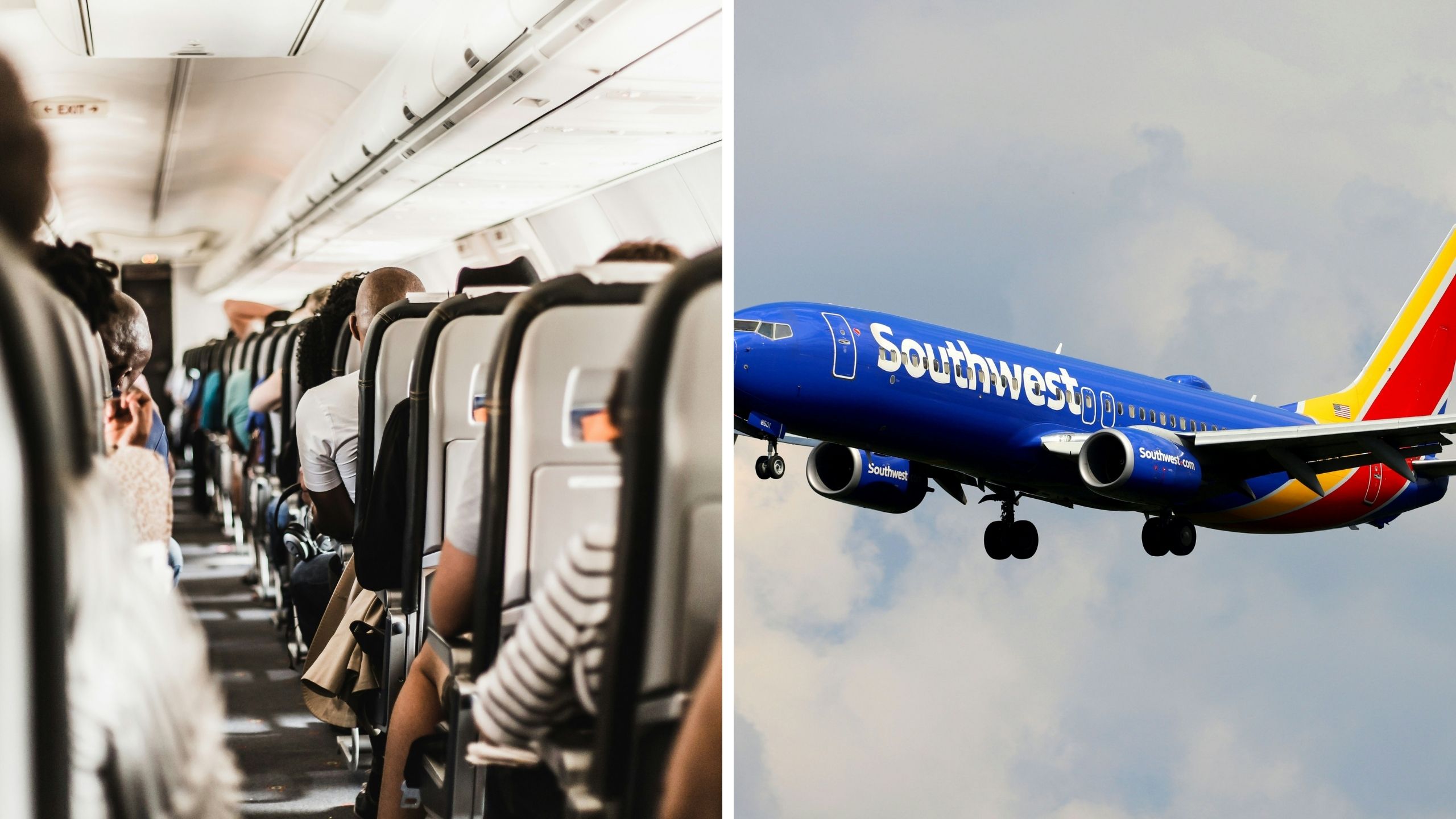
"Operational needs" is a broad term that can encompass several scenarios:
- Equipment Substitution: If a flight scheduled for a specific aircraft type (e.g., a Boeing 737-800) is swapped for a different variant (e.g., a 737-700) due to maintenance, the seat map changes, often nullifying existing assignments.
- Weight and Balance: Flight crews may move passengers to different parts of the plane to ensure the aircraft’s center of gravity remains within safety limits.
- Family Seating and Accessibility: Under Department of Transportation (DOT) guidelines and the "Family Seating" initiative championed by the Biden administration, airlines are encouraged (and in some cases required) to seat children next to at least one adult. This can sometimes result in the displacement of other passengers who paid for specific seats.
However, the core of the consumer complaint lies in the "unbundled" nature of the fare. Southwest’s defense—that a seat selection is not a "separately purchased product" but a feature of a fare class—allows them to deny refunds that would otherwise be mandatory if the seat selection were a standalone "ancillary fee."
Comparative Analysis: Southwest vs. Legacy Carriers
The transition puts Southwest in direct competition with the seating policies of Delta, United, and American Airlines. In the legacy model, "Basic Economy" passengers are assigned seats at the gate, while "Main Cabin" passengers pay more for the right to choose. If a legacy carrier moves a passenger from a "Preferred" or "Economy Plus" seat to a standard seat, they typically issue a refund for the price difference of that specific seat upgrade.
Southwest’s current model differs because the seat selection is baked into the "Choice" fare bundle, which also includes other perks like increased Rapid Rewards points or flight flexibility. By bundling the service, the airline creates a gray area where it can claim the "service" (the flight and the bundle) was provided, even if the specific "feature" (the selected seat) was not.
Broader Implications for the Airline Industry and Regulatory Oversight
The outcry over Southwest’s seating changes arrives at a time of increased scrutiny from the U.S. Department of Transportation. The DOT has recently proposed rules to crack down on "junk fees" and has launched a dashboard to monitor which airlines guarantee fee-free family seating.
If Southwest continues to market the "Choice" fare as a way for families to sit together, only to split them up and refuse refunds, it could face regulatory pressure. Industry analysts suggest that Southwest’s current "operational needs" defense may be a short-term strategy to manage the chaos of a massive fleet-wide transition. Long-term, however, the airline risks alienating its most loyal "Rapid Rewards" members, many of whom remained with the airline specifically because of the simplicity and transparency of its previous model.
Future Outlook: Monitoring Feedback and Adjusting the Model
As Southwest executive Tony Roach noted in his statement to The Dallas Morning News, the airline is in a state of continuous refinement. The transition to assigned seating is one of the most complex logistical undertakings in the airline’s history, requiring updates to booking software, airport signage, gate agent training, and the physical configuration of hundreds of aircraft.
The "scam" allegations highlighted on platforms like Reddit serve as a warning sign that the current "Choice" fare structure may need more transparency. To regain consumer trust, industry experts suggest Southwest may need to:
- Decouple Seat Fees: Make seat selection a transparent, refundable ancillary fee rather than a bundled fare component.
- Improve Notification Systems: Automate alerts so passengers are notified immediately when a seat assignment is changed, rather than discovering it at the boarding gate.
- Standardize Refunds: Establish a clear policy for "involuntary downgrades" or "involuntary reassignments" that compensates passengers when their selected seat is not honored.
For now, the transition remains a polarizing chapter in Southwest’s history. While the airline hopes the new model will drive profitability and attract a broader range of travelers, the early "assigned seating era" is being defined by a clash between operational flexibility and the expectations of a consumer base that feels it is paying more for less certainty. Southwest has been reached for comment regarding its refund policies for Choice fares but has yet to provide a detailed clarification on how it plans to address the concerns of displaced families.


 Chandra Hamzah
 Tatiana Tantri Indah Sari
 Anjar Salim

