
 Tatiana Tantri Indah Sari
Southwest Airlines has officially announced a sweeping restructuring of its longstanding Rapid Rewards loyalty program, abandoning its traditional two-tier structure in favor of a modernized, three-tier system designed to align more closely with major legacy carriers. Set to officially launch on January 1, 2027, the revamped program introduces Silver, Gold, and Platinum elite tiers, replacing the familiar A-List and A-List Preferred designations that have defined the airline’s frequent flyer experience for decades.
This strategic evolution comes at a critical juncture for the Dallas-based carrier. As Southwest prepares to introduce its first-ever airport lounges—developed in strategic partnership with financial services giant Chase—the airline is pivoting aggressively toward capturing a larger share of the lucrative premium travel market. The loyalty program overhaul represents the foundational infrastructure needed to support these new offerings, providing higher-spending business and leisure passengers with enhanced incentives, clearer pathways to elite recognition, and tangible benefits that extend beyond basic boarding privileges.
The Structural Shift: From Two Tiers to Three
Under the current Rapid Rewards framework, Southwest maintains two elite status levels: A-List and A-List Preferred. While these tiers have historically offered benefits such as priority boarding, same-day standby, and bonus points earning rates, industry analysts have long argued that the structure lacked the aspirational depth and tiered incentives found in competing programs offered by American Airlines, Delta Air Lines, and United Airlines.
Beginning January 1, 2027, the restructured Rapid Rewards program will transition to a three-tier model comprising Silver, Gold, and Platinum statuses. To ensure a seamless transition for its most loyal customers, Southwest has established a clear conversion path: existing A-List members will automatically be transitioned into the new Silver tier, while current A-List Preferred members will be elevated to Gold status. The newly established Platinum tier will sit at the top of the hierarchy, designed to reward the airline’s most frequent and highest-spending flyers with unprecedented perks and privileges.
According to airline leadership, the expansion to three tiers is intended to create more frequent touchpoints for customer engagement, allowing travelers to experience a greater sense of progression and reward as they accumulate qualifying flights or spending milestones throughout the calendar year.
Introduction of Milestone Rewards
In tandem with the new elite tiers, Southwest is rolling out a system of "Milestone Rewards." This feature is engineered to provide incremental benefits to members even before they officially qualify for Silver, Gold, or Platinum status.
Historically, frequent flyer programs have operated on an all-or-nothing basis regarding elite benefits, meaning travelers who fell just short of a status threshold received little to no recognition for their loyalty. The introduction of Milestone Rewards bridges this gap by offering targeted perks—such as priority check-in, designated beverage vouchers, or localized point multipliers—at specific intervals along a member’s journey toward elite qualification. This approach mirrors successful engagement strategies implemented across the broader travel and hospitality sectors, designed to keep moderate flyers motivated to choose Southwest over competitors throughout the year.
Background Context: A Strategic Evolution for Southwest
The overhaul of Rapid Rewards does not occur in a vacuum; it is the latest in a series of dramatic transformations for an airline historically known for its rigid adherence to an egalitarian, no-frills operating model. For decades, Southwest distinguished itself through open seating, uniform economy-class configurations, and an absence of airport lounges. However, mounting competitive pressures, shifting consumer preferences post-pandemic, and activist investor scrutiny have forced the carrier to reevaluate core tenets of its business model.
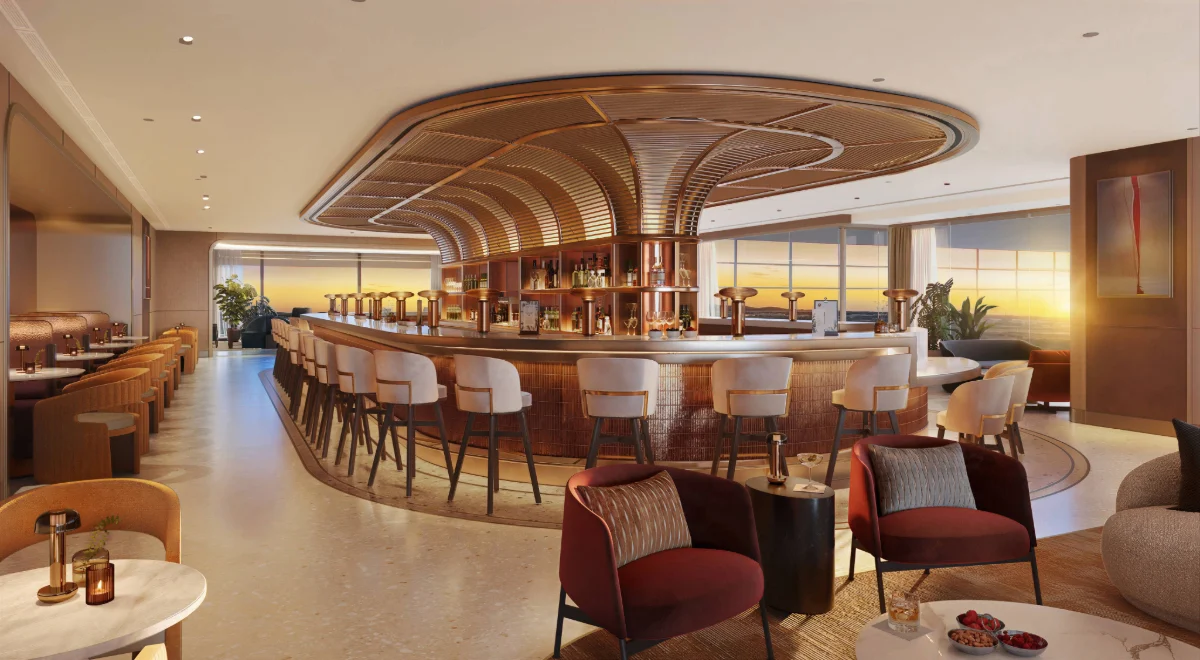
In recent quarters, Southwest announced plans to abandon its famous open-seating policy in favor of assigned seating, a move that fundamentally alters the passenger experience and opens the door for premium seating options with extra legroom. Concurrently, the airline revealed architectural renderings and operational plans for the inaugural "Southwest Icon Lounge" at Nashville International Airport, signaling a definitive entry into the airport lounge space.
These cumulative changes reflect a broader corporate strategy to attract business travelers and high-yield passengers who historically gravitated toward legacy carriers offering comprehensive loyalty ecosystems, premium lounges, and tiered seating classes. By revamping Rapid Rewards, Southwest is effectively modernizing its commercial engine to support these new revenue streams and operational enhancements.
Transition Timeline and Member Impact
The phased rollout provides members with ample time to understand how their current travel patterns will translate into the new system. Throughout 2026, Southwest will communicate specific qualification requirements—detailing the exact number of tier-qualifying points, flights, or partner spend needed to attain Silver, Gold, and Platinum status under the new rules.
Industry observers note that the success of the transition will hinge on how transparently Southwest communicates the qualification metrics. If the threshold for achieving Platinum status is perceived as attainable yet sufficiently exclusive, the airline stands to capture increased loyalty from premium travelers based in key focus cities such as Dallas (Love Field), Denver, Baltimore, Chicago (Midway), and Nashville. Conversely, any perceived devaluation of existing A-List and A-List Preferred benefits could provoke resistance among the airline’s fiercely loyal base.
Broader Market Implications
Southwest’s entry into the premium loyalty space carries significant implications for the U.S. domestic aviation market. For years, the carrier dominated the low-cost sector by appealing to price-sensitive leisure travelers and cost-conscious business flyers who prioritized predictable pricing and a lack of hidden fees—typified by its enduring "Bags Fly Free" policy.
However, as ultra-low-cost carriers have compressed yields at the lower end of the market and legacy airlines have aggressively competed for corporate accounts through sophisticated loyalty and lounge networks, Southwest has found it necessary to expand its addressable market. By modernizing Rapid Rewards to include a top-tier Platinum level and introducing Milestone Rewards, the airline is positioning itself to compete directly for high-value corporate contracts and premium credit card spend, particularly through its lucrative co-branded card partnership with Chase.
The financial upside of co-branded credit card programs has become a primary profit driver for major airlines, often generating billions of dollars in high-margin revenue through the sale of frequent flyer miles to banking partners. A more robust, multi-tiered loyalty program gives Chase and Southwest enhanced marketing tools to acquire new cardholders, incentivize higher card spend, and retain profitable customers within a closed-loop ecosystem.
Looking Ahead
As January 1, 2027, approaches, all eyes will be on Southwest Airlines to execute this complex operational and cultural shift without alienating its core demographic. The transition from a two-tier loyalty program to a sophisticated three-tier structure with Milestone Rewards represents a milestone moment in the airline’s history.
By aligning its frequent flyer program with the realities of a modernized passenger experience—one that will soon feature assigned seating and proprietary airport lounges—Southwest is signaling that it is fully prepared to compete in a new era of commercial aviation. The ultimate test will be whether these changes successfully attract and retain the high-yielding travelers necessary to drive sustainable profitability in the years to come.




 Gabriela Annisa

 Lukman Taruna Persada Ramadan

 Anjar Salim

 Dwi Wanna
