
 Budi Mulyono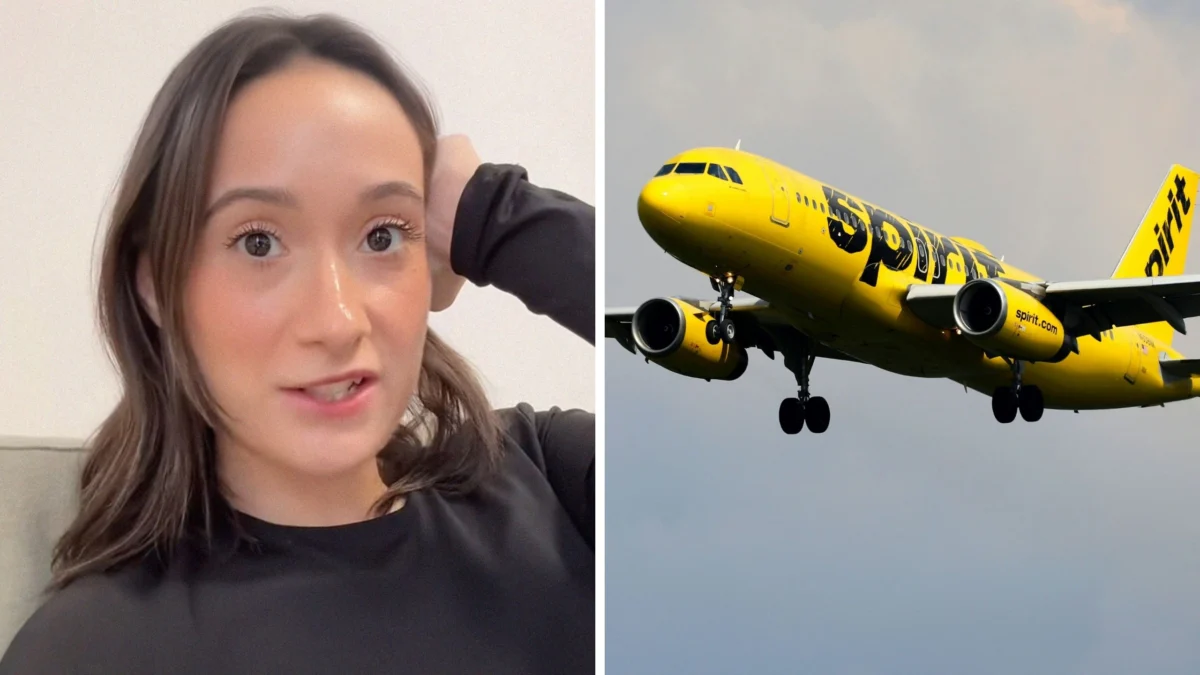
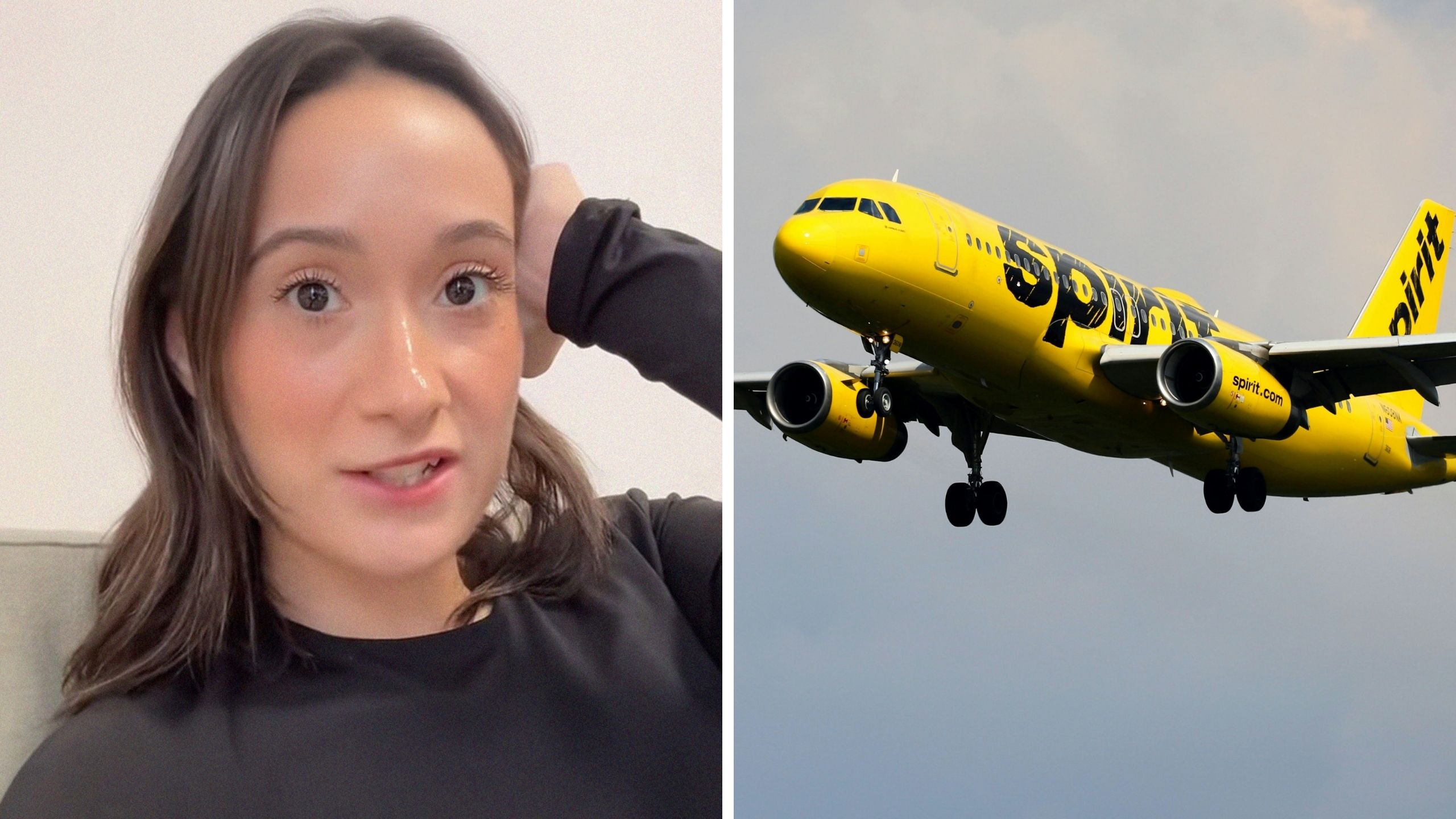
The sudden cessation of operations by Spirit Airlines last weekend has sent shockwaves through the North American aviation industry, marking the end of a 34-year tenure for the pioneer of the ultra-low-cost carrier (ULCC) model. The Florida-based airline, known for its distinctive bright yellow livery and unbundled fare structure, cited unsustainable rising oil prices and a volatile post-pandemic economic landscape as the primary catalysts for its collapse. While the immediate fallout has left thousands of passengers stranded across various domestic and international hubs, the long-term socio-economic impact is centered on the 17,000 employees who now find themselves displaced in a labor market governed by rigid, airline-specific seniority systems.
The closure represents one of the largest airline failures in recent decades, surpassing the scale of previous liquidations in the budget sector. For the 17,000 pilots, flight attendants, ground crew, and administrative staff, the loss of employment is compounded by a unique industry architecture that prevents the lateral transfer of experience and benefits. Unlike most professional sectors where a decade of experience translates into higher starting positions at competing firms, the aviation industry operates on a "start-from-zero" mandate that effectively erases years of career progression.
The Human Cost of the Seniority System
The reality of this industry-specific challenge was recently highlighted by Ale, a veteran Spirit Airlines flight attendant who shared her perspective via social media under the handle @wonderfullyale. Having served the airline for 11 and a half years, Ale was just weeks away from her 12th anniversary when the company shuttered. Her testimony has become a focal point for understanding the "seniority trap" that characterizes the aviation profession.
In the airline industry, seniority is not merely a title; it is the fundamental currency that dictates an employee’s quality of life. For flight attendants and pilots, seniority determines everything from monthly schedules and holiday leave to pay scales and the ability to choose specific flight routes. At Spirit, Ale had reached a level of seniority that allowed her significant flexibility, including the ability to swap, drop, or pick up trips at will—a level of autonomy that is vital for maintaining a work-life balance in a demanding field.
However, the closure of Spirit Airlines means that these 17,000 professionals cannot carry their "rank" to legacy carriers like Delta, United, or American Airlines. Should Ale or her former colleagues choose to remain in the industry, they must undergo the entire recruitment and training process as if they were entry-level candidates. This includes weeks of unpaid or low-paid federally mandated safety training and, most critically, a return to the bottom of the seniority list. At a legacy carrier, achieving the same level of flexibility Ale enjoyed at Spirit could take two to three decades, as those airlines possess much larger and more established workforces.
Furthermore, the geographical constraints of the job add a layer of complexity. Ale, who currently resides in Spain, noted that re-entering the workforce would require her to relocate back to the United States for training and to be based out of a new hub. This "commute" or relocation is a standard requirement for junior employees who have no say in their base assignments, further complicating the lives of those who had built their personal lives around Spirit’s specific hubs in cities like Fort Lauderdale, Las Vegas, and Orlando.
A Chronology of Decline: From Growth to Liquidation
Spirit Airlines’ journey from a regional charter service to a major national player was defined by aggressive expansion and a controversial but successful business model. To understand the current collapse, one must look at the timeline of its evolution and eventual decline:
- 1980–1992: Founded as Charter One in Detroit, the company initially focused on tour packages before rebranding as Spirit Airlines in 1992 and moving its headquarters to Florida.
- 2007: Spirit transitioned to an ultra-low-cost carrier model, significantly lowering base fares while charging for "frills" such as carry-on bags, seat assignments, and water. This move revolutionized the budget travel market in the U.S.
- 2010–2019: The airline experienced a period of rapid growth, expanding its fleet with Airbus A320 family aircraft and becoming one of the most profitable airlines in the country by margin.
- 2020–2022: The COVID-19 pandemic severely impacted Spirit’s bottom line. While leisure travel rebounded quickly, the airline struggled with rising labor costs and operational inefficiencies.
- 2023–Early 2024: A proposed $3.8 billion merger with JetBlue Airways was blocked by federal regulators on antitrust grounds. The Department of Justice argued that the merger would eliminate a key "low-price disruptor," inadvertently leaving Spirit to face its mounting debts alone.
- Late 2024: Faced with $1.1 billion in loyalty-program-backed loyalty bonds due in 2025 and an inability to refinance amidst high interest rates and surging fuel costs, the airline’s board made the decision to cease all operations.
Economic Factors and Market Analysis
The primary reason cited for the closure—rising oil prices—is a systemic pressure that has historically crippled low-cost carriers. Unlike legacy airlines, which often have more robust fuel-hedging strategies and the ability to absorb costs through high-margin business class tickets, ULCCs operate on razor-thin margins. When the price of jet fuel spikes, the "no-frills" model becomes difficult to sustain without raising fares to a point where they are no longer competitive with "Basic Economy" offerings from larger carriers.
Industry analysts also point to the "middle-market squeeze." Over the last five years, legacy carriers have successfully integrated their own budget tiers, effectively poaching Spirit’s core customer base by offering more reliable service and better network connectivity for only a slight premium. Additionally, Spirit was hit particularly hard by the grounding of several aircraft due to issues with Pratt & Whitney Geared Turbofan engines, which limited their capacity during peak travel seasons.
Immediate Impact on Passengers and the Travel Market
The suddenness of the shutdown resulted in immediate chaos at airports. Thousands of passengers found their tickets voided with little to no notice. While the Department of Transportation (DOT) mandates refunds for canceled flights, the process of rebooking on other airlines during a high-demand period has left many travelers paying three to four times their original fare.
The disappearance of Spirit Airlines is expected to lead to a localized increase in airfares, particularly in markets where Spirit was a dominant player. In cities like Fort Lauderdale and Myrtle Beach, the lack of competition is likely to result in higher prices for leisure travelers. Competitors such as Frontier Airlines and Allegiant Air may move to acquire Spirit’s now-vacant gates and takeoff/landing slots, but such transitions take time and regulatory approval.
Official Responses and Future Outlook
Labor unions, including the Association of Flight Attendants-CWA (AFA), have expressed profound concern over the displacement of the Spirit workforce. In statements following the closure, union representatives emphasized the need for "preferential hiring" agreements, which would encourage other airlines to prioritize former Spirit employees during their next hiring cycles. However, even with preferential hiring, the issue of lost seniority remains a permanent hurdle.
From a regulatory standpoint, the closure of Spirit Airlines serves as a cautionary tale regarding the balance between antitrust enforcement and corporate stability. Critics of the DOJ’s decision to block the JetBlue-Spirit merger argue that the government’s attempt to "protect competition" may have ultimately led to less competition by allowing a major player to fail entirely rather than merge into a more stable entity.
As the 17,000 former employees navigate their next steps, the industry is forced to reckon with the volatility of the ULCC model. For veterans like Ale, the choice is between starting a decades-long climb from the bottom of a new company or leaving the aviation industry altogether. Her story reflects a broader systemic issue where loyalty and experience are localized to a single corporate entity, leaving workers uniquely vulnerable when that entity ceases to exist.
In the coming months, the bankruptcy courts will oversee the liquidation of Spirit’s assets, including its fleet of over 200 aircraft. While the "yellow planes" may eventually fly under different logos, the era of Spirit Airlines as a major force in American travel has officially come to a close, leaving a void in the market and a crisis in the lives of those who kept the airline in the air for over three decades.




 Anjar Salim
 Chandra Hamzah
 Tatiana Tantri Indah Sari
 Lukman Taruna Persada Ramadan
