
 Susilo Edi Turonggo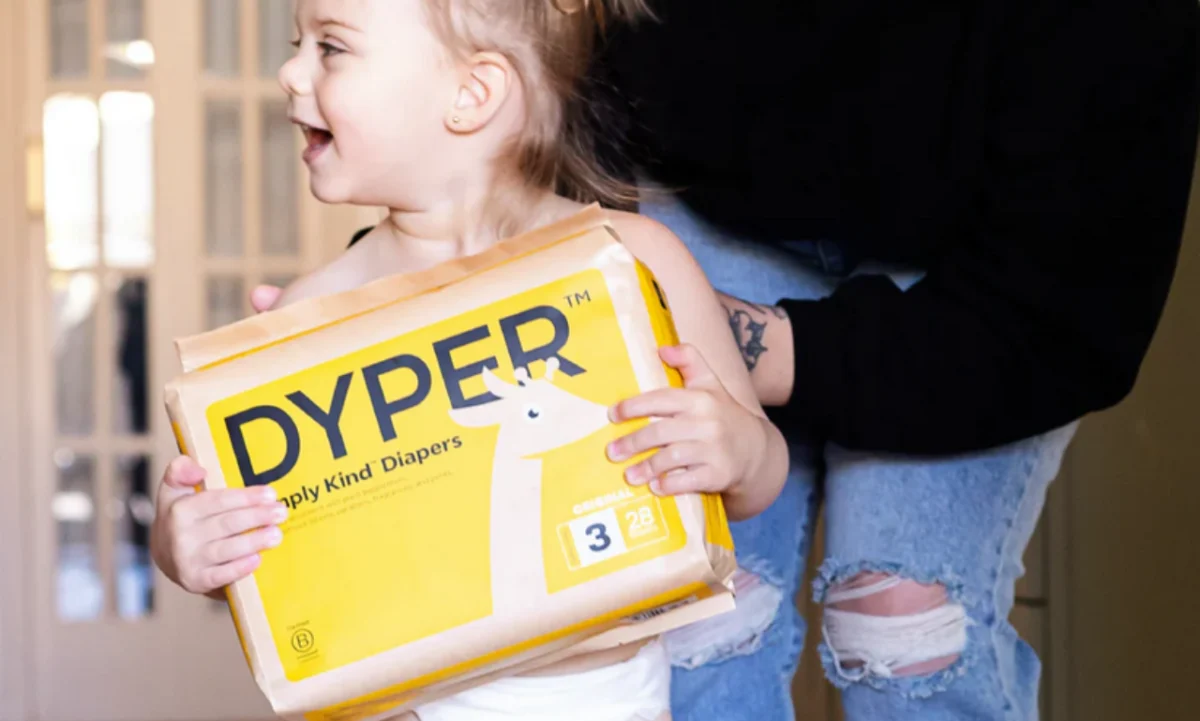
Image credit: Dyper. This article is generously sponsored by Dyper, a maker of plant-based, compostable single-use diapers.
Babies produce an astonishing volume of waste, a challenge that confronts nearly every household with an infant. The sheer scale of this output is staggering: most babies will utilize approximately 6,000 diapers within their first two years of life. This statistic alone underscores a significant environmental and logistical burden for modern society. While reusable cloth diapers are often presented as an eco-conscious alternative, their practical implementation frequently proves untenable for the demands of busy parents, who often prioritize convenience and hygiene in their daily routines. Consequently, single-use disposable diapers remain the dominant choice, despite their inherent drawbacks.
The issue with traditional single-use disposable diapers extends far beyond mere waste management. They represent a substantial environmental threat and, critically, a potential health hazard for the delicate skin and developing systems of infants. Every component of these ubiquitous products, from their petroleum-derived plastic layers to the myriad chemicals used in their construction and perfuming, warrants scrutiny. The common inclusion of fragrances in baby products, particularly diapers, raises questions about necessity versus potential harm, especially when these chemicals are in prolonged contact with sensitive areas.
Research has increasingly linked components found in conventional disposable diapers to a range of adverse health outcomes. These include endocrine and reproductive disorders, acute skin rashes and irritations, and even the potential for long-term health issues such as testicular cancer later in life. This alarming reality is compounded by a stark regulatory oversight: in many jurisdictions, including the United States, the Consumer Product Safety Commission (CPSC) mandates only lead testing for baby diapers. This leaves a vast array of potentially harmful substances, including known carcinogens, endocrine-disrupting chemicals (EDCs), and volatile organic compounds (VOCs), largely unregulated and untested in products designed for continuous contact with infants. The lack of comprehensive safety standards means that parents are often unknowingly exposing their children to a chemical cocktail from birth.
Once used, these conventional diapers are typically collected with municipal trash, contributing significantly to landfill volumes. Each week, they pile up in household bins, quickly reaching capacity and serving as a tangible reminder of the pervasive waste stream generated by infant care. It was precisely this observation—the weekly overflow of plastic diapers—that spurred Tony Patron, founder of REDYPER™ and later Dyper, and his business partner to seek a transformative solution. Their moment of realization marked the beginning of what would evolve into Dyper, a pioneering company committed to developing safe, high-performance, and non-toxic diapering solutions.
The Mounting Waste Crisis: A Deeper Look at Diapers in Landfills
The global consumption of disposable diapers is monumental, with estimates suggesting that billions are discarded annually worldwide. In the United States alone, diapers constitute a significant portion of municipal solid waste. Each diaper, predominantly made from plastics such as polyethylene and polypropylene, along with super-absorbent polymers (SAPs) and wood pulp, takes an estimated 250 to 500 years to decompose in a landfill. During this protracted period, they contribute to a host of environmental problems.
Landfills, packed with organic matter including soiled diapers, are significant sources of methane gas, a greenhouse gas far more potent than carbon dioxide in its short-term warming potential. The anaerobic decomposition of organic materials within these massive waste sites releases methane, exacerbating global climate change. Furthermore, the plastics in diapers contribute to microplastic pollution, as they slowly break down into smaller fragments that can infiltrate soil and water systems, potentially entering the food chain. Leachate, the liquid that drains from landfills, can also become contaminated with chemicals from diapers and other waste, posing a risk to groundwater and surrounding ecosystems if not properly managed.
The sheer volume of diaper waste also places an immense burden on waste management infrastructure. Landfills are finite resources, and the continuous influx of non-biodegradable waste necessitates the expansion of existing sites or the creation of new ones, often facing local opposition. The economic costs associated with collecting, transporting, and landfilling this waste are substantial, paid for by municipalities and ultimately by taxpayers. The "convenience" of disposable diapers, therefore, comes with a significant environmental and economic price tag that is often overlooked in daily life.
Unpacking the Health Concerns: Chemicals in Traditional Diapers
Beyond their environmental footprint, traditional disposable diapers contain a cocktail of chemicals that have raised serious concerns among health professionals and environmental advocates. Super-absorbent polymers (SAPs), typically sodium polyacrylate, are highly effective at absorbing liquid but can sometimes cause skin irritation. However, more concerning are the trace chemicals and additives.
Many conventional diapers incorporate fragrances to mask odors, which often contain phthalates. Phthalates are known endocrine-disrupting chemicals that can interfere with the body’s hormonal system, potentially affecting reproductive development, particularly in boys. Studies have indicated associations between phthalate exposure and adverse effects on male reproductive health, including reduced sperm quality and abnormal testicular development. Given the prolonged and intimate contact of diapers with infants’ genitals, the potential for absorption of these chemicals is a significant worry.
Other problematic chemicals found in traditional diapers include volatile organic compounds (VOCs) such as toluene, xylene, and ethylbenzene, which can be released as gases and inhaled or absorbed through the skin. These compounds are known irritants and can contribute to respiratory issues and other sensitivities. Dyes used for patterns and wetness indicators can also cause allergic reactions or skin rashes. Furthermore, the manufacturing process of wood pulp, a common component in diapers, can sometimes involve chlorine bleaching, which may lead to the formation of trace amounts of dioxins. Dioxins are highly toxic environmental pollutants known to be persistent organic pollutants and probable human carcinogens, even at very low levels of exposure.

The lack of stringent regulation means that manufacturers are not required to disclose all ingredients, especially proprietary "fragrance" mixtures, leaving parents in the dark about potential exposures. Infants are particularly vulnerable to chemical exposure due to their smaller body size, higher metabolic rates, and developing organ systems, making the need for safer diapering options even more critical. Public health organizations and environmental watchdogs have increasingly called for greater transparency and stricter regulations for baby care products to protect this sensitive population.
The Genesis of a Green Solution: Tony Patron’s Vision for Dyper
The pervasive nature of diaper waste and its associated health and environmental challenges demanded a revolutionary approach. For Tony Patron, the impetus for change was both personal and professional. As a new father, he experienced firsthand the overwhelming volume of plastic diapers filling his household bins each week. This personal frustration, combined with his background as an engineer, provided a unique perspective and the drive to tackle what seemed like an intractable problem.
Patron recognized that while cloth diapers offered an environmental advantage, their logistical demands often made them impractical for modern families. He envisioned a third way: a single-use diaper that delivered on convenience and performance while being genuinely sustainable and safe. His initial endeavors involved exploring partnerships with existing companies manufacturing compostable diapers, demonstrating his commitment to finding an effective solution rather than building one from scratch. This collaborative spirit eventually led to a merger that culminated in the formation of Dyper, a company built on the foundational principle of reducing both household and environmental waste through innovative product design.
The journey to create Dyper was not without its challenges. Developing a diaper that could meet stringent performance standards—absorbency, fit, and comfort—while being almost entirely plant-based and compostable required extensive research and development. It meant meticulously sourcing materials, rigorously testing prototypes, and navigating complex supply chains. Patron and his team were driven by a clear mission: to create a non-toxic, biodegradable diaper that performed as well as, if not better than, conventional options, without compromising infant health or planetary well-being. This commitment to innovation and sustainability defined Dyper’s early days and continues to be its guiding philosophy.
Innovation in Absorbency: Dyper’s Plant-Based Approach
Dyper’s core innovation lies in its unwavering commitment to "plants over plastic for happy babies." This philosophy translates into a product meticulously crafted from predominantly plant-based materials, engineered to offer superior performance without the environmental or health drawbacks of traditional disposables. The brand strategically utilizes US-grown FSC-certified bamboo and eucalyptus fibers, chosen for their rapid renewability, sustainable harvesting practices, and excellent absorbent properties.
The use of bamboo, in particular, is significant. Bamboo is a fast-growing, regenerative resource that requires minimal water and no pesticides to cultivate, making it an environmentally sound choice. Dyper’s viscose bamboo is sourced from an Oeko-Tex certified supplier, ensuring that the material is free from harmful substances and produced in an environmentally and socially responsible manner. This commitment to transparency is further reinforced by the brand’s practice of labeling each layer of its diapers with specific component details, empowering conscious parents with full visibility into what touches their baby’s skin.
Dyper’s diapers are not just "green" in principle; they are certified. The brand has achieved USDA BioPreferred 55% Product certification for its diapers and an even more impressive 95% Product certification for its wipes, indicating a high percentage of biobased content. Furthermore, the diaper products themselves meet stringent Oeko-Tex standards, confirming they are free from harmful chemicals. In a significant validation of its safety claims, Dyper recently obtained the DermaTest 5-Star Certification. This prestigious dermatological seal guarantees that the diapers are extremely gentle on skin and will not cause any skin reactions, a crucial factor for infants prone to rashes and sensitivities.
The product development team at Dyper works relentlessly to ensure that nearly all components are biodegradable. While some advanced technologies, such as the hook-and-loop fasteners (velcro), are not yet available in a fully biodegradable form, Dyper remains at the forefront of researching and integrating new sustainable materials as they become viable. This ongoing pursuit of innovation ensures that the brand continually pushes the boundaries of what is possible in eco-friendly diapering, delivering a product that consistently matches the absorbency, fit, and comfort of any leading conventional diaper on the market, while actively reducing the risk of skin irritation from harsh chemicals. By meticulously avoiding phthalates, latex, parabens, chlorine, alcohol, and other irritants commonly found in supermarket diapers, Dyper provides a safer, gentler choice for babies and a more responsible one for the planet.
Closing the Loop: The Revolutionary REDYPER Composting Program
While plant-based materials significantly reduce the environmental impact of diaper production and disposal, Dyper takes its commitment to sustainability a crucial step further with its innovative REDYPER program. This optional service, available in various states, offers parents a practical solution for diverting used diapers and wipes from landfills through industrial composting. The program represents a paradigm shift in waste management for baby products, actively closing the loop on diaper disposal.
The REDYPER program operates through a convenient subscription model, offering weekly or biweekly pickup services for used diapers and wipes in eligible areas. Once collected, these materials are not merely recycled; they are sent to partner regional composting facilities. Here, the specialized conditions of industrial composting—controlled temperature, moisture, and aeration—allow the plant-based components of the diapers to break down efficiently. Within approximately 14 to 16 weeks, the organic materials are transformed into nutrient-rich compost. Non-compostable elements, such as the small amount of non-biodegradable velcro, are carefully removed from the compost stream and disposed of responsibly.
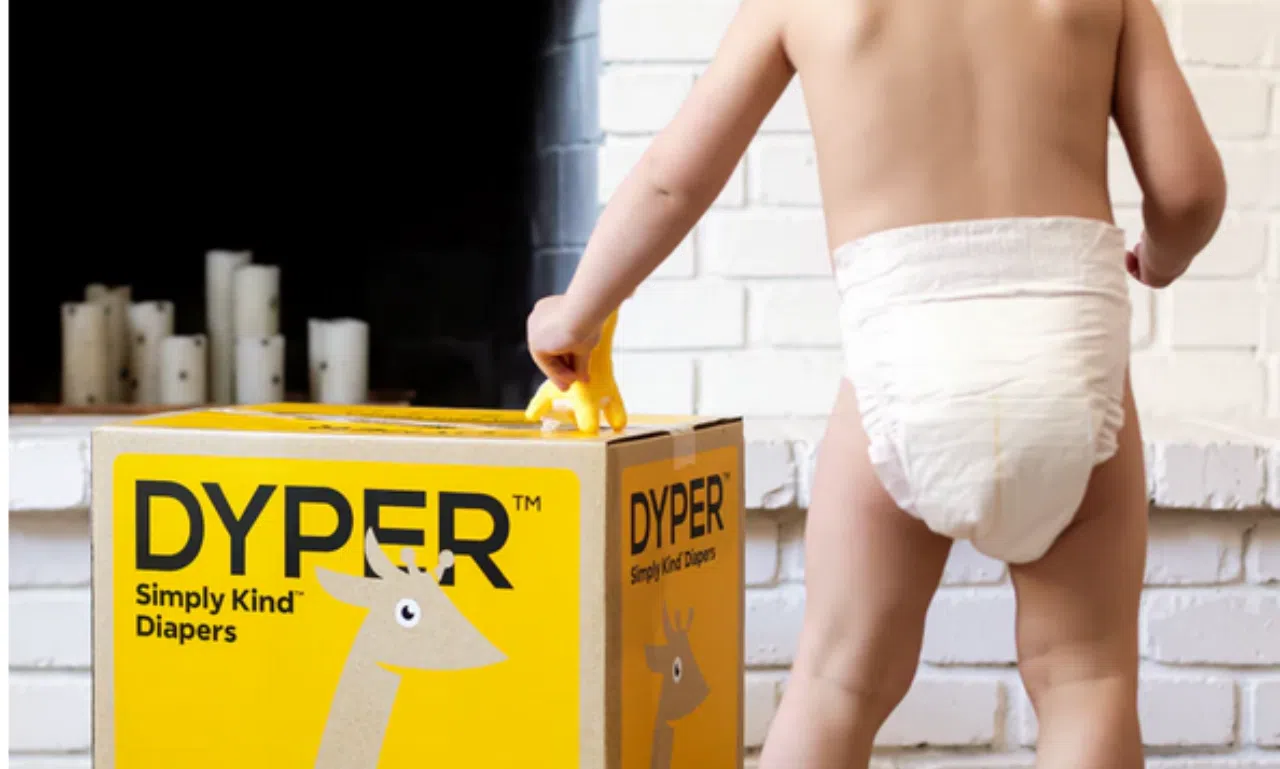
The environmental impact of REDYPER is substantial and measurable. To date, the program has successfully diverted over 14 million pounds of waste from landfills. This diversion directly translates into a significant reduction in greenhouse gas emissions, particularly methane, which would otherwise be produced by the decomposition of organic matter in anaerobic landfill environments. It also reduces the volume of plastic waste accumulating in landfills, mitigating the long-term issues of microplastic pollution and landfill space scarcity.
Scaling such a composting infrastructure presents considerable logistical challenges, as it requires partnerships with specialized industrial composting facilities that can handle soiled organic waste, a capability not universally available across all municipal composting programs. Dyper’s commitment to building and expanding this network demonstrates its dedication to providing a holistic, end-to-end sustainable solution. By offering an accessible and convenient composting service, Dyper empowers parents to make a tangible difference in their household’s environmental footprint without sacrificing the convenience of single-use diapers. The REDYPER program not only addresses the immediate problem of diaper waste but also contributes to the broader development of circular economy principles in consumer goods.
Beyond the Diaper: Holistic Sustainability and Consumer Empowerment
Dyper’s "plants over plastic" philosophy extends beyond the diaper itself, permeating its entire operational framework, including its packaging. The brand is committed to utilizing sustainable packaging materials wherever possible, further reducing its overall environmental impact. This holistic approach ensures that every aspect of the product’s lifecycle, from sourcing raw materials to final disposal, aligns with its core sustainability objectives.
For parents, Dyper offers not just an eco-friendly product but also a commitment to ease and convenience. The company provides flexible purchasing options, including subscriptions and one-time purchases, available in a wide variety of sizes to accommodate growing infants. The integration of the REDYPER pickup service in eligible areas streamlines the disposal process, transforming what was once a chore into an effortless act of environmental responsibility. This focus on user experience is critical, recognizing that sustainable choices must also be practical and accessible to gain widespread adoption.
The emergence of companies like Dyper reflects a broader shift in consumer awareness and demand. Modern parents are increasingly seeking products that align with their values, prioritizing health, environmental stewardship, and transparency. This growing market segment is driving innovation across the baby care industry, compelling manufacturers to re-evaluate their materials, processes, and waste management strategies. Dyper stands as a testament to the power of consumer choice in catalyzing positive change, demonstrating that functionality and sustainability are not mutually exclusive but can, in fact, enhance each other.
Environmental advocates and public health experts consistently underscore the importance of reducing landfill waste and minimizing exposure to harmful chemicals in infant products. Initiatives like Dyper’s are lauded for offering a tangible solution to these pressing issues, providing a model for other industries to emulate. By transparently detailing its materials, certifications, and waste diversion efforts, Dyper builds trust and empowers parents to make informed decisions that benefit both their children and the planet.
The Future of Diapering: Innovation, Regulation, and a Greener Tomorrow
The journey towards truly sustainable diapering is ongoing, and Dyper continues to lead the charge through continuous innovation and an unwavering commitment to its mission. The brand’s research and development efforts are constantly exploring new biodegradable materials and technologies to address the remaining non-compostable components, such as the velcro fasteners, with the ultimate goal of achieving a fully compostable diaper. This forward-looking approach underscores Dyper’s dedication to pushing the boundaries of what is currently possible in eco-friendly product design.
Beyond individual company initiatives, the broader industry faces a critical juncture. The success of companies like Dyper highlights the urgent need for more stringent regulatory frameworks for baby care products. Requiring comprehensive testing for all chemicals, mandating full ingredient transparency, and setting higher standards for biodegradability and compostability could transform the entire disposable diaper market, ensuring safer products for all infants and significantly reducing environmental pollution. Public advocacy groups continue to press for these regulatory changes, recognizing their potential for widespread positive impact.
Ultimately, Dyper offers more than just a high-performing diaper; it offers a commitment to sustainability, transparency, and superior baby care. By choosing Dyper, parents are not only providing their babies with a safer, gentler product but also actively participating in a movement towards a more sustainable future. The company’s success demonstrates that it is possible to reconcile convenience with environmental responsibility, setting a new benchmark for the baby care industry and inspiring a greener tomorrow for generations to come. The collective effort of innovative companies, informed consumers, and responsive regulatory bodies holds the key to addressing the diaper dilemma comprehensively and effectively.




 Chandra Hamzah
 Tatiana Tantri Indah Sari
 Budi Mulyono
 Anjar Salim

