
 Anjar Salim
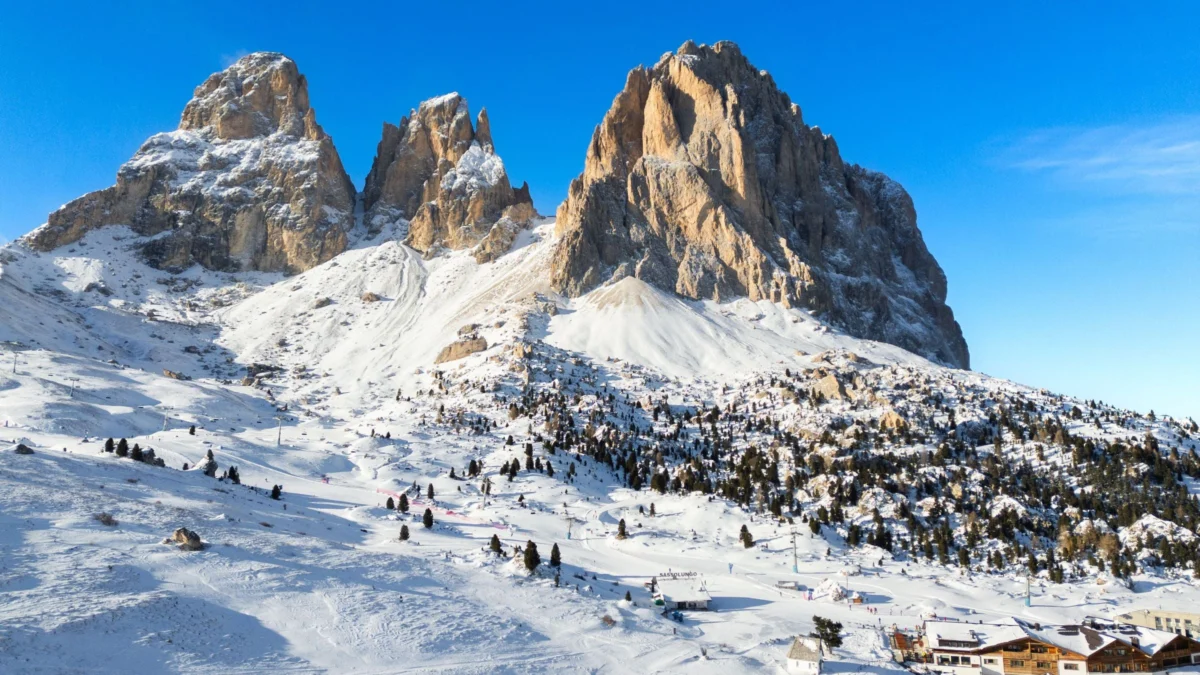
An unprecedented wave of American skiers and snowboarders is crossing the Atlantic to experience the legendary peaks of the European Alps. Driven by the widespread adoption of multi-destination megapasses like the Ikon and Epic passes, U.S. tourism to iconic European ski domains has reached historic highs. However, this growing international migration coincides with a period of profound volatility. Travelers face rapid environmental shifts, fluctuating currency values, and complex logistical hurdles that demand careful planning. Industry analysts note that while the allure of European ski culture remains potent, the traditional calculus of booking an international ski vacation months in advance is undergoing a fundamental transformation.
Chronology and Evolution of the Transatlantic Ski Market
The cultural exchange between American skiers and the European Alps is deeply rooted in the post-World War II era, when U.S. service members stationed in Europe first discovered the recreational potential of Swiss and Austrian mountain towns. Decades later, the establishment of the modern winter sports industry took formal shape when Chamonix, France, hosted the inaugural Winter Olympics in 1924. This event catalyzed a "white gold" economic rush, inspiring the rapid development of ski infrastructure throughout the European continent.
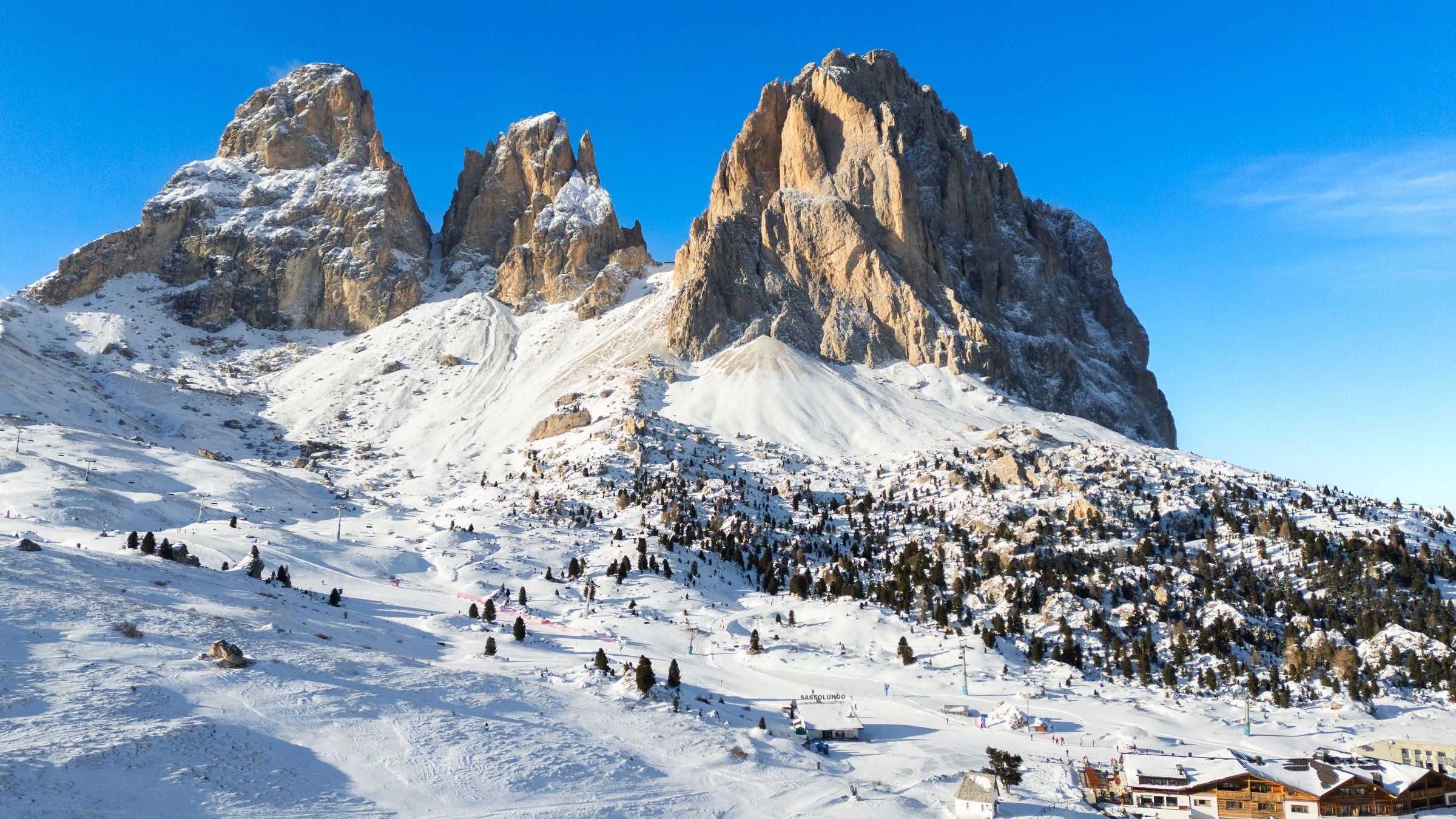
In recent years, the market has experienced another structural shift due to the globalization of U.S. ski passes. As the Epic and Ikon passes integrated numerous European destinations into their networks, barriers to entry for American travelers lowered significantly. Resorts that were once considered exotic bucket-list items became accessible via familiar domestic subscription models. Nevertheless, the convergence of shifting climate models, regional pricing pressures, and complex lift-ticket fine print has introduced new challenges for contemporary planners, shifting the focus toward high-elevation resorts and flexible itineraries.
Climate Realities and Snow Coverage Dynamics
Environmental conditions in the Alps are evolving rapidly, making snow security a primary concern for international travelers. Meteorological forecasts for the upcoming winter season indicate the presence of a super El Niño pattern, historically associated with a warm and wet winter across the European continent. While a wet regime is preferable to dry conditions, it presents distinct challenges for low- and mid-elevation resorts.
Historically, slopes situated below 1,650 feet enjoyed reliable, dense snowpacks, particularly on the northern flanks of the Alpine range. Today, rising temperatures mean that lower-altitude destinations frequently experience rain rather than snow, even at elevations exceeding 6,500 feet. For instance, the sprawling Portes du Soleil domain—straddling France and Switzerland with 360 miles of pistes—peaks at 7,200 feet but features base elevations near 3,300 feet, leaving its lower sectors increasingly vulnerable to rain events.
Similar altitude vulnerabilities affect renowned Austrian resorts such as Kitzbühel and Saalbach Skicircus. While these destinations epitomize traditional European ski culture with expansive terrain and rich racing histories, their base elevations sit between 2,600 and 2,700 feet, with summits reaching roughly 6,600 feet. Industry experts advise that unless travelers maintain highly flexible schedules to capitalize on optimal storm cycles—such as a nordstau delivering heavy northern moisture—booking low-elevation resorts far in advance carries considerable risk. Consequently, current travel recommendations emphasize destinations boasting summits above 10,000 feet in France, Italy, and Switzerland, and above 8,200 feet in Austria.
Comparative Analysis of Alpine Destinations: France, Italy, Austria, and Switzerland
Choosing the appropriate destination requires weighing factors such as cultural atmosphere, pricing efficiency, and infrastructure reliability. Each Alpine nation presents distinct advantages and operational quirks.
France and Italy generally offer superior culinary experiences and more affordable lift tickets compared to Switzerland, though regional efficiency can vary. Visitors frequently encounter spontaneous closures of lifts or mountain restaurants—often denoted by the local phrase fermeture exceptionnelle—and service standards that differ from American expectations. Conversely, Switzerland and Austria demonstrate exceptional operational efficiency, robust high-speed lift networks featuring advanced 3S cable car systems, and statistically higher overall snowfall, particularly along the northern ranges.
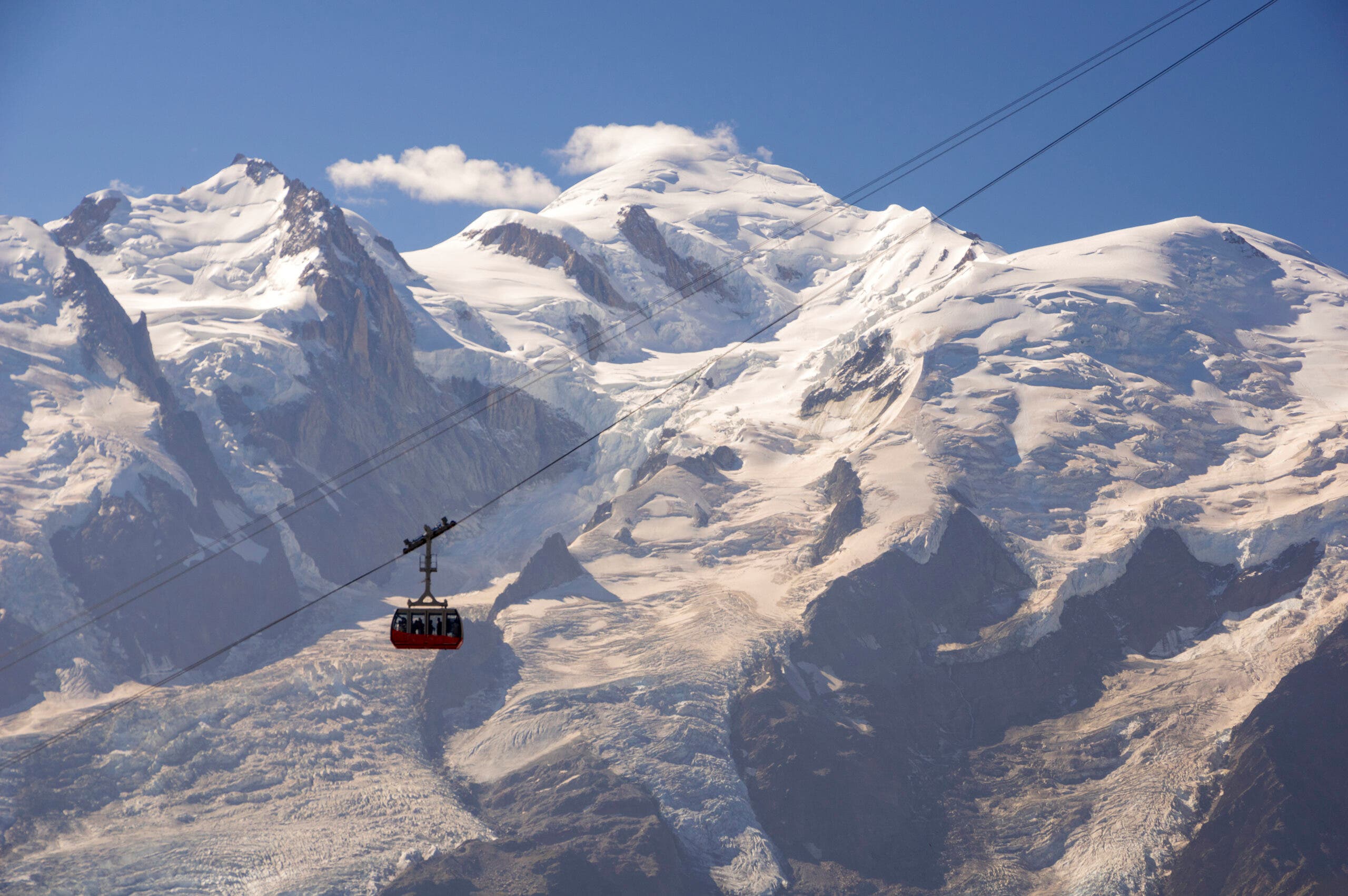
France: Megaresorts and Hidden Gems
France remains a cornerstone of the European ski market, dominated by massive interlinked domains. Tignes and Val d’Isère represent a premier option for diverse ability levels, anchored by the Grande Motte glacier reaching 11,339 feet and a robust base elevation of 5,906 feet. While excluded from major U.S. megapasses, its traditional village architecture and vast terrain command steady international interest.
Meanwhile, megaresorts like Les Trois Vallées and Paradiski offer immense acreage integrated into the Epic Pass framework. For travelers seeking alternatives to heavily commercialized hubs, Serre Chevalier in the southern French Alps provides extensive piste and off-piste terrain alongside a traditional village ambiance, with single-day lift tickets averaging around $78. Further south, hidden pockets like Abriès and Saint-Véran in the Queyras region offer high-altitude terrain starting above 8,200 feet at competitive price points.
Italy: Culture, Cuisine, and the Dolomites
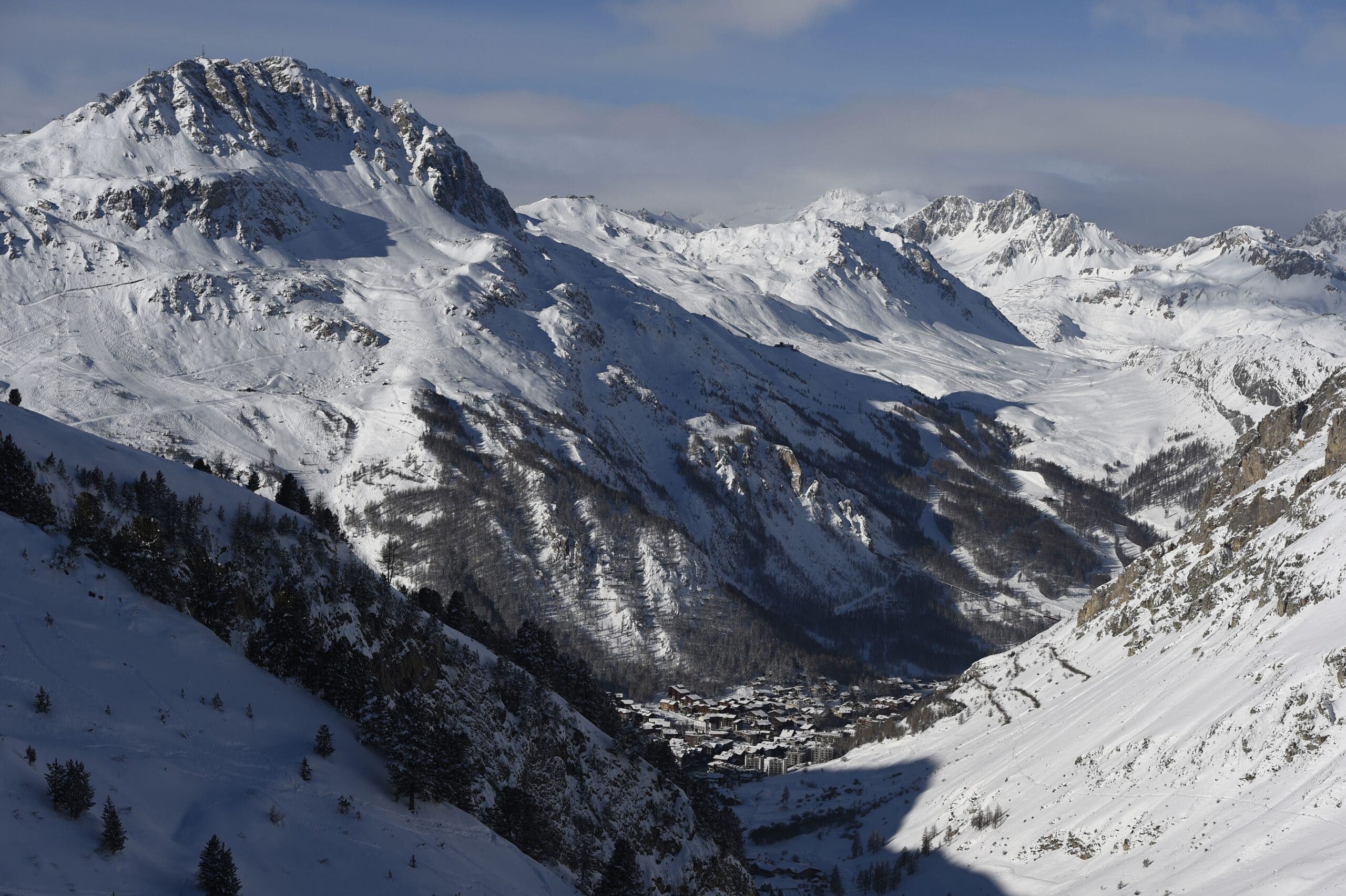
Italy appeals heavily to travelers prioritizing ancient village architecture, world-class gastronomy, and favorable pricing structures. The inclusion of the Aosta Valley in international pass networks has opened access to premier resorts including Monte Rosa, Cervinia, La Thuile, and Courmayeur.
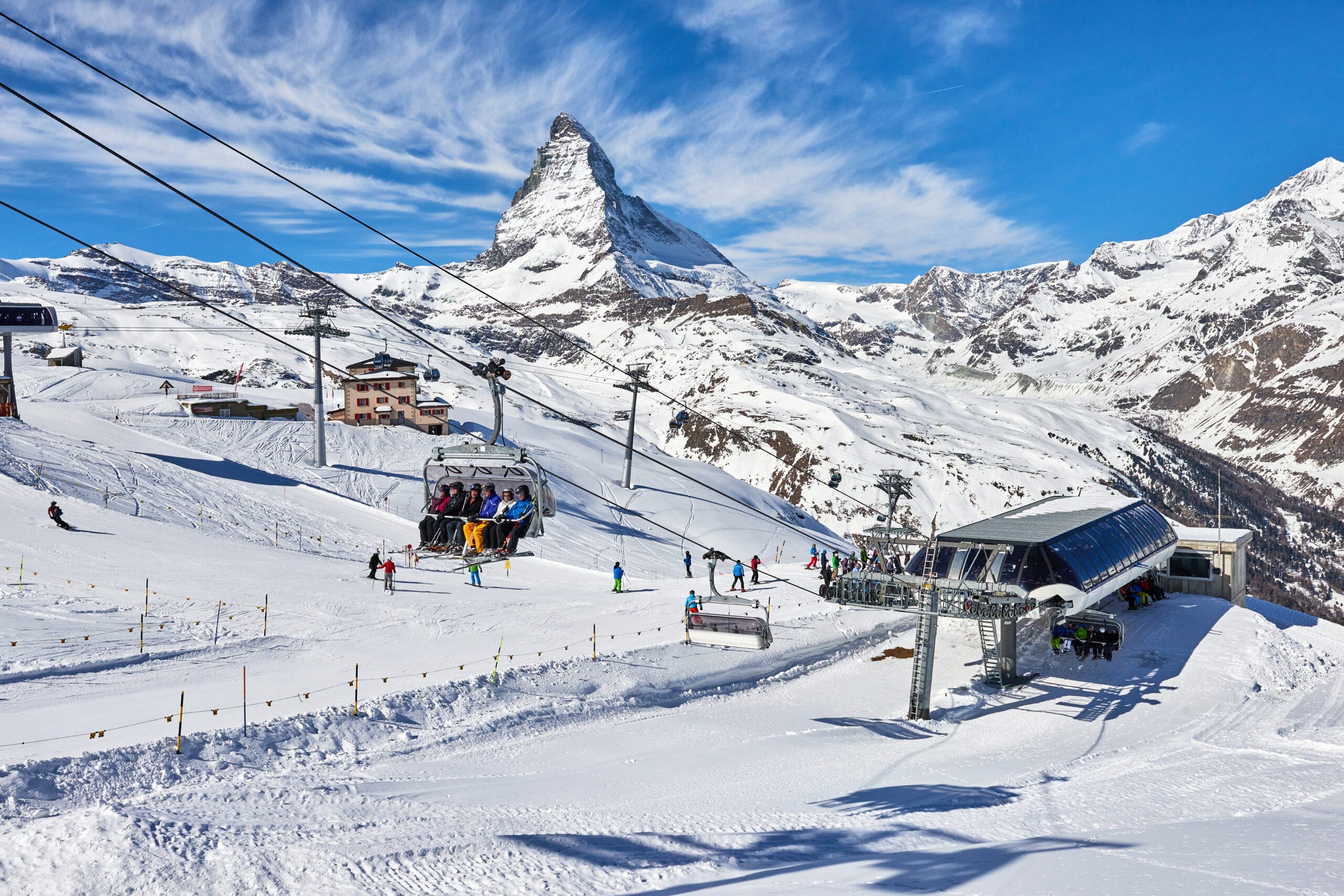
Monte Rosa offers extensive off-piste terrain supported by traditional Walser communities in the Lys Valley. Cervinia, serving as the Italian gateway to the Matterhorn Ski Paradise, offers an alternative to Zermatt with superior culinary offerings and lower costs. Infrastructure improvements, including the planned construction of the "Cervino The One" 3S cable car slated for completion by 2030, aim to streamline cross-border transit between Italy and Switzerland.
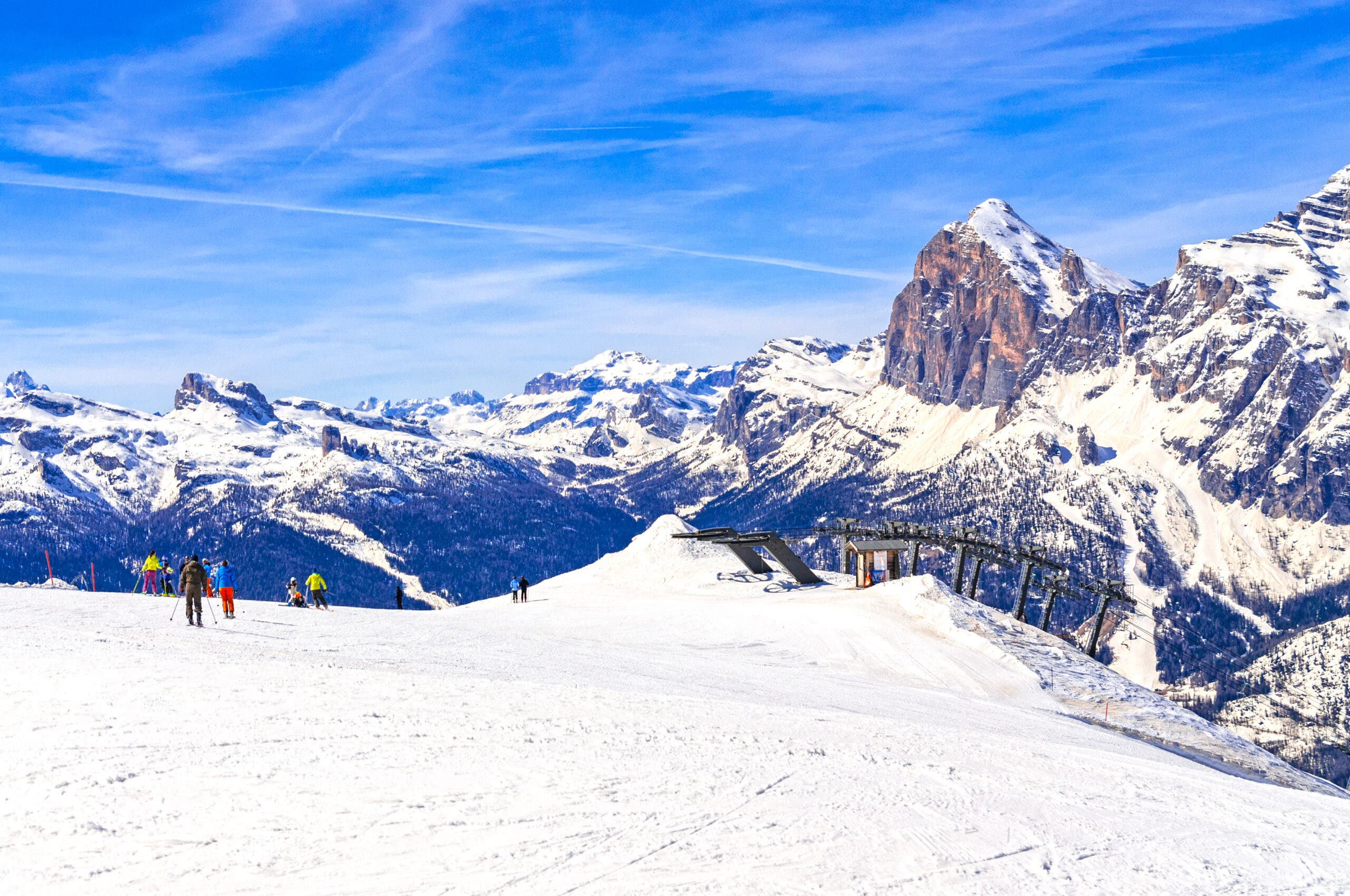
In the east, the Dolomiti Superski region—accessible via the Ikon Pass—combines striking geological scenery with integrated village networks. While regional snowfall totals may trail the northern Alps, the area’s rich Olympic heritage and culinary distinction make it a dominant choice for international visitors.
Austria: Efficiency, Aprés-Ski, and Infrastructure
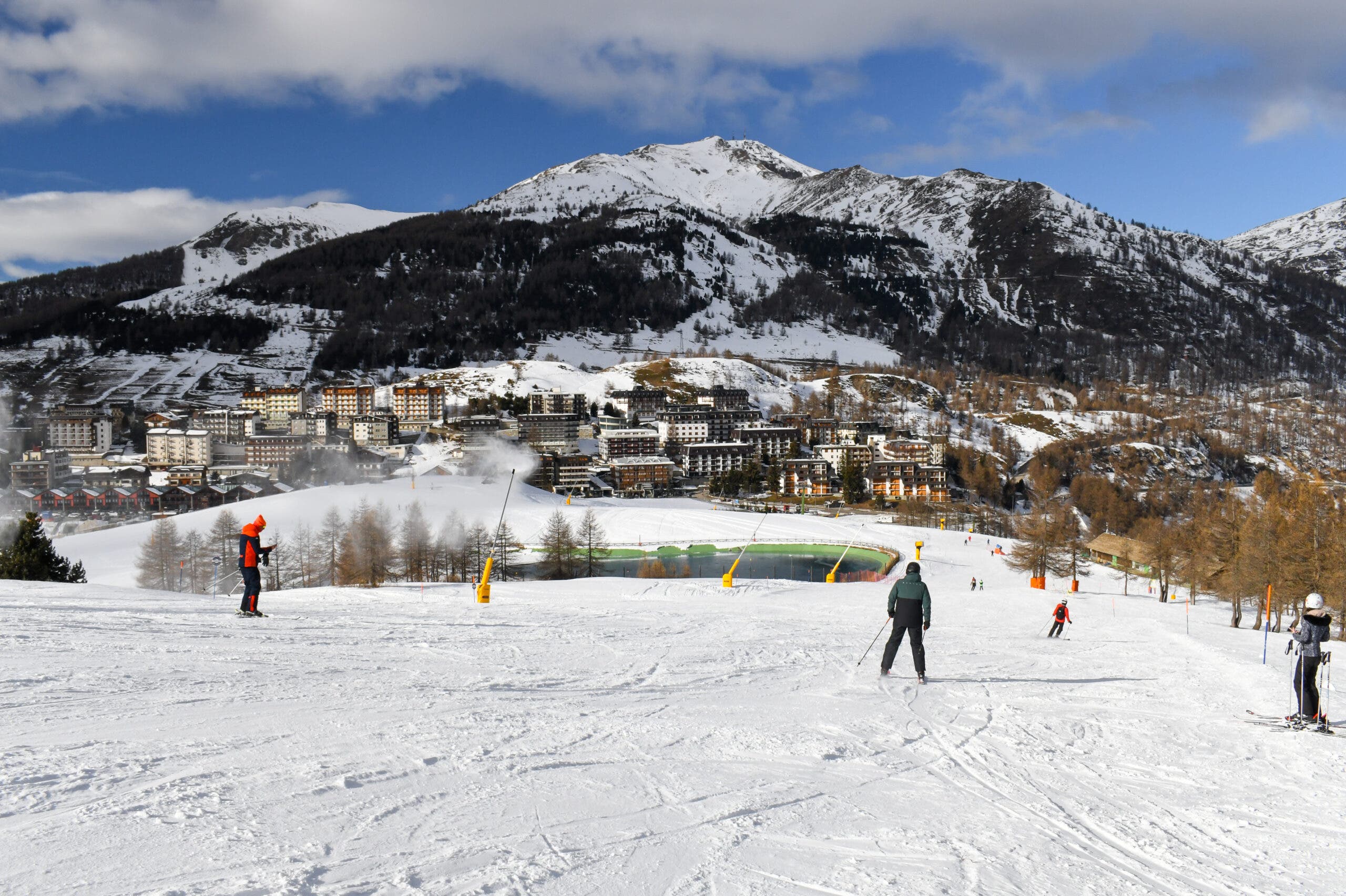
Austria’s national identity is inextricably linked to winter sports, boasting efficient infrastructure, competitive pricing, and a culture centered around both meticulously maintained pistes and vibrant aprés-ski traditions. The country is well-represented on both the Epic and Ikon passes, allowing passholders to access expansive networks such as Skicircus Saalbach, Sölden, Zillertal, and Silvretta Montafon.
Ski Arlberg, encompassing St. Anton, remains a benchmark for Austrian skiing, featuring reliable snowpacks and extensive freeride terrain, though pass redemption involves specific lodging requirements. For travelers seeking urban conveniences paired with mountain access, Innsbruck serves as a strategic base. The city provides comprehensive rail and shuttle connections to major resorts within an hour’s radius, alongside the multi-destination Innsbruck Pass.
Switzerland: Luxury, Car-Free Villages, and High Altitudes
Switzerland distinguishes itself through a high concentration of car-free base villages—such as Zermatt, Wengen, Saas-Fee, and Mürren—which preserve a traditional Alpine aesthetic. Benefiting from high-altitude, north-facing terrain, Switzerland offers exceptional snow security and the largest glacier systems in the Alps.
While luxury destinations like Verbier and Zermatt draw significant American foot traffic, they also command premium prices, often doubling the operational costs found in neighboring France or Italy. Alternatives such as Saas-Fee offer authentic chalet architecture and high-altitude funicular access reaching 11,482 feet. Although Switzerland records roughly 23 million annual skier visits across more than 300 resorts—significantly fewer than France’s 51 million visits—its domains generally provide a less congested on-mountain experience outside of peak international hubs.
Broader Economic and Industry Implications
The surging volume of American tourists navigating the Alps reflects a structural globalization of the ski industry. Multi-resort pass products have democratized international travel for middle-income U.S. skiers, altering demographic patterns across historic European hamlets. However, this trend places new demands on local infrastructure, lodging capacity, and environmental management strategies.
As European resorts adapt to shifting climate realities through increased snowmaking investments and high-altitude terrain optimization, the economic footprint of American travelers will continue to shape regional development. Industry observers emphasize that prospective visitors must balance traditional brand recognition—such as booking iconic names like Chamonix or Zermatt—against practical considerations of altitude security, currency exchange rates, and logistical flexibility. By looking beyond heavily marketed flagship destinations, travelers can access the breadth and depth of the Alpine landscape while mitigating the impacts of environmental and economic volatility.




 Gabriela Annisa

 Lukman Taruna Persada Ramadan

 Tatiana Tantri Indah Sari


 Dwi Wanna
