Anjar Salim
National parks across the United States serve as fertile ground for storytelling, preserving vast wilderness areas, deep geological formations, and sacred histories stretching back thousands of years. From subterranean caves to century-old mountain lodges, these remote landscapes inspire and collect folklore that gets passed down through generations. Over time, as details are dropped and new elements are added, fact and legend blur, creating enduring ghost stories deeply rooted in American culture.
Authored by Salem, Massachusetts-based writer and seasonal expert Lauren Liebhaber, a recent investigative look into the supernatural lore of five popular national parks reveals the fascinating origins behind these haunting tales. While some legends originate from fabricated hotel lore or 19th-century gothic fiction, others are tied to genuine historical tragedies, sacred indigenous traditions, and the profound psychological impacts of isolation in the wilderness.
Yellowstone National Park: The Headless Bride of Old Faithful Inn
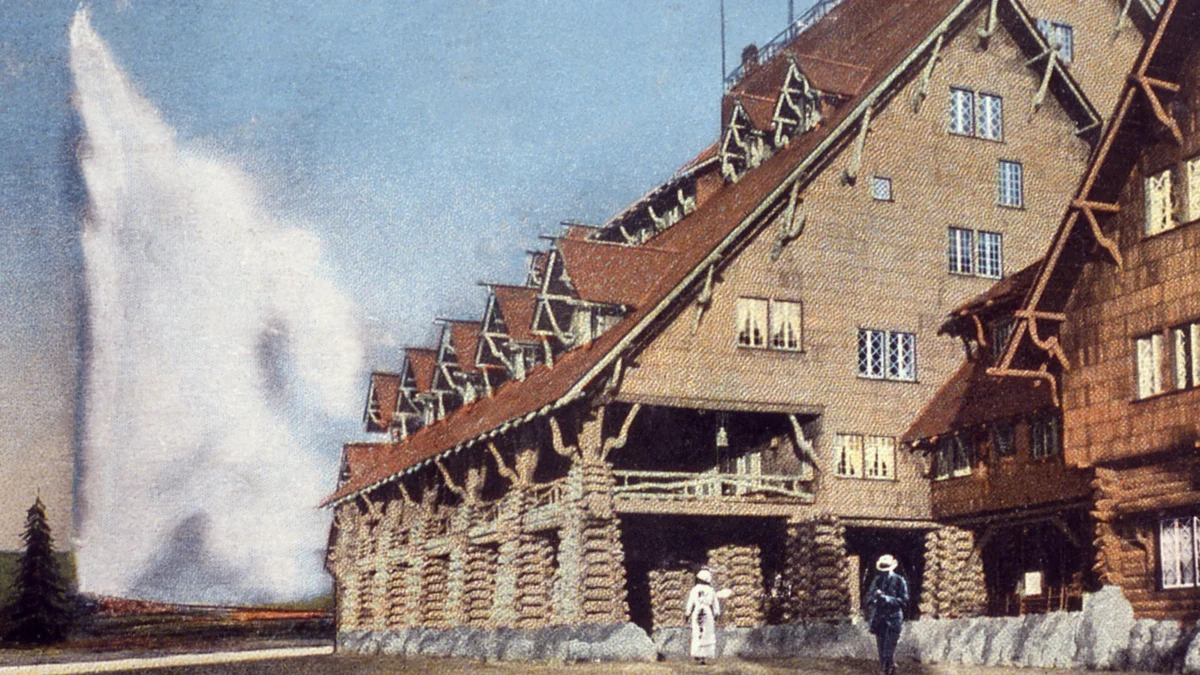
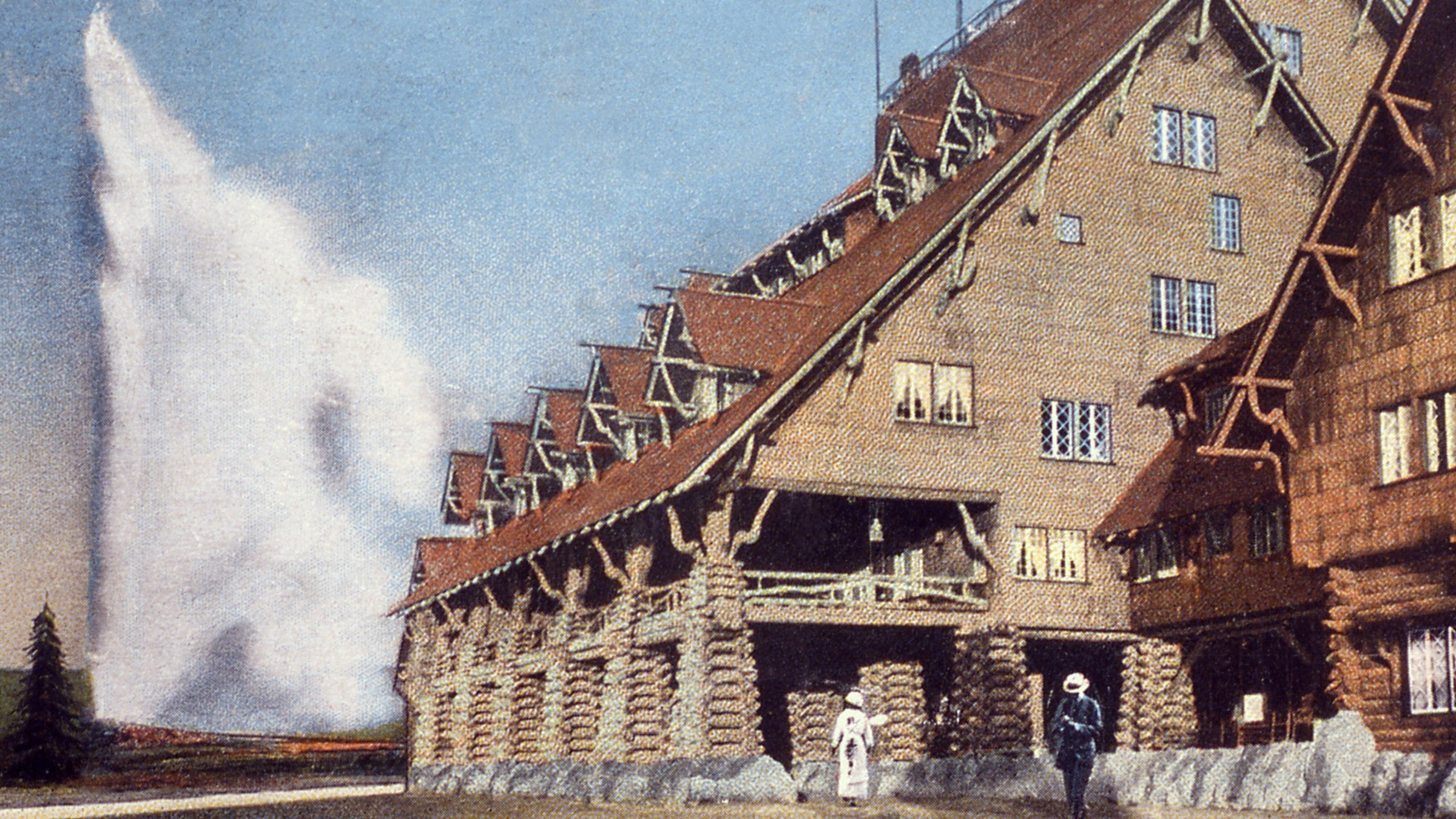
Standing as a gabled monument to lodgepole pine, the historic Old Faithful Inn opened in 1904 to accommodate travelers seeking to witness Yellowstone’s famous geothermal activity in rustic comfort. Over the decades, the iconic structure also became associated with Yellowstone’s most famous alleged murder: the legend of a beheaded bride.
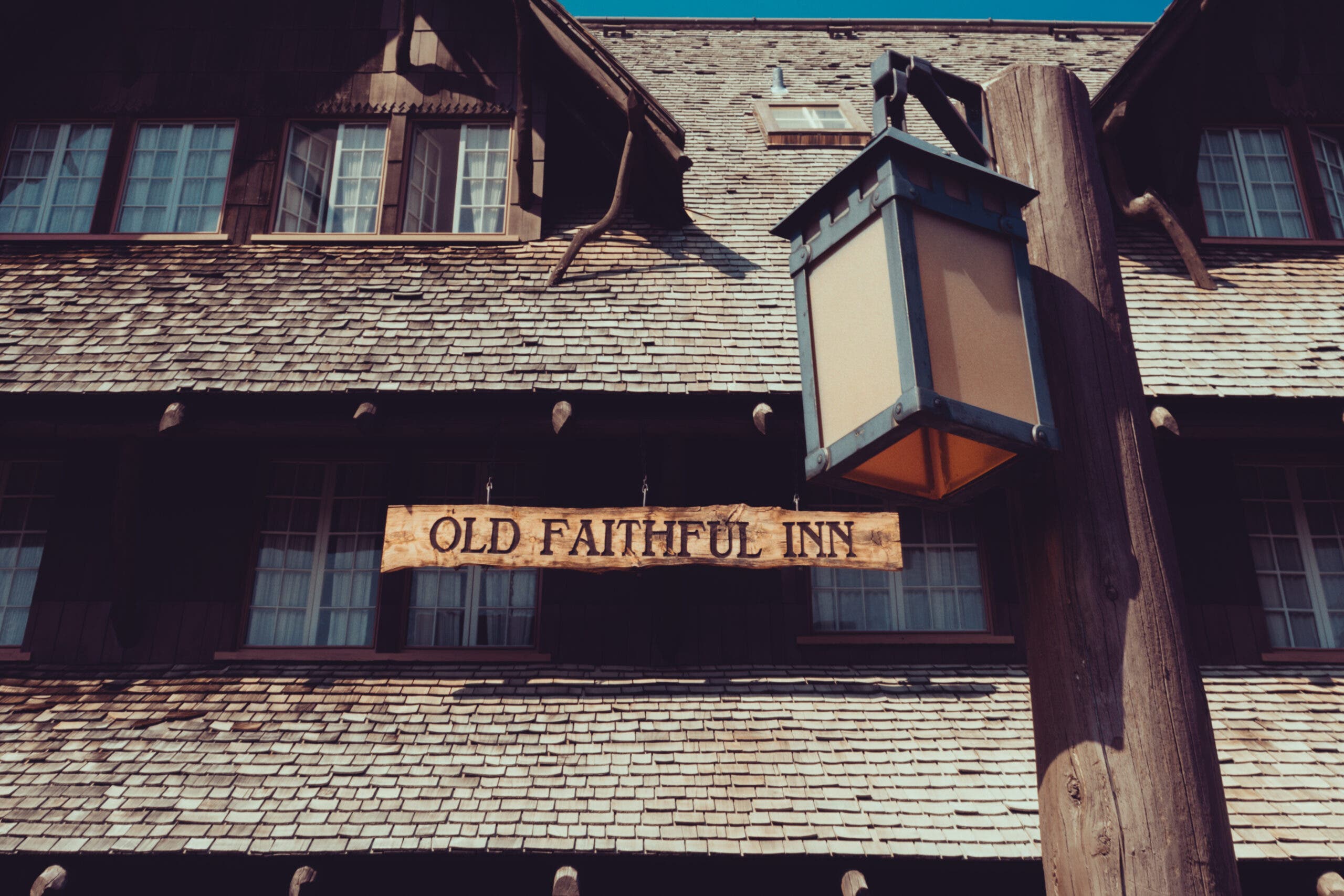
According to popular folklore dating back to 1915, the rebellious teenage daughter of a wealthy New York shipping magnate refused an arranged marriage, choosing instead to elope with a household servant. The bride’s father offered them a generous dowry to leave New York permanently. The newlyweds traveled west to honeymoon at the Old Faithful Inn, allegedly staying in Room 127. When the husband quickly burned through their funds gambling and drinking, the bride’s father refused further financial assistance. Following a violent argument, the husband vanished, and hotel staff later discovered the bride murdered and decapitated in the bathroom. The legend claims her severed head was eventually discovered high above the lobby in the Crow’s Nest, where musicians once performed, and that her spirit still drifts through the hallways.
Park staff and historians, however, have definitively debunked the tale. Yellowstone officials traced the narrative to former Old Faithful Inn bell captain George Bornemann, who reportedly fabricated the gruesome story after being relentlessly pursued by a reporter demanding local ghost stories. When asked what year the murder occurred, Bornemann told the reporter to choose any year. Additionally, an assistant manager from the 1980s confessed in a 1991 newspaper interview that he had invented the myth simply because guests at historic hotels consistently expect supernatural encounters. The myth remains a testament to the powerful intersection of historic architecture and human imagination.

Mammoth Cave National Park: Subterranean Tuberculosis Experiments and Fiction
Mammoth Cave in Kentucky requires no fictional ghosts to establish its unsettling atmosphere, as its documented history involves a tragic medical experiment. In the fall of 1942, park owner Dr. John Croghan hypothesized that the constant cool temperature and pristine subterranean air might cure tuberculosis, a rampant disease at the time. Croghan moved 16 patients into a settlement built a mile and a half underground, complete with stone huts and wooden cottages.
The experiment failed catastrophically. Cooking and heating fires filled the cave with stagnant smoke, and patients deteriorated rapidly in the perpetual darkness, looking like emaciated skeletons. Within months, the experiment was abandoned after multiple deaths underground. Generations of visitors have since reported hearing phantom coughing near the historical settlement—a phenomenon grounded in actual human suffering.

Another prominent Mammoth Cave legend centers on a woman named Melissa. According to gothic folklore, Melissa lured an unrequited love deep into the labyrinthine cave passages and abandoned him to die before ultimately perishing herself near the Echo River. Historical analysis reveals Melissa was entirely fictional, originating from an 18th-century short story titled A Tragedy of the Mammoth Cave, published in February 1858 in The Knickerbocker magazine and attributed to writer Lillie Devereux Blake. Retellings over the decades transformed the fictional character into a wandering spirit, demonstrating how literary works can permanently alter public perception of a historic landmark.
National Park of American Samoa: Sacred Aitu and the To‘aga Beach Legend
Unlike campfire ghost stories rooted in Western entertainment, the legends of To‘aga Beach on Ofu Island in the National Park of American Samoa involve aitu—spirit beings deeply embedded in traditional Samoan culture. According to the National Park Service, belief in aitu is serious and widespread, with local residents issuing strict warnings to visitors: never walk To‘aga Beach at noon or after dark, as it serves as a gathering place for these spiritual entities.

Government records from the mid-20th century validate the longevity of these local warnings. In 1950, the Public Health Department of American Samoa documented supernatural occurrences surrounding a medical dispensary built at To‘aga in 1923. Despite vehement protests from residents who warned that the site was a sacred meeting ground for aitu, the government proceeded with construction.
Shortly thereafter, naval medical workers reported persistent nighttime knocking on doors with no one outside, sightings of a headless apparition, and unexplained furniture movement in broad daylight. The most famous account involves a boat crew approaching the beach at night to witness a traditional Samoan dance, or siva, performed entirely by headless figures—including two local nurses who had been left behind. Islanders eventually forced the relocation of the dispensary to Ofu village, and modern park researchers continue to receive the same traditional warnings regarding To‘aga Beach today.
Grand Canyon National Park: The Origins of Phantom Ranch
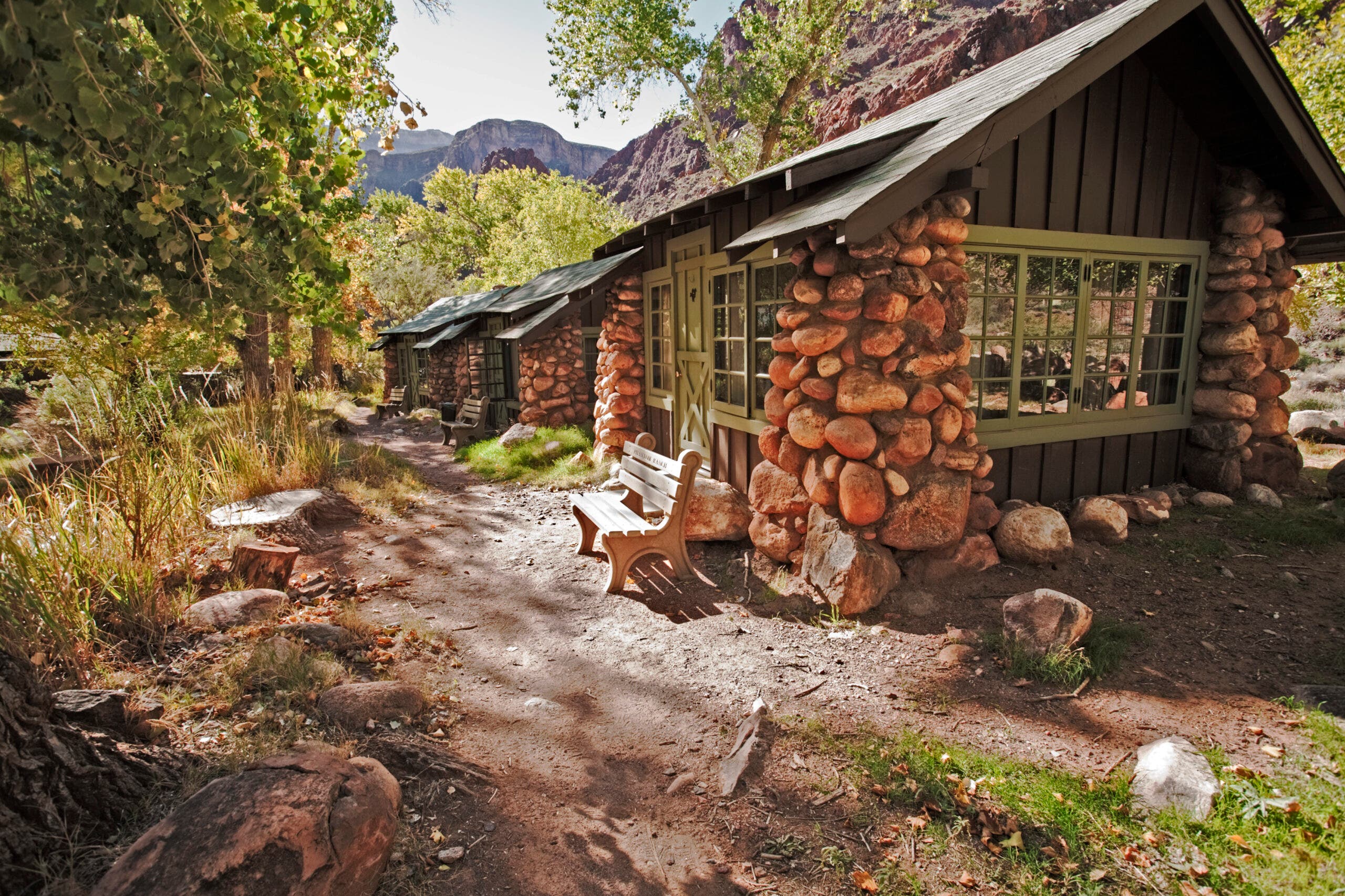
Tucked nearly a mile below the rim along Bright Angel Creek, Phantom Ranch was established in 1922 and remains accessible exclusively by foot, mule, or the Colorado River. The ranch’s name ironically derives not from its folklore, but from nearby Phantom Creek and Phantom Canyon, named by architect Mary Colter. Despite this geographic origin, the isolated oasis has accumulated numerous supernatural tales.
Mule wranglers and campers have long reported encounters with spectral figures, including a former mule packer seen standing in a bunkhouse years after dying of natural causes, and hikers from bygone eras appearing briefly before vanishing. Archival records indicate these legends began almost immediately upon the ranch’s opening. In 1926 and 1927, early visitors and journalists documented local accounts of a mysterious, veiled white light moving along the adjacent cliff faces, attributed by early caretaker Noah Kelly to a prospector named John Shane who had been crushed by a falling rock. Unlike manufactured hotel hauntings, the Grand Canyon’s phantom phenomena emerged organically alongside the earliest days of park tourism.

Yosemite National Park: Mary Curry Tresidder and the Ahwahnee Hotel
Opening in Yosemite Valley in 1927, the grand Ahwahnee Hotel features massive stone fireplaces, timber architecture, and soaring public rooms that have hosted international dignitaries and presidents for nearly a century. The hotel has also cultivated a robust reputation for being haunted, most notably by Mary Curry Tresidder.
Mary grew up in Yosemite as the daughter of Camp Curry founders David and Jennie Curry. She later married Donald Tresidder and managed the Yosemite Park and Curry Company, maintaining an apartment on the hotel’s sixth floor for decades. Following her death in her apartment in 1970 at age 78, guests and staff reported frequent encounters with her benevolent spirit. Accounts range from doors opening unassisted and phantom footsteps in empty corridors to guests waking up to find their blankets gently tucked in by an unseen presence.
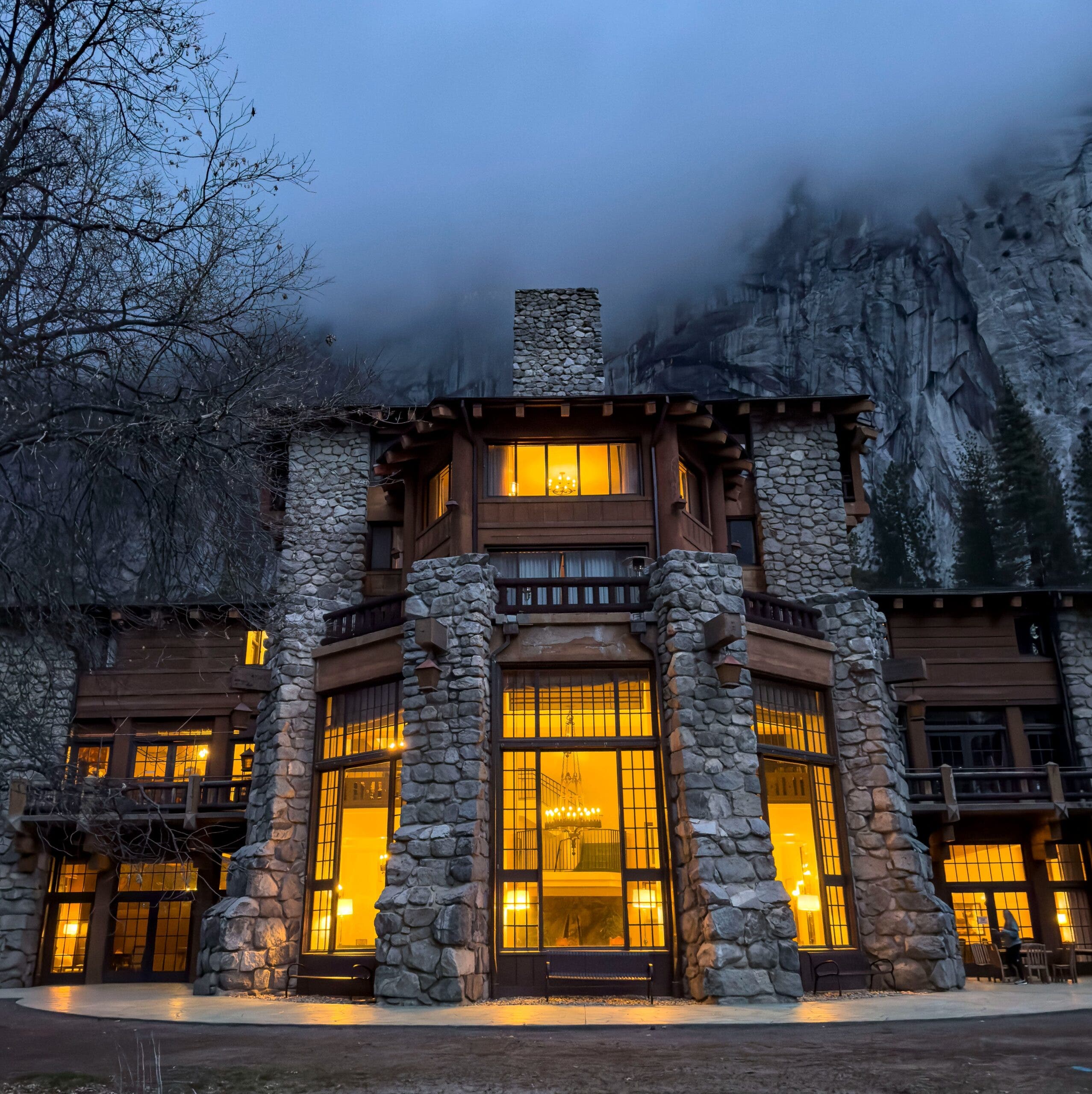
Park literature characterizes these encounters as friendly, reflecting Mary’s lifelong dedication to the valley. Additional folklore surrounds a rocking chair requested by President John F. Kennedy during his 1962 visit, which staff claim occasionally moves independently. The Ahwahnee’s striking interior architecture later inspired Hollywood director Stanley Kubrick, who utilized elements of its design for the fictional Overlook Hotel in The Shining.
Analysis of Implications
The persistence of ghost stories across the United States National Park System highlights a fundamental human drive to imprint personal narrative onto vast, untamed landscapes. These tales function as cultural bridges connecting modern visitors to the complex layers of human history embedded in public lands. While park management agencies maintain an objective stance on paranormal claims, they acknowledge that folklore contributes significantly to the cultural heritage and public engagement of these historic locations. Ultimately, whether born from commercial invention, literary fiction, or genuine historical trauma, these enduring legends ensure that the human stories behind America’s national parks continue to be told for generations.



 Tatiana Tantri Indah Sari

 Dwi Wanna
 Lukman Taruna Persada Ramadan