
 Anjar Salim
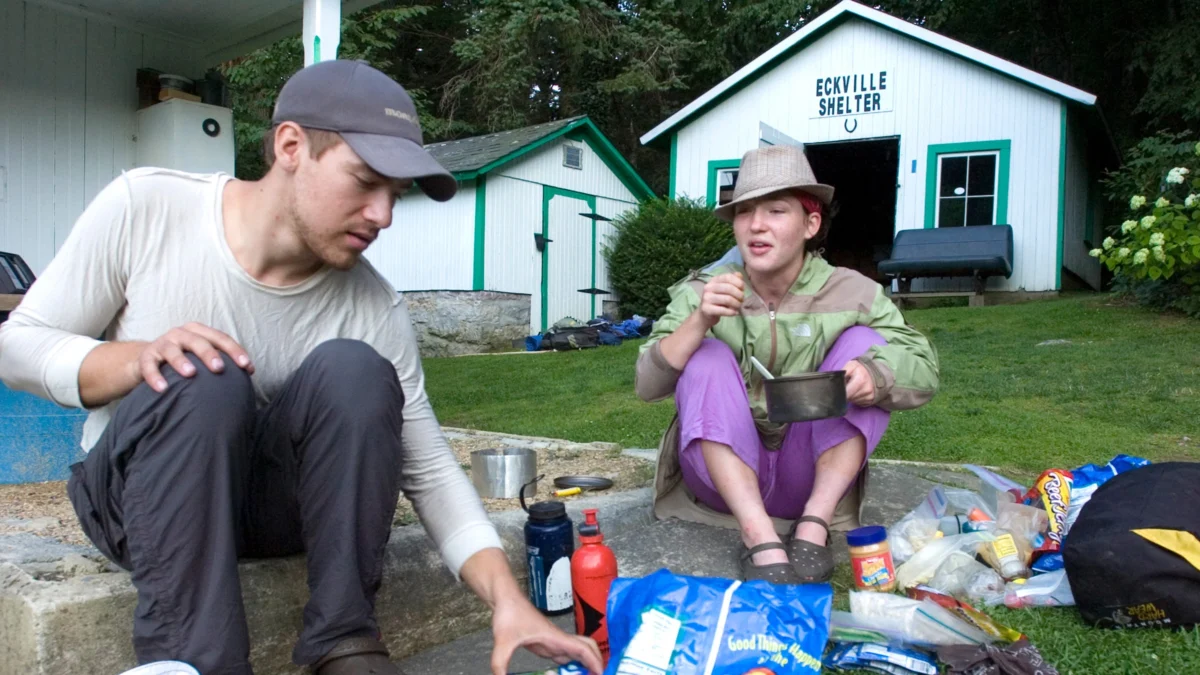
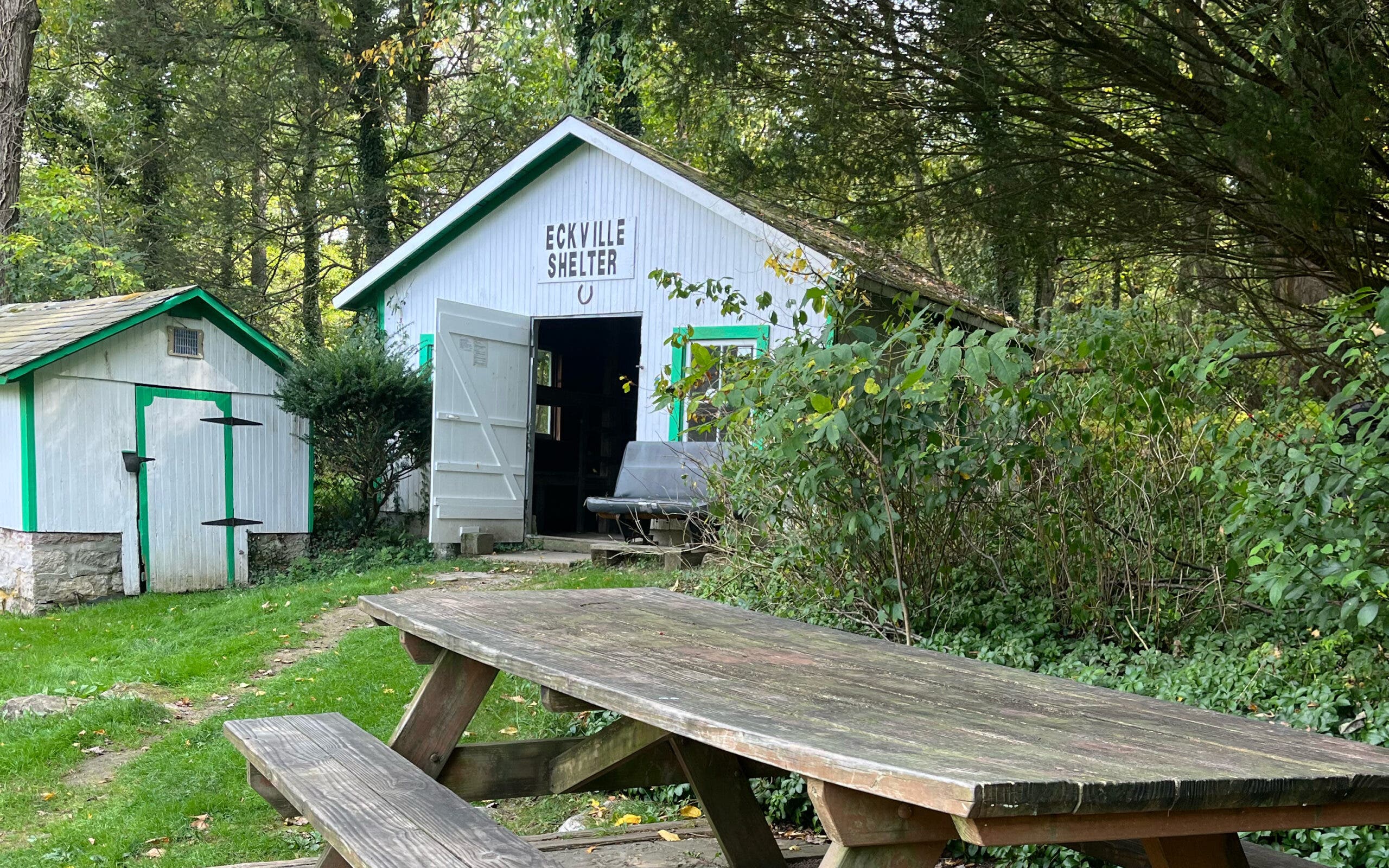
For nearly forty years, Mick Charowsky has called a converted wooden barn in Berks County, Pennsylvania, his home. Serving as the dedicated caretaker of the historic Eckville shelter—an 1880-built bunkhouse situated at mile 1,235 of the legendary Appalachian Trail (AT)—Charowsky represents a living link between modern outdoor recreation and the deep-rooted cultural heritage of the region. However, this long-standing way of life, along with the very structures that shelter thousands of weary travelers each year, now faces an imminent threat.
The National Park Service (NPS), which manages the 2,200-plus-mile Appalachian Trail in coordination with the U.S. Forest Service and numerous state and local agencies, has advanced plans to demolish both the Eckville shelter and a nearby structure known as the 501 shelter. Citing noncompliance with modern agency safety standards, environmental rewilding initiatives, and proximity to roadways, federal authorities argue that these facilities must be removed.
In response, a coalition of local residents, regional climbing clubs, and thru-hikers has launched an aggressive pushback campaign dubbed "Save Our Shelters." As environmental and historic preservation reviews loom over the coming year, the unfolding dispute has evolved into a contentious debate over federal land management philosophy, public access, backcountry preservation, and the definition of trail stewardship.
Anatomy of the Appalachian Trail Shelter System
Stretching from Springer Mountain in Georgia to Mount Katahdin in Maine, the Appalachian Trail is a grueling expanse of rocky footpaths, steep hill climbs, and shifting meteorological extremes. For hikers battling relentless rain, freezing winds, and blistering summer heatwaves, the trail’s network of more than 250 permanent shelters serves as vital infrastructure. Ranging from rustic three-sided wooden lean-tos to fully enclosed cabins spaced roughly a day’s hike apart, these structures offer crucial protection against the elements, a secure place to prepare hot meals, and a safe environment for physical recovery.
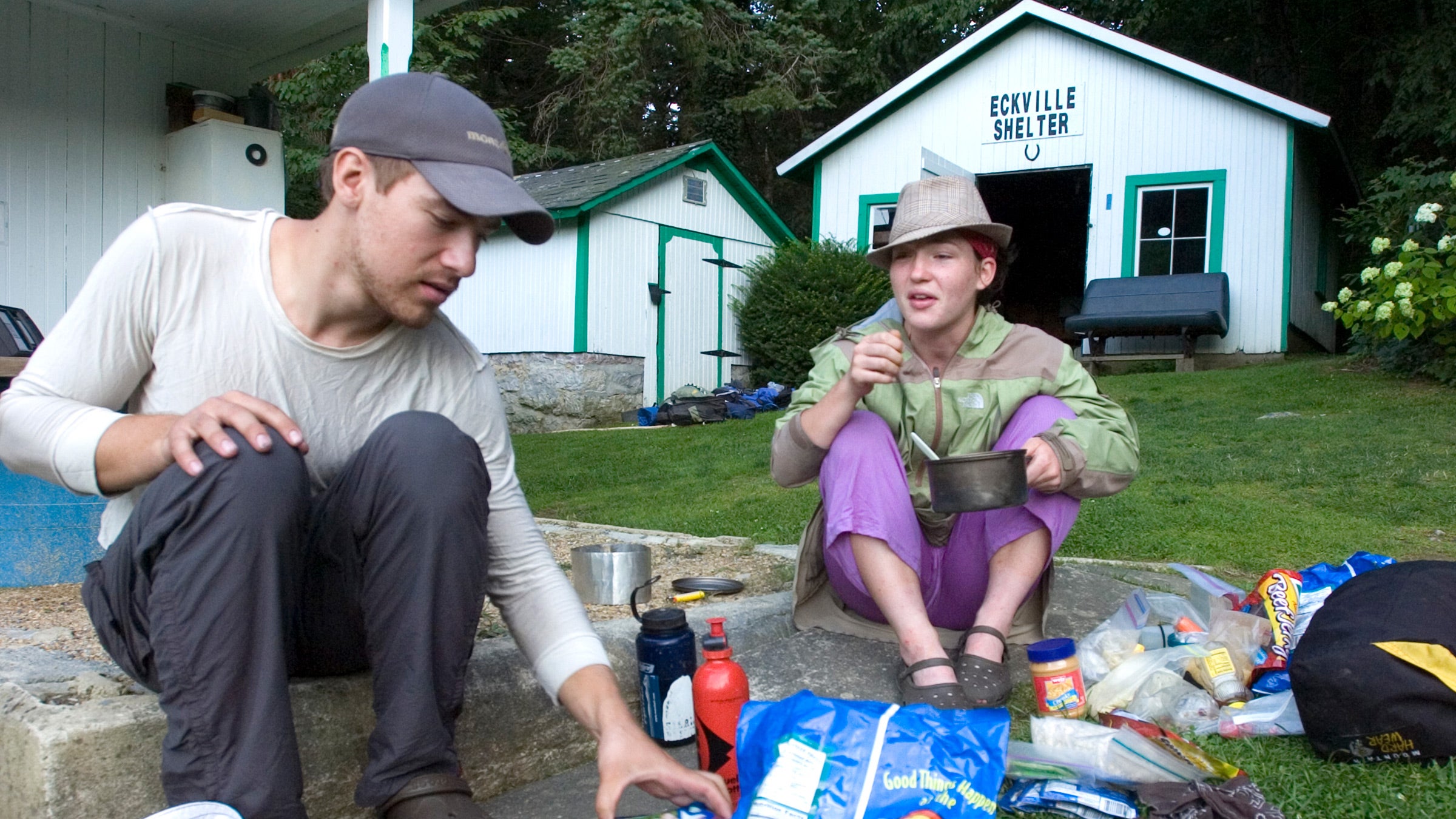
Yet, the management of these structures has long been a subject of internal debate among conservationists and federal regulators. While hikers view shelters as indispensable sanctuaries, federal land managers increasingly evaluate them through the lens of modern wilderness preservation, Leave No Trace principles, and visitor use management frameworks.
The controversy surrounding the Eckville and 501 shelters highlights a fundamental philosophical divide. On one hand, federal agencies and national nonprofit partners prioritize ecological restoration and primitive backcountry experiences. On the other hand, local communities and long-distance hikers view these historic buildings as cultural touchstones that provide essential logistical support, particularly for section hikers and individuals with varying physical capabilities.
Chronology of the Dispute
The conflict over the Berks County shelters did not materialize overnight; it represents the culmination of decades-long policy shifts and recent enforcement actions by federal authorities.
- 1881–1980s: The Eckville shelter is constructed as a historic building, later integrated into the broader Appalachian Trail infrastructure as the trail gains formal recognition and federal protection.
- 1981: The NPS and the U.S. Forest Service draft the Comprehensive Plan for the Appalachian Trail, establishing foundational guidelines that stipulate that trail use should not depend on permanent structures.
- April 2025: The NPS publicly announces its intention to demolish both the Eckville and 501 shelters, citing nonconforming proximities to roads and ongoing maintenance concerns.
- Mid-2025: The 501 shelter is officially closed to the public pending demolition, while the Eckville shelter remains temporarily open under the care of Mick Charowsky. Local advocates circulate an initial petition, gathering approximately 1,500 signatures.
- September 2026: The Blue Mountain Eagle Climbing Club (BMECC) formally launches the "Save Our Shelters" campaign, deploying an updated online petition and reaching out to municipal governments, wildlife sanctuaries, and watershed associations for letters of support.
- October 2026: Federal officials confirm that the demolition project will undergo comprehensive environmental and historic preservation reviews throughout the coming year, delaying immediate physical removal while intensifying public opposition.
Official Rationales for Demolition
The National Park Service defends its removal strategy by pointing to long-established agency guidelines and environmental objectives. According to an NPS spokesperson, the removal of the Eckville and 501 structures is part of a broader, multi-decade initiative to restore segments of the Appalachian National Scenic Trail to a more natural, primitive backcountry setting.
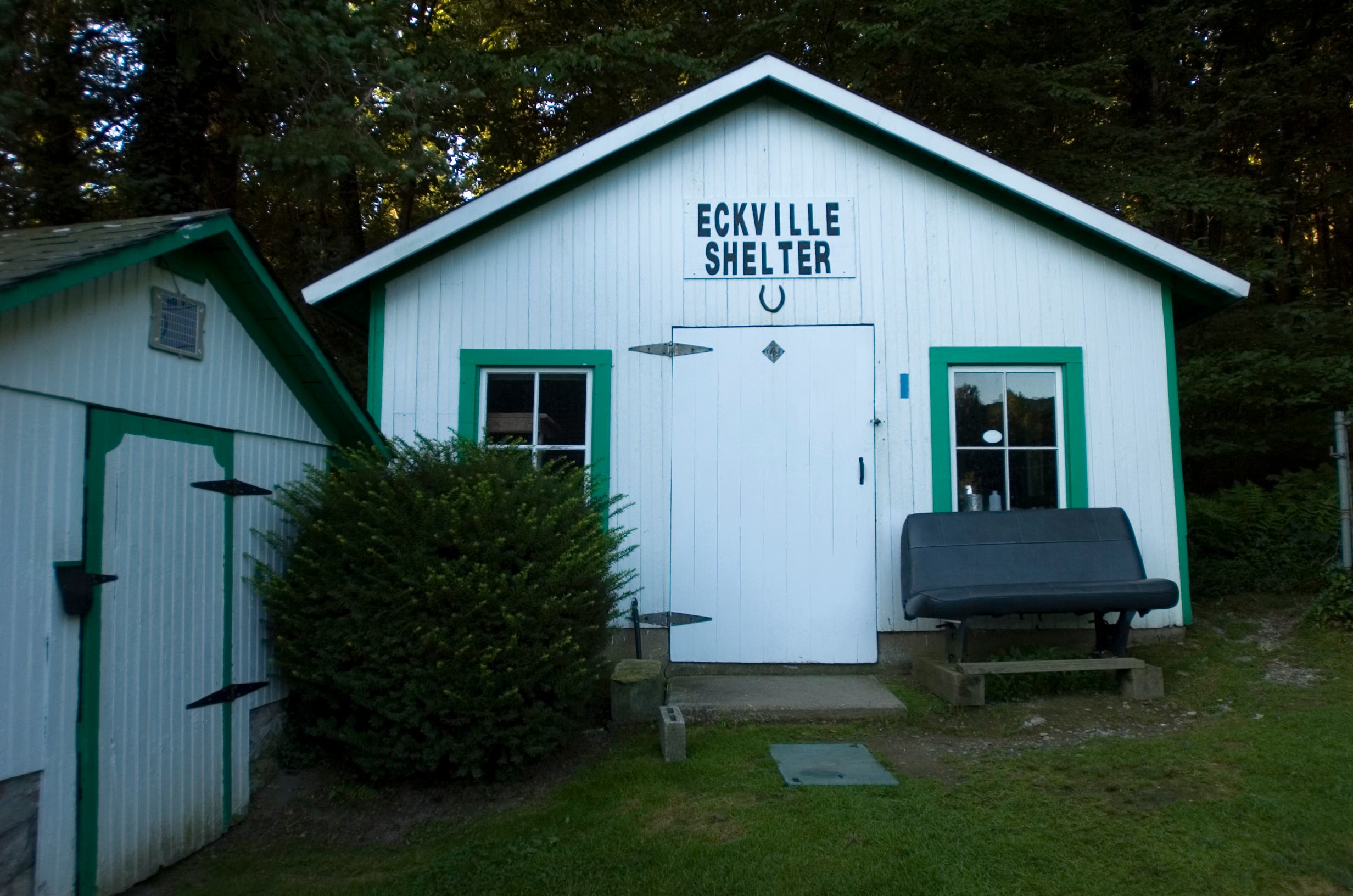
A central argument utilized by federal regulators centers on geographic zoning rules. Agency policy mandates that shelters should ideally be situated at least two miles away from roads or motorized access points. Both the Eckville and 501 shelters fail to meet this criterion, sitting considerably closer to local thoroughfares.
According to land management analysts, shelters located in close proximity to roads frequently encounter management challenges distinct from deep-wilderness backcountry sites. These issues include non-hiking visitors utilizing the infrastructure for unauthorized parties, resulting in elevated levels of litter, property damage, and overcrowded sleeping quarters that strain local volunteer maintenance networks.
The Appalachian Trail Conservancy (ATC), the national nonprofit organization dedicated to overseeing the maintenance and protection of the trail, has voiced support for the federal removal plan. Luke Weir, an ATC spokesperson, emphasized that the decision aligns with the 1981 Comprehensive Plan, which asserts that while shelters are valued amenities, the overarching trail experience should not rely upon them.
Morgan Sommerville, the ATC’s director of visitor use management, added that many historical shelters were established decades ago before modern ecological and archeological standards were developed. Consequently, some structures now sit in sensitive environments that may harbor rare plant species or cultural artifacts, necessitating their removal to protect surrounding natural resources.
The Perspective of Hikers and Local Communities
Despite the ecological and administrative arguments advanced by federal authorities, local residents and outdoor enthusiasts argue that the demolition plan ignores the practical realities of trail utilization and community heritage.
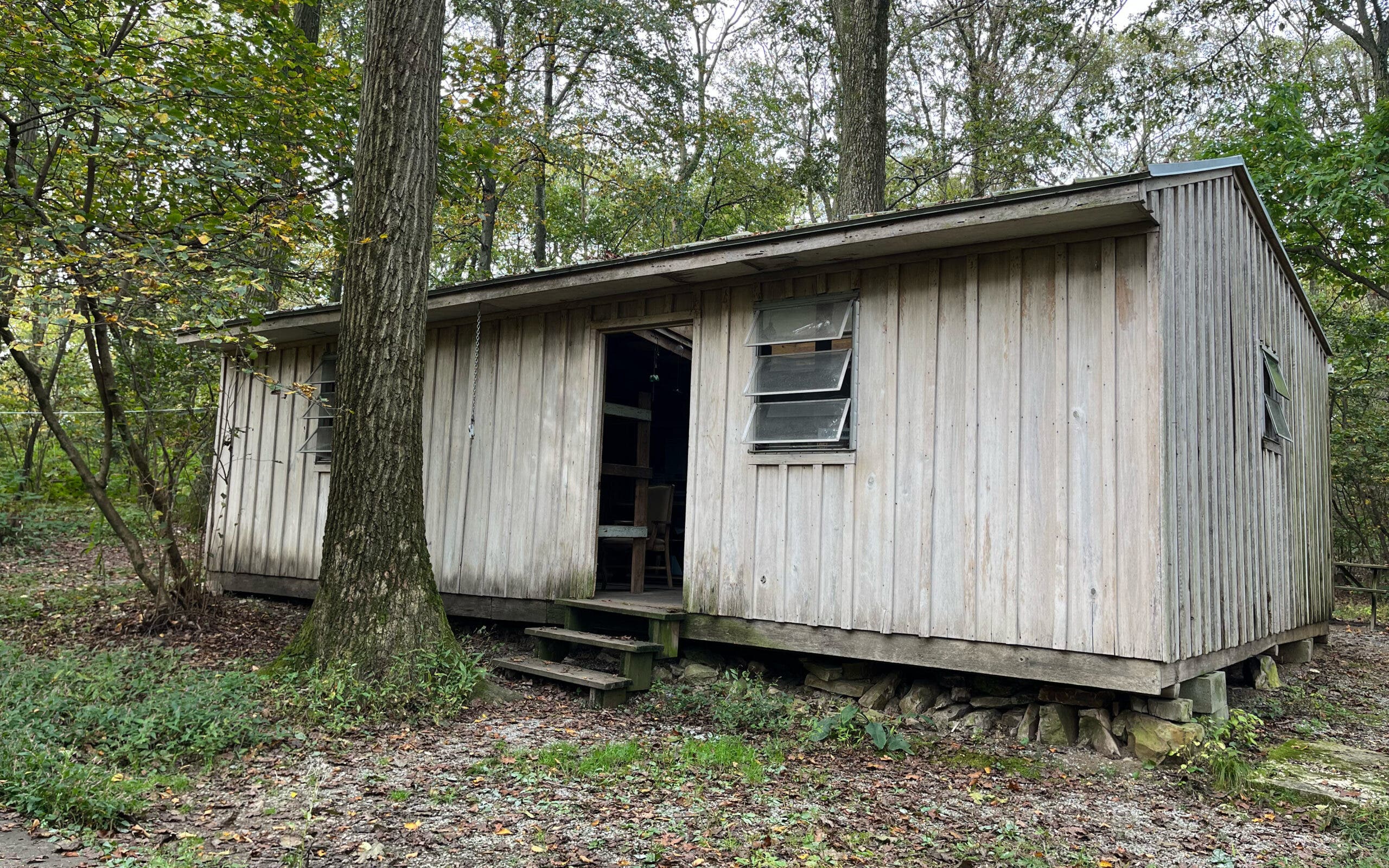
Unlike remote wilderness lean-tos, the Eckville and 501 shelters have historically provided unique amenities valued by modern travelers. Both locations have featured infrastructure such as flush toilets, solar showers, and electricity. Notably, the 501 shelter has even gained legendary status among thru-hikers for its accessibility to local pizza delivery services.
Local advocates argue that stripping away these amenities disproportionately impacts demographic groups with different physical capabilities or resource constraints. Bernadette Leibensperger, owner of the nearby Lookout House hostel, noted that not every individual possess the physical stamina to complete grueling 27-day mileage stretches, nor do all hikers carry sufficient gear, water, or battery storage to safely bridge long gaps between urban resupply points.
Furthermore, community members emphasize the deep social bonds fostered by the shelters. Chuck Eckenroth, a 1999 AT alumnus residing in nearby Kempton, regularly visits the Eckville shelter to provide transportation assistance, snacks, and social connection to passing hikers. Billy Ciccino, a backpacker who recently completed a 130-mile Pennsylvania section hike, described the Eckville location and its long-tenured caretaker as defining elements of regional hiking culture.
Questions of Agency Transparency and Local Autonomy
A recurring theme among opponents of the demolition plan is the perceived disconnect between distant federal regulators and the grassroots volunteers who perform the physical labor required to sustain the trail.
The 65-mile section of the Appalachian Trail encompassing the Eckville and 501 shelters is actively maintained by the Blue Mountain Eagle Climbing Club (BMECC), a regional Pennsylvania nonprofit. Volunteers from the BMECC, alongside resident caretakers like Mick Charowsky—who manages the Eckville property without monetary compensation—contribute thousands of hours annually to upkeep the structures, clear brush, and manage visitor safety.
Dan Nash, a 2017 AT thru-hiker raised near the disputed sites, voiced a sentiment shared by many local stakeholders. He questioned the logic of a federal agency overriding the consensus of local communities and volunteers who actively maintain the property without drawing on federal financial resources. Nash argued that if federal authorities are unwilling to operate the buildings as official shelters, ownership and operational control should be transferred to local entities rather than seeing historic community assets destroyed.
Broader Implications and Next Steps
The confrontation over the Eckville and 501 shelters reflects a national tension point within public land management across the United States. As recreational usage of federal parks, monuments, and scenic trails reaches historic highs, land management agencies face mounting pressure to balance ecological preservation with public access.
For the Appalachian Trail Conservancy and the National Park Service, aggressive infrastructure reduction aligns with a broader paradigm of minimizing anthropogenic footprints in protected corridors. However, critics warn that heavy-handed implementation of rewilding policies risks alienating the grassroots volunteer networks that form the backbone of the trail’s operational success.
The immediate future of the Eckville and 501 shelters now rests upon the outcome of mandatory environmental and historic preservation reviews scheduled over the coming year. In the interim, Darree Sicher and the Save Our Shelters campaign are pressing forward with their petition drive, aiming to secure more than 2,000 signatures from hikers and regional supporters. By consolidating letters of endorsement from municipal governments, wildlife sanctuaries, and watershed associations, the coalition intends to present a unified front to federal decision-makers.
Whether these preservation efforts can alter the trajectory of the National Park Service’s long-term management plan remains uncertain. Yet, the passionate defense of the Berks County shelters underscores a profound truth of the Appalachian Trail: it is shaped not only by geologic forces and federal policies, but by the living human communities that cherish, protect, and inhabit its historic pathways.




 Gabriela Annisa

 Lukman Taruna Persada Ramadan

 Tatiana Tantri Indah Sari


 Dwi Wanna
