
 Anjar Salim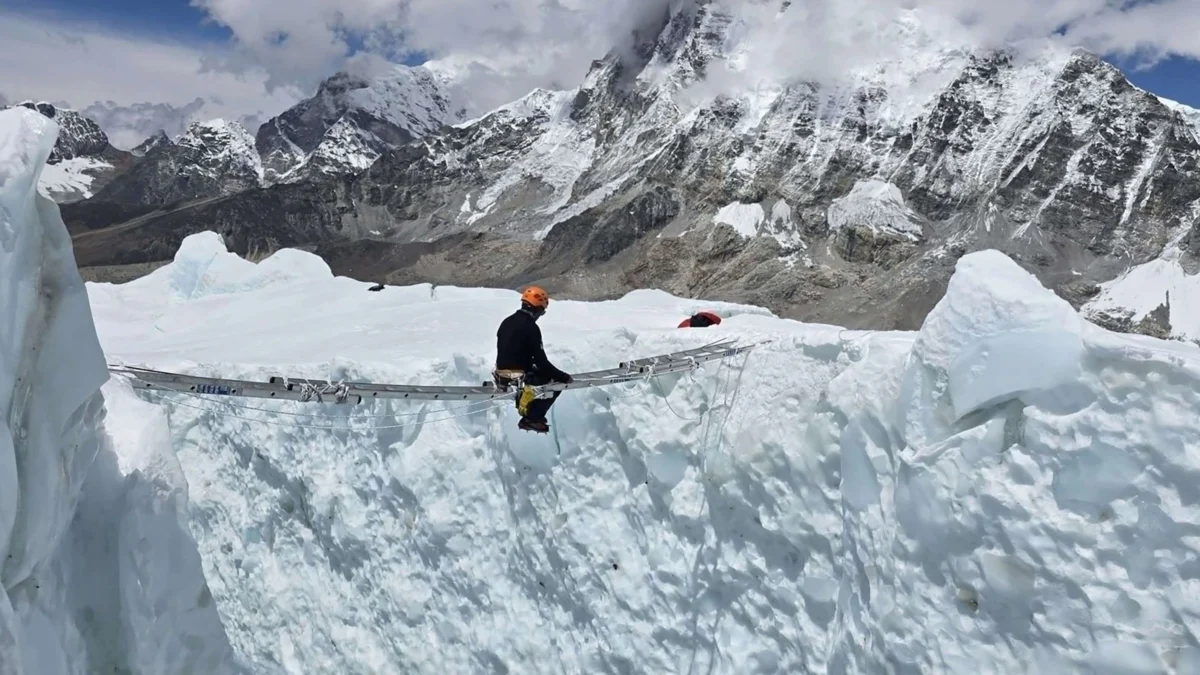
The 2026 spring climbing season on Mount Everest has reached a critical and precarious juncture as a massive, unstable ice tower—known as a serac—has effectively paralyzed movement through the Khumbu Icefall for nearly a month. This geological impasse has left hundreds of climbers, guides, and high-altitude porters stranded at Everest Base Camp, sparking an intense debate over safety, mountaineering ethics, and the cultural sanctity of the world’s highest peak. As the calendar turns toward May, the traditional window for summit attempts, the pressure to open the route has forced officials into a high-stakes gamble with human lives.
The Geography of Risk: Understanding the Khumbu Icefall
To understand the gravity of the current delay, one must first comprehend the nature of the Khumbu Icefall. Situated at approximately 17,500 feet (5,334 meters), the icefall is the first major obstacle for climbers attempting the South Col route from Nepal. It is essentially a frozen waterfall, created as the Khumbu Glacier tumbles over a steep rock face while descending from the Western Cwm.
The glacier moves at a rate of approximately three to four feet per day. This constant motion causes the ice to fracture into a labyrinth of deep crevasses and towering blocks of ice. These blocks, or seracs, can be as large as apartment buildings and are notoriously unstable. Jon Kedrowski, a climatologist and veteran Everest guide, describes the icefall as a "ticking time bomb." Because the glacier is constantly shifting, a route that is safe in the morning may be obliterated by an ice collapse by afternoon. For decades, this section has been regarded as the most dangerous part of the entire ascent, responsible for more fatalities than any other single feature on the mountain.
Chronology of the 2026 Delay
The 2026 season began with standard preparations in late March. However, the timeline of the current crisis began to solidify in early April:
- April 5, 2024: The "Icefall Doctors"—the elite team of Sherpas responsible for fixing the route—began their initial reconnaissance of the Khumbu Icefall.
- April 10, 2026: The team identified a massive serac, estimated at 90 feet tall, looming directly over the traditional path into the Western Cwm. The structure showed signs of instability, including visible fractures.
- April 12, 2026: Fearing an imminent collapse, the Sagarmatha Pollution Control Committee (SPCC) ordered a temporary halt to all route-fixing activities.
- April 15–25, 2026: A ten-day period of observation followed. During this time, drones were deployed to monitor the serac for movement. Despite the warm spring sun, which often triggers collapses, the tower remained upright, suspended in a precarious equilibrium.
- April 26, 2026: With the May summit window approaching and logistical backlogs mounting at Base Camp, the SPCC convened emergency meetings with expedition leaders.
- April 27, 2026: An official announcement was made that the route would be fixed directly beneath the serac, as no viable alternative could be found.
The Role of the Icefall Doctors
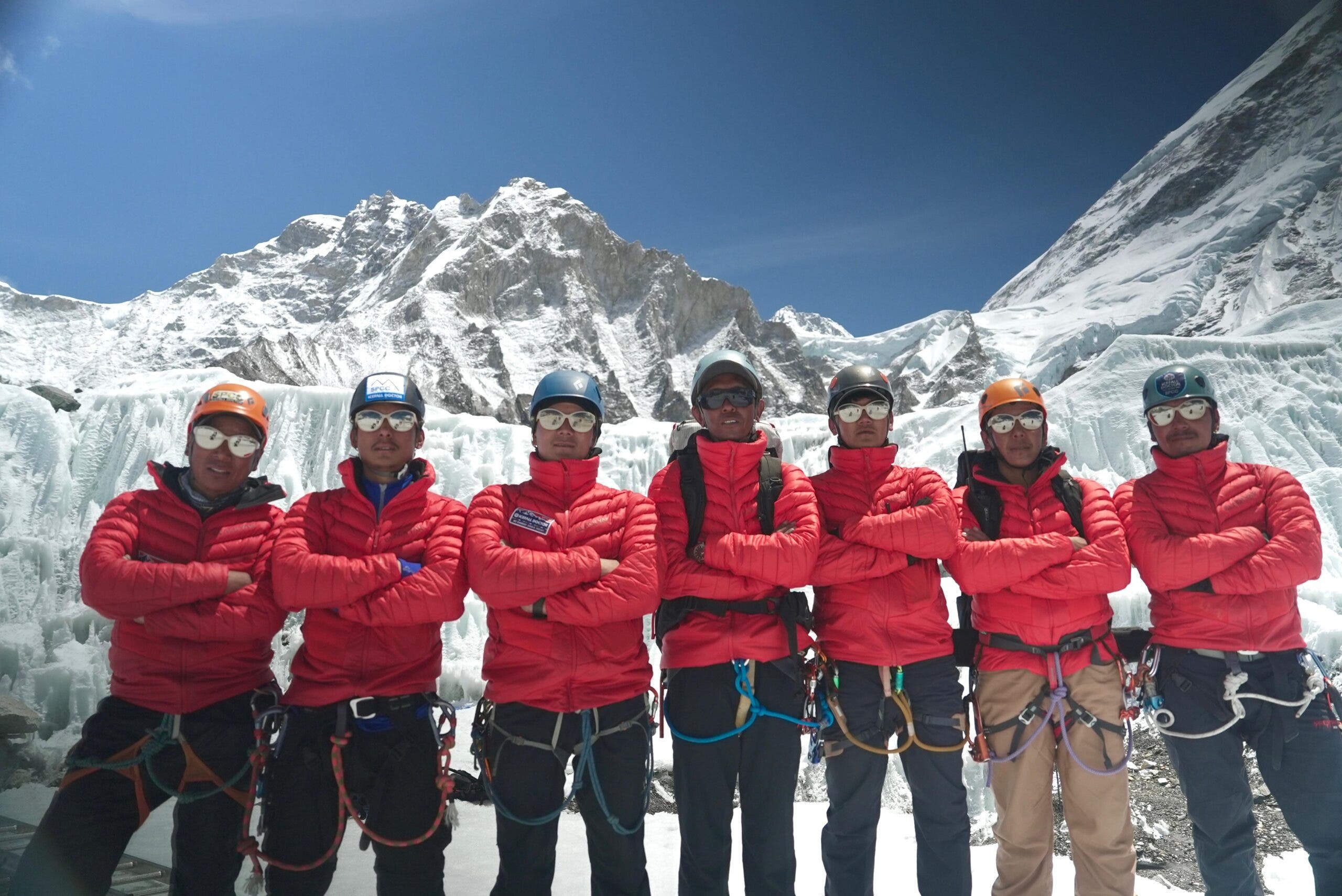
The responsibility for navigating this frozen minefield falls upon a specialized group of Nepali workers known as the Icefall Doctors. Employed by the SPCC, a non-governmental organization tasked with managing the environmental and logistical aspects of Everest, these eight to ten men are the first on the mountain each season.
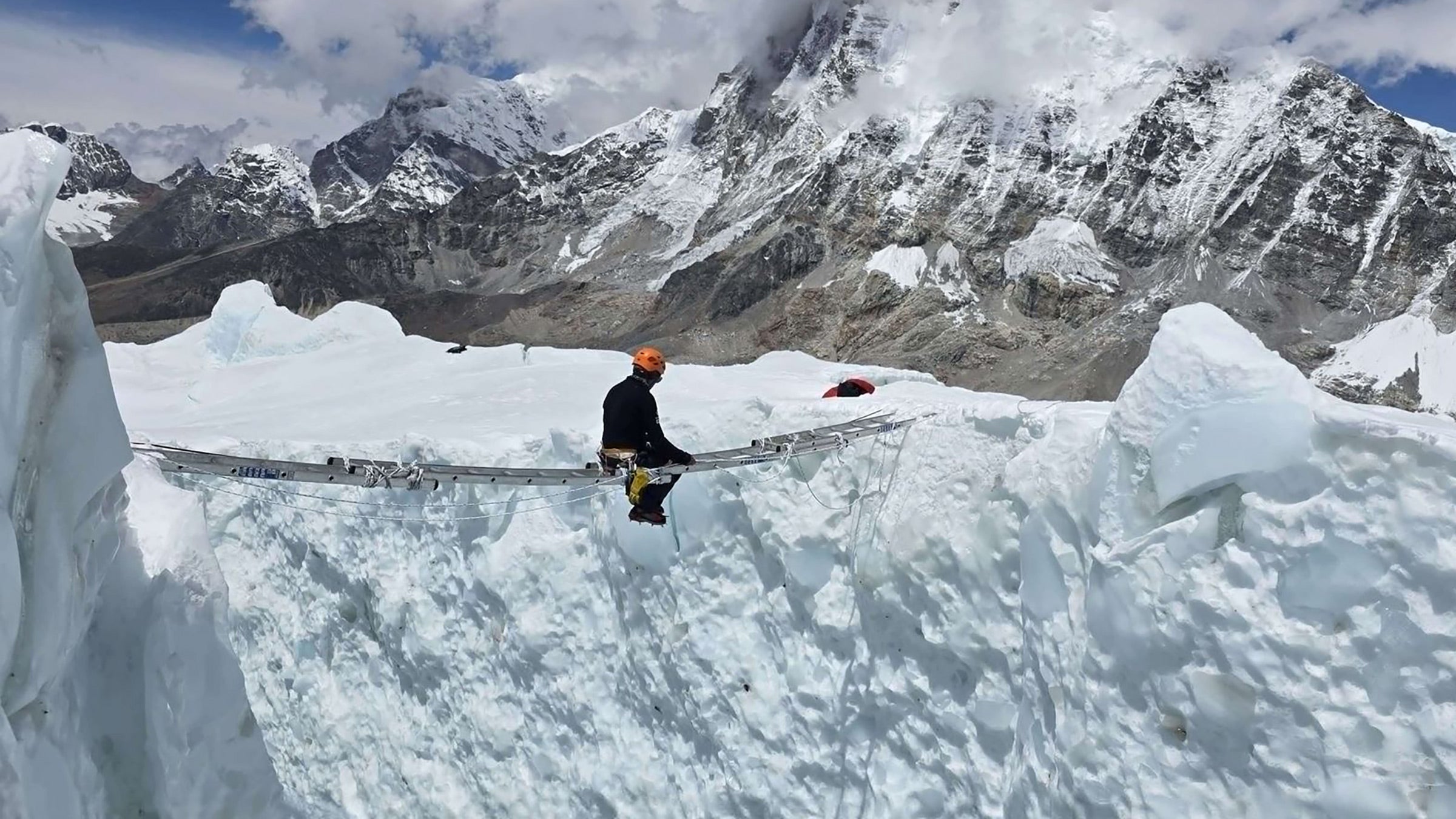
Their work is grueling and highly technical. They must carry hundreds of pounds of aluminum ladders, thousands of meters of static rope, and heavy anchors into the most volatile terrain on earth. When a crevasse opens, they must bridge it with ladders lashed together. When a serac falls and destroys a section of the path, they must find a new way through. The delay in 2026 has put an unprecedented strain on this team, as they have had to scout multiple "dead-end" routes in an attempt to bypass the 90-foot serac, only to find themselves blocked by impassable crevasses or even more dangerous hanging ice.
Cultural Sensitivity vs. Modern Mitigation
In many other mountainous regions, such as the Alps or the Canadian Rockies, an unstable ice feature like the 2026 serac might be mitigated using explosives. Remote-controlled charges or helicopter-dropped "daisy cutters" are often used to trigger controlled avalanches or collapses.
However, on Everest—known to the local Sherpa community as Chomolungma, or "Mother Goddess of the World"—the use of explosives is a cultural and religious taboo. The Sherpa people believe the mountain is inhabited by deities who must be appeased through rituals like the Puja ceremony. Violating the mountain with explosives is seen by many as a desecration that would invite further catastrophe.
"The consensus among the local workers and the SPCC was firmly against the use of explosives," reported Ben Ayers, an Everest expert stationed at Base Camp. "It isn’t just about the physical risk of causing a larger, uncontrolled collapse; it’s about the spiritual risk. To many here, the mountain’s anger is a tangible force, and detonating bombs on her slopes is unthinkable."
The Failed Quest for an Alternative
The current crisis has renewed interest in historical attempts to bypass the Khumbu Icefall entirely. Most notably, in 2021 and 2022, French alpinist Marc Batard attempted to chart a route via the lower reaches of Nuptse. This "bypass" involved a technical climb up the Nuptse ridge followed by a long, complex rappel into the Western Cwm.
While Batard successfully proved the route was possible, it has not been adopted by commercial guiding companies. The Nuptse route is exposed to significant rockfall and requires a level of technical climbing skill that many commercial clients do not possess. Furthermore, the logistics of moving hundreds of loads of gear and oxygen bottles over such a technical ridge are currently insurmountable for large-scale expeditions. Consequently, the Khumbu Icefall remains the "only game in town" for those climbing from the south side.
The Helicopter Debate and Ethics of the Ascent
As the delay stretched into its third week, some expedition leaders suggested ferrying climbers and equipment over the icefall via helicopter to Camp I (19,685 feet). This proposal, however, met with stiff resistance from the mountaineering community and official record-keepers.
The Himalayan Database, the definitive archive of Himalayan ascents, maintains strict criteria for what constitutes a successful climb. Using a helicopter to bypass any section of the mountain—unless for a life-saving rescue—invalidates the ascent. For many climbers who have invested upwards of $60,000 to $100,000 for their permit and expedition, the prospect of an "asterisked" climb is unacceptable.
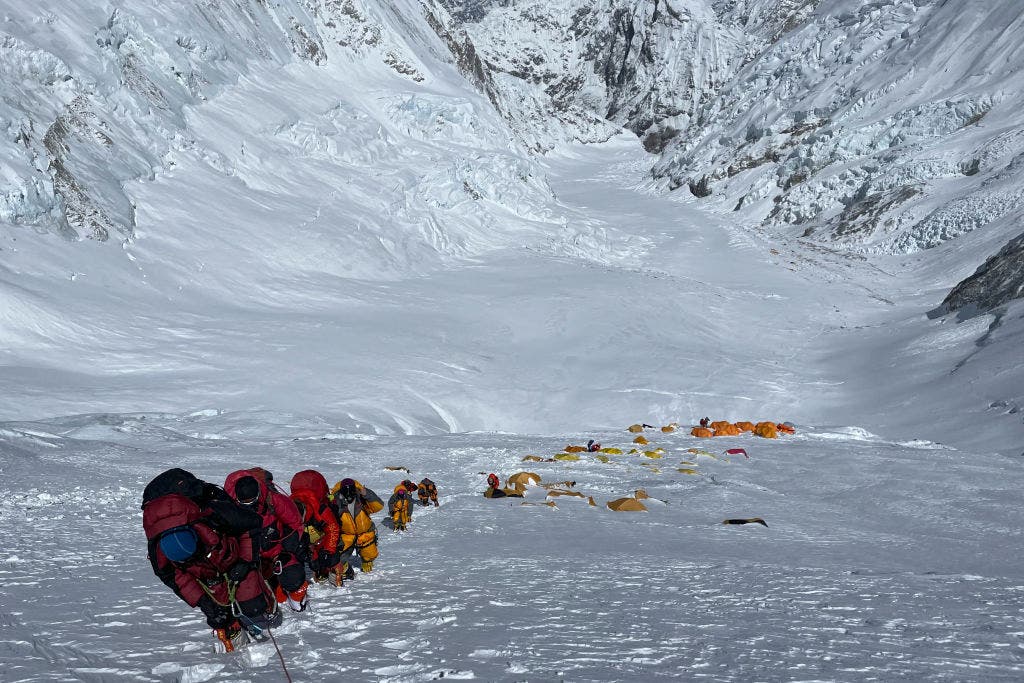
Beyond the ethical considerations, the logistical reality is daunting. High-altitude helicopter flights are extremely dangerous due to thin air and unpredictable winds. Moving 400 climbers and twice as many staff members, along with tons of gear, would require hundreds of flights, creating a massive carbon footprint and an incessant noise corridor in a protected national park.
Official Response and Safety Protocols
In a press release issued on April 27, the SPCC defended its decision to open the route under the dangerous serac. "Given the circumstances and the limited time remaining before the climbing season, the team had no alternative but to open the route passing below the serac," the statement read.
To mitigate the risk, the SPCC and the Himalayan Guides Association have implemented several new "speed protocols" for the 2026 season:
- No Stopping Zones: Climbers are strictly forbidden from resting, taking photos, or adjusting gear within the "kill zone" directly beneath the serac.
- Staggered Departures: To prevent logjams, Base Camp managers must coordinate departure times to ensure no more than 10 people are in the danger zone at any given time.
- Night-Only Transit: Movement through the icefall is encouraged during the coldest hours of the night (between 1:00 AM and 6:00 AM) when the ice is most stable.
- Load Limits: Porters are being encouraged to carry lighter loads at higher speeds to minimize their exposure time.
Broader Implications and Historical Context
The decision to proceed despite the threat of the serac carries heavy historical weight. The Khumbu Icefall has been the site of Everest’s darkest days. In 2014, a massive serac collapse from the West Shoulder of Everest triggered an avalanche that swept through the icefall, killing 16 Nepali mountain workers. It remains the deadliest single day for local staff in the mountain’s history and led to a total shutdown of the season. In 2023, another collapse claimed the lives of three Sherpas.
The 2026 delay highlights the increasing volatility of the Khumbu Glacier, which scientists suggest is being exacerbated by climate change. As the glacier thins and warms, the frequency of serac collapses and crevasse formation is expected to increase, potentially making the traditional South Col route untenable in the coming decades.
Furthermore, the delay has created a massive bottleneck. With the route only opening in late April, the window for "acclimatization rotations"—where climbers move up to Camp I and II and then return to Base Camp to prepare their bodies—has been severely compressed. This pressure could lead to a "summit rush" in mid-May, where hundreds of people attempt to reach the top simultaneously, creating dangerous crowds at the Hillary Step and other technical bottlenecks.
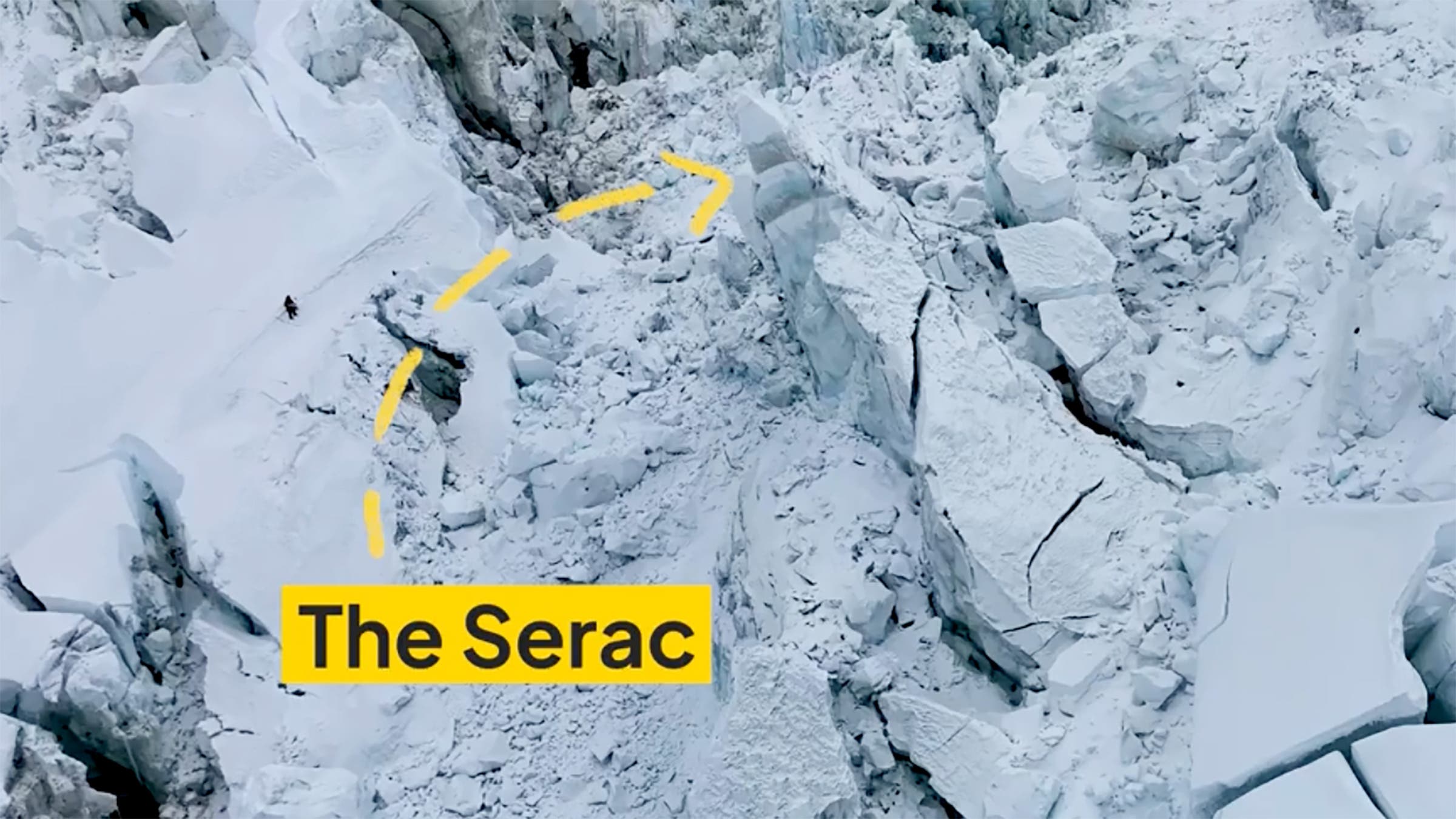
As of April 28, the first teams have begun their tentative push through the icefall. The mood at Base Camp remains a mixture of relief and profound anxiety. While the path to the summit is finally open, the 90-foot "villain" still looms above, a silent sentinel of ice that holds the fate of the 2026 season in its frozen grip.




 Chandra Hamzah
 Tatiana Tantri Indah Sari
 Budi Mulyono
 Lukman Taruna Persada Ramadan