
 Anjar Salim

Running apparel technology has undergone a quiet yet profound revolution over the past several years, driven by consumer demand for technical performance that does not sacrifice aesthetic versatility or comfort. On October 1, 2026, a comprehensive multi-month gear analysis conducted by veteran tester Lisa Jhung and her specialized test team was published, evaluating 80 distinct pairs of women’s running shorts. The rigorous evaluation period spanned diverse and punishing environmental conditions, ranging from 95-degree summer heatwaves in Boulder, Colorado, to grueling elevation gains reaching 11,000 feet in the Grand Canyon.

The findings offer a definitive roadmap for runners navigating an increasingly crowded marketplace filled with proprietary fabrics, complex pocket configurations, and specialized cuts. As outdoor athletic participation continues to grow—particularly among women tackling ultra-distances, technical trail runs, and urban marathons—the apparel industry has responded with materials that manage moisture with unprecedented efficiency while minimizing the friction that routinely compromises long-distance performances.
Rigorous Testing Protocols and Environmental Stress-Tests
The methodology behind the 2026 apparel review prioritized objective durability, thermal regulation, and ergonomic fit. Over a two-year testing cycle, the panel of experienced runners—many with decades of endurance sports backgrounds—subjected each garment to high-friction, high-sweat scenarios. Testers maintained zero tolerance for sub-par construction, irritating internal seams, restrictive waistbands, or fabrics that failed to breathe adequately under heavy cardiovascular stress.
Testing environments were deliberately selected to push textiles to their breaking points. The juxtaposition of dry, searing heat in the American Southwest against the thin air and fluctuating microclimates of high-altitude alpine routes ensured that sweat-wicking claims could be empirically verified. Furthermore, testers evaluated how garments accommodated endurance nutrition, cell phones, and car keys, noting whether storage solutions introduced uncomfortable bounce or structural sagging over multi-hour efforts.
Category Leaders: Performance Breakdown and Technical Specifications
The exhaustive review categorized the top-performing shorts into distinct use cases, ensuring that consumers could identify options tailored to their specific running disciplines, whether competing in road races, traversing technical mountain singletracks, or seeking exceptional budgetary value.
Most Versatile Performance: Tracksmith Session Shorts
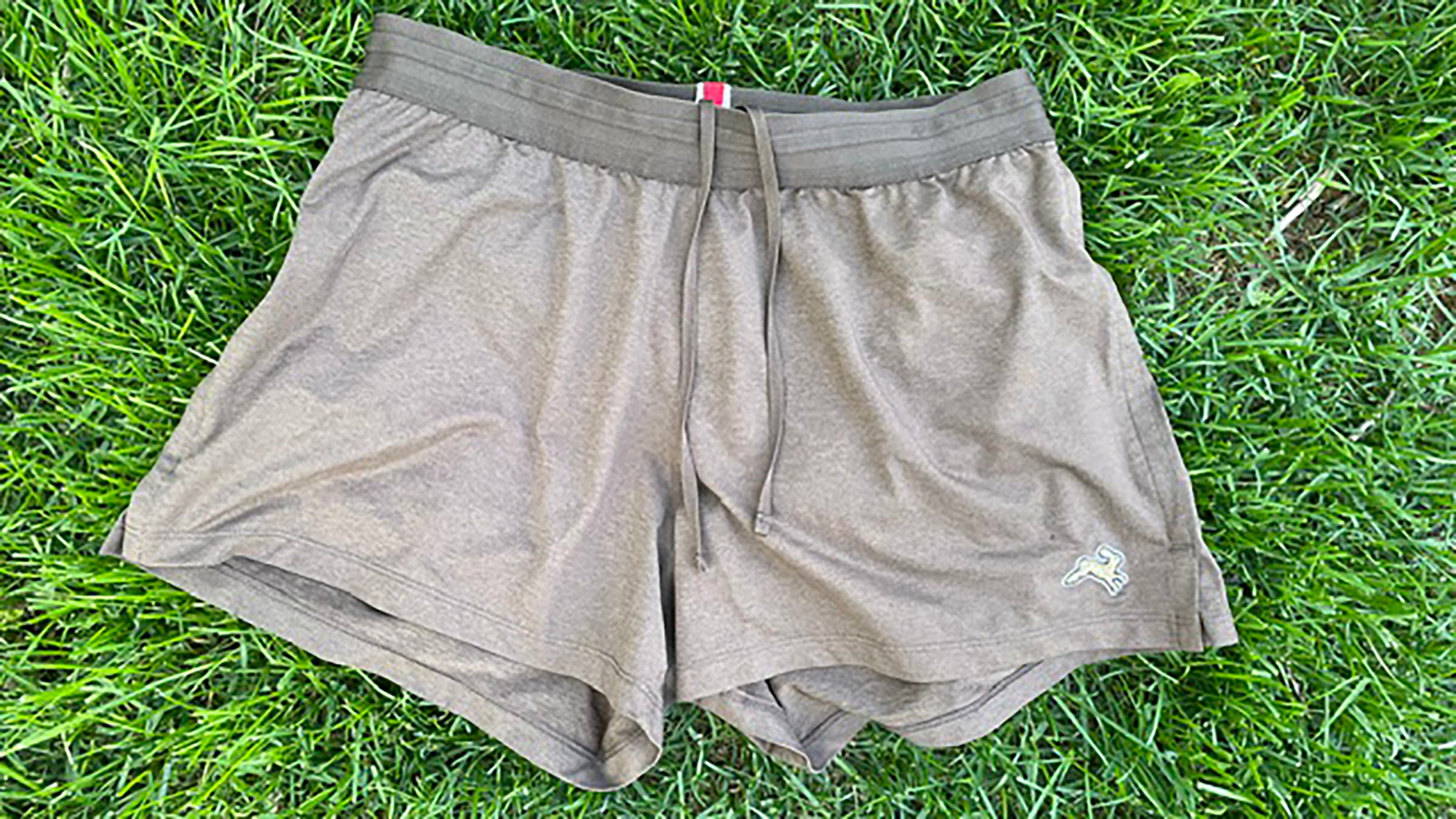
Earning the top spot for overall performance and versatility, the Tracksmith Session Shorts ($54–$72) blend a casual, understated aesthetic with high-level technical execution. Featuring a concise three-inch inseam, the shorts utilize a lightweight polyester and spandex shell knit that initially elicited skepticism from testers who suspected the soft fabric would trap heat and moisture. Instead, the material proved exceptionally efficient, drying rapidly and maintaining a fluid drape. The interior features an Italian-sourced nylon-elastane liner designed for next-to-skin luxury. While the garment boasts three interior liner pockets and a zippered exterior pocket suitable for smaller items like AirPods, reviewers noted that the thin waistband occasionally creates fit challenges for certain body types around the midsection.
Best Value Proposition: New Balance RC Essential Short 5”
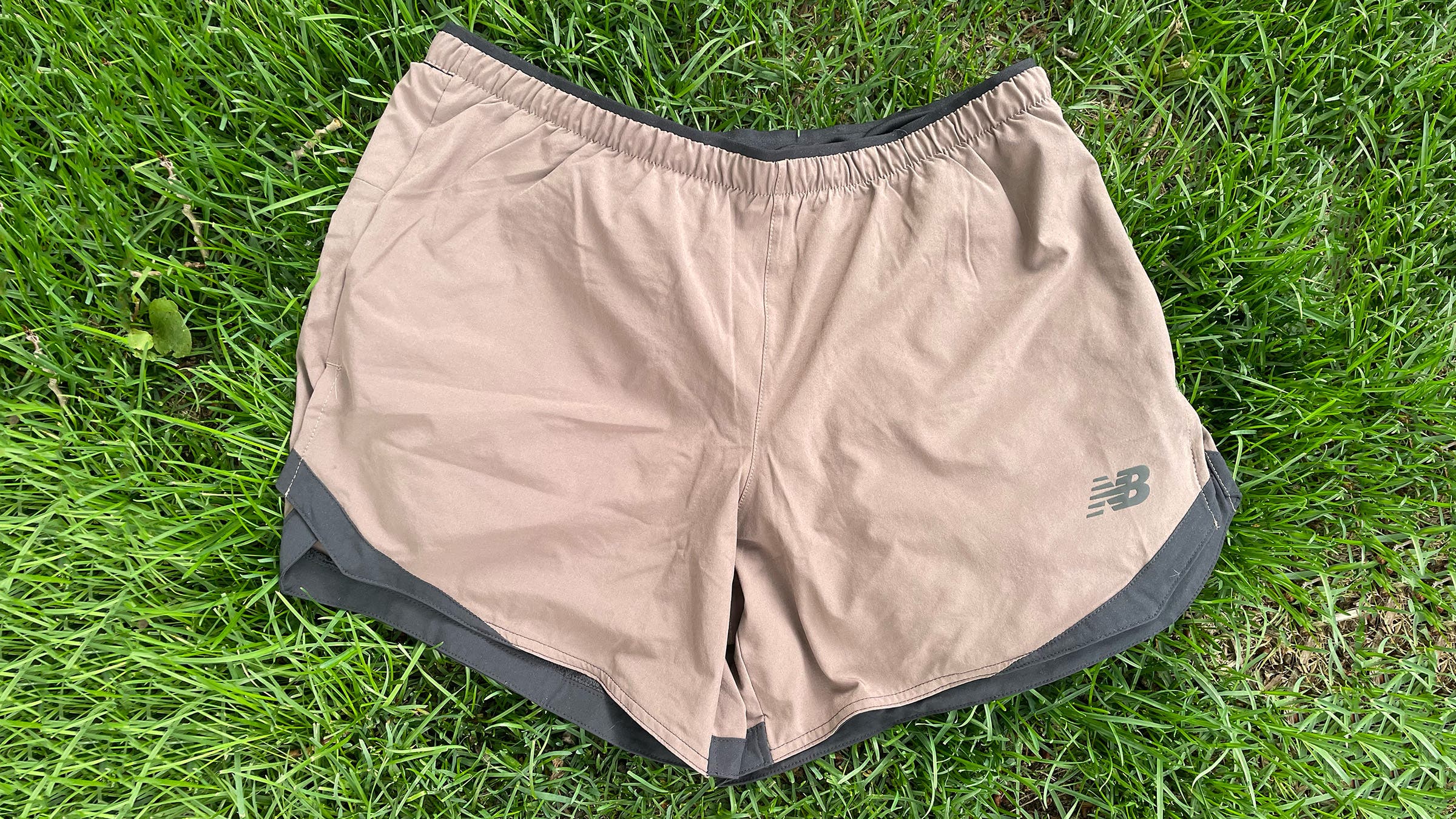
Priced competitively at approximately $50, the New Balance RC Essential Short 5” emerged as the premier value buy of the 2026 test cycle. Five-inch running shorts frequently attract criticism for trapping heat and restricting movement, but this model countered those concerns through a generous cut, substantial side notches, and a perforated four-way stretch woven shell. Capillary-action moisture management technologies effectively drew sweat away from the body, preventing chafing during extended runs. Unusually for this price point, the shorts include four waistband drop-in pockets alongside a secure zippered back pocket, providing storage capabilities typically reserved for premium alternatives.
Most Comfortable Shorts and Short Tights
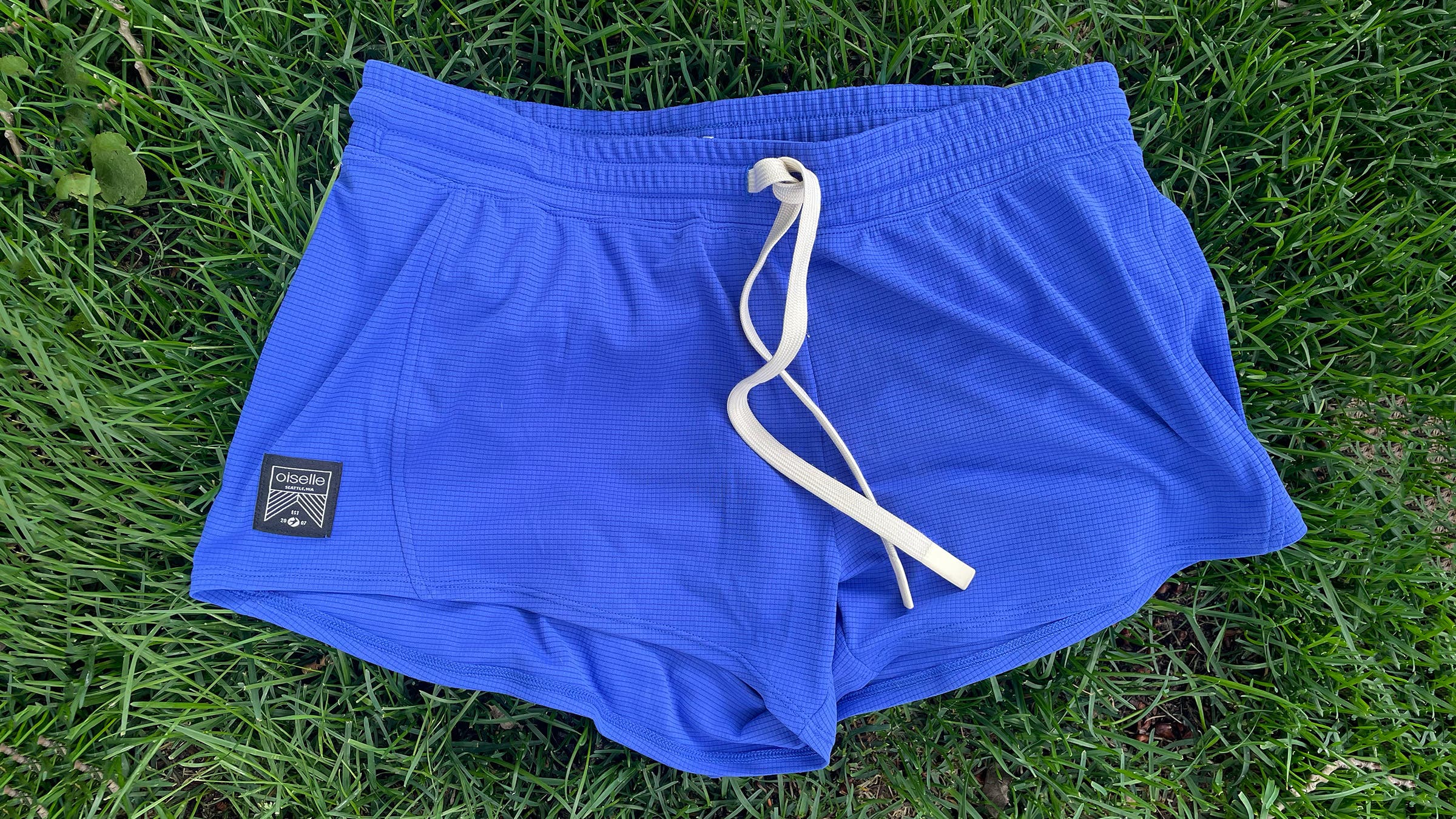
Comfort metrics were divided between traditional shell designs and compression options. For traditional loose-fitting preferences, the Oiselle Flyout Chill stood out through the application of a mineral cooling fabric treatment, a lightweight polyester build, and a mesh interior liner. The design prioritizes unrestrictive movement, making it ideal for post-run floor core exercises, though reviewers cautioned that the abbreviated cut requires mindfulness during public stretches.
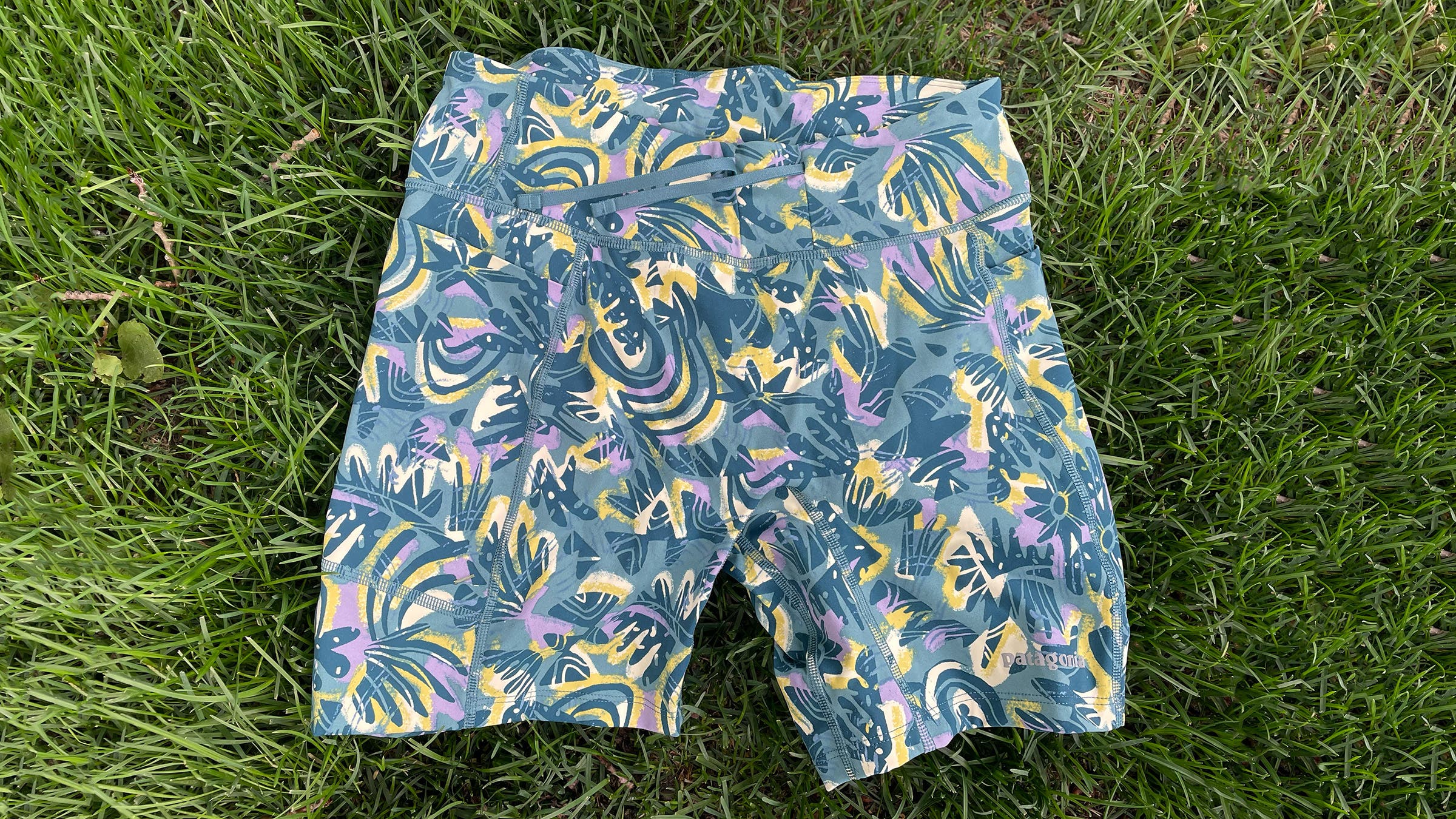
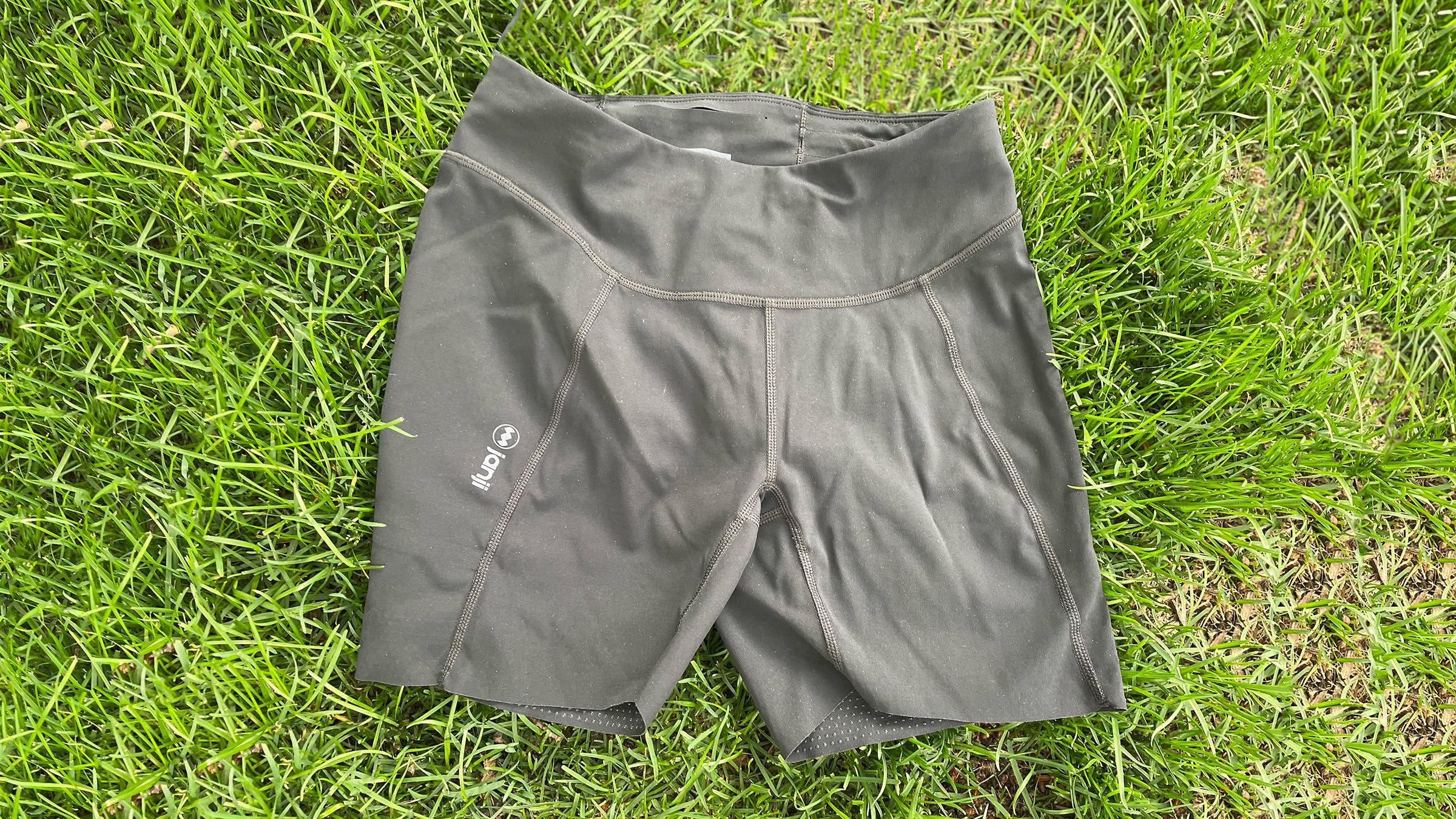
Conversely, for runners preferring compression, the Patagonia Endless Run Shorts 6” dominated the short-tight category. Designed with a wide, flat waistband and a seamless center construction, these 6-inch tights protected runners from sun exposure and brush on overgrown singletracks while providing reliable muscle support and three bounce-resistant pockets.
Storage Innovations and Specialized Trail Gear
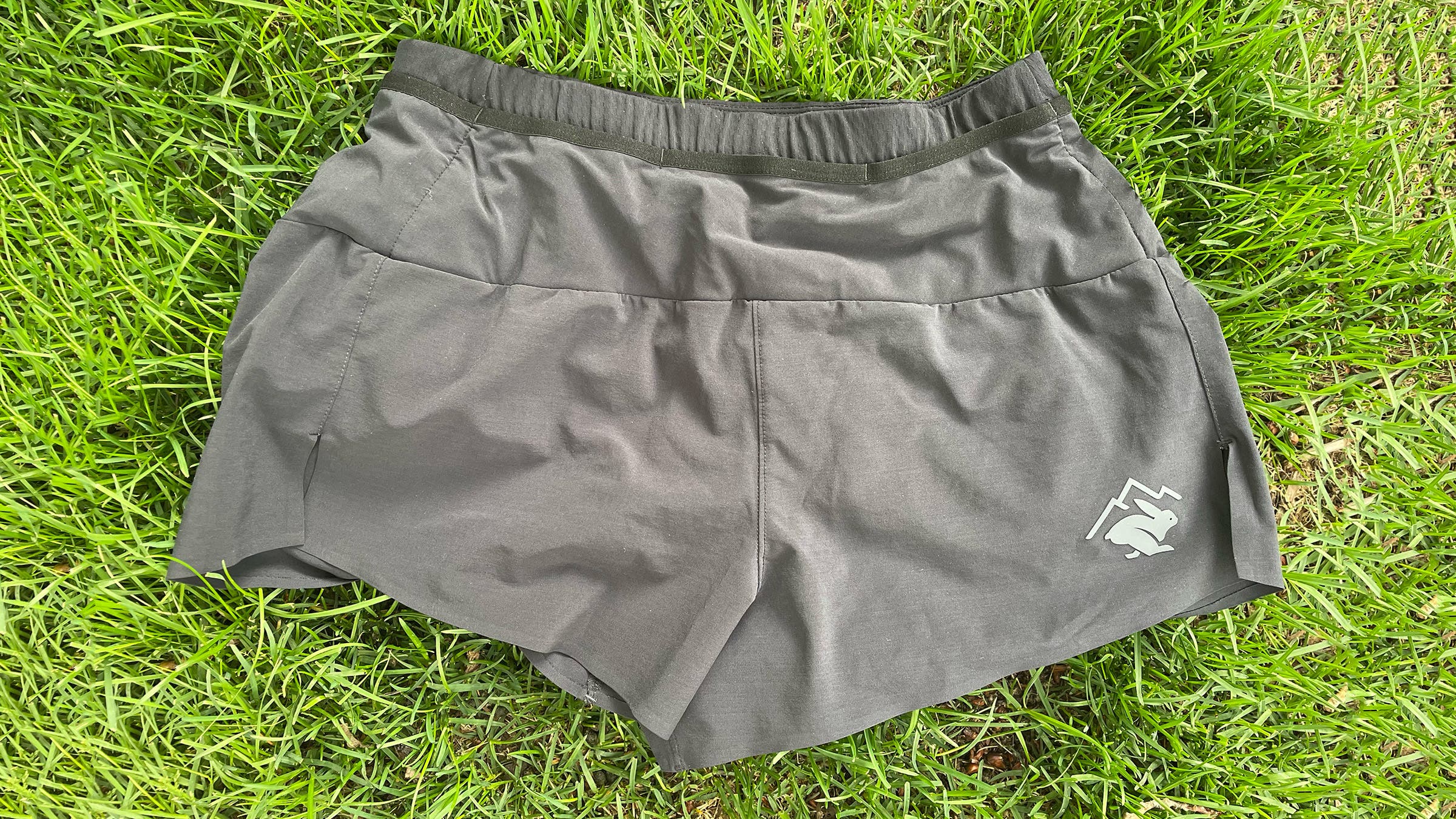
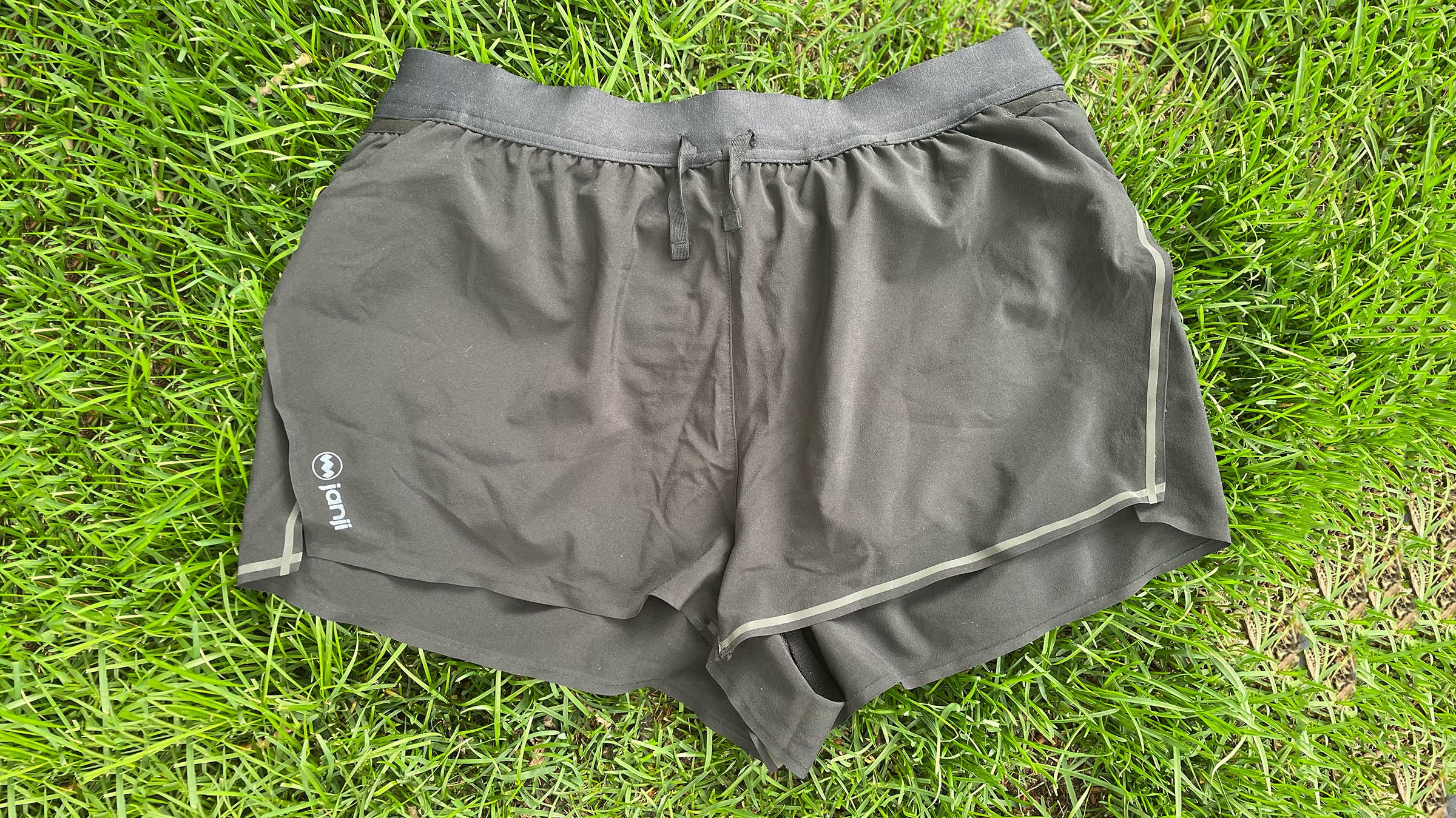
Pocket utility remains a primary battleground for running apparel manufacturers. The Rabbit 3” Stashems addressed this need by integrating a 360-degree mesh waistband pocket system that functions effectively as an integrated waist belt, securing nutrition and communication devices with minimal bounce. Similarly, the Janji 5” Pace Short converted traditional loose-short loyalists to compression tights through a balanced nylon-spandex blend, strategic silicone grip hems, and a comprehensive pocket array including a back pass-through layer for extra garments.
For technical mountain running, The North Face Summit Series Pacesetter 3-inch Shorts proved indispensable. Outfitted with a durable water-repellent (DWR) recycled polyester shell, a wicking mesh liner, and power-mesh waistband storage, these shorts excelled on wet, rocky descents and extreme alpine routes. Meanwhile, the Janji 2” AFO Split Short Ultra claimed top honors for extreme hot-weather management, utilizing odor-control treatments derived from coffee grounds and peppermint oil within an airy, high-mobility split design.
Industry Implications and Market Analysis
The conclusions drawn from the 2026 gear test reflect broader economic and design shifts within the activewear sector. As consumers demand multi-functional apparel that transitions seamlessly from athletic endeavors to casual social settings, brands are increasingly investing in proprietary fabric blends that balance technical performance with lifestyle aesthetics.
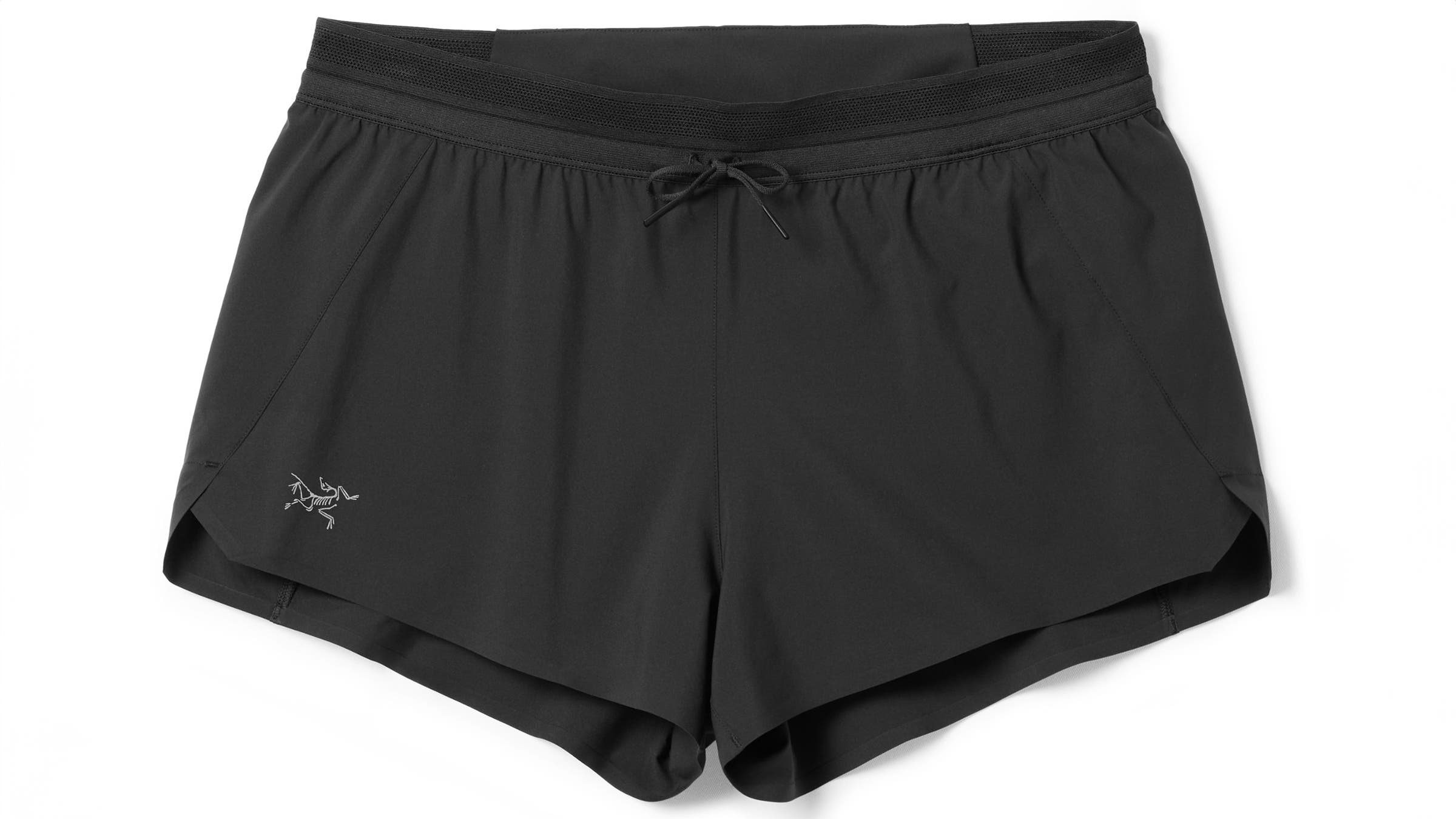
Furthermore, the integration of extensive storage options—such as waistband power-mesh tunnels and multi-pocket liners—indicates that runners are increasingly moving away from traditional hydration belts and armbands in favor of apparel-integrated storage solutions. This shift places a higher technical burden on garment engineers, who must stabilize heavier items like smartphones and hydration flasks against the human body during high-impact locomotion without causing friction, chafing, or garment displacement.
Looking Ahead: Consumer Guidance for Apparel Selection
When selecting running shorts, industry experts recommend prioritizing moisture-wicking and quick-drying fabrics, such as advanced polyester weaves or natural wool blends, which regulate body temperature more effectively than standard cotton-synthetic blends. Fit verification should always extend beyond static sizing charts; dynamic movements such as high knees, lunges, and simulated stride mechanics are essential to ensure the absence of chafing points. Additionally, runners must evaluate their specific hydration and nutrition carrying requirements before committing to a pocket configuration, ensuring that loaded pockets do not compromise the garment’s structural integrity or ride quality over long distances.



 Diana Nuri Rohmawati

 Gabriela Annisa

 Lukman Taruna Persada Ramadan

 Tatiana Tantri Indah Sari

