Anjar Salim
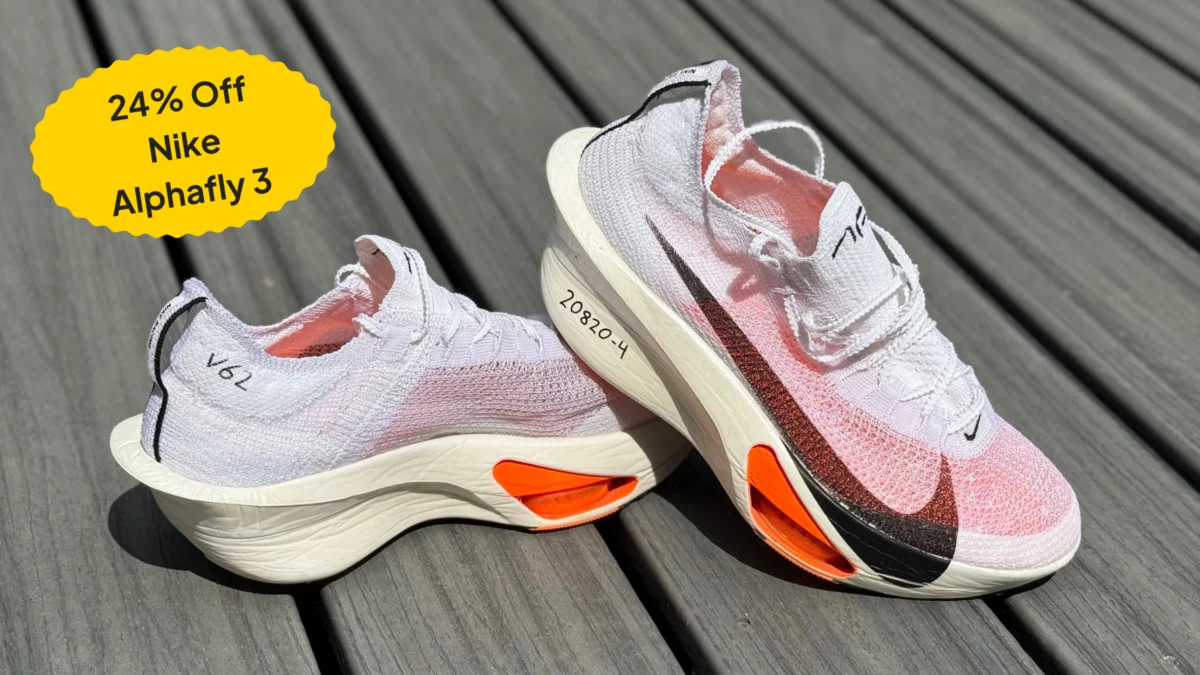
Athletic footwear titan Nike and various authorized sporting goods distributors have initiated a rare 24% price reduction on the Nike Alphafly 3, widely recognized across the running community as a premier carbon-plated marathon racing shoe. This markdown arrives directly ahead of the scheduled commercial launch of its successor, the Nike Alphafly 4, which is slated to debut on October 29. For competitive long-distance runners and elite marathoners who rely on specialized footwear to optimize running economy, the inventory clearance presents a significant purchasing window to acquire a proven race-day asset at a discounted rate before remaining stock is permanently phased out.
Evolution and Background of the Alphafly Franchise
The lineage of the Nike Alphafly series is deeply intertwined with milestone achievements in modern distance running. The franchise first gained international prominence in October 2019 during the Ineos 1:59 Challenge in Vienna, Austria, where elite marathoner Eliud Kipchoge completed the 26.2-mile distance in 1 hour, 59 minutes, and 40 seconds wearing an early prototype of the technology. While that specific exhibition event did not constitute an official world record under standard race conditions, it fundamentally shifted the commercial landscape of competitive running footwear by validating the efficacy of thick foam midsoles paired with rigid carbon-fiber plates.
Subsequent iterations transitioned from experimental prototypes to commercially available racing shoes, sparking a technological arms race within the industry. Competing athletic brands quickly developed their own variations of carbon-plated racers, transforming elite marathons into showcases for advanced footwear engineering. The Alphafly 3 specifically arrived as a refined iteration of this technology, engineered to address minor criticisms of earlier versions—such as lateral stability and excessive bulk—by shedding weight, widening the forefoot base, and redesigning the carbon-fiber Flyplate to facilitate a quicker transition through the gait cycle.
Technological Specifications and Performance Metrics
The architectural design of the Nike Alphafly 3 relies on a combination of proprietary materials intended to maximize energy return and reduce metabolic cost over long distances. The midsole utilizes Nike’s ZoomX foam, constructed from PEBA (polyether block amide) polymer, which is known for its high energy-return capacity and lightweight properties. Embedded within this foam platform are dual forefoot Zoom Air units, which compress upon impact and spring back to propel the runner forward with each stride.
Biomechanically, the shoe is engineered to improve running economy—a metric defining the oxygen cost of running at a given velocity. Independent reviews and laboratory testing of carbon-plated footwear consistently indicate that such systems can improve running efficiency by several percentage points compared to traditional racing flats.
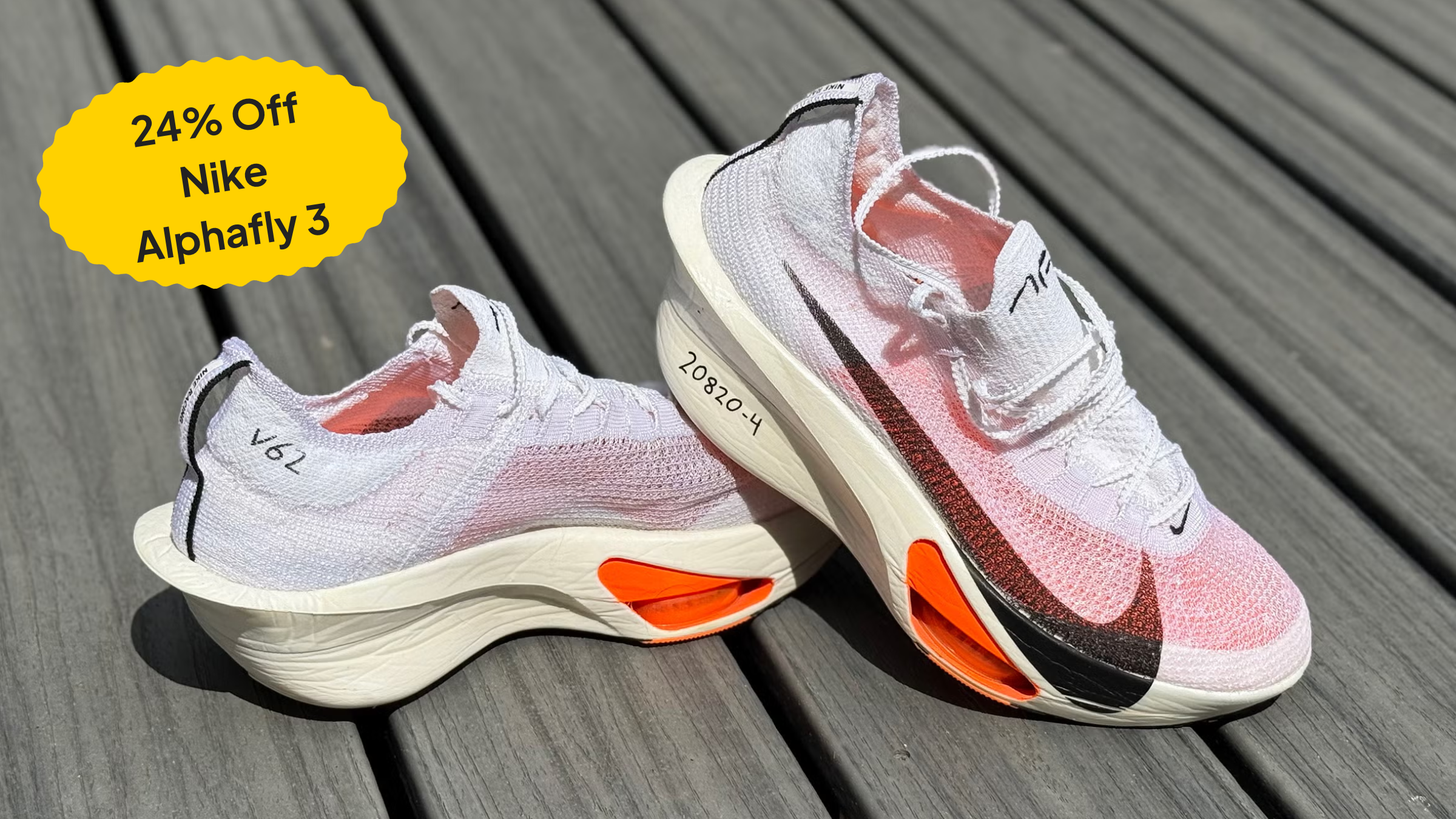
However, these performance advantages are accompanied by specific physical trade-offs. The Alphafly 3 features a stack height that places high demands on ankle stability, and the plush, soft heel construction can feel unbalanced for runners who exhibit severe rearfoot pronation. Furthermore, due to the aggressive geometry of the carbon-fiber plate and the rapid degradation of high-performance foam under high-frequency training, athletic footwear analysts recommend reserving the Alphafly series strictly for high-stakes races and targeted speed workouts rather than daily high-mileage base training.
Market Implications of the Inventory Clearance
The current discounting strategy reflects standard inventory management practices within the retail athletic footwear sector. When a marquee performance model transitions to a new generation, manufacturers and wholesale partners typically utilize targeted price promotions to deplete legacy stock, mitigating storage costs and preventing inventory stagnation.
For consumers, this creates a distinct economic opportunity. High-end carbon-plated marathon shoes routinely command premium retail prices, often exceeding $250 to $300 per pair, reflecting the cost of advanced research, development, and specialized materials. A 24% price reduction lowers the financial barrier for competitive runners who consume multiple pairs of racing shoes per training cycle due to the finite lifespan of supercritical foams, which typically lose their optimal resilience after approximately 200 to 300 miles of use.
Furthermore, the timing of the sale aligns with the autumn marathon season, a peak period for long-distance racing events globally. Many runners adhere to the established racing axiom of avoiding untried equipment on race day—colloquially summarized as "nothing new on race day." By offering price reductions on a model that athletes have already tested, fitted, and raced in during previous training blocks, retailers provide a practical mechanism for runners to stockpile a familiar model before manufacturing ceases.
Industry Outlook and the Future of Carbon-Plated Footwear
As the running shoe market prepares for the rollout of the Alphafly 4 at the end of October, industry observers are closely monitoring how Nike will iterate upon the established design framework. Competitors including Adidas, Asics, and Saucony continue to challenge Nike’s market share with their own elite marathon offerings, such as the Adizero Adios Pro series and the Metaspeed line.
The impending arrival of the Alphafly 4 is expected to set new benchmarks for weight reduction, upper breathability, and foam responsiveness. Nevertheless, the immediate clearance of the Alphafly 3 underscores the rapid obsolescence cycle inherent to modern sports technology. As manufacturers refine geometry and chemistry on an annual or biannual basis, previous-generation flagship models frequently transition from cutting-edge innovations to discounted clearance items, granting budget-conscious competitive runners access to elite-tier performance equipment at a fraction of its initial market cost.




 Lukman Taruna Persada Ramadan

 Tatiana Tantri Indah Sari

 Budi Mulyono