
 Chandra Hamzah
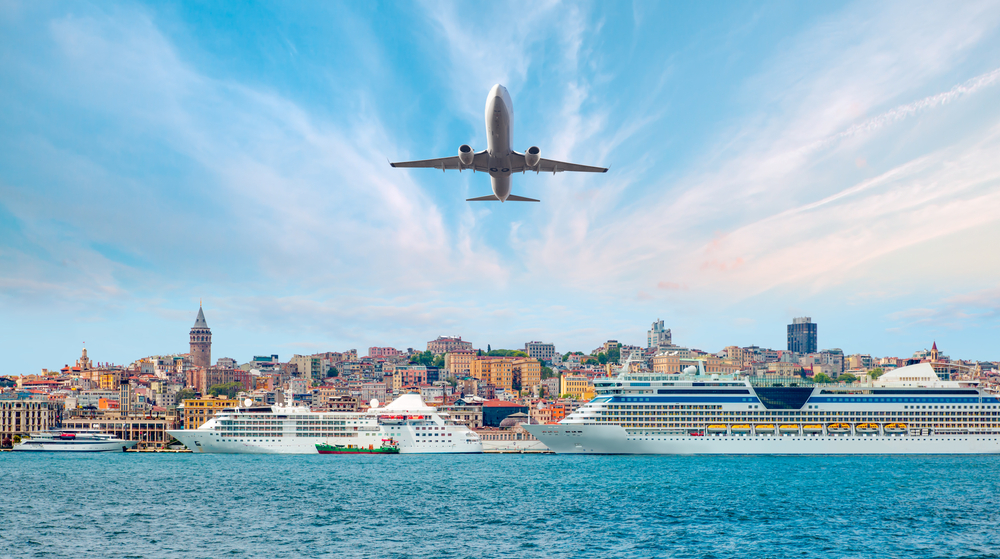
Australians planning Mediterranean, Adriatic, or Northern European cruises in 2027 and 2028 are likely to face considerably higher travel expenses, as ongoing geopolitical instability in the Middle East continues to drive up airfares. This surge in flight costs is a direct consequence of disrupted flight paths and increased operational expenses for airlines, creating a significant financial challenge for those seeking to combine air travel with their desired cruise itineraries. Despite the rising cost of getting to the embarkation port, industry leaders suggest that the allure of cruising remains strong, with many travellers demonstrating remarkable resilience in their booking habits.
Escalating Airfares and Diminished Capacity
The primary driver behind the projected increase in travel costs is the significant reduction in airline capacity connecting Australia to Europe. Dean Long, Chief Executive of the Australian Travel Industry Association, has expressed a pessimistic outlook regarding the return of pre-conflict flight volumes. He stated in an interview with The Australian newspaper that "there’s no pathway back to 150 flights a week (by the Gulf carriers) for the foreseeable future this year." This stark assessment highlights the substantial gap created by the rerouting of flights and the withdrawal of services to avoid the conflict zones. The reduction in capacity, coupled with escalating fuel prices, is expected to keep airfares elevated for an extended period.
This capacity crunch has a direct impact on the "fly-cruise" market, a popular choice for Australians embarking on European voyages. For a couple flying from Sydney to a European gateway city like Rome, Barcelona, or Athens, even a modest increase in standard economy fares can translate into hundreds of dollars per person added to the overall cost of their holiday package, even before the cruise fare itself is factored in. Experts predict that airfares will not return to pre-conflict levels any time soon, meaning that budget blowouts for these popular holiday types are a distinct possibility for many.
Cruise Lines Navigate Fuel Price Volatility
While the cost of air travel is a growing concern, cruise lines themselves have largely managed to absorb the immediate impact of the Middle East conflict on their operational costs. In the initial stages of the conflict, there were widespread predictions that cruise lines would implement fuel surcharges to offset the dramatic rise in global oil prices. However, this has not materialized for the majority of operators.
This resilience in cruise fares can be attributed to a common industry practice known as fuel hedging. By entering into forward contracts, many cruise lines have secured their fuel supplies at predetermined prices for specific periods. This strategy effectively insulates them from the sharp fluctuations in the oil market, allowing them to maintain their published cruise prices. Only a few smaller operators, such as Star and Dream Cruises (both under the Resort World Cruises umbrella in Asia), have introduced surcharges. The Cruise Lines International Association (CLIA) in Australasia, represented by Executive Director Joel Katz, confirmed that the long-term booking window typical of cruise tourism is also a protective factor. "Cruising is traditionally a very resilient area of travel and it’s an area of tourism that tends to look to the long term," Katz told Cruise Passenger. He elaborated, "Cruise guests plan their travel many months and years ahead, and cruise lines release their itineraries and accept bookings several years in advance. It means the industry tends to ride-out short-term factors, and as we’ve seen in recent years, cruising has been experiencing record numbers."
Airline Responses and Financial Pressures
Major airlines are more directly exposed to the immediate impact of rising fuel costs and the logistical challenges of rerouting flights. Qantas Airways, Australia’s national carrier, has already implemented fare increases. In March and April, the airline raised international fares by approximately four to six percent on average. This was accompanied by a reduction in domestic flights, a strategic move to cater to the heightened demand for routes that bypass the now-cautioned Middle Eastern hubs. The Australian government’s "do not travel" advisories for certain regions in the Middle East have further complicated flight planning and increased operational overheads.
The global impact is also significant. United Airlines, one of the world’s largest carriers, has indicated that ticket prices may need to rise by as much as 20 percent to compensate for the surge in jet fuel expenses. This broader trend underscores the pervasive nature of the cost increases across the international aviation sector.
Industry Resilience and Booking Trends
Despite the looming airfare challenges, the Australian cruise market is demonstrating remarkable resilience. Exclusive sentiment surveys, as reported by Cruise Passenger, indicate that travellers are not being deterred from booking cruises. Both Flight Centre Travel Group and Helloworld Travel have reported year-on-year increases in cruise bookings.
James Kavanagh, Global CEO Leisure Travel for Flight Centre Travel Group, noted that while the company experienced a $10 million leisure profit hit in April, with cruise and touring sectors being the hardest affected, and around 25,000 bookings disrupted (with six percent cancellations), the overall trend for cruises remains positive.
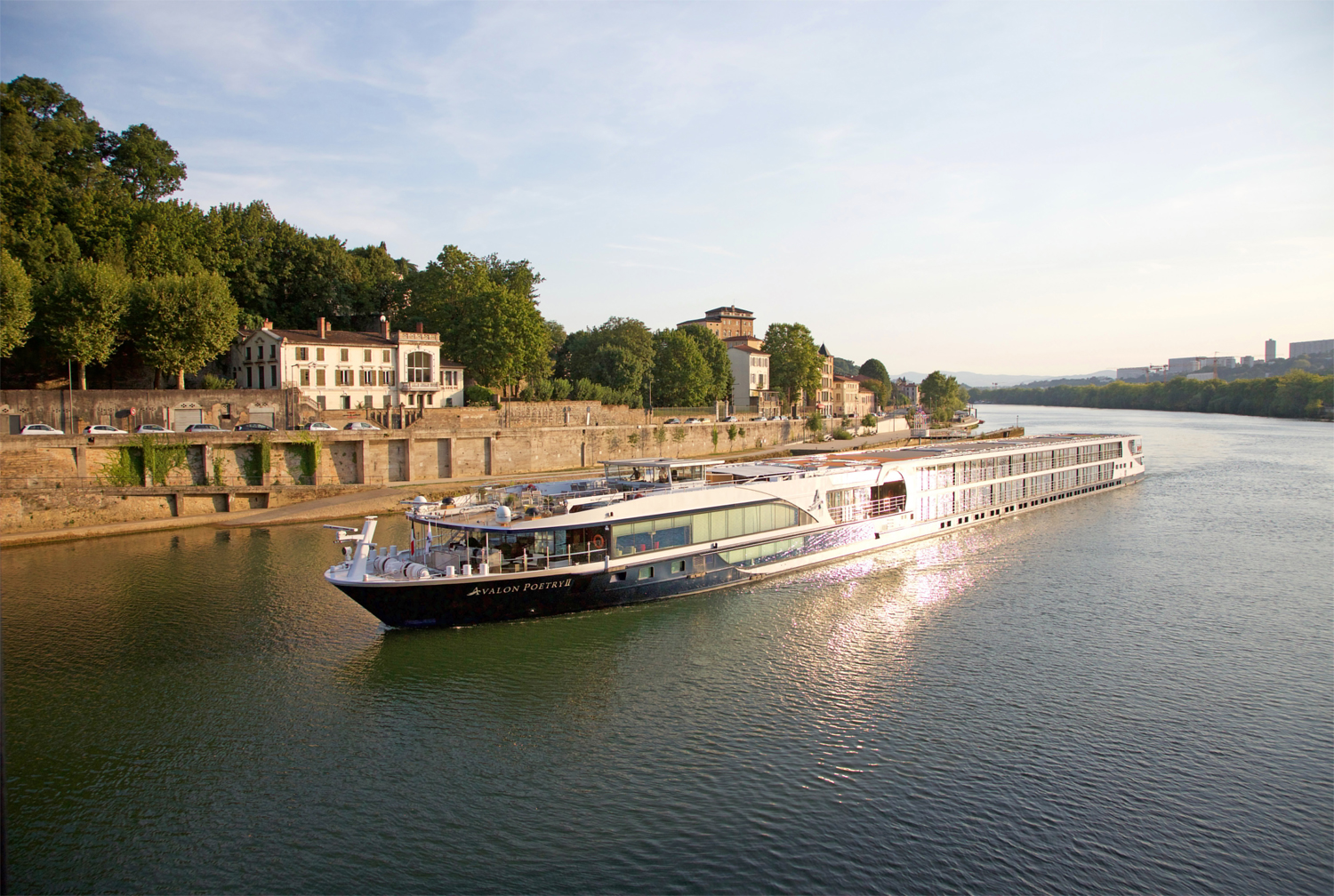
Cinzia Burnes, Chief Operating Officer and Executive Director at Helloworld Travel, echoed this sentiment, stating that many travellers are booking their cruises far in advance, often without securing their flights due to availability. "There is an increase in flight fares, that’s absolutely the case, but in terms of it affecting the fly-cruise market, it’s not really," Burnes commented. "The ones that are booking cruises now are going in months, so they are booking the cruise but not the flight at this time. Our advice is, because these cruises can fill up very quickly, we say book the cruise now and worry about the airfare later." Burnes believes that the long lead times for cruise bookings will mitigate the impact of current airfare hikes, suggesting that if the issue persists into next year, it will be indicative of broader, more systemic challenges within the travel industry.
Burnes also pointed to a minor dip in bookings for "family-oriented" cruises in April, attributing this more to the current cost of living pressures and increased mortgage repayments due to rising interest rates, rather than the direct impact of airfare volatility.
Broader Economic Context and Future Outlook
The resilience of the travel sector, particularly cruising, is further underscored by statements from Qantas CEO Vanessa Hudson. Speaking at the Macquarie Australia Conference on May 5, 2026, Hudson indicated that Australians are prioritizing travel despite price increases. "Across both domestic and international, it is resilient," she stated, according to thenightly.com.au. "We have seen a reduction in entertainment and alcohol to the prioritisation of travel. Travel has remained the number one discretionary priority." This suggests a fundamental shift in consumer spending, where travel is viewed as an essential discretionary expense, even in the face of economic headwinds.
The current situation presents a complex landscape for Australian travellers. While cruise lines are managing their fuel costs effectively, the significant increase in airfares poses a considerable challenge for those planning international fly-cruise holidays in the coming years. The industry’s ability to "ride out short-term factors," as Joel Katz of CLIA suggests, will be tested. The long-term nature of cruise bookings, where itineraries are released years in advance, offers a buffer, allowing travellers to secure their desired cruise and then focus on securing flights as they become available.
However, the sustained geopolitical tensions in the Middle East and their ripple effect on global aviation capacity and fuel prices remain a significant concern. The industry’s capacity to adapt and for consumers to absorb these increased costs will be crucial in determining the future affordability of these popular holiday experiences. For now, the advice for prospective cruise passengers, particularly those eyeing European itineraries for 2027 and 2028, appears to be to book their cruise with confidence, while keeping a watchful eye on evolving airfare dynamics and planning their flight bookings strategically. The long-term commitment of travellers to the cruise product, coupled with the industry’s established practices in managing operational costs, provides a foundation of stability amidst the current turbulence in the global travel market.




 Anjar Salim
 Tatiana Tantri Indah Sari
 Budi Mulyono
 Lukman Taruna Persada Ramadan
