
 Chandra Hamzah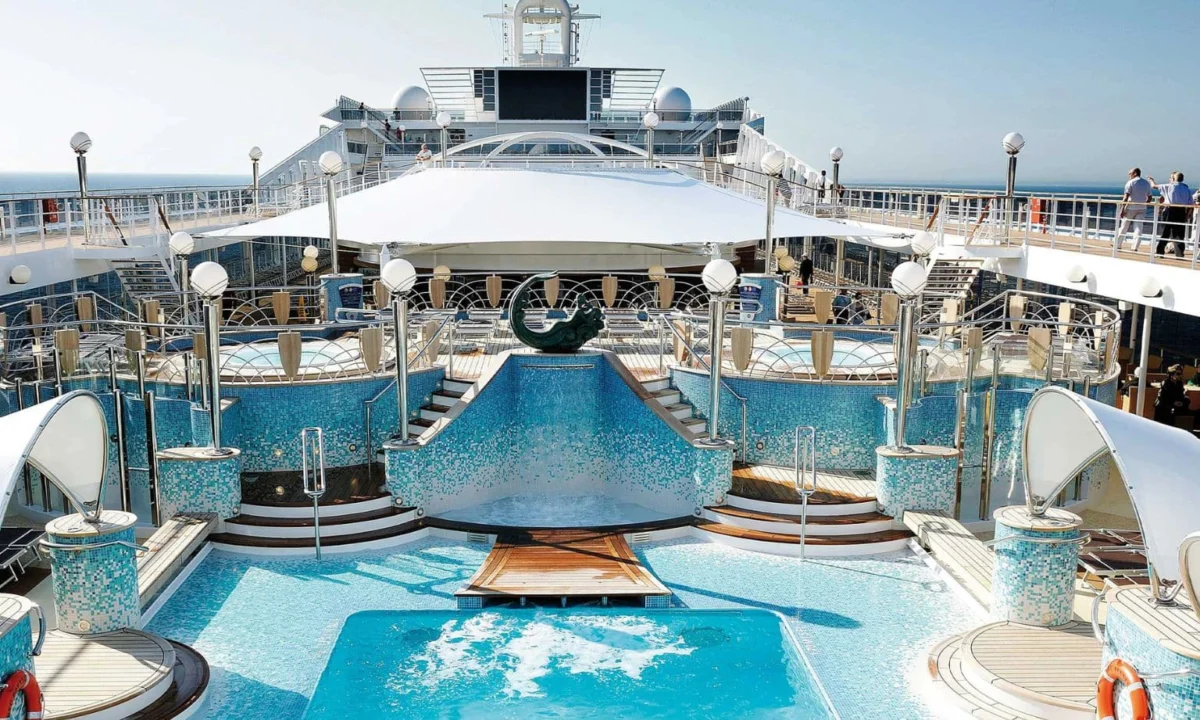
The global cruise industry is experiencing a dynamic period of evolution, characterized not only by the launch of new, state-of-the-art vessels but also by substantial investments in the refurbishment of existing fleets. This dual strategy reflects a commitment from major cruise lines to elevate the passenger experience, integrate technological advancements, and ensure their older ships remain competitive and appealing in an increasingly sophisticated market. Companies are undertaking comprehensive renovation projects, ranging from minor aesthetic updates to complete overhauls of onboard amenities and public spaces.
Recent observations onboard the newly refreshed Celebrity Solstice and the US$100 million renovation of the Norwegian Spirit late last year highlight the significant scale of these refurbishments. These projects underscore a broader industry trend to refresh and re-imagine existing cruise liners, offering passengers updated environments and novel experiences. The strategic location of Singapore as a hub for cruise ship dry-docking often positions Australia as one of the first regions to experience these revitalized vessels, making it prudent for Australian cruise enthusiasts to monitor the dry-dock schedules of their preferred cruise lines.
The scope of these dry-dock periods can vary considerably. Some are primarily focused on essential maintenance and minor cosmetic touch-ups, ensuring the operational integrity and visual appeal of the ship. However, many are far more extensive, involving significant architectural changes, the introduction of new venues, the reworking of existing spaces, and the integration of the latest technological innovations. These larger refurbishments aim to align older ships with the design and amenity standards of newer fleet additions, thereby extending their operational lifespan and enhancing their marketability.
Industry-Wide Commitment to Fleet Renewal
This commitment to fleet modernization is not limited to a few select operators. Across the industry, cruise lines are dedicating substantial resources to upgrading their existing assets. This approach offers a more sustainable and cost-effective alternative to exclusively building new ships, while still providing passengers with fresh and exciting cruise experiences. The following sections delve into specific examples and the strategic rationale behind these widespread refurbishment efforts.
MSC Cruises: Enhancing a Beloved Vessel
MSC Cruises, a rapidly expanding player in the global cruise market, is also actively engaged in revitalizing its fleet. While the specific details of all upcoming refurbishments are not always immediately public, the line has a consistent track record of investing in its ships to maintain a high standard of passenger comfort and entertainment. For instance, the MSC Poesia, a popular vessel within the MSC fleet, has recently undergone a significant refresh. Although the exact scope of the MSC Poesia‘s refurbishment is not detailed in the provided text, it is understood to encompass updates aimed at enhancing guest satisfaction and modernizing onboard offerings. Such updates often include enhancements to dining venues, entertainment spaces, and cabin accommodations, ensuring that the ship aligns with the contemporary expectations of cruise passengers. The strategic timing of these refurbishments often coincides with periods of lower demand or when ships are scheduled for routine maintenance, minimizing disruption to sailing schedules.
Carnival Cruise Line: A Focus on Fun and Modernity
Carnival Cruise Line, renowned for its "Fun Ship" concept, consistently invests in its fleet to ensure its onboard atmosphere remains vibrant and engaging. While specific recent refurbishments for Carnival are not detailed in the provided text, the line is known for its commitment to updating its ships with new attractions and amenities. Historically, Carnival has undertaken major renovations that have introduced popular features such as water parks, expanded dining options, and upgraded entertainment venues. The company’s strategy often involves rolling out successful features from its newer vessels onto its older ships, ensuring a consistent brand experience across its fleet. This approach allows them to leverage proven concepts and designs, optimizing the return on investment for their refurbishment projects. The ongoing modernization of their fleet is crucial for maintaining their appeal to a broad demographic of travelers seeking a lively and entertainment-rich vacation.
Celebrity Cruises: Elevating the Luxury Experience
Celebrity Cruises, positioned as a premium cruise line, places a strong emphasis on sophisticated design and elevated guest experiences. The recent refurbishment of the Celebrity Solstice serves as a prime example of their dedication to maintaining a high standard of luxury and modernity. While the specific details of the Solstice‘s updates are not elaborated upon, it is reasonable to infer that such renovations would align with Celebrity’s brand promise. This typically involves enhancements to staterooms, the introduction of new culinary experiences, upgrades to spa and wellness facilities, and refinements to public lounges and entertainment areas. The goal of these refurbishments is to ensure that even its established ships offer an experience comparable to its newest vessels, such as the Edge-class ships, which have set new benchmarks in modern cruise ship design. By continuously investing in its existing fleet, Celebrity Cruises aims to attract and retain discerning travelers who value refined aesthetics, exceptional service, and innovative onboard amenities.
Royal Caribbean: Expanding and Refreshing
Royal Caribbean International is a company known for its aggressive expansion and its commitment to innovation. While the article mentions Royal Caribbean’s expansion with new vessels, it also acknowledges the company’s parallel investment in refurbishing its existing fleet. This dual approach allows them to maintain a competitive edge by introducing cutting-edge attractions on new builds while simultaneously updating their established ships to meet evolving passenger expectations. Royal Caribbean’s refurbishments often focus on incorporating family-friendly features, thrilling onboard activities, and enhanced dining and entertainment options. For example, many of their older ships have seen the addition of features like FlowRider surf simulators, rock-climbing walls, and revamped pool decks. These upgrades are strategically implemented to ensure that their entire fleet offers a consistent and exciting vacation experience, appealing to a wide range of travelers, from families to adventure seekers. The company’s proactive approach to fleet management ensures that its ships remain at the forefront of the cruise industry’s offerings.
Azamara: The "Azamara Forward" Initiative
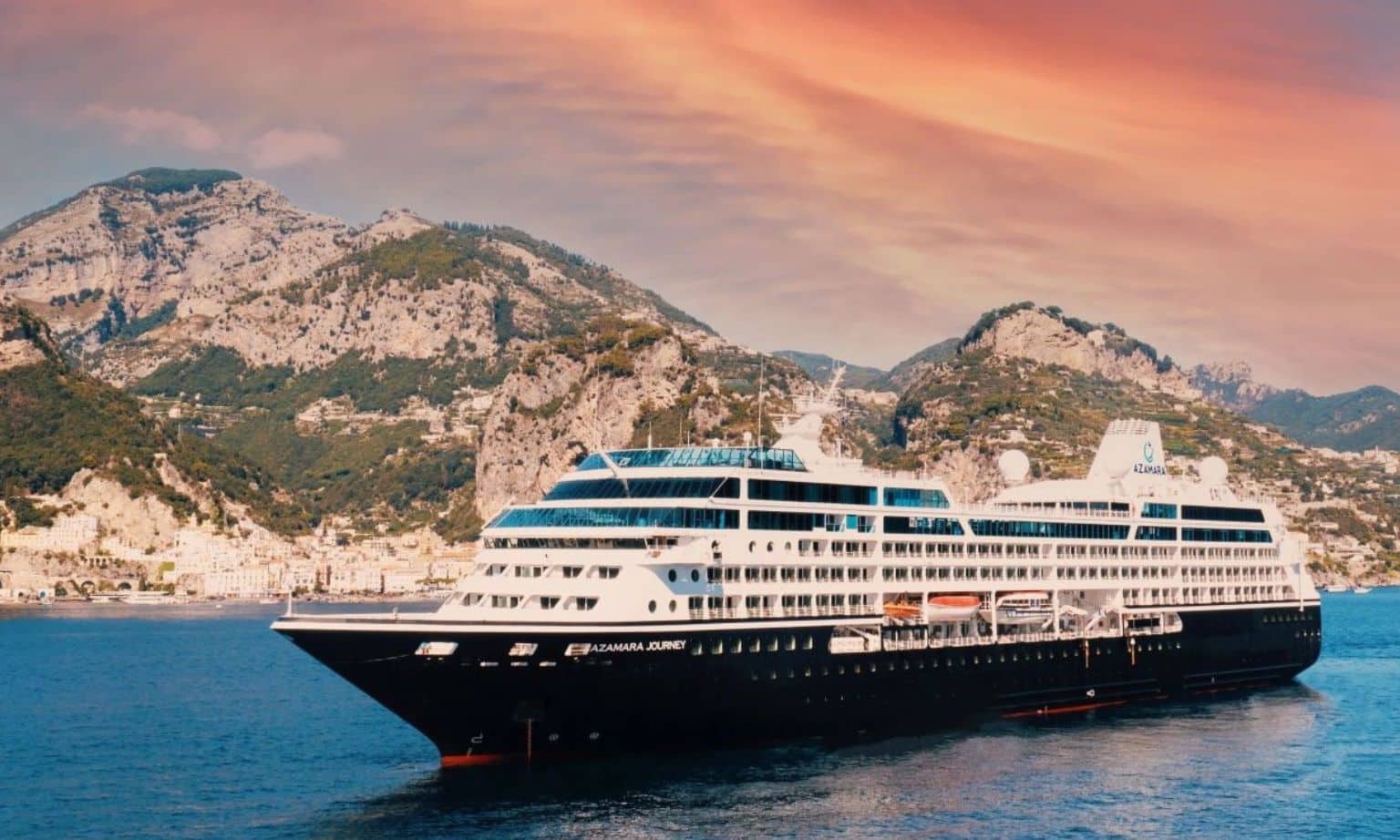
Azamara, a cruise line that has steadily increased its presence in the Australian market, is embarking on a significant fleetwide refurbishment program under the banner of "Azamara Forward." This comprehensive initiative signals a substantial investment in its four ships: Azamara Quest, Onward, Journey, and Pursuit. The program is designed to bring about significant enhancements across all aspects of the onboard experience. Major changes are anticipated in public spaces, including the redesign of lounges and bars, the modernization of dining venues, and the refurbishment of common areas. Furthermore, guest accommodations, from standard staterooms to suites, are expected to receive significant upgrades. The "Azamara Forward" program is a strategic move to elevate the luxury and comfort offered by these vessels, aligning them with the expectations of discerning travelers who seek intimate, destination-focused voyages. This ambitious project underscores Azamara’s commitment to providing an unparalleled cruising experience and strengthening its competitive position in the premium cruise segment. The renovations are expected to be rolled out across the fleet in phases, ensuring that guest disruptions are minimized.
The Strategic Importance of Refurbishment
The continuous investment in fleet modernization through refurbishment is a critical strategy for cruise lines. Firstly, it allows them to extend the economic life of their assets. Ships represent significant capital investments, and by keeping them updated, cruise lines can maximize their return on investment over a longer period. Secondly, it is essential for remaining competitive. The cruise market is dynamic, with passenger expectations constantly evolving. New ships often set new trends in terms of design, technology, and onboard amenities. Refurbishments allow older ships to adopt some of these innovations, ensuring they do not fall behind.
The data from the cruise industry consistently shows a correlation between updated ship offerings and passenger satisfaction ratings. For example, studies by market research firms specializing in the travel industry often indicate that passengers are more likely to book cruises on recently renovated ships or ships with modern amenities. This trend is driven by a desire for fresh experiences, improved comfort, and access to the latest onboard entertainment and dining options.
The Role of Dry Docks
Dry docks are more than just periods of maintenance; they are strategic opportunities for transformation. The process involves sailing the ship into a specialized shipyard facility where it is lifted out of the water, allowing for hull inspections and repairs, as well as extensive work on all onboard systems and aesthetics. The duration of a dry dock can range from a few weeks for basic maintenance to several months for major refurbishments.
The choice of shipyard location is also strategic. As noted, Singapore is a significant hub for these operations in the Asia-Pacific region, making it a convenient location for cruise lines deploying ships in or around Australia. This proximity allows for quicker turnaround times and potentially lower logistical costs. For passengers in regions like Australia, this means they often have the opportunity to be among the first to experience these revitalized vessels, creating a sense of exclusivity and excitement.
Analysis of Implications
The ongoing trend of fleet refurbishment has several key implications for the cruise industry and its passengers:
- Enhanced Passenger Experience: The most direct impact is on the passenger. Refurbished ships offer updated accommodations, improved dining, new entertainment options, and enhanced technological integration (e.g., better Wi-Fi, interactive screens). This leads to higher levels of guest satisfaction and encourages repeat bookings.
- Market Competitiveness: Cruise lines that consistently invest in their fleets are better positioned to attract new customers and retain existing ones. They can offer a wider range of experiences across their different ships, catering to diverse preferences and budgets.
- Economic Benefits: The refurbishment process itself stimulates economic activity in the shipbuilding and maritime services sectors. It supports jobs in design, engineering, construction, and hospitality.
- Sustainability Considerations: While building new ships is often associated with increased efficiency and environmental technologies, refurbishments can also incorporate greener solutions. Upgrades might include more energy-efficient lighting, water-saving fixtures, and updated waste management systems, contributing to a more sustainable operation.
- Brand Consistency: For large cruise lines with extensive fleets, refurbishments help maintain a degree of brand consistency. Passengers can expect a similar level of quality and experience, regardless of which ship they choose within a particular class or brand.
In conclusion, the dedication of cruise lines to both expanding their fleets with new vessels and rigorously refurbishing their existing ones underscores a commitment to delivering exceptional and evolving passenger experiences. This proactive approach ensures the industry’s continued vibrancy, offering travelers a diverse and continuously improving array of options for their vacation at sea. The strategic investments in modernization are not merely about maintaining assets but about proactively shaping the future of cruising.




 Budi Mulyono
 Anjar Salim
 Tatiana Tantri Indah Sari

 Lukman Taruna Persada Ramadan