
 Susilo Edi Turonggo
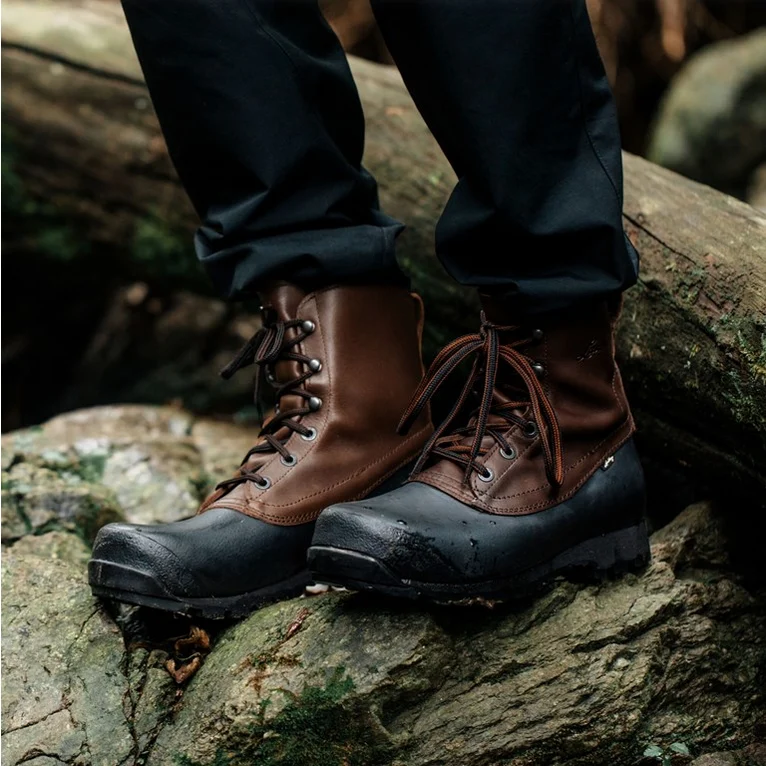
As winter weather patterns intensify globally, the demand for durable, weather-resistant footwear has reached an all-time high. However, for decades, the outdoor apparel industry relied heavily on per- and poly-fluoroalkyl substances (PFAS)—a class of synthetic chemicals prized for their ability to repel water, oil, and stains. Known colloquially as "forever chemicals" due to their extraordinary resistance to environmental degradation, these compounds are now the subject of intense regulatory scrutiny and consumer concern. For the environmentally conscious consumer, the challenge lies in identifying high-performance winter boots that provide necessary protection against snow and slush without contributing to the pervasive chemical contamination of ecosystems and human health.
The Rise and Fall of Forever Chemicals
The history of PFAS in the textile industry dates back to the mid-20th century, when the unique properties of fluoropolymers were first exploited to create high-performance coatings. By the early 2000s, these chemicals were ubiquitous in outdoor gear, ranging from technical jackets to heavy-duty winter boots. Because these substances offer both water repellency and breathability, they became the industry standard for Durable Water Repellent (DWR) finishes.
However, the chemical stability that makes PFAS so effective also renders them persistent. Once these chemicals flake off from a boot’s surface—or are washed away during manufacturing—they enter the water cycle. Because their carbon-fluorine bonds are among the strongest in organic chemistry, they do not break down in nature. Instead, they accumulate in soil, groundwater, and eventually the human body. Recent studies by the U.S. Geological Survey have detected PFAS in nearly half of the nation’s tap water supply, underscoring the severity of the contamination. The health implications are significant, with the Centers for Disease Control and Prevention (CDC) and various environmental agencies linking chronic PFAS exposure to endocrine disruption, immune system suppression, developmental issues, and increased risks of certain cancers.
Regulatory Chronology and Industry Accountability
The shift away from PFAS has been driven by a combination of scientific evidence, grassroots activism, and impending legislation. In 2021, states like Maine and New York began moving toward comprehensive bans on intentionally added PFAS in consumer products. These legislative actions forced a rapid pivot within the outdoor industry.
By 2023, major outdoor retailers and manufacturers—faced with the prospect of inconsistent global regulations—began to formalize "PFAS-free" pledges. This transition has not been without technical hurdles. Replacing a chemical that has dominated performance standards for over 50 years requires significant investment in material science. Brands have had to experiment with alternative DWR treatments based on paraffin waxes, silicone, or dendrimer technologies. While these alternatives are safer, they often require more frequent reapplication to maintain peak performance, shifting the responsibility of maintenance toward the consumer.
Establishing Standards for Sustainable Footwear
For consumers navigating this transition, transparency is the primary safeguard. Sustainable winter footwear is no longer just about the chemical composition of the coating; it encompasses the entire lifecycle of the product. When evaluating the market, three pillars of sustainability emerge: material safety, supply chain transparency, and circularity.
Material Safety and Certifications
The first step for any consumer is to scrutinize certifications. The Leather Working Group (LWG) is the gold standard for tanneries, ensuring that water usage, waste management, and chemical handling meet rigorous environmental benchmarks. For synthetic textiles, the Global Recycled Standard (GRS) ensures that materials labeled as "recycled" are indeed diverted from waste streams. Furthermore, the "bluesign" system acts as a filter for the entire production process, ensuring that hazardous substances are eliminated at the factory level before a product is even assembled.
Supply Chain Transparency
A sustainable boot is inherently an ethical one. Brands that partner with the Fair Wear Foundation or publicly disclose their Tier 1, 2, and 3 factories demonstrate a commitment to worker safety and fair wages. In an era where supply chains are often opaque, brands that provide a "map" of their production journey are more likely to have control over the chemicals entering their facilities.
The Philosophy of Longevity
Perhaps the most sustainable boot is the one that does not need to be replaced. Brands that offer modular designs, replacement outsoles, or comprehensive repair programs significantly lower their carbon footprint. After-market repair is a critical component of circularity, preventing thousands of tons of textile waste from entering landfills each year.
Market Leaders in the PFAS-Free Transition
While the industry is in flux, several companies have established themselves as frontrunners in the move toward safer alternatives.
Keen Footwear has distinguished itself by not only going PFAS-free but also by creating an "open-source" model, sharing its chemical-free process with competitors to encourage industry-wide adoption. Their approach centers on rigorous auditing of LWG-certified tanneries and a strict restricted substances list (RSL).
Jack Wolfskin has leveraged its proprietary Texapore technology to provide wind and water protection without the use of fluorinated compounds. By ensuring all supply chain partners meet bluesign criteria, they provide a high level of confidence for the European market, where environmental regulations are particularly stringent.
Lundhags, a Swedish legacy brand, emphasizes a "slow fashion" model. By manufacturing in Europe and maintaining a dedicated in-house cobbler and repair shop, they prioritize durability over volume. Their boots are engineered to last for decades, significantly reducing the environmental impact per wear.
Vaude is widely considered a leader in ecological design. Their commitment to transparency is evident, as they provide detailed information regarding the origin of their leather and synthetic membranes on every product page. Their robust repair service further underscores a commitment to the circular economy, offering affordable replacement parts to keep their footwear in service for longer.
Forsake bridges the gap between urban aesthetics and outdoor performance. By utilizing LWG-certified leather and maintaining a clear code of conduct for their suppliers, they provide a reliable, stylish option for consumers who prioritize both form and environmental ethics.
EcoAlf approaches the problem from a materials-science perspective. As a certified B-Corp, their use of GRS-certified recycled polyester and rubber demonstrates that high-performance, vegan winter footwear can be achieved without relying on virgin petrochemicals or forever chemicals.
Will’s Vegan Store offers a comprehensive solution for those avoiding animal products. By tracing their production steps in Italy and Portugal, they ensure that their bio-based leather alternatives meet high environmental and ethical standards. However, consumers should be diligent in checking that specific models are explicitly labeled as PFAS-free, as the brand offers a wide range of products.
Poppy Barley provides a localized, transparent approach to footwear. By sourcing materials from LWG-certified tanneries and maintaining audited factory relationships, they offer a model of accountability that is increasingly rare in the fashion industry.
REI Used Gear represents the ultimate expression of circularity. By facilitating the resale of high-quality, pre-owned gear, REI allows consumers to extend the lifecycle of existing products. This model is particularly effective for those seeking high-end, sustainable boots at a more accessible price point, provided the consumer performs due diligence on the original manufacturing date and material composition.
Broader Implications and Future Outlook
The shift toward PFAS-free winter boots is emblematic of a larger movement in global commerce. As regulators continue to tighten the net around "forever chemicals," the outdoor industry is finding that sustainability is no longer a niche marketing strategy but a prerequisite for market viability.
The economic implications of this transition are twofold. On one hand, the R&D costs associated with finding high-performing, non-toxic alternatives have led to an increase in the price of premium outdoor gear. On the other, this shift is forcing a correction in consumption patterns, encouraging consumers to view boots as long-term investments rather than disposable seasonal items.
Ultimately, the goal is to decouple the concept of "performance" from "toxicity." As technology improves, the gap between traditional PFAS-treated gear and modern, sustainable alternatives is closing. For the average consumer, the path forward is clear: demand transparency, prioritize repairability, and look for certifications that go beyond simple marketing claims. By choosing products from brands that are actively managing their chemical footprints, consumers are not only protecting their own health but are also voting for a cleaner, more sustainable future for the outdoor spaces they cherish.




 Diana Nuri Rohmawati

 Gabriela Annisa

 Lukman Taruna Persada Ramadan

 Tatiana Tantri Indah Sari

 Anjar Salim

