
 Susilo Edi Turonggo
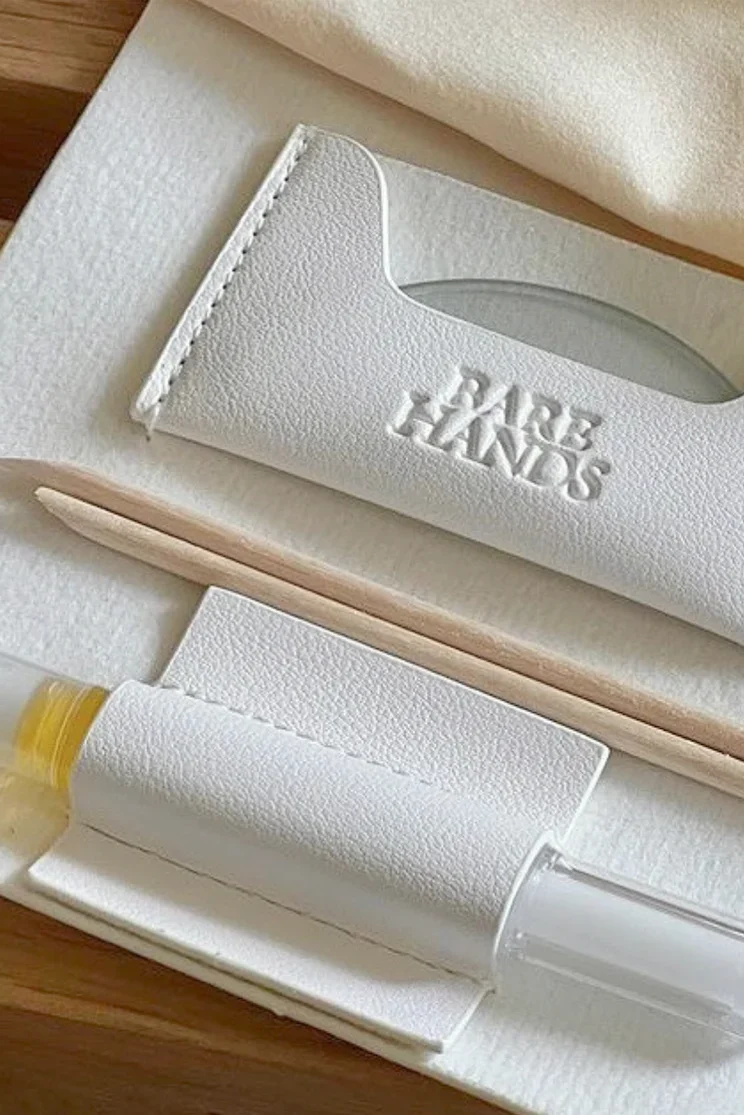
The convergence of seasonal temperature fluctuations and persistent economic inflation has fundamentally altered consumer beauty habits, shifting the focus from high-cost salon professional services to high-quality, sustainable at-home self-care. As dry winter air compromises the skin’s moisture barrier and household budgets tighten, the market for "clean" and non-toxic beauty products has seen a notable surge in demand. This transition is not merely a reaction to fiscal constraints but part of a broader, decade-long movement toward ingredient transparency and environmental accountability in the personal care industry.
The Shift Toward Conscious Consumption
The global clean beauty market, valued at approximately $8 billion in 2022, is projected to reach nearly $15 billion by 2028, according to industry analysis. Consumers are increasingly scrutinizing labels for phthalates, parabens, and synthetic fragrances, prioritizing products that align with their personal health standards and environmental values. This shift has forced brands to move beyond traditional marketing, necessitating a deeper commitment to sustainable supply chains, plastic-free packaging, and cruelty-free testing protocols.
For the budget-conscious consumer, the most accessible entry point to this lifestyle remains rooted in fundamental wellness practices. Medical experts frequently emphasize that the pillars of skin health—hydration, sleep quality, and stress mitigation—outperform even the most expensive topical treatments. Simple household staples, such as Epsom salts for muscle recovery, unrefined coconut oil for dermal hydration, and mineral-rich clays for pore purification, serve as the baseline for an effective, low-cost self-care regimen.
Chronology of the Clean Beauty Movement
The push for safer beauty products gained significant momentum in the mid-2010s, as legislative advocacy groups began to highlight the lack of federal regulation regarding chemical ingredients in personal care items. In the United States, the Food and Drug Administration (FDA) has historically allowed companies to self-regulate, a gap that prompted private companies to create their own vetting systems.
By 2018, retailers like Credo and Detox Market began establishing rigorous "blacklists" of banned ingredients, effectively forcing brands to reformulate or lose shelf space. The COVID-19 pandemic served as an accelerant for this trend. With salons closed during 2020 and 2021, home-based treatments evolved from a temporary necessity into a permanent habit for many. This period marked a transition where high-end "med-spa" technology—such as facial cupping and gua sha—was miniaturized for consumer use, allowing for professional-grade results at a fraction of the cost.
Curating a Sustainable Beauty Toolkit
For those seeking to invest in products that balance efficacy with ethical production, the current market offers a variety of specialized options.
Facial and Body Rejuvenation
Grown Alchemist has distinguished itself by focusing on the intersection of biology and chemistry, utilizing botanical extracts processed in ways that maintain ingredient integrity. Their supply chain transparency protocols—vetted to ensure fair labor and low environmental impact—have set a benchmark for the sector. Similarly, OSEA Malibu has leveraged the properties of sustainably harvested seaweed. Marine-based skincare has gained scientific interest for its high concentration of minerals and antioxidants, which support the skin’s natural lipid barrier.
For those requiring deeper exfoliation or resurfacing, brands like MyChelle and Surreal Skincare offer targeted solutions. MyChelle maintains a strictly vegetarian, cruelty-free profile, while Surreal Skincare has gained industry attention for its use of tree resin extracts. These bio-active ingredients often provide a higher concentration of nutrients, allowing for smaller product quantities and, consequently, longer-lasting value for the consumer.

Innovations in Hair Care
Hair care represents one of the most chemically intensive segments of the beauty industry. The recent introduction of "color-restoring" treatments, such as those produced by Hairprint, marks a departure from traditional permanent dyes. By mimicking the body’s own pigment production process, these treatments offer a non-toxic alternative to ammonia-based dyes that can strip the hair of protein. Furthermore, organic henna-based dyes from companies like Desert Shadow and Surya Brasil have gained traction, providing an ancient, plant-based solution for grey coverage without the long-term damage associated with synthetic chemical oxidants.
Advanced Tools and Holistic Wellness
The integration of traditional Eastern practices, such as gua sha, into Western skincare routines has been one of the most significant shifts in the last five years. The Wildling Empress Collection utilizes the principles of lymphatic drainage to reduce facial tension and inflammation. By shifting the focus from masking imperfections to supporting the body’s innate circulation, these tools represent a holistic approach to aging.
Furthermore, the integration of CBD (cannabidiol) into topical soaks and ingestibles has been driven by emerging research into the endocannabinoid system’s role in inflammation. Brands like Prima and Unplugged Essentials utilize third-party testing to ensure their hemp extracts are free from pesticides and heavy metals, providing a standardized, safe way for consumers to manage stress-induced physiological tension.
Data-Driven Implications for Consumers
A critical analysis of the current market indicates that "non-toxic" is not merely a buzzword but a necessary response to the cumulative exposure of synthetic chemicals. According to the Environmental Working Group (EWG), the average adult uses nine personal care products daily, leading to exposure to over 100 chemicals before the day begins.
The economic implication of this shift is notable: while the initial cost of a sustainably produced, concentrated serum or oil may be higher than a mass-market alternative, the longevity of these products often results in lower long-term spending. Furthermore, companies that prioritize refillable packaging and concentrated formulas are effectively reducing the carbon footprint associated with shipping water-heavy products.
Official Industry Stance
Industry leaders have noted that the future of beauty lies in "radical transparency." During recent beauty summits, representatives from major clean-beauty retailers emphasized that the consumer of 2024 is more informed than ever. Brands that do not disclose their full ingredient list or fail to provide documentation on their sustainability claims are increasingly being sidelined by a demographic that values ethics as much as aesthetics.
Summary of Best Practices
To optimize an at-home spa experience, experts recommend the following protocol:
- Preparation: Begin with a clean environment. Using a tool like a soy-based candle or essential oil diffuser can help lower cortisol levels before the physical routine begins.
- Exfoliation: Utilize manual or chemical exfoliants to remove dead skin cells, allowing subsequent treatments to penetrate more effectively.
- Targeted Treatment: Apply serums or oils that match specific skin needs, such as hydration for winter dryness or brightening for dullness.
- Tool-Assisted Drainage: Incorporate gua sha or facial rolling to encourage blood flow and lymphatic drainage.
- Recovery: Conclude with a mineral-rich soak, such as an Epsom or seaweed-infused bath, to replenish electrolytes and relax the nervous system.
Ultimately, the goal of the sustainable beauty movement is not to create a culture of vanity, but to foster a relationship with the body that is restorative and intentional. By moving away from aggressive, chemical-heavy products and toward natural, high-performance ingredients, consumers can achieve professional results while maintaining a standard of health that respects both the individual and the environment. As inflation continues to impact household spending, the ability to replicate a high-end spa experience at home remains a practical and empowering skill for the modern consumer.




 Gabriela Annisa

 Lukman Taruna Persada Ramadan

 Tatiana Tantri Indah Sari

 Anjar Salim


 Dwi Wanna
