
 Susilo Edi Turonggo
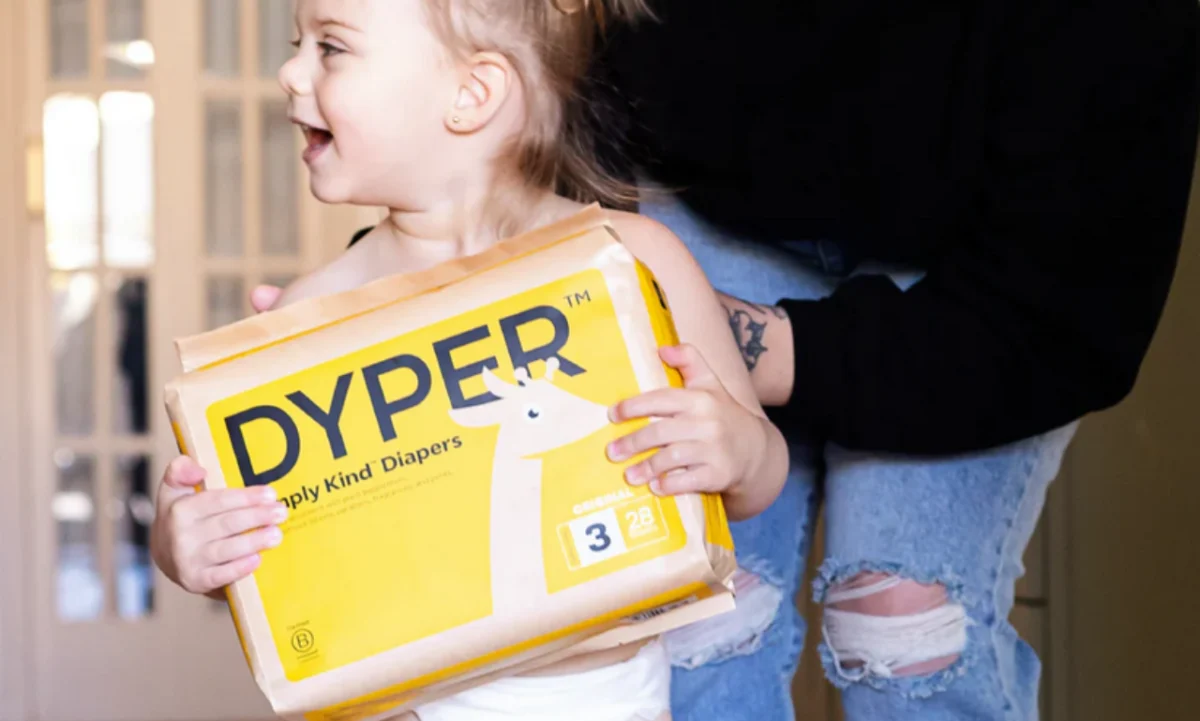
The reality of modern parenting is inextricably linked to a staggering volume of waste. Data indicates that the average infant will utilize approximately 6,000 diapers within their first two years of life. For decades, the global diaper industry has relied heavily on single-use, petroleum-based plastics, creating a systemic environmental challenge that municipal waste management systems struggle to contain. While traditional reusable cloth diapers have long been positioned as the primary eco-friendly alternative, the logistical demands of laundering—often prohibitive for dual-income or time-constrained households—have prevented them from achieving widespread adoption. This gap in the market has historically left parents with few choices: settle for conventional disposables, which present both health and environmental concerns, or attempt the often-impractical path of traditional reusables.
The Hidden Costs of Conventional Diapers
Beyond the immediate challenge of overflowing household trash bins, conventional disposable diapers represent a complex intersection of environmental degradation and potential public health risks. Unlike products designed for direct contact with adult skin, diapers are subject to a regulatory landscape that many health advocates describe as insufficient. In the United States, the Consumer Product Safety Commission mandates that diapers be tested for lead content; however, there is no federal requirement for the disclosure of other chemicals, including those commonly used for artificial fragrance, moisture-wicking, or color stabilization.
Clinical research has increasingly turned its focus to the synthetic materials found in standard disposables. Studies published in journals such as the American Journal of Public Health have examined the potential links between certain chemical compounds—specifically endocrine-disrupting chemicals (EDCs) and phthalates—and long-term reproductive and developmental issues. These components, while effective at managing moisture and neutralizing odors, have been associated with localized skin irritation and, in more serious clinical assessments, concerns regarding long-term reproductive health. The lack of ingredient transparency in the sector has prompted a growing movement of parents and health professionals to seek alternatives that prioritize material safety over industrial convenience.
A Chronology of Industry Disruption
The movement toward "clean" diapering gained significant momentum when entrepreneur Tony Patron, a professional engineer, began analyzing the impact of his own family’s consumption patterns. Confronted with the recurring sight of overfilled waste bins, Patron sought to apply industrial design principles to a consumer product category that had seen little innovation in terms of sustainability.
Patron’s initial efforts were characterized by a collaborative approach, leading to a merger with a manufacturing entity focused on compostable technology. This merger formed the foundation for Dyper, a company that aimed to bridge the gap between the performance of high-end commercial diapers and the environmental necessity of biodegradability. By 2018 and 2019, the brand began to gain traction by addressing the two most significant pain points for consumers: performance anxiety and environmental guilt. The strategy was clear: replace plastic-heavy construction with plant-based fibers without sacrificing the absorption rates that parents require for daily function.

Material Science and the Shift to Bio-Based Components
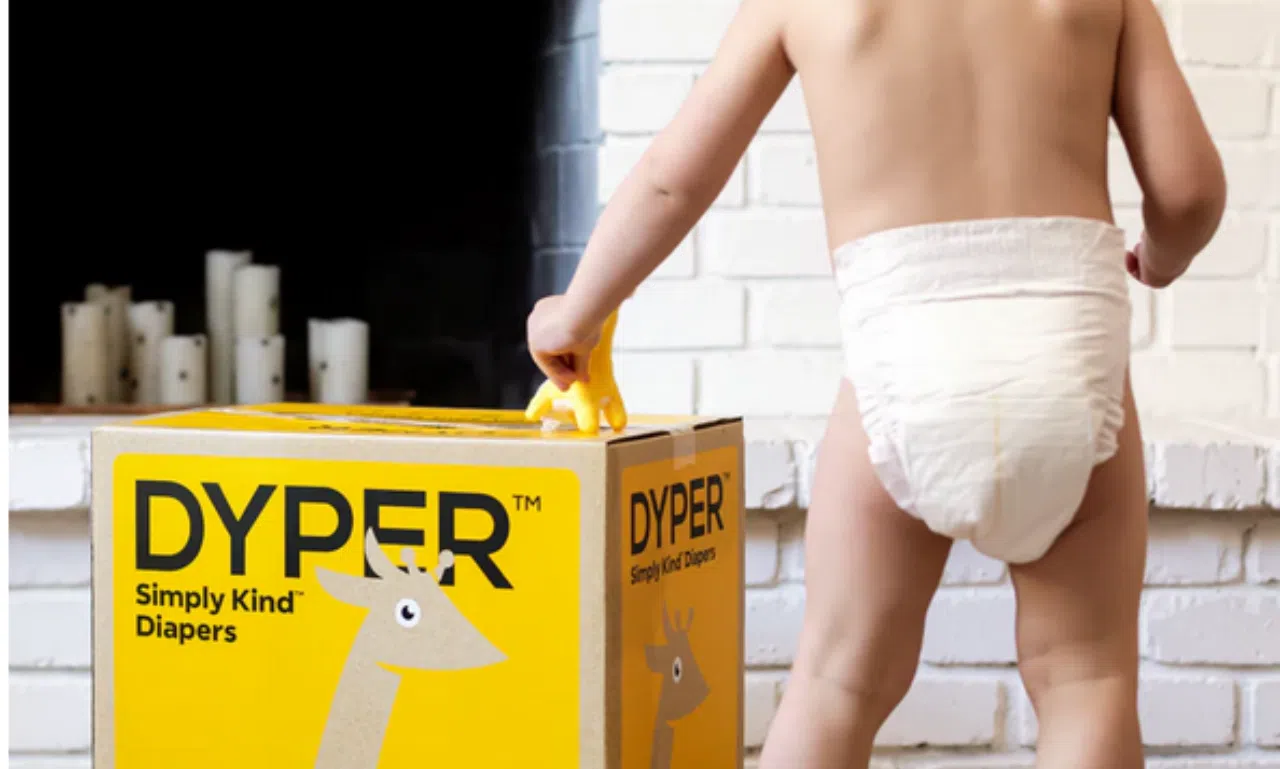
The transition from plastic to plant-based materials represents a significant shift in manufacturing logistics. Current production standards for the brand center on the use of FSC-certified bamboo and eucalyptus fibers. These materials are selected not only for their lower environmental footprint but also for their natural breathability and soft texture, which are critical for minimizing contact dermatitis in infants.
To address the issue of transparency, the company implemented a labeling strategy that discloses specific components for each layer of the diaper. The product lineup has subsequently earned the USDA BioPreferred certification, a federal designation that verifies the percentage of renewable biological ingredients. For the diapers, this is 55%, and for the associated wipes, it reaches 95%. Furthermore, the attainment of the DermaTest 5-Star Certification—a rigorous third-party assessment—serves as a benchmark for skin safety, confirming that the materials do not trigger adverse immune responses or irritation.
The REDYPER Program and Landfill Diversion
Perhaps the most ambitious aspect of this transition is the attempt to solve the "end-of-life" problem for disposable products. Even a biodegradable diaper will struggle to decompose in the oxygen-deprived environment of a typical landfill. To address this, the company developed the REDYPER program. This initiative involves a specialized logistics chain where used diapers are collected from consumers and transported to industrial composting facilities.
Unlike home composting, which is generally unsuitable for human waste, industrial composting facilities utilize high-heat thermophilic processes to sanitize the material and break down the bamboo and eucalyptus fibers into compost. The program has reported the diversion of over 14 million pounds of waste from municipal landfills. This data point underscores a broader shift in the circular economy: moving away from the "take-make-dispose" model toward a system where product recovery is integrated into the purchase cycle.
Regulatory and Economic Implications
The diaper industry is currently at a crossroads. As consumer awareness regarding chemical exposure grows, the pressure on manufacturers to disclose ingredients is mounting. The lack of stringent federal oversight means that the burden of safety verification currently falls on private brands and third-party certifications. This has created a bifurcated market: one segment continuing to optimize for the lowest possible cost, and another, like the aforementioned model, competing on the basis of sustainability and safety.
From an economic perspective, the subscription-based model has proven essential for maintaining consistent, high-volume production of sustainable goods. By integrating recurring deliveries with potential waste-collection services, companies are able to manage supply chains more effectively while providing a service that offsets the traditional burden of shopping for bulky baby supplies.
Broader Environmental Impact
The environmental impact of the diaper industry is vast. With millions of diapers entering landfills annually, the persistence of plastic and chemical additives in soil and groundwater has become a topic of increasing interest for environmental scientists. While a single household’s contribution might seem marginal, the aggregate effect of millions of families switching to plant-based, biodegradable alternatives represents a measurable reduction in plastic production and landfill methane emissions.
Furthermore, the integration of FSC-certified forestry products ensures that the raw materials are sourced from managed forests, reducing the deforestation risk associated with lower-quality paper and cellulose production. By replacing petroleum-based polymers with plant-derived alternatives, manufacturers are also reducing their dependency on the petrochemical supply chain, which is subject to volatile pricing and significant carbon emissions.
Future Outlook and Consumer Choice
The trajectory of the diaper industry suggests that sustainability is no longer a niche preference but a growing market demand. As more parents prioritize non-toxic materials, the market share for brands that rely on transparency and scientific validation is expected to grow.
For the modern parent, the choice is no longer limited to the binary of "traditional plastic" or "impractical cloth." The emergence of high-performance, plant-based alternatives provides a third way. However, the success of these programs relies on regional infrastructure—specifically, the availability of industrial composting facilities capable of processing these materials. As urban centers continue to expand their composting capabilities, the feasibility of full-scale diaper recycling will likely increase.
In conclusion, the shift toward sustainable diapering is a microcosm of a larger industrial transition. By combining engineering rigor with a commitment to ecological health, manufacturers are demonstrating that consumer products can be designed for both performance and planetary stewardship. While challenges remain—such as the inability to replace certain functional elements like velcro with biodegradable alternatives—the ongoing progress in material science and waste management indicates a promising path forward for the next generation of childcare. The success of these initiatives rests on a combination of continued consumer demand for transparency and the gradual expansion of circular waste infrastructure across the country. Through this multi-faceted approach, the industry is gradually moving away from a model that treats the environment as an infinite sink for waste, toward one that recognizes the finite nature of our resources and the imperative of protecting the health of the most vulnerable populations.



 Diana Nuri Rohmawati

 Gabriela Annisa

 Lukman Taruna Persada Ramadan

 Tatiana Tantri Indah Sari

 Anjar Salim

