
 Diana Nuri Rohmawati
The island of Ko Lipe, once a secluded jewel within the Adang-Rawi Archipelago of the Andaman Sea, has become a focal point for debates regarding the sustainability of Thailand’s tourism-driven economic model. Known for decades as the "Maldives of Thailand" due to its powdery white sands and vibrant turquoise waters, the island has undergone a radical metamorphosis since the early 2000s. Recent assessments by long-term observers and environmental analysts indicate that the island’s rapid transition from a remote backpacker outpost to a high-density tourist destination has resulted in significant ecological degradation, infrastructure strain, and the displacement of indigenous populations. This evolution reflects a broader trend within the Thai tourism industry where immediate economic gain often outpaces long-term environmental stewardship.
The Evolution of a Remote Outpost: A Two-Decade Chronology
The trajectory of Ko Lipe’s development provides a clear case study in the lifecycle of "frontier" tourism. In 2006, the island was characterized by its extreme isolation. Infrastructure was minimal; electricity was provided by private generators for only a few hours each evening, and the primary mode of transportation consisted of walking along unpaved dirt footpaths. At that time, the local economy was largely centered around subsistence fishing and small-scale guesthouses. Accommodation typically consisted of basic bamboo bungalows, often costing as little as $2 USD per night, catering to a small demographic of intrepid travelers willing to endure the logistical challenges of reaching the island.
During this period, the island’s seasonal nature served as a natural regulator for tourism. The "last boat of the season" was a definitive event, after which the island would return to a state of near-total seclusion during the monsoon months. This cycle allowed the local ecosystem and the resident community time to recover from the presence of visitors. However, as global travel platforms and social media began to highlight Ko Lipe’s aesthetic appeal, the demand for year-round access and modern amenities surged.
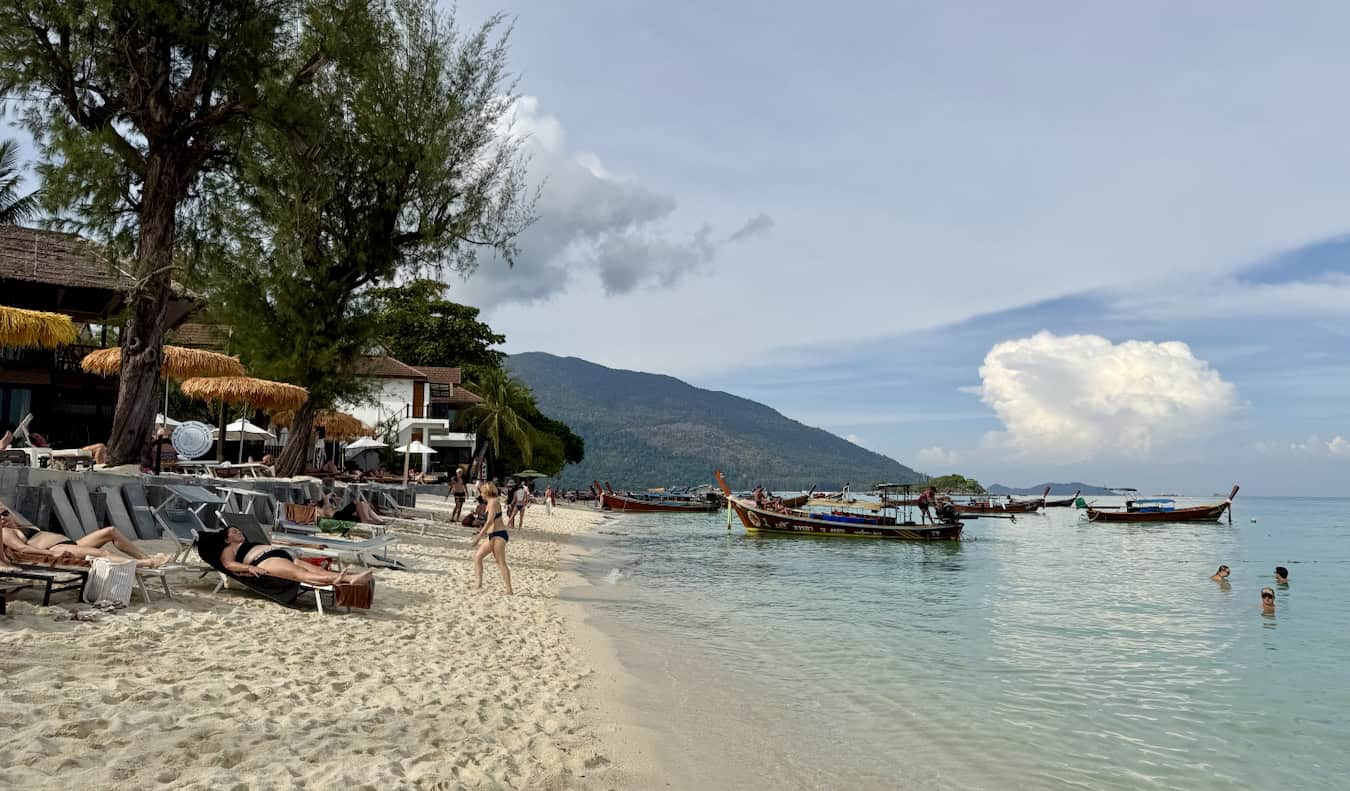
By the mid-2010s, the transition toward permanent infrastructure was in full swing. The dirt paths that defined the island’s interior were paved over with concrete to accommodate motorbikes and construction vehicles. The introduction of 24-hour electricity via the mainland or more robust local grids facilitated the construction of luxury resorts. What was once a month-long destination for "slow travelers" has been repositioned as a high-turnover hub for short-term vacationers, fundamentally altering the island’s social and environmental fabric.
Environmental Degradation and Infrastructure Strain
The most visible impact of Ko Lipe’s overdevelopment is the decline of its marine and terrestrial ecosystems. Despite being surrounded by the Tarutao National Marine Park, the island’s internal development has largely escaped the stringent environmental regulations often associated with protected areas.
One of the most critical issues is the lack of a natural freshwater supply. To meet the demands of high-end resorts—many of which feature private swimming pools—the island must rely on energy-intensive desalination or the transport of water from the mainland. This consumption is viewed by environmentalists as inherently unsustainable for an island of Ko Lipe’s size. Furthermore, the increase in permanent structures has led to a loss of natural drainage, increasing the risk of erosion and localized flooding during the rainy season.
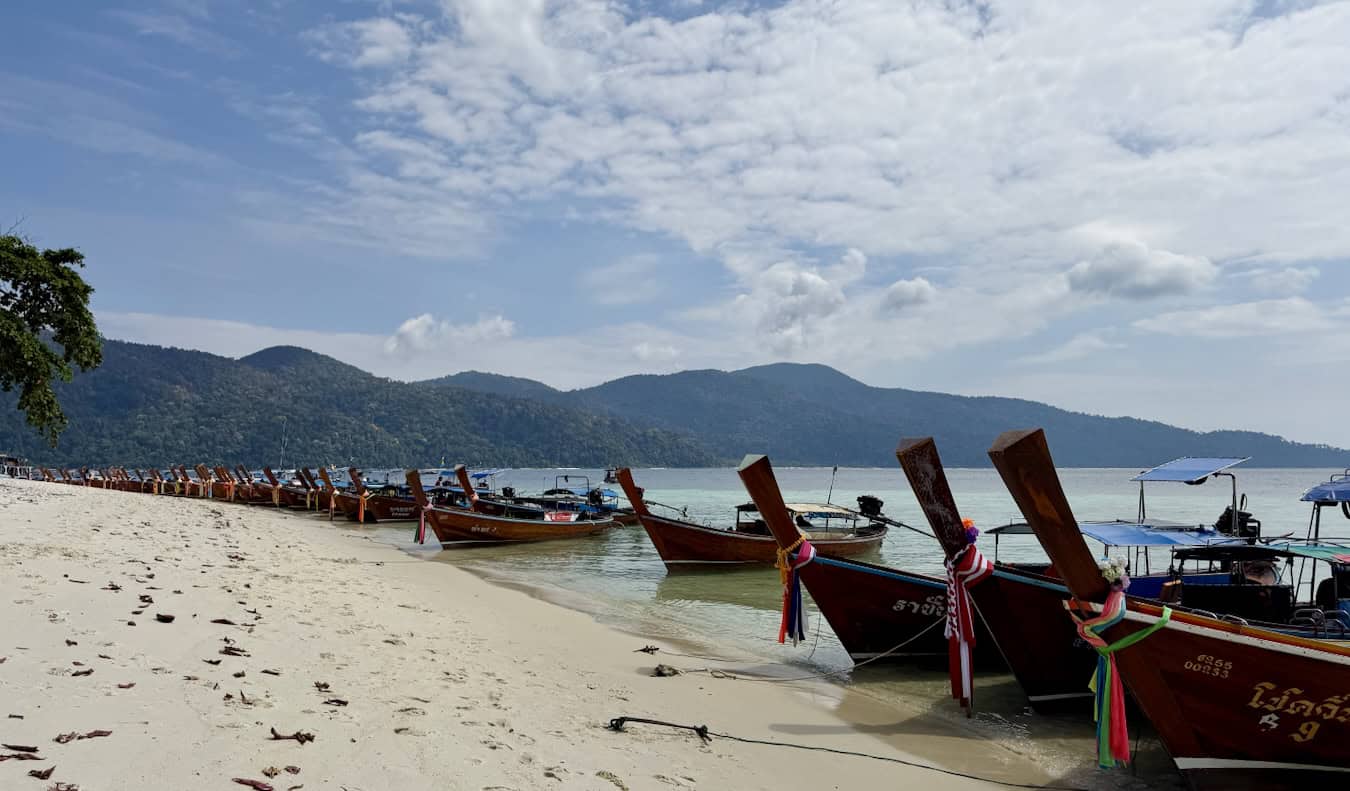
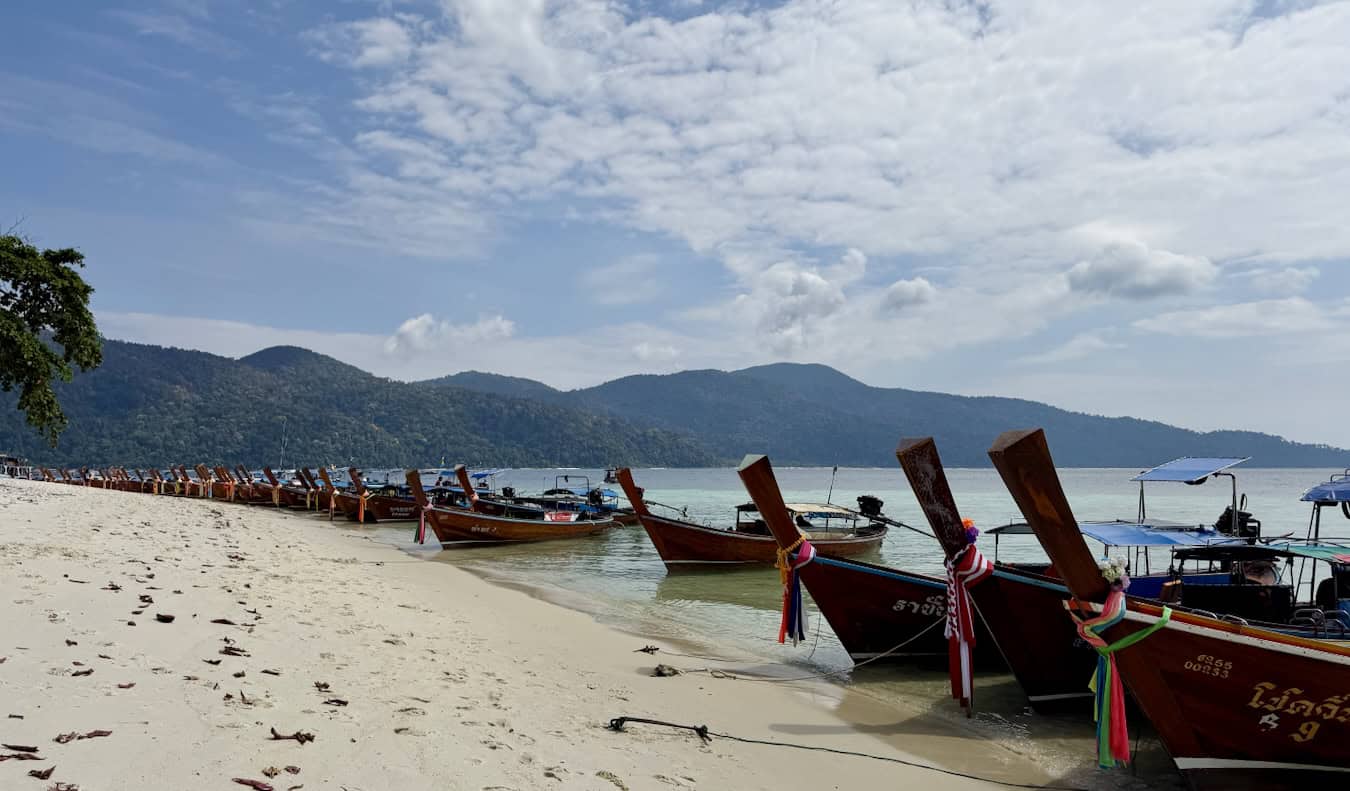
The marine environment has suffered a parallel decline. The sheer volume of longtail boat traffic, necessary to transport thousands of tourists and supplies daily, has had a documented effect on the surrounding coral reefs. Anchors, propeller damage, and the constant discharge of fuel and oil have created a visible film on the water’s surface in high-traffic areas. Marine biologists have noted that the coral health in the immediate vicinity of Ko Lipe is deteriorating due to rising water temperatures—exacerbated by global climate change—and localized pollution from untreated or poorly treated sewage runoff.
Socioeconomic Displacement and the Urak Lawoi
The human cost of Ko Lipe’s tourism boom is centered on the Urak Lawoi, the indigenous "Sea Gypsies" who have inhabited the island for generations. Historically, the Urak Lawoi held communal land rights, but the lack of formal legal titles made them vulnerable to land grabs as property values skyrocketed.
As tourism became the dominant economic force, many locals were pressured or incentivized to sell their ancestral land to developers from the Thai mainland or international investment groups. This has resulted in a significant shift in the island’s demographic and economic structure. Much of the current workforce on Ko Lipe consists of seasonal laborers from other parts of Thailand or neighboring countries, while the original inhabitants have often been marginalized, moved to the island’s interior, or forced to leave entirely.
Observers note that while the "boom" has brought significant capital to the island, the distribution of that wealth remains highly unequal. The high-end resorts and western-style restaurants that now dominate the landscape are largely owned by outside entities, meaning that a substantial portion of the revenue generated on Ko Lipe does not remain within the local community.
The ‘Ko Phi Phi Model’ of Tourism Development
Analysts frequently compare the current state of Ko Lipe to Ko Phi Phi, another Thai island that became a victim of its own success. The "Ko Phi Phi model" is characterized by unregulated building, overcrowding, and a failure to implement carrying-capacity limits until an environmental crisis occurs.
In the case of Maya Bay on Ko Phi Phi Leh, the damage became so severe that the Thai government was forced to close the area to tourists for several years to allow the ecosystem to begin a slow recovery. Critics of the current management of Ko Lipe argue that the island is following the same path. The focus on "build, build, build" to accommodate increasing visitor numbers has led to a homogenization of the tourist experience. The unique Thai hospitality and local culinary traditions are increasingly replaced by standardized "Western" food and luxury amenities that could be found in any global resort destination.
While first-time visitors may still find the island’s scenery "postcard-perfect," those with a long-term perspective see the loss of the island’s soul. The azure waters and white sands remain, but the ecological and cultural foundation that made Ko Lipe a world-class destination is under severe threat.
Broader Impact and Implications for the Region
The situation on Ko Lipe serves as a warning for other emerging destinations in Southeast Asia. The tension between economic development and environmental preservation is a recurring theme in the region, but Ko Lipe represents an extreme example of how quickly a "paradise" can be compromised.
There are, however, alternative models within Thailand. Islands such as Ko Lanta, Ko Jum, and Ko Mook have managed to maintain a more balanced approach to growth. These islands have generally avoided the high-density, concrete-heavy development seen on Ko Lipe, opting instead for smaller-scale tourism that respects the local environment and community structures.
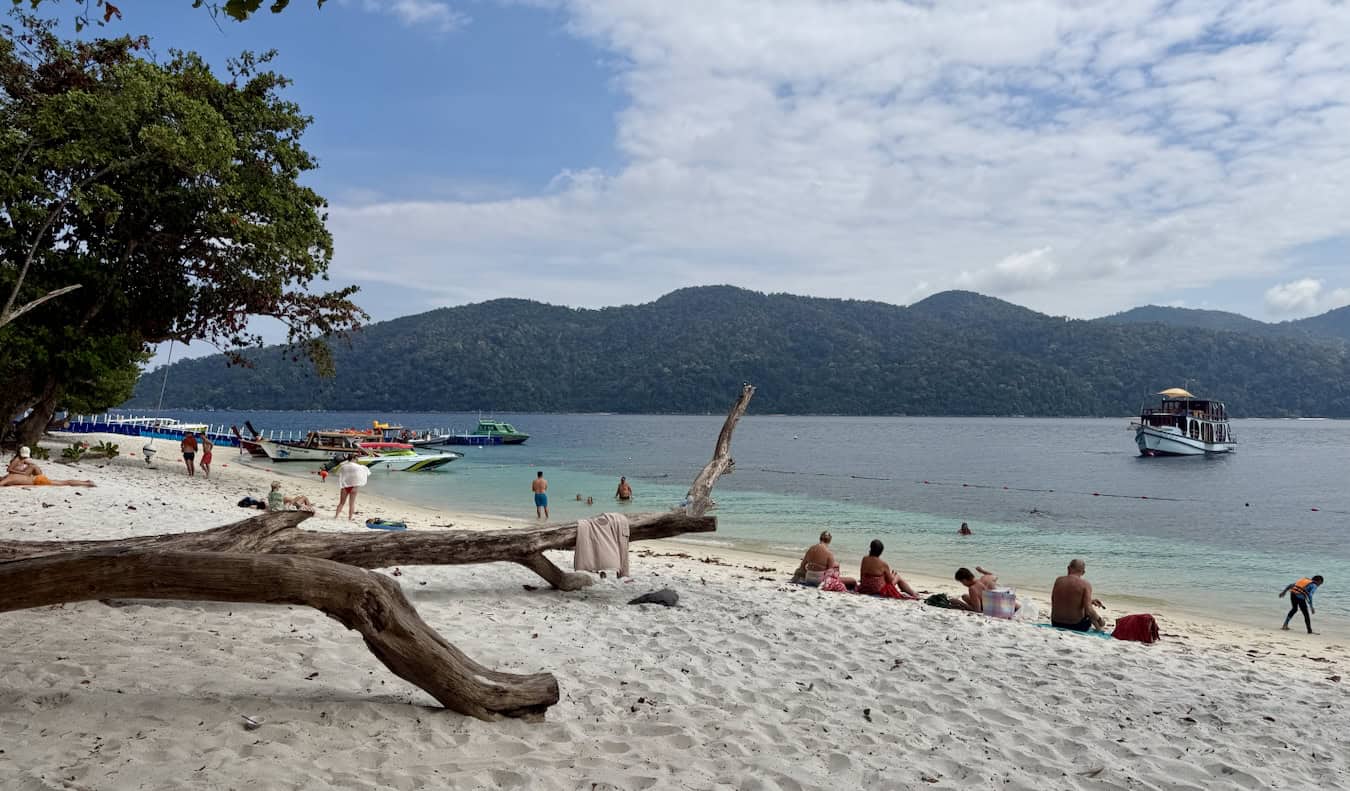
The role of the consumer is also increasingly highlighted as a factor in the island’s future. Just as public pressure led to the decline of unethical practices like elephant trekking, a shift in traveler preferences toward sustainably managed destinations could force a change in how islands like Ko Lipe are developed. Environmental advocates argue that travelers should exercise "conscious tourism" by choosing destinations that have proven records of environmental stewardship.
Conclusion: A Call for Sustainable Management
The transformation of Ko Lipe from a sleepy backpacker haven to an overdeveloped tourism hub is a testament to the power of global travel trends and the risks of unmanaged growth. For Ko Lipe to survive as a viable destination in the long term, experts suggest that a radical shift in management is required. This would include:
- Strict Carrying-Capacity Limits: Implementing a cap on the number of daily visitors to reduce the strain on water, waste management, and coral reefs.
- Infrastructure Regulation: Halting the construction of new resorts, particularly those with high environmental footprints like luxury pools, and focusing on upgrading existing waste treatment facilities.
- Marine Protection Zones: Creating more robust "no-anchor" zones and limiting boat traffic in sensitive coral areas.
- Local Empowerment: Providing legal and economic support to the Urak Lawoi community to ensure they are stakeholders in the island’s future, rather than victims of its growth.
Without such interventions, Ko Lipe may join the list of global destinations that have been "loved to death." The current trajectory suggests that the very features that draw tourists to the island are being eroded by the infrastructure built to house them. For the global travel community, Ko Lipe remains a poignant reminder that paradise, once lost to concrete and pollution, is incredibly difficult to reclaim.


 Chandra Hamzah
 Gabriela Annisa
 Tatiana Tantri Indah Sari
 Hendra Ismail
 Walid Sujud Trenggono
 Budi Mulyono