
 Susilo Edi Turonggo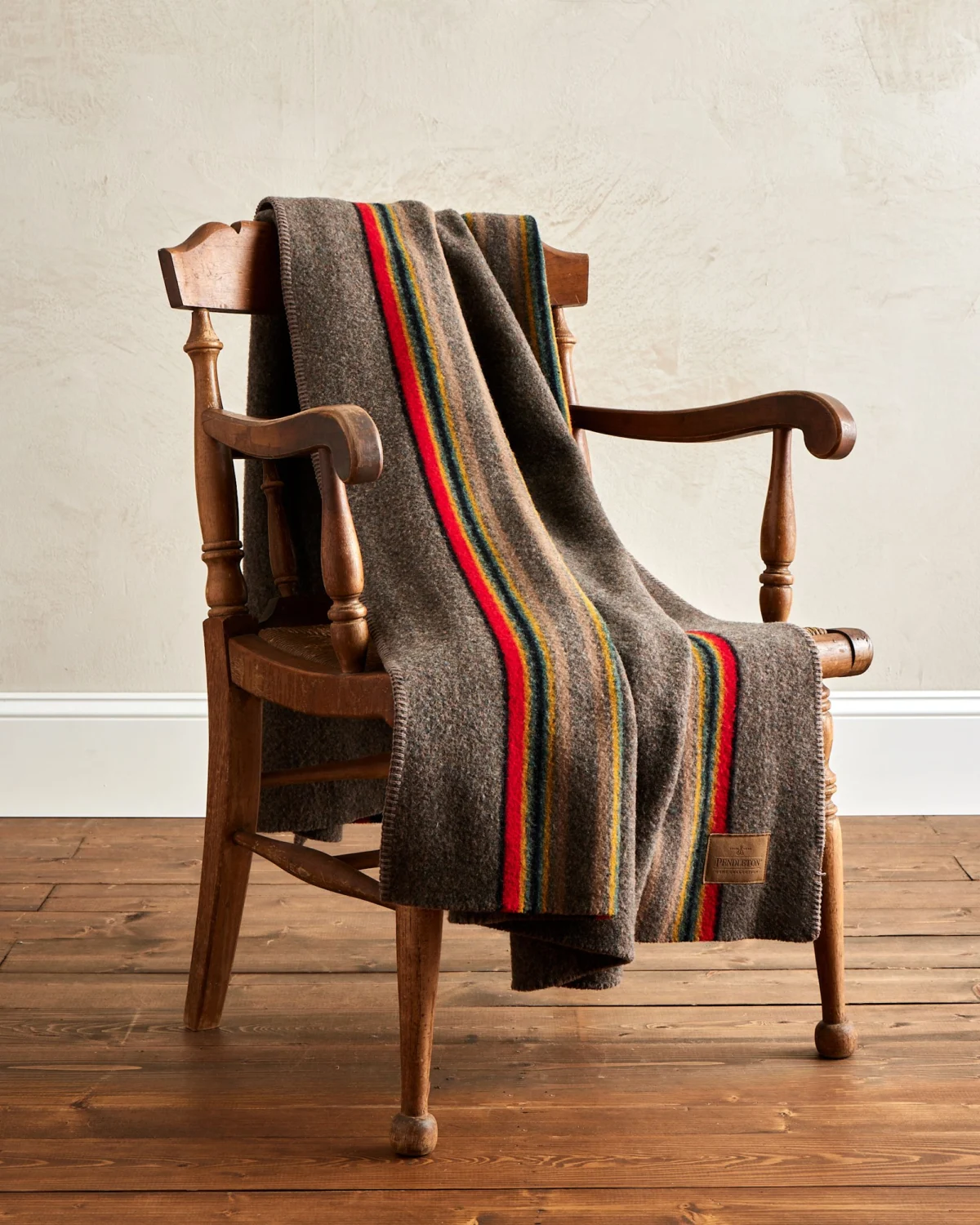
Image by Coyuchi. This post contains some affiliate links, which means if you make a purchase, EcoCult receives a small percentage of the sale price.
The selection of home textiles, particularly blankets, has evolved beyond mere aesthetic and warmth considerations to encompass a growing focus on ethical sourcing, environmental impact, and consumer health. Once primarily a functional item, a blanket now represents a significant point of interaction with the global supply chain, influencing everything from agricultural practices to labor conditions and chemical usage. The burgeoning market for sustainable and ethically produced blankets reflects a broader societal shift towards conscious consumerism, where purchasing decisions are increasingly guided by values concerning ecological stewardship and social responsibility. This shift is particularly evident as consumers seek durable, high-quality items that align with principles of sustainability, moving away from the transient nature of fast fashion and disposable goods.
The Rise of Conscious Comfort: An Industry Overview
The global textile industry, valued at over $1 trillion, has long faced scrutiny for its environmental footprint and social practices. Conventional textile production is a major contributor to water pollution, greenhouse gas emissions, and waste generation. For instance, cotton cultivation, if not organic, can be highly water-intensive and reliant on pesticides. The dyeing and finishing processes often involve hazardous chemicals, posing risks to workers, local ecosystems, and ultimately, the end-user. As awareness of these issues has grown, a segment of the market has responded by prioritizing materials and production methods that mitigate these negative impacts.
The demand for sustainable home goods has seen a steady increase, with market research indicating a significant compound annual growth rate for eco-friendly textiles. This growth is driven by consumers who are not only seeking comfort and style but also transparency regarding product origins and manufacturing processes. These consumers are often willing to invest more in products that promise longevity, health benefits, and a verifiable ethical pedigree. The blanket, as a staple of home comfort and a frequent gift item, naturally falls under this expanding category of conscientious purchasing.
Defining Sustainability and Ethics in Textile Production
Identifying truly sustainable and ethical blankets requires a nuanced understanding of several key factors, ranging from raw material cultivation to the final stages of manufacturing and distribution.
Material Integrity and Environmental Footprint
The choice of raw material is foundational to a blanket’s sustainability profile. Synthetic fibers, such as polyester and acrylic, are derived from petrochemicals, a non-renewable resource, and contribute to microplastic pollution when washed. Their production is energy-intensive and often involves chemical processes with significant environmental externalities. In contrast, natural fibers, especially those grown organically or through regenerative agriculture, offer a more environmentally benign alternative.
- Organic Cotton: Cultivated without synthetic pesticides, herbicides, or genetically modified organisms (GMOs). This significantly reduces water pollution, soil degradation, and exposure risks for farmers. Certifications like the Global Organic Textile Standard (GOTS) provide stringent criteria for the entire processing chain, ensuring ecological and social standards.
- Alpaca and Merino Wool: These fibers are celebrated for their natural warmth, softness, and durability. Alpaca wool, particularly, is known for being hypoallergenic and inherently flame-resistant. Merino wool offers excellent temperature regulation and moisture-wicking properties. Both are renewable resources, and responsible sourcing practices prioritize animal welfare and land management, often guided by certifications that ensure ethical shearing and grazing. Wool’s natural anti-odor properties also mean less frequent washing, conserving water and energy over its lifespan.
- Linen: Derived from the flax plant, linen is a highly sustainable fiber. Flax requires minimal water and pesticides to grow and is naturally resilient. Its cultivation often supports biodiversity and can thrive in diverse climates. Linen is also biodegradable, offering an end-of-life advantage over synthetics.
- Tencel (Lyocell): A brand name for lyocell, a cellulosic fiber made from sustainably sourced wood pulp, typically eucalyptus. Tencel production uses a closed-loop solvent spinning process, which recycles up to 99% of the water and solvents, minimizing waste and environmental impact. It is known for its softness, breathability, and durability.
- Hemp: An exceptionally sustainable crop, hemp requires very little water, no pesticides, and enriches the soil it grows in. It grows rapidly and can be harvested multiple times a year. Hemp fibers are strong, durable, and naturally resistant to mold and mildew, making them an excellent choice for long-lasting textiles.
The increasing availability of these fibers, often combined with innovative textile technologies, provides consumers with a diverse range of sustainable options that do not compromise on comfort or performance.
Skin-Safe Materials and Dyes
Beyond environmental concerns, the chemicals used in textile processing pose direct health risks. A common issue arises with synthetic textiles, which are frequently dyed with azo-benzene disperse dyes. These dyes have been identified as immuno-sensitizing agents, capable of causing skin reactions upon prolonged contact. Furthermore, these substances can leach from textiles into household dust, becoming airborne or ingested, particularly by children.
To safeguard against such hazards, certifications from organizations like Oeko-Tex and bluesign are crucial.
- Oeko-Tex Standard 100: This globally recognized certification ensures that textiles and textile products are tested for harmful substances. It sets limits for a wide range of chemicals, including heavy metals, pesticides, and allergenic dyes, guaranteeing that the finished product is safe for human contact.
- bluesign® system: This system aims to eliminate harmful substances from the very beginning of the manufacturing process, setting strict standards for environmentally friendly and safe production. It focuses on resource productivity, consumer safety, water and air emissions, and occupational health and safety. Products with bluesign certification offer a comprehensive assurance of responsible manufacturing.
The emphasis on non-toxic, natural, or low-impact dyes, alongside finishes free from harmful chemicals, is paramount for consumer health, especially for items like blankets that are in close contact with the body.
Durability and Timeless Style: A Circular Economy Approach
In an era of disposable goods, durability and timeless design contribute significantly to sustainability. A well-made blanket, designed to last for years, reduces the need for frequent replacement, thereby lessening consumption and waste. Brands committed to longevity often invest in high-quality craftsmanship and materials that withstand repeated use and washing. For instance, wool blankets, due to their natural resilience and anti-odor properties, require less frequent cleaning than synthetic alternatives, further extending their lifespan and reducing resource consumption.
Furthermore, a focus on timeless aesthetic appeals means that blankets remain relevant and cherished possessions, resisting the cyclical trends of fashion. This approach supports a circular economy model, where products are designed for durability, repair, and eventual recycling or biodegradation, minimizing their overall environmental impact. Consumers are encouraged to view blankets not as temporary purchases but as long-term investments in home comfort and sustainability.
Traceable and Ethical Supply Chains
The ethical dimension of textile production addresses the social impact on workers and communities involved in the supply chain. Issues such as child labor, forced labor, unsafe working conditions, and inadequate wages are prevalent in many parts of the global textile industry. An ethical supply chain ensures fair wages, safe working environments, and respect for human rights at every stage, from fiber cultivation to weaving and finishing.
- Artisan Craftsmanship: Many sustainable brands partner directly with artisan communities, often preserving traditional weaving and crafting techniques. This not only supports cultural heritage but also provides fair income opportunities for skilled artisans. Transparency in these relationships is key, with some brands even detailing the specific artisans or cooperatives involved in each product.
- Certifications: Organizations like Fair Trade USA and the World Fair Trade Organization (WFTO) play a vital role in verifying ethical practices.
- Fair Trade USA: Certifies products that meet rigorous social, environmental, and economic standards, ensuring fair wages, safe conditions, and community development funds for workers in agricultural and manufacturing sectors.
- World Fair Trade Organization (WFTO): A global community of Fair Trade enterprises that fully practice Fair Trade principles across their supply chains. WFTO certification applies to organizations as a whole, rather than individual products, signifying a deep commitment to ethical trade.
Brands that prioritize traceability can provide detailed information about their supply chain, offering consumers confidence that their purchase supports equitable labor practices and responsible production.
Leading Brands in Sustainable and Ethical Blankets
A growing number of brands are integrating these principles into their core business models, offering consumers a range of options that combine comfort, style, and conscience.
1. Pendleton
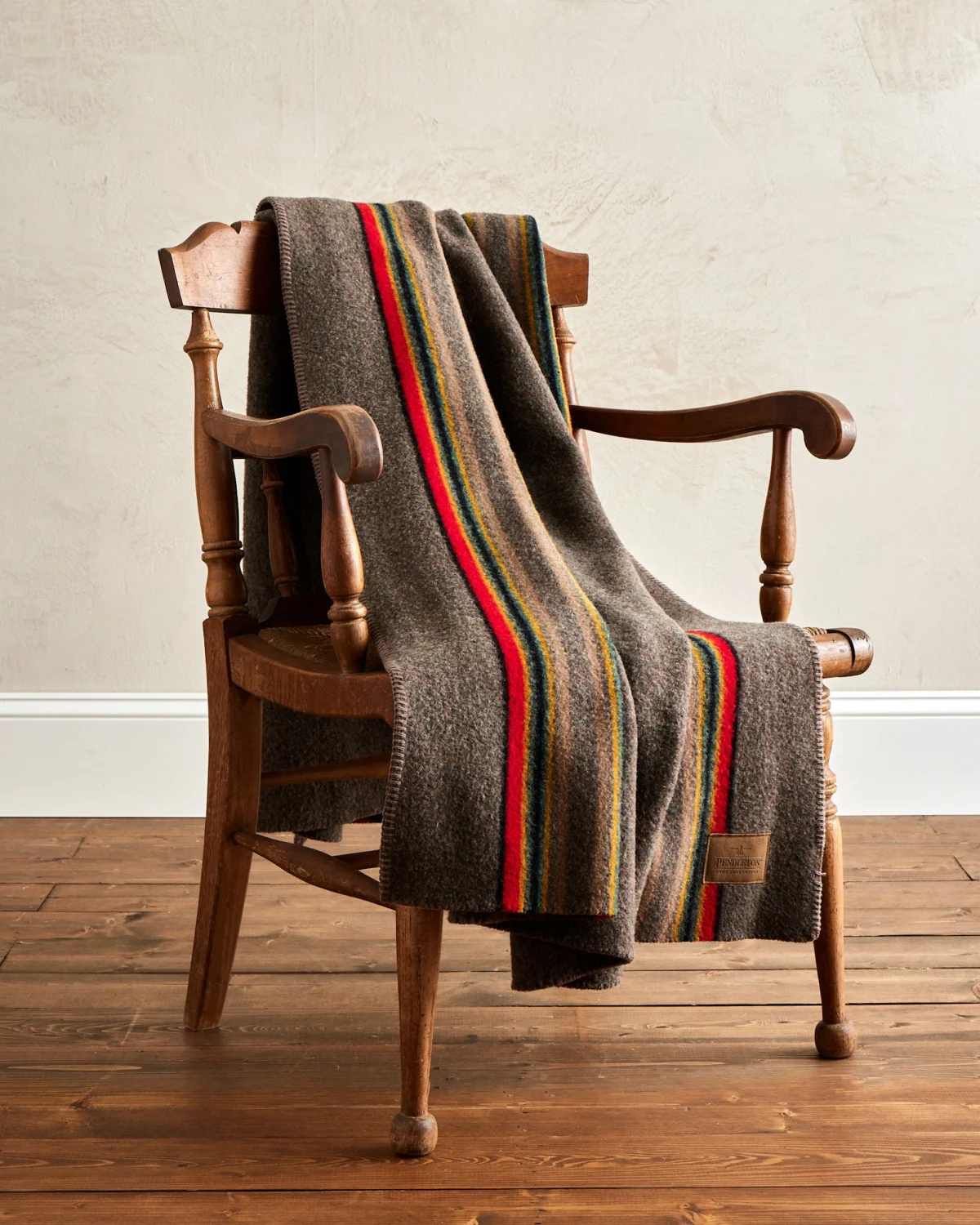
Pendleton, an American heritage brand established in 1909, exemplifies longevity and deep-rooted commitment to quality. Operating two of the remaining woolen mills in the U.S., Pendleton oversees a vertically integrated production process—from scouring and dyeing to spinning, weaving, and hand-finishing wool and cotton for its Oeko-Tex-certified blankets. The brand is renowned for its enduring relationships with local wool farmers and indigenous artists, whose iconic patterns are intricately woven on looms, honoring cultural heritage while providing economic support. Their century-long history underscores a commitment to durable, classic designs.
Price Range: $60-$529
Available in: The U.S.
2. Minna
Minna, a certified B Corp and queer-led business based in Upstate New York, stands out for its abstract patterns and minimalist designs. Their blankets are handcrafted in small batches using alpaca, Oeko-Tex-certified cotton, and merino wool. Minna’s dedication to ethical sourcing is evident in its strong relationships with artisan partners across Central and South America, with each product page transparently listing the artisans responsible for its creation. This direct connection ensures fair compensation and sustainable practices.
Price Range: $165-$398
Available in: Most countries.
3. April Notes
April Notes focuses on earth-friendly home linens, offering blankets made from linen, cotton, and merino wool. These textiles are certified free of harmful chemicals and synthetic dyes, emphasizing natural breathability and hypoallergenic properties. To minimize textile waste and overproduction, the brand operates on a made-on-demand model. Their collaboration with a boutique atelier in Lithuania ensures meticulous craftsmanship, fair wages, and safe working conditions for artisans.
Price Range: $149-$180
Available in: The U.S., Canada, the U.K., Australia, New Zealand, Mexico, Norway, Switzerland, Gibraltar, and all European Union countries.
4. Avocado
Avocado, a Los Angeles-based certified B Corp, is recognized for its commitment to organic and sustainable bedroom products. Their throw blankets feature Oeko-Tex-certified organic cotton, alpaca wool, cashmere, merino wool, and recycled cotton. Notably, the alpaca wool throws utilize naturally occurring colors, eliminating the need for dyes, while other blankets are made with azo-free dyes. Avocado sources its wool from Northern India and maintains a regularly audited supply chain, ensuring ethical and environmental compliance.
Price Range: $39-$349
Available in: The U.S.
5. Coyuchi
Coyuchi is dedicated to creating high-quality home goods with minimal environmental impact. Their blankets are crafted from organic cotton and wool sourced from India, and are woven in Fair Trade-certified factories located in Turkey, Portugal, and Germany. This commitment to Fair Trade principles ensures ethical labor practices. Coyuchi also provides a comprehensive blanket guide, assisting customers in selecting the ideal product tailored to their specific needs and preferences.
Price Range: $58-$478
Available in: The U.S.
6. Savvy Rest
Savvy Rest, another certified B Corp in the bedding sector, offers organic cotton dye-free blankets in a wide range of sizes, from throw to king. A key differentiator for Savvy Rest is its localized production, with cotton grown and woven into blankets entirely within the United States. This domestic supply chain minimizes transportation emissions and supports local economies, offering a highly transparent and environmentally conscious option.
Price Range: $89-$198
Available in: The United States.
7. Under the Canopy
Under the Canopy produces blankets with Oeko-Tex-certified low-impact dyes in India, Pakistan, Turkey, and China. The brand utilizes merino wool from Argentina and organic cotton from Turkey, focusing on intentional designs that are built for durability. Their global sourcing strategy is balanced by a commitment to certified processes and sustainable material choices, aiming to create long-lasting textiles.
Price Range: $178-$212
Available in: The U.S.
8. Boll & Branch
Boll & Branch, a Fair Trade Certified bedding company, prioritizes non-toxic processes in the creation of its soft and safe blankets. Their throws are made by skilled artisans in India, Turkey, and Pakistan using traceable, Oeko-Tex-certified organic cotton and alpaca. The brand’s Fair Trade certification underscores its commitment to ethical labor practices and environmental stewardship throughout its global supply chain.
Price Range: $149-$699
Available in: The U.S. and Canada.
9. Bearaby
Bearaby specializes in weighted blankets designed to aid sleep and reduce anxiety, but also offers comfortable and lightweight throws. Their products incorporate Tencel from Austria, organic cotton from India, and Oeko-Tex-certified recycled polyester. Bearaby’s innovative use of materials allows for blankets in various weights and sizes, catering to diverse consumer needs while maintaining a focus on sustainable fibers where possible. Consumers sensitive to synthetics should note the inclusion of recycled polyester in some products.
Price Range: $149-$309
Available in: The U.S.
10. Cold Picnic
Cold Picnic transforms home goods into artistic pieces, utilizing domestically-sourced, Oeko-Tex-certified recycled cotton for its blankets. Designed in Brooklyn and produced in small batches by a family-owned company in the U.S., these blankets blend artistic vision with local production. Their quilts are handmade by artisans in India, supporting traditional craftsmanship. It is important for consumers to verify material details, as some blankets may contain polyester.
Price Range: $130-$560
Available in: Worldwide.
11. Parachute
Parachute, a direct-to-consumer brand, is known for its quality and durable home goods with a timeless modern design. Their blankets are crafted from Oeko-Tex-certified materials, including cotton, alpaca wool, and linen. Parachute collaborates with Fair Trade manufacturers in Portugal and Turkey, ensuring an ethical supply chain. As with some other brands, a small percentage of polyester may be present in certain blankets, warranting a check of material details for those with synthetic sensitivities.
Price Range: $99–$289
Available in: The U.S. and Canada.
12. The Citizenry
The Citizenry is a Fair Trade brand offering warm and lightweight blankets, quilts, and throws. They use ethically sourced, Oeko-Tex-certified materials such as alpaca wool, mohair, linen, and cotton. The brand maintains exceptional transparency, listing all its international partners and specifying where each blanket was handwoven and loomed on its product pages. While committed to natural fibers, some blankets may include a minimal amount of polyester; consumers are advised to review the material composition.
Price Range: $189-$299
Available in: The U.S. and Canada.
13. Made Trade
Made Trade functions as an online marketplace that rigorously vets every product for sustainability and transparency. It empowers consumers to shop by their values, allowing searches for blankets that are USA Made, handcrafted, or Fair Trade. Users can also filter by preferred materials, including cotton, recycled polyester, hemp, linen, and merino and alpaca wool. While offering a wide range, the platform encourages the use of its filter settings to specifically avoid synthetics if desired.
Price Range: $40-$719
Available in: The U.S., Australia, Canada, the U.K., most European and Asian countries.
Broader Impact and Future Implications
The growing availability and consumer preference for sustainable and ethical blankets signify a positive trajectory for the home goods industry. This movement contributes to several broader impacts:
- Environmental Preservation: By favoring organic, recycled, and naturally renewable fibers, and non-toxic dyes, the industry reduces its ecological footprint, conserving water, minimizing chemical pollution, and mitigating waste.
- Social Equity: Fair Trade practices and artisan partnerships uplift communities, provide living wages, and foster safe working conditions, addressing historical injustices within global supply chains.
- Consumer Health: The focus on Oeko-Tex and bluesign certified products ensures that blankets are free from harmful chemicals, promoting healthier living environments for families.
- Economic Resilience: Investing in durable, timeless pieces supports a more circular economy, reducing reliance on fast consumption cycles and fostering economic resilience for brands and artisans committed to quality.
As consumer awareness continues to rise, the demand for transparency and accountability from brands will only intensify. This pressure will likely drive further innovation in sustainable materials, cleaner production technologies, and more robust ethical certifications, shaping a future where comfort and consciousness are inextricably linked in the pursuit of a better home and a better planet.



 Anjar Salim
 Chandra Hamzah
 Tatiana Tantri Indah Sari
 Budi Mulyono
 Lukman Taruna Persada Ramadan
