
 Anjar Salim
In the annals of ultra-endurance athletics, the year 2023 is increasingly viewed as a watershed moment, marking the point where the perceived boundaries of human recovery and mental fortitude were fundamentally recalibrated. At the center of this shift was Courtney Dauwalter, an elite American ultrarunner who achieved what many physiologists and sports analysts previously deemed a physical impossibility: winning the "Triple Crown" of ultrarunning in a single season. This feat required securing first-place finishes at the Western States 100-Mile Endurance Run, the Hardrock 100, and the Ultra-Trail du Mont-Blanc (UTMB) within a window of just ten weeks.
Dauwalter’s dominance during this period—marked by course records and staggering margins of victory—has prompted a broader investigation into the psychological underpinnings of elite performance. While the sports world has historically romanticized the "angry" competitor driven by perceived slights or external validation, Dauwalter’s success suggests a different paradigm. Her methodology, rooted in what psychologists term "harmonious passion" and a relentless pursuit of joy, offers a blueprint for sustainable excellence that challenges the traditional "win-at-all-costs" mentality prevalent in high-stakes environments.
A Chronology of the 2023 Triple Crown
The journey toward the Triple Crown began in late June 2023 at the Western States 100 in California. Known for its blistering heat and fast, descent-heavy course, Western States is considered the oldest and most prestigious 100-mile trail race in the United States. Dauwalter did not merely win; she shattered the existing course record by more than 75 minutes, finishing in 15 hours, 29 minutes, and 33 seconds.
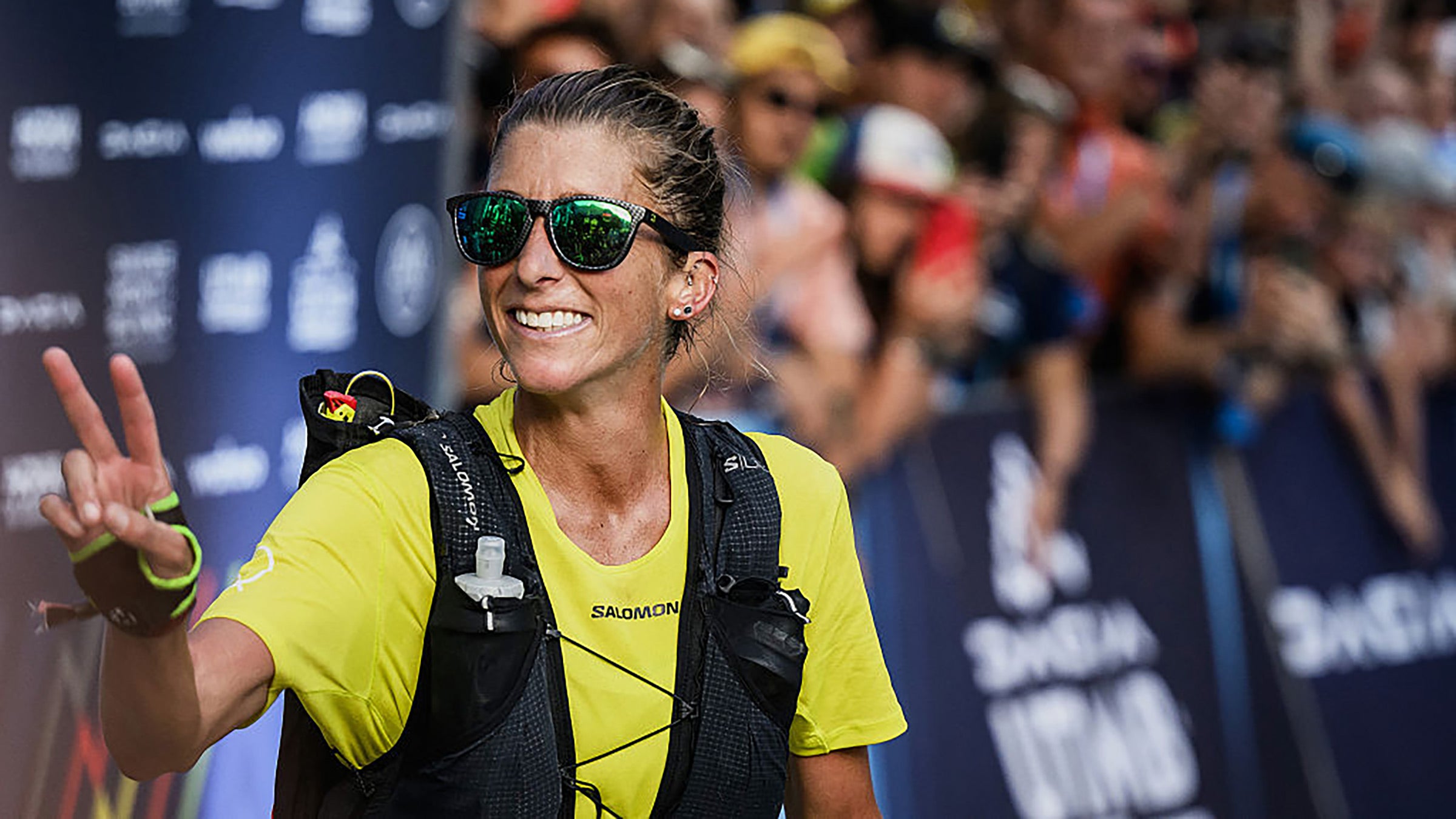
Just three weeks later, Dauwalter transitioned from the heat of the Western States canyons to the extreme altitudes of the San Juan Mountains in Colorado for the Hardrock 100. This race features over 33,000 feet of elevation gain and reaches peaks of 14,000 feet. Despite the short recovery window, she broke the course record at Hardrock, finishing in 26 hours, 14 minutes, and 8 seconds.
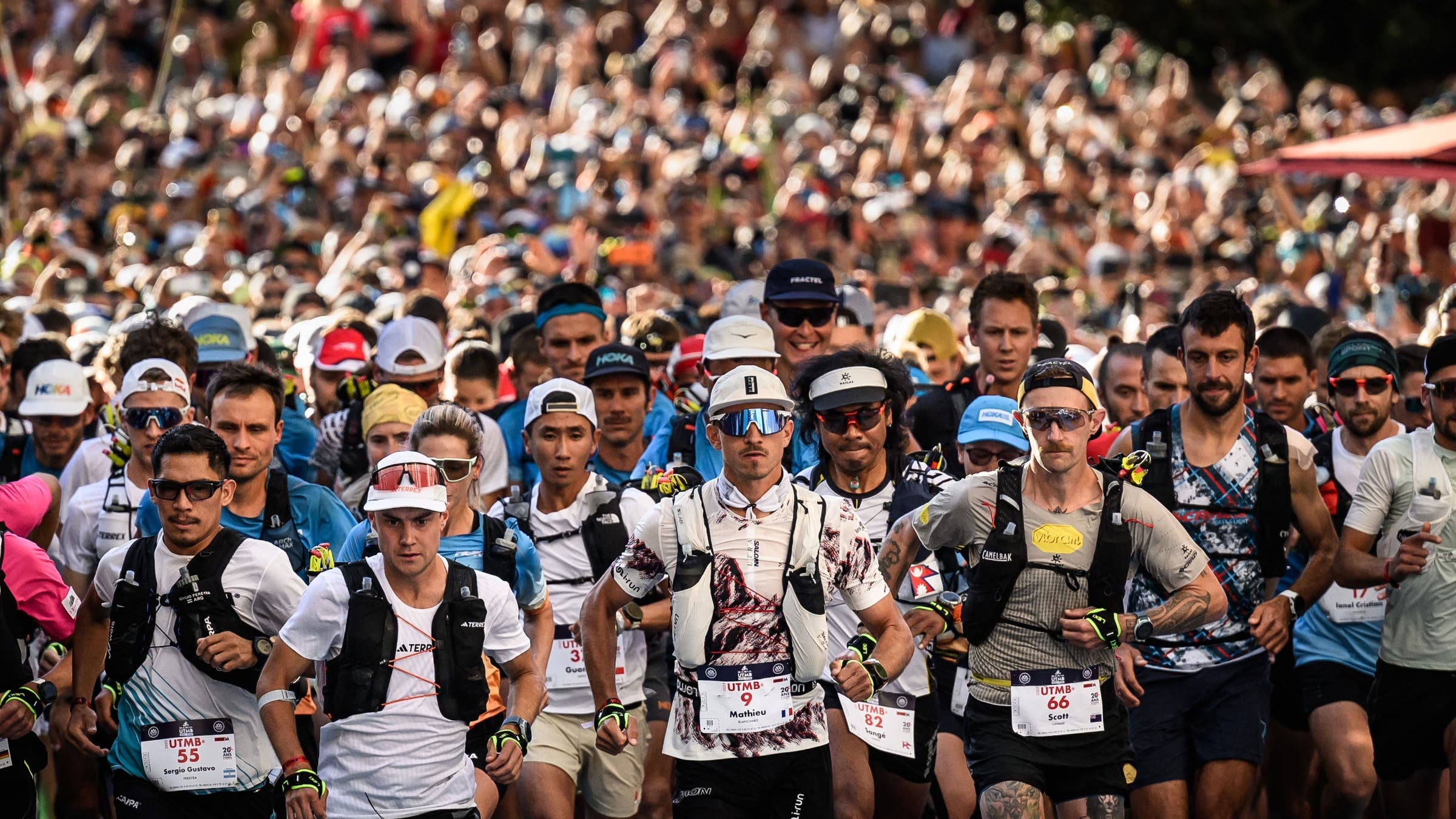
The final leg of the trifecta was the UTMB in Chamonix, France, held in late August. UTMB is widely regarded as the unofficial world championship of ultrarunning, attracting the deepest competitive field in the sport. The race circumnavigates the Mont Blanc massif, covering 106 miles with approximately 32,800 feet of vertical gain. Dauwalter’s decision to enter UTMB was made on a short-term basis, driven by her surprisingly rapid physiological recovery from the Colorado race. She completed the loop in 23 hours, 29 minutes, and 14 seconds, becoming the first person to sweep all three major titles in a single summer.
The Psychological Mechanics of Joy as a Performance Driver
Dauwalter’s approach to these grueling events is characterized by an unconventional emphasis on "joy" rather than the grit-and-grind narrative often associated with endurance sports. In interviews, including discussions on the Excellence, Actually podcast, Dauwalter has consistently maintained that joy is the "driver" of her performance. This internal orientation allows her to navigate what she calls the "pain cave"—the inevitable periods of extreme physical distress and mental fatigue that occur during a 100-mile race.
"Joy and intensity can coexist," Dauwalter noted, emphasizing that her positive outlook does not diminish her competitive drive but rather fuels it. This perspective aligns with psychological research into motivation. By viewing the suffering of a race as a voluntary and lucky opportunity to explore personal limits, Dauwalter effectively lowers the cortisol-driven stress response that can lead to premature burnout.
Supporting Data: Harmonious vs. Obsessive Passion
The distinction between Dauwalter’s approach and that of many other elite performers can be quantified through the lens of passion types. Research led by Robert J. Vallerand and subsequent studies in the field of positive psychology identify two primary forms of passion:
- Harmonious Passion: This occurs when an individual engages in an activity because they love the process itself. It is characterized by a sense of autonomy and a healthy integration of the activity into the person’s identity.
- Obsessive Passion: This is driven by external pressures, such as the need for social status, financial rewards, or the desire to prove critics wrong. It is often linked to rigid persistence and higher levels of anxiety.
Data indicates that while obsessive passion can lead to short-term success, it is frequently a precursor to "dirty fuel" consumption—a state where the athlete is motivated by resentment or fear of failure. Long-term studies on professional athletes show that those with high levels of obsessive passion are significantly more prone to burnout and emotional exhaustion. In contrast, harmonious passion, which mirrors Dauwalter’s "joy-first" philosophy, is associated with greater life satisfaction, better mental health, and sustained high performance over decades.
Comparative Analysis: The Jordan and Jackson Dynamic
The sports world often points to Michael Jordan as the archetype of the obsessive, "angry" competitor. Jordan famously used real or imagined slights to fuel his intensity on the basketball court. However, a factual analysis of the Chicago Bulls’ success in the 1990s reveals a necessary counterbalance to Jordan’s volatility: Head Coach Phil Jackson.
Jackson, a devotee of Zen philosophy, introduced concepts of mindfulness, shared joy, and process-oriented focus to the team. Analysts suggest that without Jackson’s influence to ground the team’s intensity in a more harmonious framework, the high-pressure environment might have led to internal collapse. Even within Jordan’s own performance, observers note involuntary expressions of joy—such as his habit of sticking out his tongue during dunks—which suggest that even the most intense competitors rely on a primal love for the game to reach peak flow states.

The Role of Awe and Savoring in High Performance
To maintain her perspective during the rigors of professional athletics, Dauwalter utilizes techniques that resonate with the findings of Dacher Keltner, a professor at the University of California, Berkeley. Keltner’s research into "awe" suggests that experiencing the vastness of nature or the beauty of a sunset can shift an individual from a self-obsessed, narrow state to an expansive, pro-social state. For an ultrarunner, this means the ability to look at a mountain range at 3:00 AM and feel gratitude rather than despair.
Furthermore, social psychologist Fred Bryant’s work on "savoring" highlights the importance of deliberately acknowledging and relishing positive experiences. Bryant argues that humans do not automatically maximize the benefits of "good things"; instead, they must consciously pause to process them. Dauwalter’s practice of reminding herself how "lucky" she is to be on the trail, even when physically depleted, serves as a form of active savoring that builds psychological resilience.
Broader Impact and the "Arrival Fallacy"
The implications of Dauwalter’s success extend beyond the trails and into the broader corporate and creative worlds. Many high achievers fall victim to the "arrival fallacy"—the belief that reaching a specific goal (a promotion, a championship, or a financial milestone) will bring lasting happiness. However, research shows that the satisfaction from such achievements is often fleeting, leading to a "treadmill" of constant, restless striving.
The shift toward a process-oriented mindset, as demonstrated by elite coaches like Steve Kerr and Dawn Staley, emphasizes that the outcome is a byproduct of the daily work. By focusing on the "shared moments and memories," as Dauwalter describes them, performers can avoid the trap of insecure striving. This shift is not merely a "soft" psychological benefit; it has tangible impacts on the bottom line. Organizations and athletes that prioritize harmonious passion report lower turnover rates, fewer ethical breaches, and higher levels of innovation.

Conclusion: Sustainability in the Modern Era
As the world of elite sports continues to evolve, the 2023 Triple Crown serves as a case study in the power of internal motivation. Courtney Dauwalter’s ability to win three of the world’s most difficult races in ten weeks was not just a triumph of physical conditioning, but a triumph of a specific mental architecture.
By keeping joy in the "driver’s seat," Dauwalter has demonstrated that the most effective fuel for high performance is not the "dirty fuel" of anger or external validation, but the clean, renewable energy of intrinsic love for the craft. For those in any field seeking to achieve greatness without sacrificing their long-term well-being, the lesson is clear: intensity is a tool, but joy is the foundation. As Dauwalter continues to compete, the running community and the scientific world alike will be watching to see how far this "joy-driven" car can go.




 Chandra Hamzah
 Tatiana Tantri Indah Sari
 Budi Mulyono
 Lukman Taruna Persada Ramadan