
 Chandra Hamzah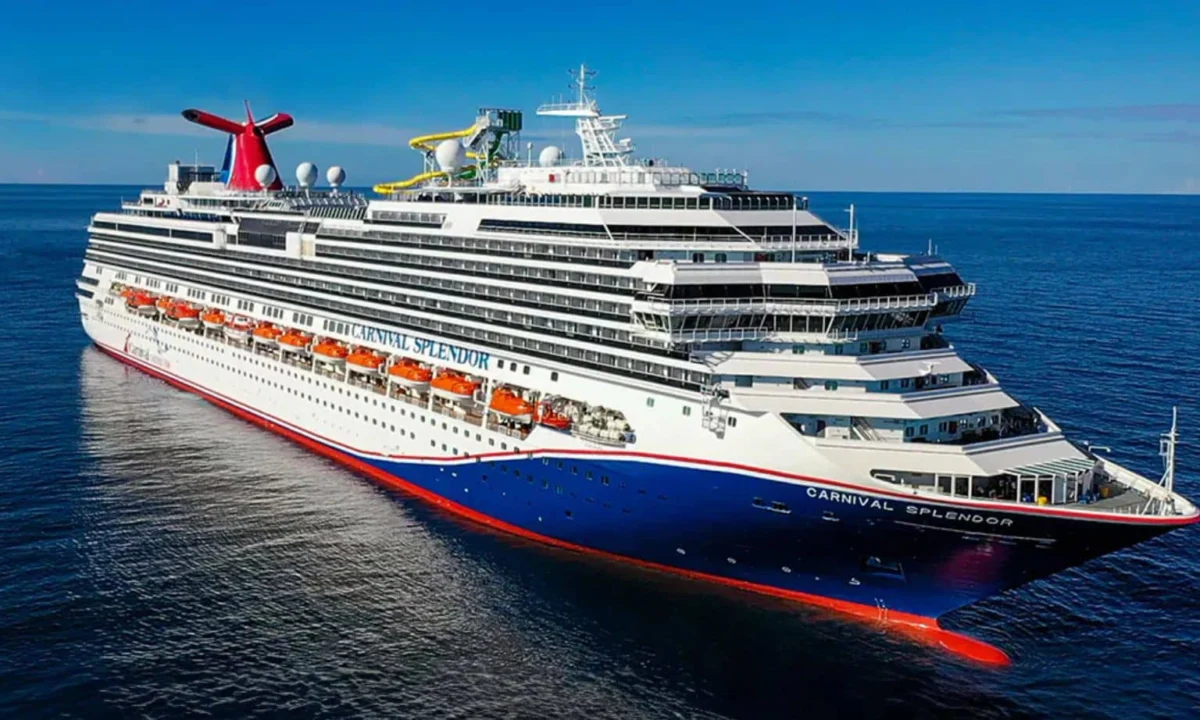
Passengers aboard the Carnival Splendor experienced an unexpected itinerary change on a recent four-day voyage when their sole scheduled port of call, Moreton Island, became inaccessible due to a critical shortage of marine pilots. The ship, which had planned to dock at the popular Queensland destination, was instead forced to remain at sea for the entirety of the scheduled day, transforming what was meant to be an island excursion into a "cruise to nowhere." This incident highlights the intricate logistical requirements of maritime travel and the potential vulnerabilities within specialized operational sectors.
The deviation from the planned itinerary was communicated to passengers via a formal letter from Carnival, explaining the necessity of a marine pilot for safe navigation into and out of Moreton Bay. The letter stated, "A marine pilot is required to be on board the ship as we enter and exit Moreton Bay to get to Moreton Island. Unfortunately, our pilotage provider has advised us that they will not be able to provide us with a pilot in time tomorrow, due to unexpected circumstances." While the official statement cited "unexpected circumstances," social media reports from passengers suggested the pilot was unwell, though this remains unconfirmed by the cruise line.
The Critical Role of Marine Pilots in Port Access
Marine pilots are highly specialized maritime professionals who possess extensive local knowledge of specific waterways, including their depths, currents, navigational hazards, and traffic patterns. Their expertise is crucial for the safe docking and departure of large vessels, especially in complex or sensitive environments like Moreton Bay. These pilots act as essential intermediaries between the ship’s command and local authorities, ensuring compliance with all safety regulations and environmental protocols. The requirement for a pilot is not arbitrary; it is a mandatory safety measure implemented by port authorities and maritime organizations to mitigate risks associated with large-scale commercial and passenger vessels entering confined or challenging waters.
Moreton Bay, situated off the coast of Queensland, Australia, is a significant waterway that serves the Port of Brisbane and provides access to popular tourist destinations like Moreton Island. The bay’s geographical features, including shifting sandbanks and variable weather conditions, necessitate expert guidance for vessels of the Carnival Splendor’s size and draft. Without a qualified marine pilot, the risk of grounding, collision, or other navigational incidents would be unacceptably high, prompting the decision to cancel the port visit.
Chronology of the Incident
The four-day cruise aboard the Carnival Splendor departed with Moreton Island designated as the sole port of call. Passengers were anticipating a day of exploring the island’s natural beauty, beaches, and recreational activities. However, as the ship approached the vicinity of Moreton Bay on the scheduled day of arrival, the captain and crew received notification from the contracted pilotage service.
Day of Scheduled Arrival:
- Morning/Afternoon: Carnival Splendor arrives in the vicinity of Moreton Bay.
- Notification: Carnival management receives notification from the pilotage provider that a marine pilot will not be available for the scheduled docking maneuver.
- Passenger Communication: A letter is distributed to passengers on board, informing them of the cancellation of the Moreton Island visit due to the unavailability of a marine pilot. The letter cites "unexpected circumstances" as the reason.
- Alternative Itinerary: With no port visit, passengers are advised that the day will be spent at sea, with onboard amenities and activities serving as the primary focus for entertainment.
- Compensation: Carnival announces that each cabin will receive $100 in onboard credit as compensation for the missed port.
Supporting Data and Industry Context
The incident involving the Carnival Splendor is not an isolated event in the cruise industry, though the specific cause—a pilot shortage—is a less common reason for itinerary changes compared to adverse weather. Cruise lines operate on intricate schedules, and any disruption can have cascading effects on passenger satisfaction, operational costs, and future bookings.
- Cruise Itinerary Reliability: While cruise lines strive for itinerary adherence, disruptions are an inherent risk. Factors such as mechanical issues, port congestion, security concerns, medical emergencies, and, as in this case, logistical challenges with essential services can lead to cancellations or rerouting.
- Pilot Shortages: While less frequent than weather-related cancellations, shortages of specialized personnel like marine pilots can occur. This can be due to factors such as illness, training schedules, or an overall insufficient pool of qualified professionals in certain regions. The Australian Maritime Safety Authority (AMSA) and state-based maritime safety bodies regulate pilotage services, ensuring a high standard of competency. However, the availability of pilots is often managed by private pilotage contractors who supply these services to shipping companies.
- Economic Impact of Missed Ports: A missed port of call represents a loss of potential revenue for local businesses that rely on cruise ship passenger spending. For passengers, it means the disappointment of not experiencing a planned destination. Compensation policies vary widely, with cruise lines often not offering compensation for disruptions caused by circumstances beyond their control, such as severe weather. However, the nature of this cancellation, attributed to a service failure, likely prompted Carnival’s decision to offer onboard credit.
Official Responses and Passenger Reactions
The official communication from Carnival aimed to manage passenger expectations and provide a tangible form of compensation. The letter clearly explained the operational necessity of a marine pilot, framing the cancellation as an unavoidable safety measure.
Passenger reactions, as observed on social media platforms, ranged from understanding to disappointment. Many acknowledged the importance of safety and the complexities of maritime operations. However, the lack of a concrete reason for the pilot’s unavailability, beyond "unexpected circumstances," led to some speculation. The reported reason of the pilot being sick, if true, highlights the human element and potential vulnerabilities within specialized workforce sectors.
Broader Impact and Future Implications
The cancellation of the Moreton Island port call for Carnival Splendor passengers serves as a reminder of the delicate balance involved in modern maritime logistics. While cruise lines invest heavily in ensuring seamless operations, external factors and specialized service dependencies can create vulnerabilities.
- Importance of Redundancy and Contingency Planning: This incident underscores the need for robust contingency planning by pilotage providers and cruise lines alike. Having backup arrangements or alternative pilotage sources can mitigate the impact of unforeseen events.
- Future of Moreton Island as a Cruise Destination: Moreton Island is a popular destination, and cruise lines have shown interest in its development as a cruise port. Carnival, in particular, has been developing plans for new beachside cabanas on the island, intended to offer guests private beach spaces. Such developments rely on the consistent and reliable accessibility of the island for cruise ships. A pattern of cancellations, regardless of the cause, could potentially impact future booking decisions or the viability of such investments.
- Passenger Expectations and Loyalty: While Carnival’s offer of onboard credit is a positive step towards customer satisfaction, the overall experience of a "cruise to nowhere" can affect passenger loyalty. Cruise lines continually strive to deliver on their promises, and itinerary disruptions, even when handled with compensation, can detract from the overall vacation experience.
In conclusion, the Carnival Splendor’s four-day cruise encountering an unforeseen itinerary change due to a marine pilot shortage at Moreton Island highlights a critical operational challenge. While the cruise line acted to inform passengers and offer compensation, the incident prompts a broader consideration of the logistical dependencies within the cruise industry and the importance of ensuring the availability of essential specialized services to maintain the integrity of planned voyages and the satisfaction of passengers. The long-term implications for Moreton Island as a cruise destination will depend on the cruise lines’ and pilotage providers’ ability to implement more resilient operational strategies to prevent future occurrences.



 Anjar Salim
 Tatiana Tantri Indah Sari
 Budi Mulyono
 Lukman Taruna Persada Ramadan
