Anjar Salim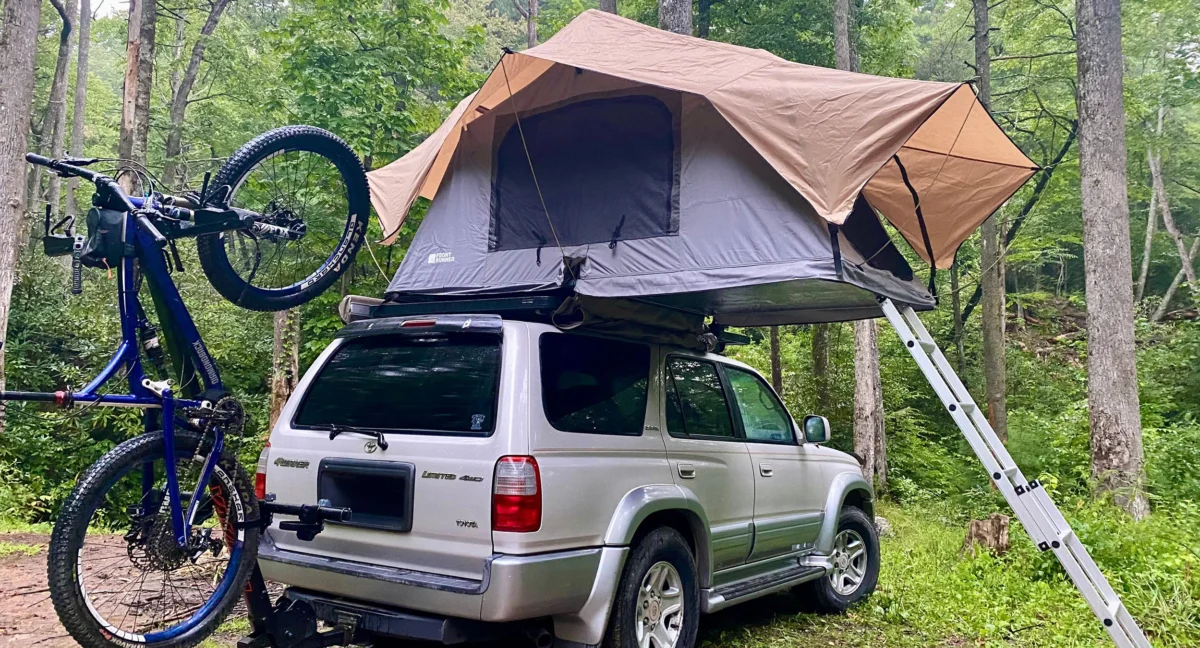
The global outdoor recreation market has undergone a significant transformation over the last decade, characterized by a shift toward "overlanding"—a style of self-reliant travel where the journey is the primary goal. Central to this movement is the rooftop tent (RTT), a specialized camping accessory that has transitioned from a niche requirement for African safaris and Australian outback expeditions to a mainstream staple of North American car camping. As of June 2026, the market for these elevated sleeping systems has bifurcated into two primary categories: hardshell and soft-shell designs. While the fundamental purpose of both systems is to provide an off-the-ground sleeping quarters, the technical specifications, aerodynamic profiles, and economic implications of each vary significantly.
The Historical Trajectory of Rooftop Camping
The concept of sleeping atop a vehicle is not a modern innovation, though its current popularity is unprecedented. The earliest recorded iterations of rooftop tents date back to the mid-20th century. In 1958, the Italian company Autohome introduced the first mass-produced hardshell rooftop tent, designed primarily for European travelers exploring rugged terrains. Concurrently, in regions such as South Africa and Australia, soft-shell folding tents were developed to protect adventurers from ground-dwelling predators and venomous insects, including lions, hyenas, and snakes.
Throughout the late 20th century, these systems remained largely confined to professional explorers and extreme off-road enthusiasts. However, the 2010s marked a pivot point as social media platforms began to glamorize the "van life" and "overlanding" aesthetics. By 2020, the disruption of traditional travel patterns led to a surge in domestic outdoor tourism, driving the demand for gear that streamlines the camping experience. By June 2026, major outdoor equipment manufacturers like Thule and Sylvan Sport have refined these designs to accommodate a broader demographic, ranging from hardcore off-roaders to weekend campers visiting state parks.
Technical Analysis of Hardshell Systems
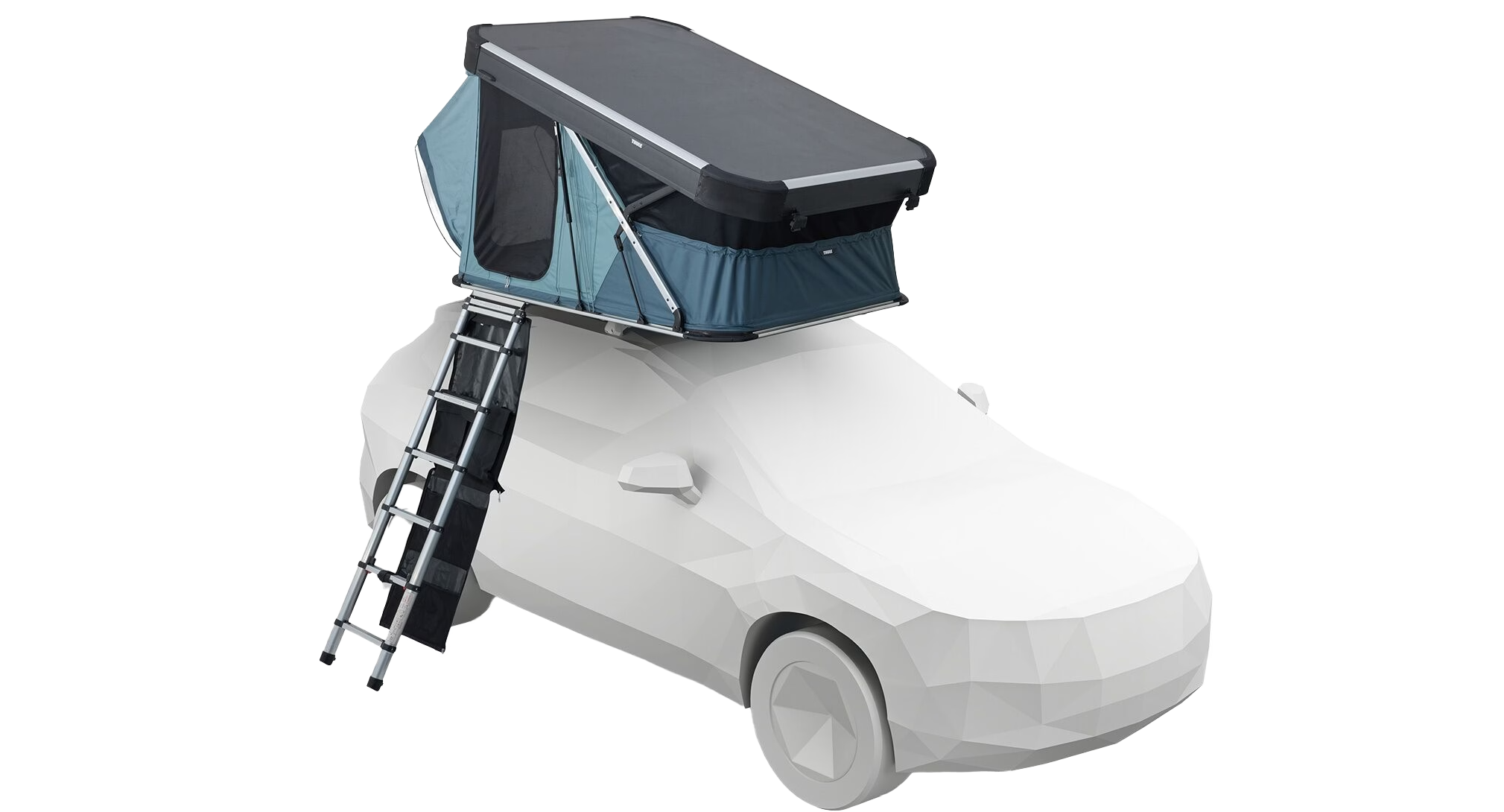
Hardshell rooftop tents are defined by their rigid exterior casing, typically constructed from reinforced ABS plastic, fiberglass, or aluminum. These units function via a "pop-up" or "clamshell" mechanism, often assisted by gas-charged hydraulic struts.
Performance and Aerodynamics
One of the primary advantages of the hardshell design is its aerodynamic efficiency. Manufacturers have focused on lowering the profile of these units to mitigate the impact on vehicle fuel economy. For example, the Sylvan Sport LOFT features a closed depth of only eight inches. Engineering data suggests that low-profile hardshells can reduce wind drag by 15% to 25% compared to bulkier soft-shell alternatives. This streamlined shape also minimizes wind noise during highway travel, a common complaint among long-distance travelers.
Durability and Weather Resistance
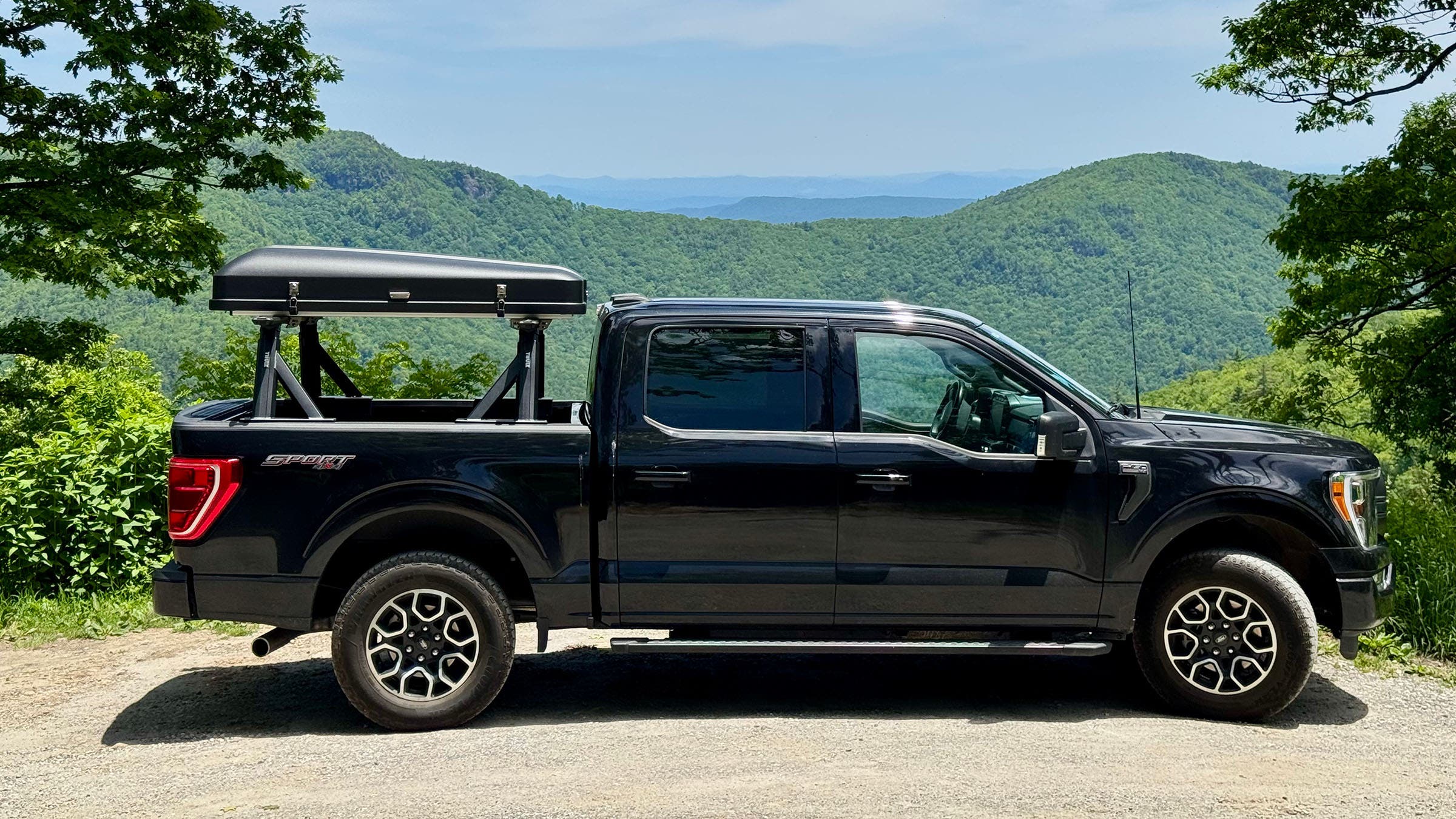
The rigid exterior provides a superior barrier against environmental degradation. The high-density polyethylene or aluminum shells are impervious to the UV damage and mildew that can plague fabric covers. In high-precipitation environments, such as the Southern Appalachian mountains, hardshell units offer a distinct advantage; they do not absorb water in the same manner as heavy canvas, and their vertical walls allow for efficient runoff. Furthermore, many high-end models, such as the Thule Widesky, are designed with integrated T-track crossbars on the exterior shell, allowing users to mount additional gear such as kayaks or solar panels, thereby reclaiming the storage space lost by occupying the vehicle’s roof.
The Economic and Functional Realities of Soft-Shell Tents
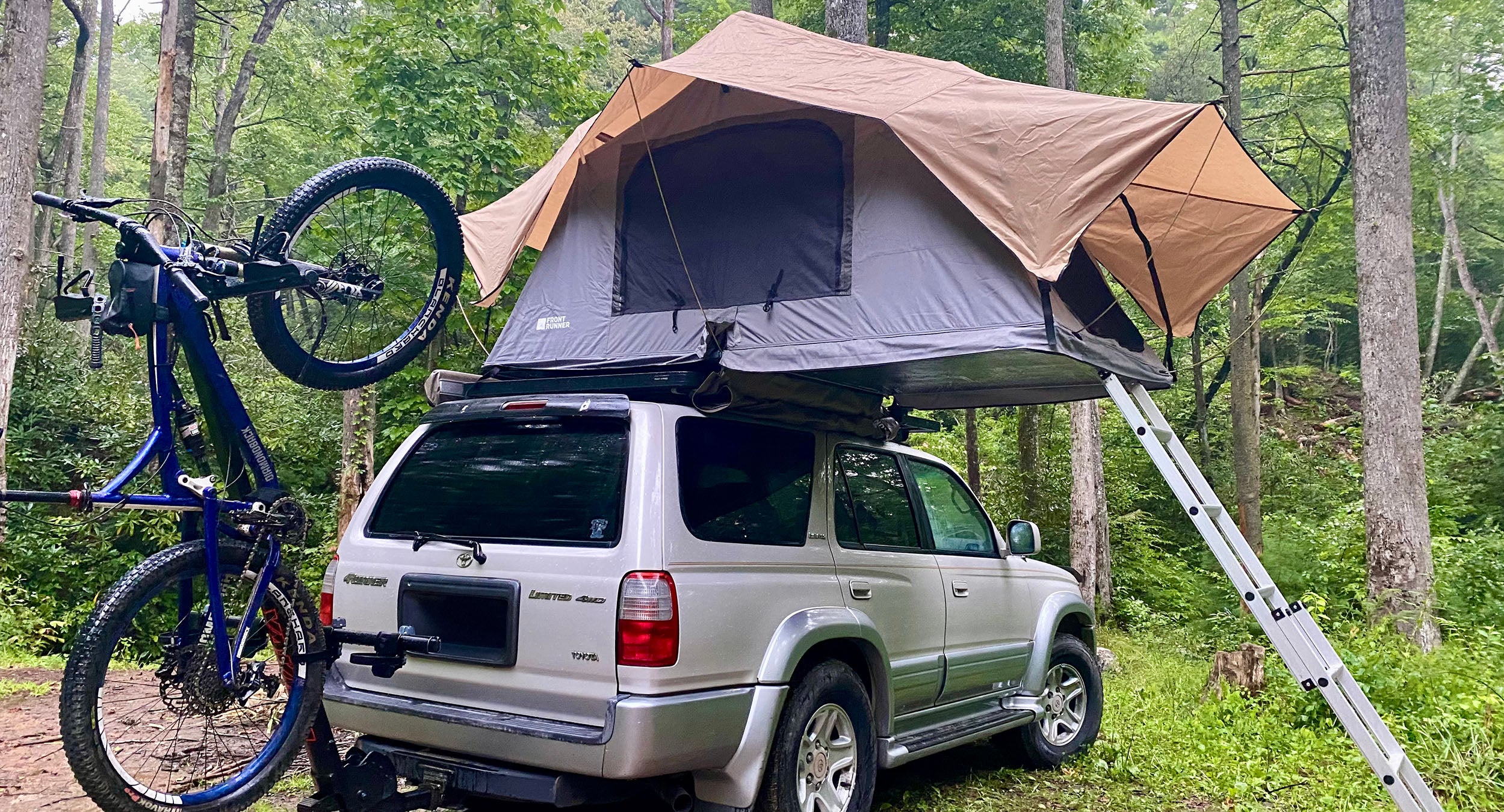
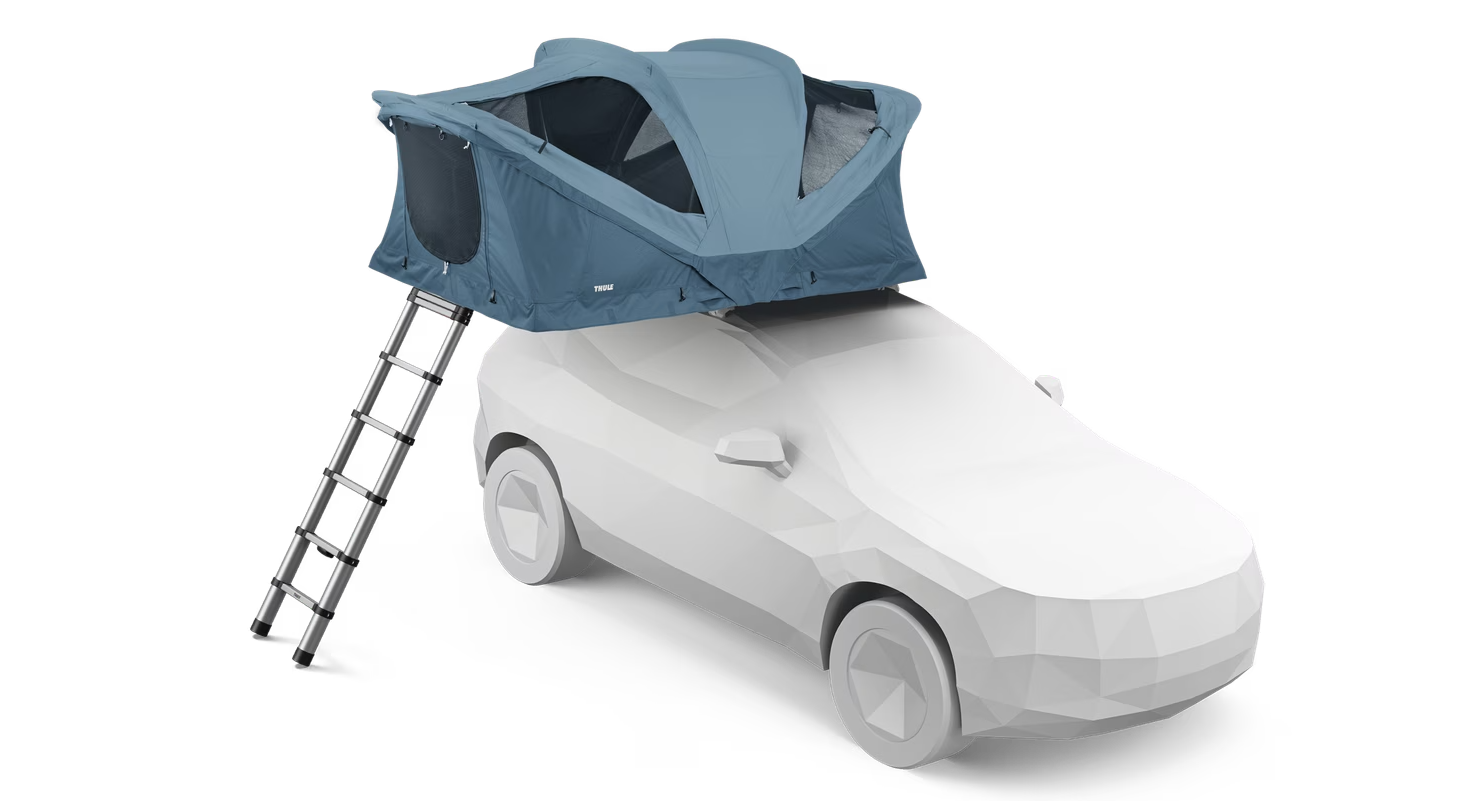
Soft-shell tents remain the more accessible entry point for most consumers, utilizing a folding design that doubles the tent’s footprint when deployed. These units are typically housed under a heavy-duty, weather-resistant PVC or ripstop nylon cover.
Cost-Benefit Ratios
The primary driver for soft-shell adoption is price. Market analysis shows a consistent price gap between the two styles. As seen in the 2026 Thule product lineup, the soft-shell Approach 2 S is priced at approximately $2,499, whereas the comparable hardshell Widesky retails for nearly $4,000. For the occasional camper, this $1,500 difference represents a significant barrier to entry, often outweighing the convenience factors of the hardshell.
Weight and Compatibility
Soft-shell tents are generally lighter and more compact when closed. A standard two-person soft-shell may weigh between 100 and 120 pounds, while hardshell equivalents often exceed 150 pounds. This weight differential is critical for owners of compact SUVs or sedans with lower dynamic roof load ratings. The smaller "closed" footprint of a soft-shell—often half the length of the vehicle’s roof—allows it to be mounted on short-bed trucks or smaller crossovers without significant overhang, maintaining the vehicle’s center of gravity and aesthetic balance.
Comparative Logistics: Setup and Maintenance
The operational efficiency of a rooftop tent is often the deciding factor for consumers. Field tests indicate that hardshell tents can be deployed in under 60 seconds. The process typically involves releasing two to four latches, at which point the internal struts automatically raise the roof. Breakdown is similarly rapid, as the fabric is designed to fold neatly within the rigid shell.
In contrast, soft-shell tents require a more manual approach. The user must unzip and remove a heavy travel cover, unfold the internal ladder to leverage the tent open, and manually set tensioning poles for the rainfly and window awnings. This process generally takes between five and ten minutes. Maintenance is also more intensive for soft-shells; the fabric travel covers are prone to trapping moisture, which can lead to mold and mildew if the tent is not thoroughly dried before long-term storage.
Industry Response and Market Trends
Industry analysts have noted a trend toward "lifestyle signaling" in the outdoor gear sector. The presence of a rooftop tent serves as a visual indicator of an active, adventurous lifestyle, even if the vehicle spends the majority of its time in urban environments. This "Trader Joe’s effect" has prompted automotive manufacturers like Subaru, Toyota, and Ford to offer factory-authorized rooftop tent accessories, integrating the gear into the vehicle’s initial purchase and financing.
Spokespersons from Thule have indicated that their 2026 design philosophy focuses on "democratizing the rooftop," ensuring that mounting systems are compatible with a wider array of factory roof racks. Meanwhile, boutique brands like Sylvan Sport are emphasizing multi-functionality, marketing their tents as "lofts" that can be removed and stored easily when not in use.
Broader Impact on Land Use and Conservation
The proliferation of rooftop tents has significant implications for land management and conservation. Because these systems allow for camping in any location where a vehicle can be legally parked, they have contributed to the rise of "dispersed camping" on public lands. While this reduces the pressure on overcrowded traditional campgrounds, it increases the risk of soil compaction and habitat disruption in sensitive areas.
Environmental groups have expressed concerns regarding the increased carbon footprint associated with carrying heavy rooftop loads. However, proponents argue that the efficiency of a rooftop tent encourages more frequent, shorter-duration trips to local wilderness areas, potentially fostering a stronger public commitment to land conservation by making the outdoors more accessible.
Technical Data Summary: Hardshell vs. Soft-Shell
To provide a clear comparison for consumers, the following data summarizes the average performance metrics as of mid-2026:
- Setup Time: Hardshell (30–90 seconds) vs. Soft-shell (5–10 minutes).
- Weight: Hardshell (140–190 lbs) vs. Soft-shell (95–130 lbs).
- Price Range: Hardshell ($3,000–$5,000+) vs. Soft-shell ($1,200–$2,800).
- Fuel Impact: Hardshell (1–3 MPG loss) vs. Soft-shell (2–5 MPG loss).
- Longevity: Hardshell (10+ years expected) vs. Soft-shell (5–8 years expected, depending on cover maintenance).
Final Implications for the Consumer
The choice between a hardshell and soft-shell rooftop tent ultimately depends on the user’s specific vehicle constraints, budget, and frequency of use. For the dedicated overlander who moves campsites daily, the time-saving benefits and durability of a hardshell system likely justify the higher capital investment. The ability to maintain rooftop storage capacity via external crossbars further solidifies the hardshell as the premium choice for gear-intensive sports like surfing or paddleboarding.
Conversely, for the budget-conscious traveler or those with smaller vehicles, the soft-shell remains a viable and highly functional option. While it requires more effort to deploy and maintain, it provides the same fundamental benefit of elevated, level, and mud-free sleeping quarters. As the outdoor industry continues to innovate, it is expected that hybrid models—combining the lightweight nature of soft-shells with the aerodynamic lids of hardshells—will begin to emerge, further blurring the lines between these two categories.
The rooftop tent is no longer a tool of necessity for avoiding lions in the Serengeti; it has become a sophisticated piece of automotive engineering designed to streamline the human connection with the natural world. Whether one opts for the convenience of a hardshell or the affordability of a soft-shell, the result is a significant reduction in the logistical friction of traditional camping, theoretically leading to more frequent engagement with the outdoors.



 Chandra Hamzah
 Gabriela Annisa
 Tatiana Tantri Indah Sari
 Budi Mulyono