
 Diana Nuri Rohmawati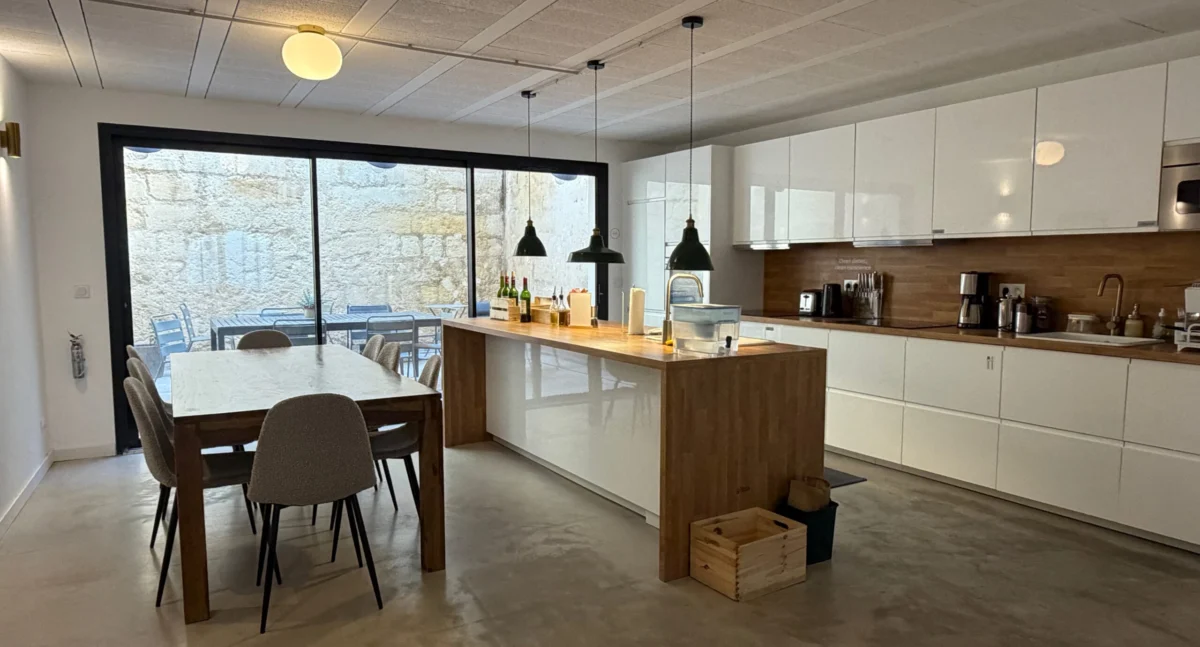
Balancing international travel with professional productivity has historically presented significant logistical hurdles for the global remote workforce. Since the widespread normalization of location-independent labor following the COVID-19 pandemic, digital nomads have increasingly rejected fragmented temporary housing solutions—such as inconsistent short-term holiday rentals and under-equipped hostel accommodations—in favor of integrated living and working ecosystems. At the center of this structural shift is the expansion of global coliving networks, which synthesize corporate-grade remote office infrastructure with community-driven residential spaces. Among these providers, Outsite has emerged as a prominent enterprise, illustrating how the intersection of hospitality, real estate, and flexible workspace is redefining the modern professional lifestyle.
The Structural Evolution of Remote Work Infrastructure
In the early stages of the digital nomad movement, professionals operating outside traditional office environments faced acute infrastructure deficits. Typical arrangements relied heavily on private holiday apartments characterized by unreliable broadband connectivity, or budget hostels tailored primarily to leisure travelers rather than full-time knowledge workers. Ergonomic deficiencies, noise pollution, and the absence of secure, dedicated workstations frequently compromised productivity.
Concurrently, the rapid decentralization of corporate workforces accelerated the demand for standardized remote environments. According to industry labor analytics, the global population of digital nomads surpassed 35 million by the mid-2020s, driven by multinational corporate policies favoring remote and hybrid employment. To meet this demand, specialized coliving operators developed dedicated infrastructure models. Rather than forcing remote workers to navigate separate contracts for apartments, coworking memberships, and social networking groups, modern coliving enterprises consolidate these services into a single operational framework.
Chronology and Expansion of Global Coliving Networks

The contemporary coliving sector traces its origins to the mid-2010s, when early operators identified a distinct market gap between traditional long-term residential leasing and short-term hospitality.
Founded in 2015 in Santa Cruz, California, Outsite initially targeted location-independent professionals seeking proximity to outdoor recreation alongside functional workspace. Over the subsequent decade, the organization scaled its operations in response to shifting global labor patterns.
- 2015: Establishment of the inaugural property in Santa Cruz, California, focusing on surf-and-work lifestyles for early-stage entrepreneurs.
- 2018–2019: Gradual international expansion into urban and secondary European markets, recognizing the growing demand from corporate remote employees.
- 2020–2022: Accelerated market validation following the global shift toward remote work policies during the COVID-19 pandemic, resulting in a surge in enterprise membership and property acquisitions.
- 2023–Present: Maturation of the network to include over 5,000 active members and approximately 50 distinct international locations spanning North America, Europe, Latin America, and Asia.
Operational Model and Economic Structure
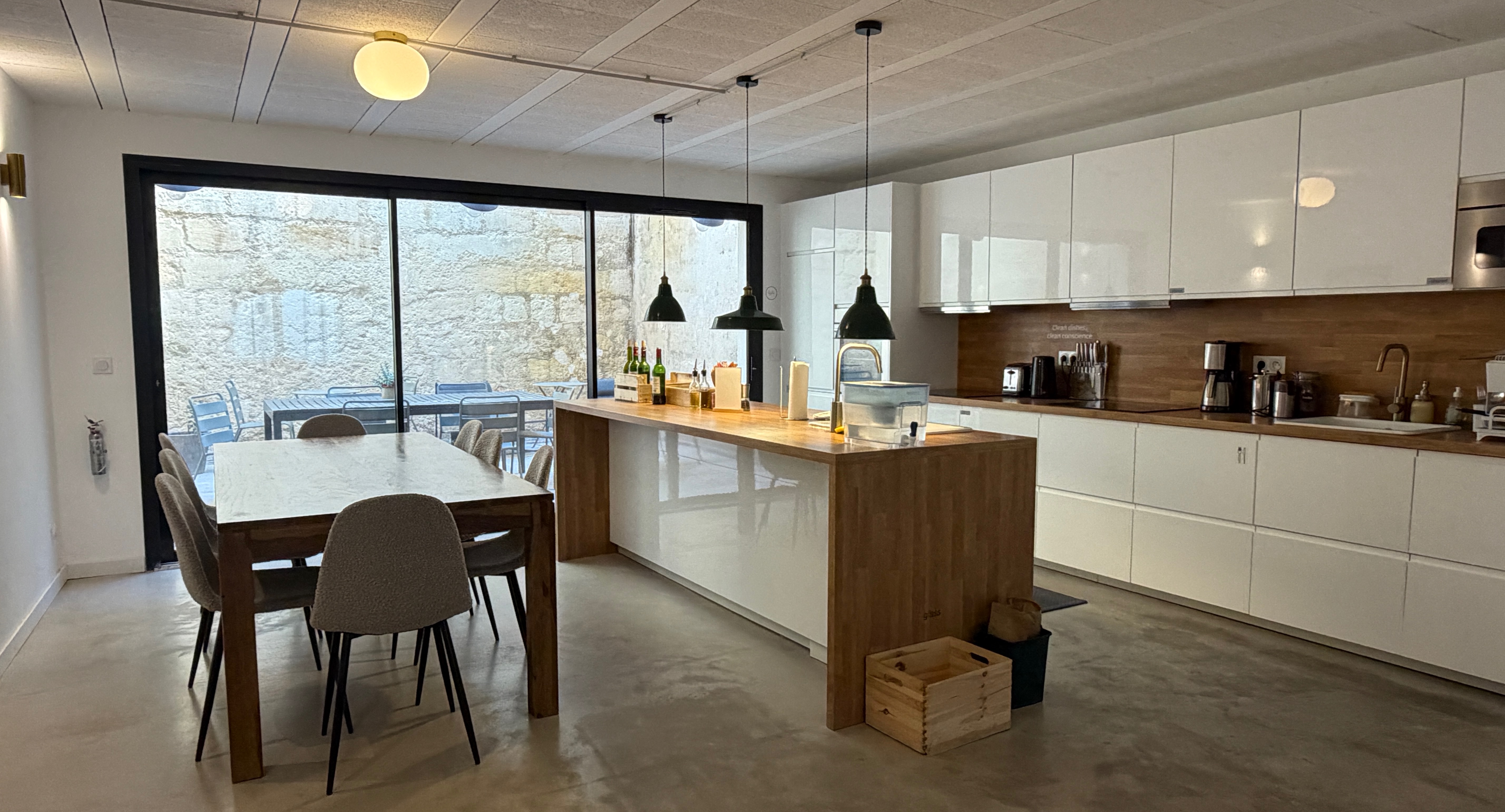
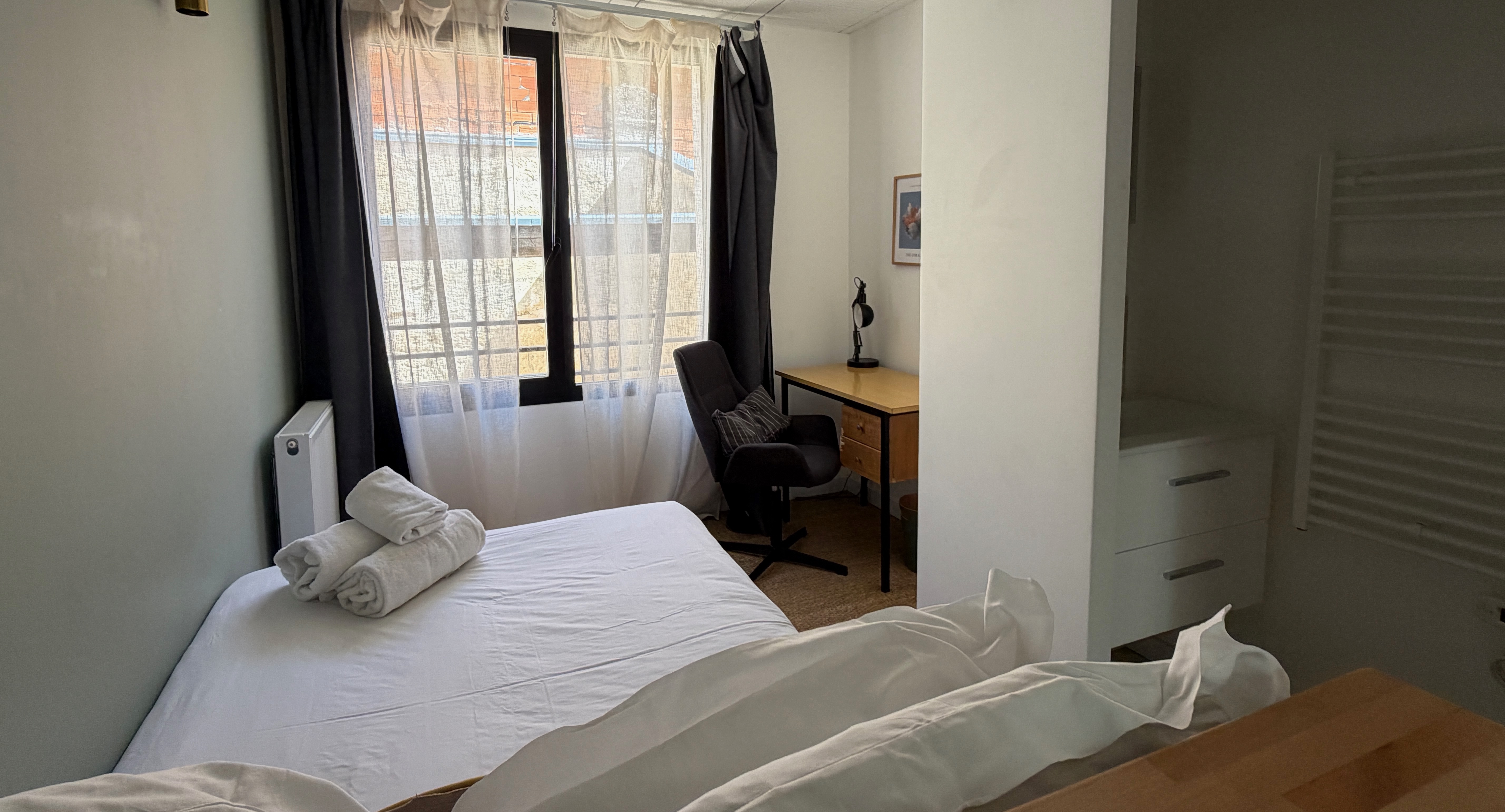
Modern coliving spaces operate on a hybrid model that merges boutique hospitality standards with professional workspace functionality. Accommodations typically consist of private residential bedrooms—often equipped with en-suite facilities or shared bathrooms restricted to a minimal number of guests—paired with extensive communal amenities. These common areas routinely feature professional-grade chef’s kitchens, expansive living rooms, outdoor terraces, and integrated coworking hubs equipped with enterprise-grade broadband, ergonomic seating, external monitors, and dedicated conference areas.
Financially, these networks operate on tiered access systems. While properties remain accessible to non-members via standard short-term bookings, structured membership programs incentivize long-term engagement. For example, annual or lifetime membership tiers typically provide financial incentives such as reduced nightly rates, access to members-only properties, extended-stay discounts, and introductory complimentary stays in newly launched destinations.
Industry Analysis: Economic Implications for Real Estate and Urban Planning
The rapid proliferation of coliving networks has introduced notable shifts in urban real estate development and municipal zoning dynamics. Real estate analysts note that the integration of coworking and residential spaces addresses inefficiencies in traditional urban housing markets by maximizing spatial utilization per property.
However, the expansion of commercialized coliving spaces in high-demand metropolitan centers—such as Lisbon, New York, and major European hubs—has occasionally intersected with local housing regulations. Municipalities frequently enforce strict minimum-stay requirements to safeguard long-term residential stock from displacement by short-term commercial operators. Consequently, many coliving networks implement minimum lease durations of 30 days in specific urban jurisdictions to comply with local housing statutes, thereby balancing tourist-adjacent flexibility with regulatory adherence.
Furthermore, economic evaluations suggest that while coliving properties carry a higher nightly tariff than traditional budget backpacking options, they frequently yield competitive cost efficiencies for professional remote workers when benchmarked against the cumulative expenses of independent short-term rentals and dedicated monthly coworking subscriptions.
Community Curation and Professional Networking
Beyond physical infrastructure, a primary differentiator of contemporary coliving models is the deliberate curation of professional and social communities. Remote work isolation remains a frequently cited challenge among location-independent professionals. To mitigate this, enterprise coliving spaces employ dedicated on-site Community Managers responsible for facilitating local integration, organizing professional networking events, and coordinating communal activities such as group excursions, wellness sessions, and collaborative dining experiences.
Industry observations indicate that structured community management directly influences guest retention and property utilization rates. By establishing localized communication channels—such as regional messaging groups prior to arrival—operators foster immediate peer integration among guests whose average length of stay frequently exceeds two weeks. This structured socialization distinguishes coliving environments from traditional tourist hotels, aligning them more closely with modern co-working hubs and professional incubators.
Future Outlook and Market Projections
As multinational organizations continue to refine permanent remote and hybrid work frameworks, the demand for standardized, plug-and-play global infrastructure is projected to expand. Real estate developers and hospitality brands are increasingly entering the coliving sector, signaling a transition from an alternative travel subculture to an established asset class within global real estate portfolios.
While challenges remain regarding regulatory compliance in densely populated urban centers and the scalability of property curation, the foundational framework established by networks like Outsite underscores a permanent evolution in how the global workforce combines mobility with professional productivity.




 Anjar Salim
 Chandra Hamzah
 Tatiana Tantri Indah Sari
 Budi Mulyono
 Lukman Taruna Persada Ramadan
