
 Budi Mulyono
The landscape of the Orlando hospitality market is undergoing a significant transformation as the demand for high-capacity, luxury accommodations continues to rise, driven by a new generation of travelers seeking "togetherness" without the logistical hurdles of traditional hotel stays. This shift was recently brought into the public eye by a viral social media campaign that labeled the Evermore Orlando Resort as the "Holy Grail" for large groups, sparking a broader conversation about the value proposition of mega-resorts versus traditional vacation rentals. While the resort offers unprecedented scale, featuring homes with up to 11 bedrooms, the intersection of influencer marketing, high seasonal pricing, and consumer expectations has created a complex narrative surrounding this massive property located just outside the gates of Walt Disney World.
The Viral Catalyst: A Digital Endorsement and Its Reach
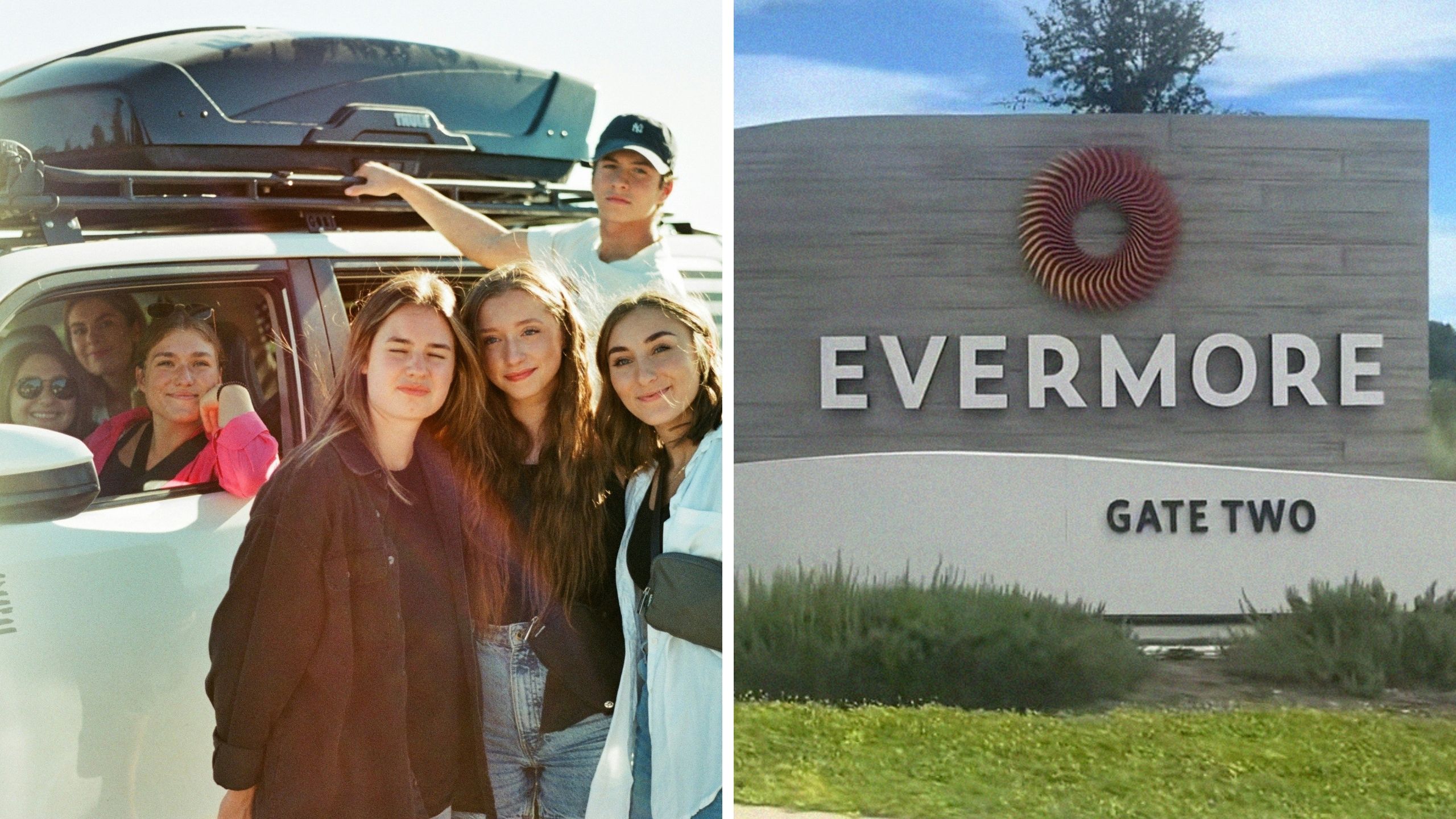
In early 2024, the digital discourse surrounding Orlando’s luxury accommodations was significantly influenced by a video posted by Design Crazes (@design_crazes), a content creator specializing in family-friendly luxury resorts. The video, which has amassed over 1.7 million views, showcased the Evermore Orlando Resort as the ultimate solution for large-scale events such as family reunions, wedding weekends, and milestone birthdays. The creator’s central thesis was that traditional hotel rooms often fail to provide the communal space necessary for large parties, whereas Evermore’s unique infrastructure allows dozens of guests to reside under one roof while maintaining the amenities of a high-end resort.
The response to the video was a microcosm of modern travel sentiment: a mixture of awe at the resort’s scale and skepticism regarding its accessibility. While the footage of the resort’s massive central lagoon and sprawling villas painted a picture of "magical" convenience, a vocal segment of the audience raised concerns regarding the financial feasibility for the average American family. This divide highlights a growing tension in the travel industry between the aspirational lifestyle portrayed by influencers and the economic reality of high-season vacationing in one of the world’s most popular tourist destinations.
Chronology and Development: The Rise of the Evermore Concept
The Evermore Orlando Resort represents a strategic evolution in the Orlando tourism corridor. Historically, large groups visiting Central Florida were forced to choose between booking multiple contiguous hotel rooms—often leading to fragmented groups and logistical headaches—or renting private homes in residential neighborhoods, which frequently lacked the security, maintenance, and amenities of a professional resort.
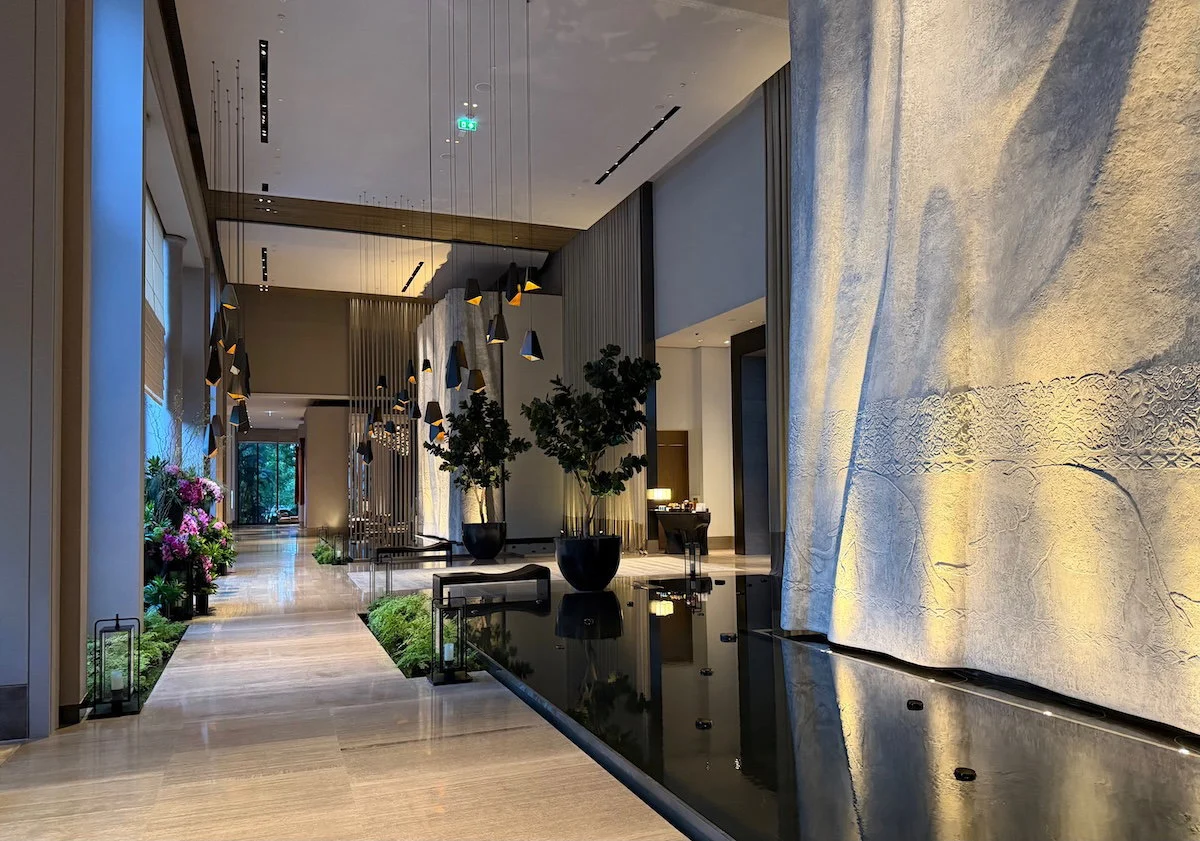
Evermore was conceived to bridge this gap. Opening its doors as a comprehensive "resort-home" hybrid, the property was built on the site of the former Villas of Grand Cypress. The development timeline reflects a multi-year investment into a purpose-built environment designed specifically for the "togetherness" economy. Unlike typical vacation rentals that are often retrofitted suburban homes, Evermore’s villas and flats were architecturally designed for high-turnover, high-occupancy luxury stays. The centerpiece of the property, a 20-acre Evermore Bay featuring a massive crystalline lagoon, serves as the social and recreational hub, mimicking a beachfront experience in the heart of landlocked Central Florida.
The Influencer Economy and the Question of Transparency
The viral success of the Design Crazes video also reignited discussions regarding the transparency of travel reviews in the age of User-Generated Content (UGC). As influencers increasingly dictate travel trends, the line between an organic recommendation and a paid promotion has become blurred. Design Crazes, who includes "Resort Collabs & UGC" in her professional biography, has posted more than 20 videos featuring Evermore since April 2024. This volume of content is characteristic of modern digital marketing strategies, where frequency and consistency are used to satisfy social media algorithms.
However, the creator clarified in statements to BoardingArea that her reviews were independent and not influenced by paid partnerships. This distinction is critical in the hospitality industry, where "hosted stays"—complimentary accommodations provided in exchange for coverage—are a standard practice. According to industry data, UGC creators can earn an average of $198 per deliverable, though high-reach influencers can command significantly higher fees. The debate over whether a review is "paid" or "independent" often hinges on the disclosure of such arrangements, as consumers increasingly demand authenticity before committing to high-ticket travel purchases.
Financial Analysis: Cost-Benefit for Large Groups
The primary point of contention among travelers regarding Evermore Orlando Resort is its pricing structure. In 2024, starting rates were reported at approximately $500 per night for smaller units. However, for the high-capacity homes featured in viral content, summer rates can escalate to between $1,000 and $1,250 per night. To the average consumer, these figures can appear prohibitive.
From a journalistic and analytical perspective, however, the value must be measured against the cost of alternative arrangements. A 10-bedroom home at Evermore can theoretically accommodate 20 to 30 guests. If a group of four families were to book four separate luxury hotel rooms at a nearby Disney-owned property or a high-end brand like the Ritz-Carlton or Waldorf Astoria, the combined nightly cost would frequently exceed $2,000, without providing a shared kitchen, private pool, or communal living area.
Design Crazes addressed this economic reality, noting that the "value becomes much clearer when the total cost is divided among multiple families." This "cost-sharing" model is a driving force behind the resort’s business strategy. By catering to multi-generational travelers who pool their resources, Evermore positions itself as a premium alternative that, on a per-bedroom basis, competes effectively with the high-end hotel market.
Consumer Sentiment and Market Reception
Market data and public reviews offer a nuanced view of the resort’s reception since its opening. On platforms like TripAdvisor, Evermore maintains a 4.3 out of 5-star rating. Analysis of these reviews indicates that the resort successfully delivers on its promise of luxury and space. Guests frequently praise the "incredible" quality of the 8-bedroom houses and the convenience of having a private pool alongside resort-wide amenities.
Conversely, the "mixed" nature of the response often stems from the "nickel-and-diming" perception common in luxury hospitality. Some guests have expressed that while the accommodations are top-tier, the additional costs for dining, cabanas, and water activities can lead to "sticker shock." This feedback suggests that while the resort is a "Holy Grail" for those with the budget to support it, it may remain out of reach for the "average" family, despite the efficiencies gained through group bookings.
Broader Implications for the Orlando Tourism Industry
The success and visibility of Evermore Orlando Resort have broader implications for the future of tourism in Central Florida. Orlando remains one of the most visited cities in the United States, attracting over 74 million visitors annually. As the market becomes saturated with standard hotel rooms, developers are looking for ways to differentiate their offerings.
The "Evermore model" suggests a move toward "destination resorts" where the property itself is the primary draw, potentially rivaling the theme parks for the guests’ time and money. By providing a 20-acre lagoon and a suite of on-site activities, the resort aims to capture a larger share of the "on-property" spend. Furthermore, the focus on large groups taps into a post-pandemic travel trend where extended families are prioritizing "reconnection travel" after years of social distancing.
This trend is also forcing traditional hotel chains to rethink their suites and connecting room policies. If mega-resorts can offer a seamless, high-luxury experience for groups of 20 or more, traditional hotels may find themselves losing the lucrative family reunion and corporate retreat segments of the market.
Conclusion: A New Standard for Group Accommodations
Evermore Orlando Resort stands as a testament to the evolving demands of the modern traveler. By successfully merging the privacy of a high-end vacation rental with the service and amenities of a world-class resort, it has carved out a unique niche in a crowded market. The viral discourse sparked by influencers like Design Crazes serves as a double-edged sword: it provides the visibility necessary to fill massive properties, but it also invites intense scrutiny of pricing and authenticity.
For large groups, the resort likely does represent a significant upgrade over traditional lodging. However, the "Holy Grail" status remains subjective, dependent entirely on a group’s ability to navigate the high entry price and the logistical requirements of coordinating a multi-family stay. As Orlando continues to grow, the industry will undoubtedly watch Evermore closely to see if this "mega-home" resort model becomes the new standard for luxury group travel or remains an exclusive enclave for those who can afford the premium for "togetherness."



 Anjar Salim
 Chandra Hamzah
 Tatiana Tantri Indah Sari
 Lukman Taruna Persada Ramadan
