
 Diana Nuri Rohmawati
The island of Ko Lipe, once regarded as one of Thailand’s final frontiers for intrepid travelers, has undergone a radical transformation over the past two decades, transitioning from a remote outpost with limited electricity to a densely developed tourist hub. This shift has prompted travel industry analysts and environmentalists to sound the alarm regarding the sustainability of the island’s current growth model. Recent reports from long-term visitors and environmental surveys indicate that the rapid expansion of infrastructure, coupled with a lack of natural resources, has placed the island on a trajectory similar to that of Ko Phi Phi—a destination that became a global symbol of the destructive power of unmanaged mass tourism.
A Chronology of Development: 2006 to 2025
The trajectory of Ko Lipe’s development began in earnest in the mid-2000s. In 2006, the island was characterized by its isolation. Situated in the Adang-Rawi Archipelago within the Tarutao National Marine Park, it was accessible only by a limited number of boats, with the "last boat of the season" signaling the complete closure of the island to outsiders during the monsoon months. At that time, accommodation primarily consisted of basic bamboo bungalows priced at approximately $2 USD per night. Electricity was a luxury, typically provided by generators for only a few hours each evening, and the island’s interior was navigated via dirt footpaths.
By the early 2010s, the island began to see a surge in popularity as social media and digital travel guides highlighted its turquoise waters and white sand beaches. This increased visibility led to a construction boom. Between 2015 and 2024, the island’s infrastructure underwent a total overhaul. The original dirt paths were replaced with concrete roads to accommodate motorbikes and construction vehicles. High-end resorts, featuring amenities such as infinity pools and air conditioning, began to dominate the coastline, catering to a different demographic of travelers than the backpackers who had originally put the island on the map.
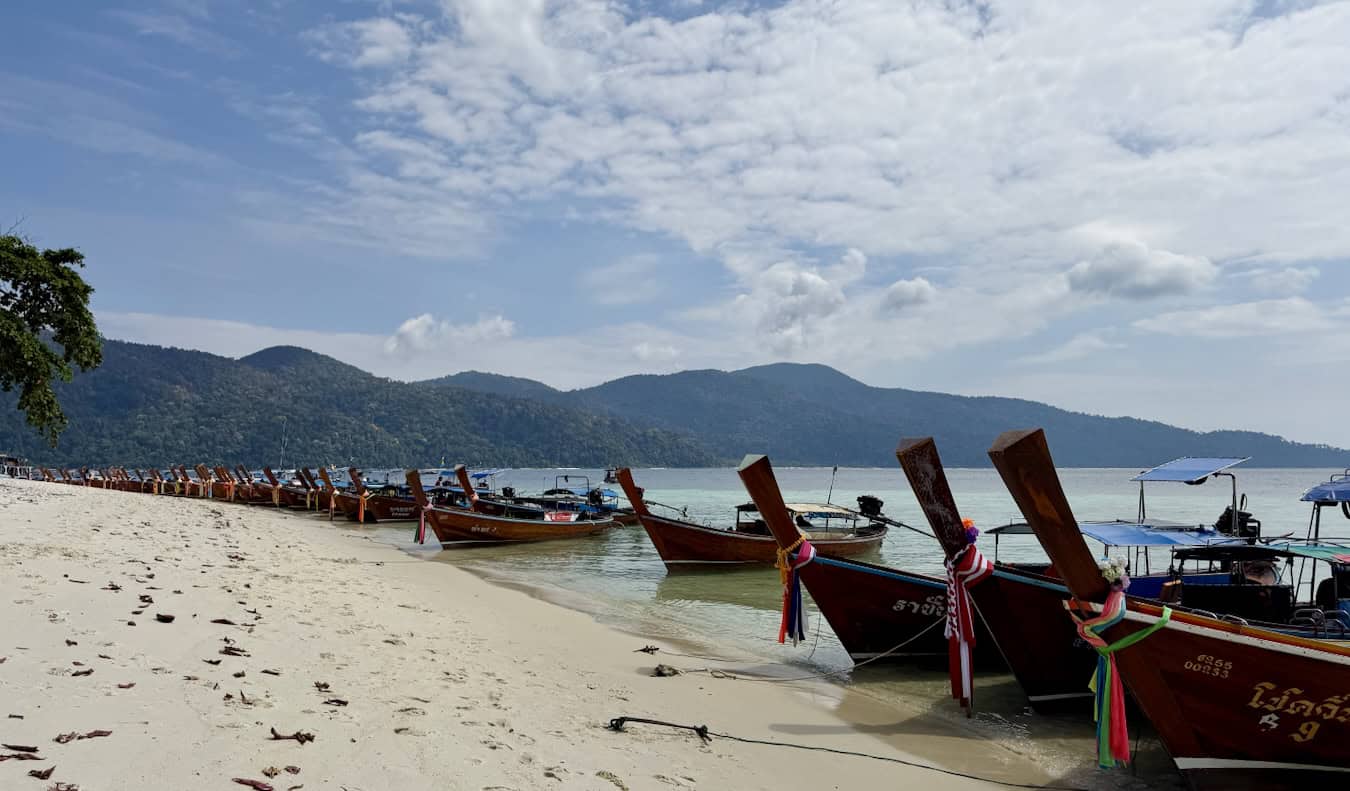
Today, Ko Lipe serves as a year-round destination with high-speed ferry connections to the Thai mainland and Langkawi, Malaysia. However, this accessibility has come at a significant cost to the island’s ecological integrity and local social fabric.
Environmental Strain and Resource Depletion
The most pressing concern regarding Ko Lipe’s overdevelopment is the strain on limited natural resources. Unlike larger islands, Ko Lipe lacks a natural internal water supply. The proliferation of luxury resorts with swimming pools has necessitated the importation of water and the use of energy-intensive desalination or deep-well pumping, which can lower the water table and lead to saltwater intrusion.
Environmental degradation is also evident in the surrounding marine ecosystem. The coral reefs of the Tarutao National Marine Park, once among the most pristine in Southeast Asia, are facing multiple stressors:
- Pollution and Runoff: Increased concrete surfacing leads to higher rates of nutrient-rich runoff during rainstorms, which fuels algae growth that smothers coral.
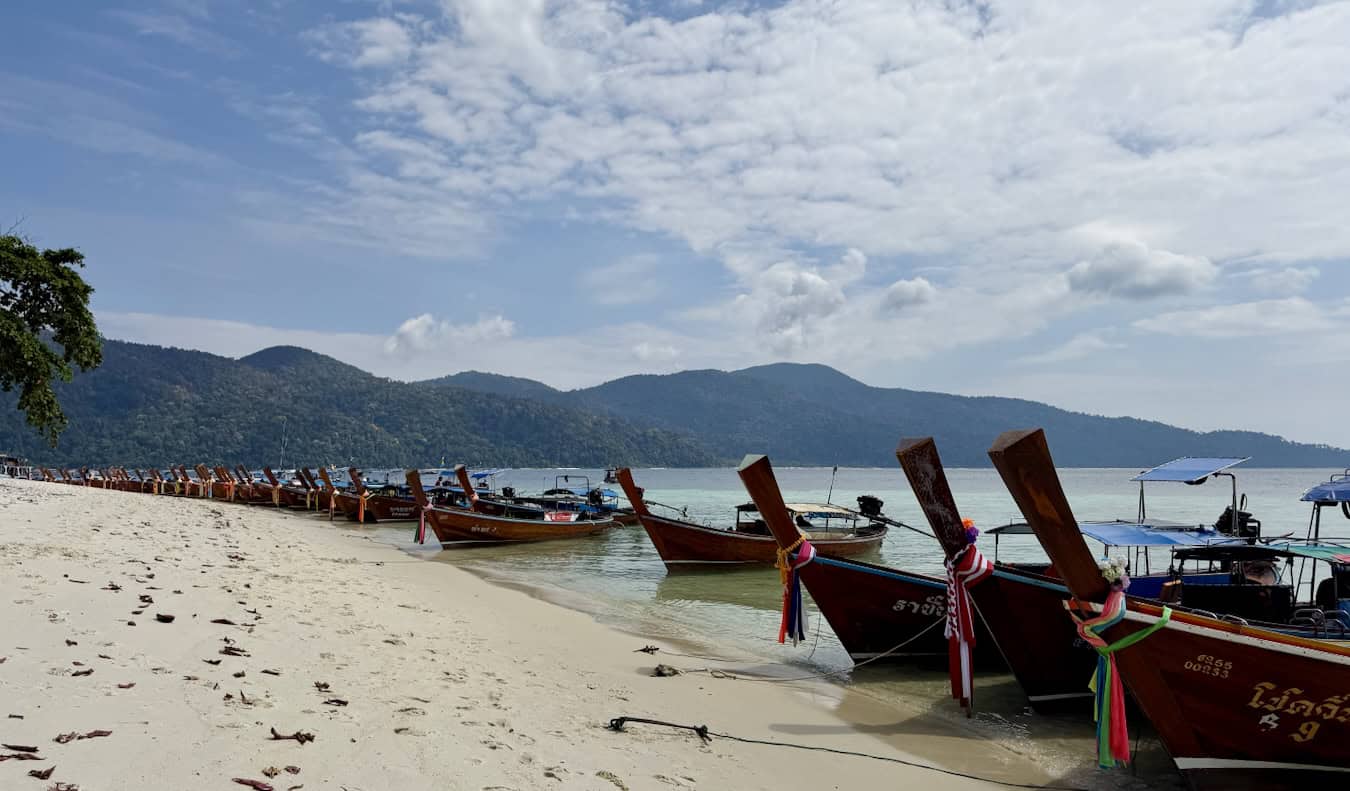
- Marine Traffic: The sheer volume of longtail boats and speedboats required to transport thousands of tourists daily has resulted in physical damage from anchors and chemical pollution from engine exhaust. Observers have noted a visible "shiny film" of oil and fuel on the water’s surface in high-traffic swimming areas.
- Waste Management: The island struggles to process the volume of plastic and sewage generated by the tourist population. While efforts have been made to transport trash back to the mainland, the sheer scale of consumption often outpaces logistical capabilities.
According to marine biologists specializing in the Andaman Sea, the decline of coral health in the region is a direct consequence of "death by a thousand cuts," where small-scale individual impacts from thousands of tourists aggregate into a systemic ecological collapse.
Socio-Economic Shifts and the Displacement of the Urak Lawoi
The boom in tourism has also fundamentally altered the island’s demographics and social structure. Ko Lipe is the ancestral home of the Urak Lawoi, often referred to as "Sea Gypsies." For generations, the Urak Lawoi lived a semi-nomadic lifestyle based on sustainable fishing.
As land values skyrocketed, many local families faced immense pressure to sell their ancestral plots to developers from the Thai mainland or international investment groups. In many cases, these sales were driven by a lack of formal land titles, leading to protracted legal battles between indigenous residents and commercial entities. The resulting displacement has forced many Urak Lawoi into the service economy, where they often occupy low-wage roles within the resorts that now stand on their former land.
Furthermore, the island’s workforce has shifted. Much of the labor required to run modern resorts is now brought in from the mainland, meaning a significant portion of the tourism revenue leaves the island rather than benefiting the local community. This economic leakage is a hallmark of unsustainable tourism models, where the environmental and social costs are borne locally while the profits are exported.
The "Ko Phi Phi Model" and Government Policy
Industry experts frequently compare the current state of Ko Lipe to Ko Phi Phi Leh, specifically Maya Bay, which became world-famous after the movie The Beach. Maya Bay was eventually closed by the Thai government in 2018 for nearly four years to allow the ecosystem to recover from the damage caused by up to 5,000 visitors per day.
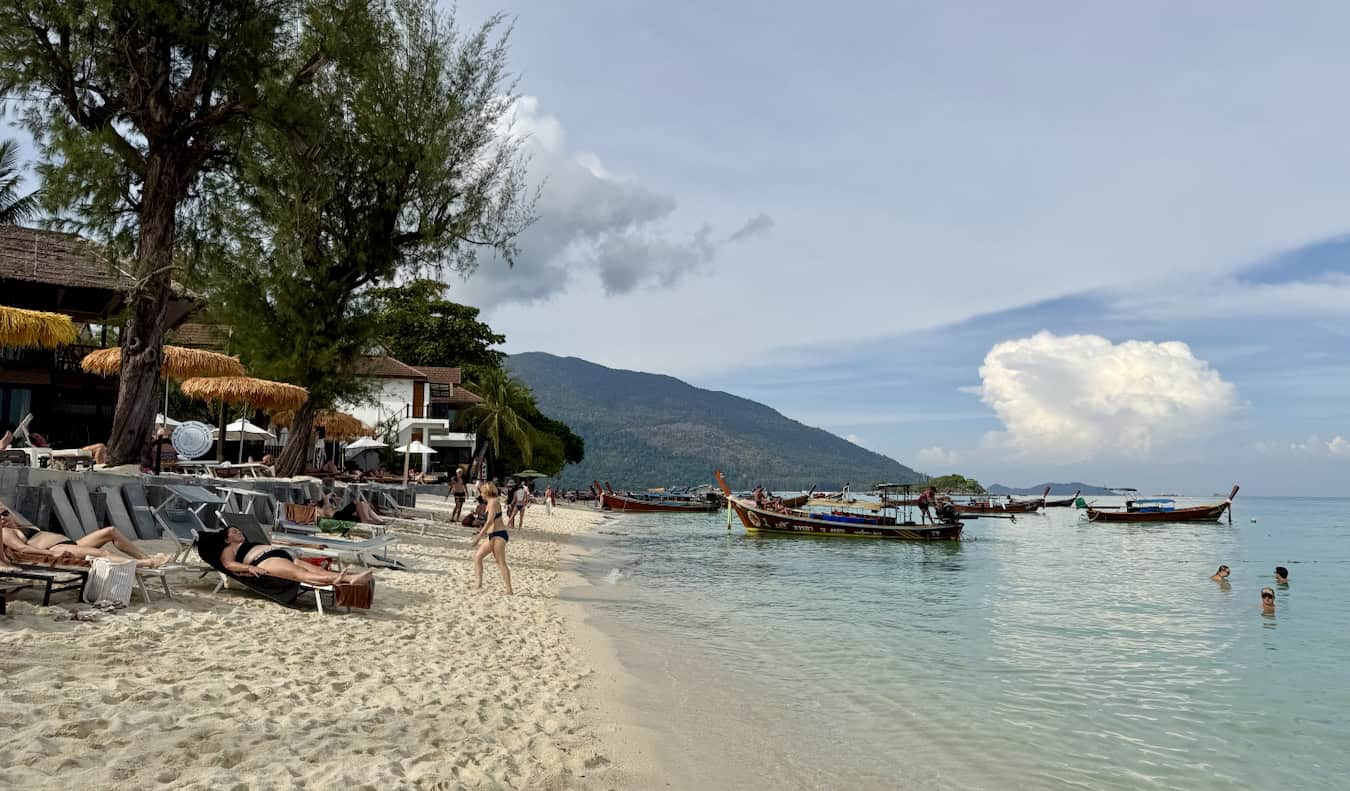
The Thai Department of National Parks, Wildlife and Plant Conservation (DNP) has historically struggled to balance the lucrative revenue from tourism with the mandate of conservation. While some islands have seen temporary closures or visitor caps, Ko Lipe’s status as a partially inhabited island with private land ownership makes such regulations more difficult to enforce than in uninhabited national park zones.
The current trend on Ko Lipe suggests a "build first, regulate later" approach. Critics argue that without immediate intervention—such as strict limits on new resort permits, a moratorium on swimming pools, and a cap on daily boat arrivals—the island will lose the very aesthetic and environmental qualities that made it a desirable destination in the first place.
Industry Analysis: The Role of Conscious Travel
The evolution of Ko Lipe has sparked a debate within the travel industry regarding the responsibility of the consumer. In recent years, there has been a growing movement toward "conscious travel," where tourists are encouraged to research the management of a destination before visiting.
Travel analysts suggest that if consumers continue to flock to overdeveloped islands, there is little incentive for developers or local authorities to change their practices. However, as seen with the decline of elephant riding in Thailand due to increased awareness of animal welfare, consumer shifts can drive industry change.
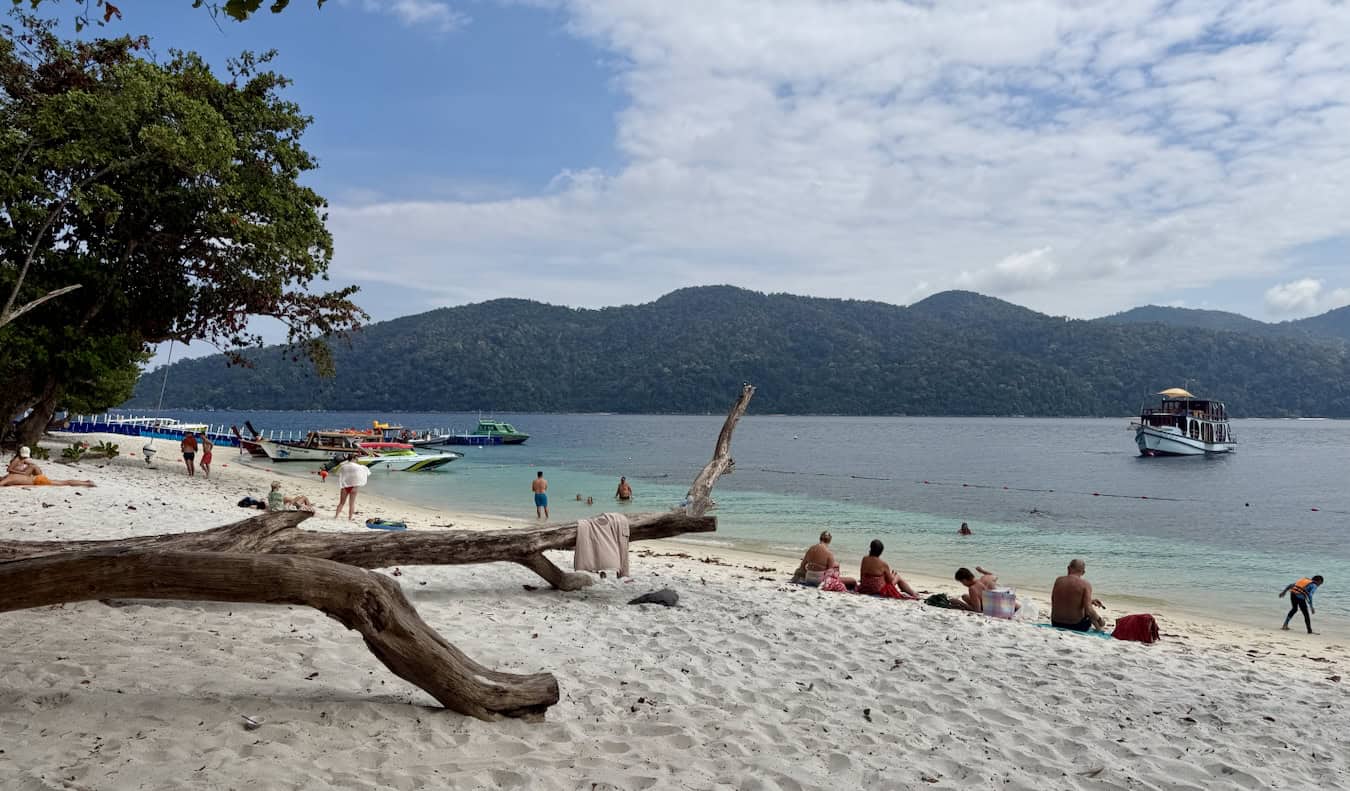
For travelers seeking a more sustainable and authentic Thai island experience, experts often point toward better-managed alternatives. Islands such as Ko Lanta, Ko Jum, and Ko Mook are frequently cited as destinations that have managed to grow their tourism sectors more slowly and with a greater emphasis on environmental preservation and local community involvement. These islands tend to offer a more balanced ratio of green space to development and have not yet succumbed to the total "paving over" seen on Ko Lipe.
Implications for the Future of Thai Tourism
The situation on Ko Lipe is a microcosm of a broader challenge facing Thailand as it seeks to reach its target of 35 million international visitors in 2024. The tension between high-volume tourism and environmental stewardship remains unresolved.
If Ko Lipe continues on its current path, it faces the risk of "destination fatigue," where the degradation of the natural environment leads to a decline in high-value tourism, leaving the island dependent on short-term, high-volume crowds that provide lower economic returns per capita.
The case of Ko Lipe serves as a stark reminder that paradise is a finite resource. The transition from an off-the-beaten-path gem to a paved-over resort hub has happened in less than a generation. For the island to survive the next twenty years, a fundamental shift in management is required—one that prioritizes the health of the reefs and the rights of the local population over the immediate demands of expansion. Until such changes occur, the island stands as a cautionary tale of what happens when the "magic" of a destination is sacrificed for the machinery of mass tourism.




 Anjar Salim
 Chandra Hamzah
 Tatiana Tantri Indah Sari
 Budi Mulyono
 Lukman Taruna Persada Ramadan
