
 Diana Nuri Rohmawati
The traditional paradigm of tourism has long been defined by its extractive and passive nature. Travelers routinely arrive at foreign destinations, document identical landmarks, dine at guidebook-recommended establishments, and traverse familiar circuits. While organized tours and intermittent interactions offer superficial glimpses into local cultures, authentic integration rarely occurs. Even long-term travelers who distinguish themselves from conventional tourists often replicate the same behavioral patterns at a reduced financial expenditure and slower pace. Consequently, the romanticized ideal of seamlessly embedding into a foreign community and forging lasting local friendships remains largely elusive, as transient visitors rarely intersect meaningfully with resident populations.
The Shift Toward Immersive Mobility and Structured Scaffolding
Achieving a profound understanding of a destination requires extended residency and active contribution. Transformative travel experiences typically emerge from prolonged immersion and the establishment of reciprocal relationships rather than fleeting passage. Historically, identifying legitimate, vetted organizations capable of facilitating impactful local engagement presented significant logistical challenges.
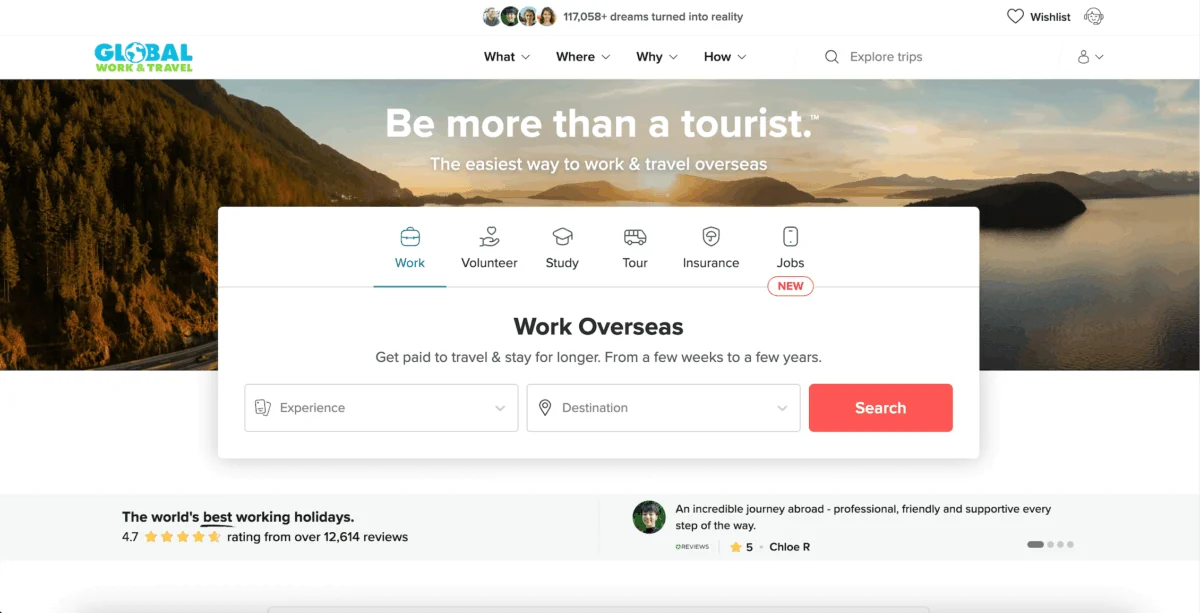
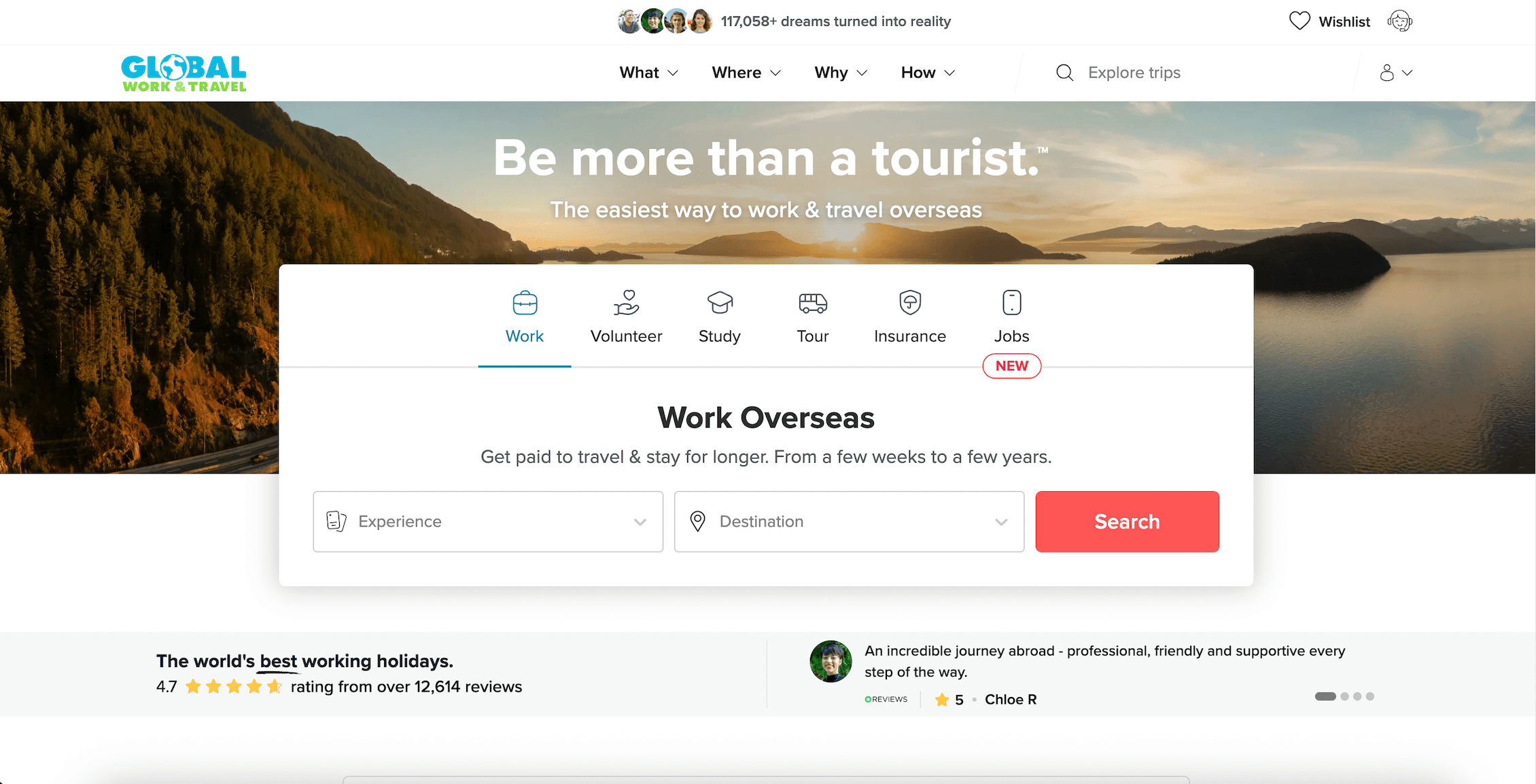
In response to these systemic barriers, the international mobility sector has evolved considerably. Modern travelers increasingly utilize specialized organizations designed to streamline the transition abroad. Among these, industry entities such as Global Work & Travel have emerged to provide comprehensive logistical infrastructure—commonly referred to as safety nets or scaffolding—for individuals seeking extended international experiences. Operating as a major provider of gap year programs, working holidays, internships, and teaching placements, the organization addresses the primary friction points of moving abroad: employment procurement, visa navigation, permanent accommodation security, and financial management.
Chronology and Development of the Gap Year and Working Holiday Industry
The contemporary gap year and working holiday framework has roots in mid-20th-century bilateral youth mobility agreements, primarily initiated within Commonwealth nations. Over the past two decades, the sector has transitioned from informal backpacker subcultures into a formalized, highly regulated industry.
- Early 2000s: The commercialization of gap year services begins, driven by the democratization of international aviation and the rise of digital travel planning resources.
- 2010s: The proliferation of the "digital nomad" lifestyle establishes remote work as a primary aspiration for long-term travelers, though its accessibility remains restricted to individuals with established remote careers and capital.
- Present Era: A notable market shift occurs as travelers seek more grounded, integrated experiences. Structured working holidays and vetted volunteer placements challenge the dominance of remote nomadism by offering localized economic integration.
Industry data indicates that organized intermediaries have facilitated placement for over 116,000 participants across diverse global regions, including the United Kingdom, Europe, the Americas, Asia, Africa, and the Pacific. By utilizing centralized digital management portals—such as dedicated trip-management applications—providers aim to mitigate the administrative burdens that frequently deter prospective long-term travelers.
Comparative Analysis: Working Holidays Versus Digital Nomadism
For the past decade, remote digital nomadism has served as the prevailing model for aspirational long-term travel. However, structural economic analysis reveals significant limitations inherent to this lifestyle. Remote work models necessitate pre-existing employment stability, specialized digital skill sets, and income thresholds inaccessible to a significant demographic of younger travelers.
Conversely, working holiday frameworks invert this economic model. Rather than importing external remote income, participants secure localized employment upon arrival, thereby integrating directly into domestic economies. This approach fosters community integration through workplace interactions and structured daily schedules, contrasting with the transient nature of short-term hostel stays or isolated coworking environments. Industry analysts suggest that working holidays provide a more democratized and sustainable model of international mobility, requiring adaptability and foundational logistical support rather than advanced career seniority.
Ethical Considerations and Vetting in International Volunteering
Volunteering abroad has historically attracted scrutiny regarding its socioeconomic impact on host communities. Critics frequently cite profit-driven programs that prioritize volunteer gratification over measurable community development, occasionally displacing local labor or failing to address genuine infrastructural needs.
In response to these ethical concerns, contemporary program operators emphasize rigorous vetting procedures. Legitimate volunteer placements are increasingly aligned with locally defined priorities across sectors such as wildlife conservation, community development, formal education, and healthcare.
- Community Development: Collaborative initiatives in regions such as Zanzibar focus on locally prioritized infrastructure and educational support.
- Conservation and Rehabilitation: Programs in South Africa and Thailand emphasize ecological preservation and animal welfare under the supervision of environmental specialists.
To ensure accountability, institutional frameworks often incorporate dedicated funding mechanisms—such as animal welfare funds—to channel supplemental resources directly into partner conservation sites, extending the impact beyond individual human participation.
Economic and Sociodemographic Implications
The expansion of structured international work and travel programs carries notable implications for global labor markets, youth mobility, and international education. By removing administrative hurdles such as visa quotas, background checks, and employer matching, these programs expand access to international experience beyond affluent socioeconomic demographics.
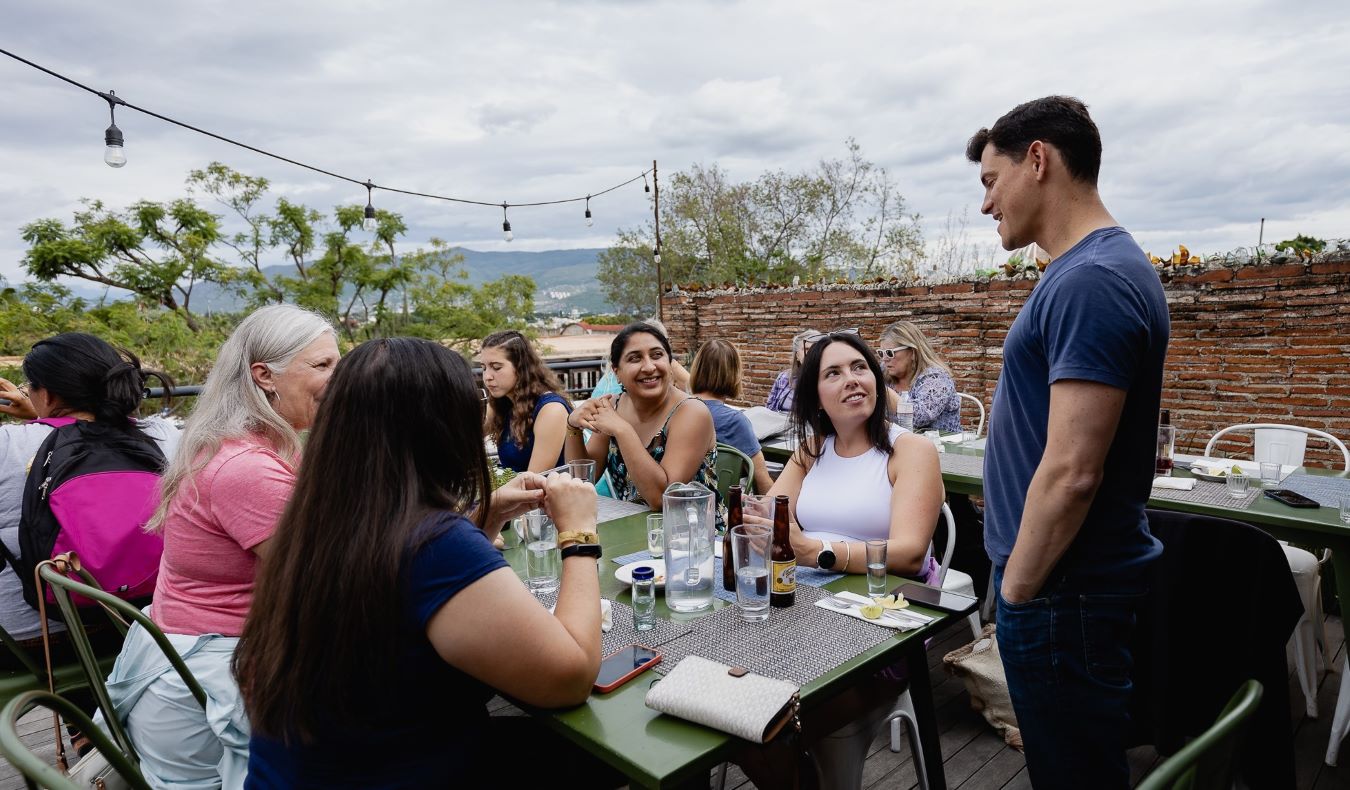
Furthermore, participants acquire cross-cultural competencies, linguistic proficiency, and international resume credentials. From a macroeconomic perspective, working holiday makers contribute to host nation labor pools—particularly in tourism, agriculture, and service sectors experiencing seasonal labor shortages—while simultaneously generating consumer demand within local economies.
Frequently Asked Questions
What are the standard prerequisites for participating in structured work-abroad programs?
Most entry-level programs require only basic work experience and a secondary education diploma. Specialized tracks, such as teaching English abroad, typically incorporate mandatory training certifications like TEFL, whereas entry-level volunteer programs often require no prior specialized experience.
What are the age parameters for international placement programs?
Eligibility generally begins at 18 years of age. Working holiday visas are subject to government-mandated age caps—frequently set at 35, depending on bilateral agreements between nations. Conversely, volunteer and educational placements frequently accommodate participants aged 18 to 80.
What financial protections exist for participants in structured travel programs?
Reputable international program providers typically implement flexible deposit policies, ensuring that initial capital investments remain valid for future travel rescheduling. Additionally, compliance with consumer protection frameworks and financial security guarantees helps safeguard participant funds against unforeseen geopolitical or economic disruptions.




 Gabriela Annisa

 Lukman Taruna Persada Ramadan

 Tatiana Tantri Indah Sari

 Anjar Salim

