
 Diana Nuri Rohmawati
The intersection of international travel and remote employment has long presented logistical hurdles for the modern workforce. Historically, location-independent professionals faced a frustrating dichotomy: choosing between the transient, often distracting environments of backpacker hostels or the isolating, unpredictable conditions of private short-term apartment rentals. However, the accelerated normalization of remote work in the post-pandemic era has catalyzed a structural evolution in travel infrastructure. A specialized sector of hybrid coliving and coworking networks has emerged to address these pain points, bridging the gap between professional productivity and communal residential living.
Background Context and the Rise of Coliving Infrastructure
For years, the digital nomad demographic—comprising remote employees, freelancers, and location-independent entrepreneurs—relied heavily on ad-hoc workspaces. Coffee shops presented issues regarding ambient noise, time limits, and uncertain internet bandwidth. Meanwhile, traditional short-term rentals frequently failed to meet basic remote work requirements despite host assertions, leaving professionals to struggle with substandard Wi-Fi connections and inadequate ergonomic setups.
Recognizing this market gap, purpose-built coliving spaces began to proliferate globally. Designed specifically to combine the operational necessities of a dedicated office with the social infrastructure of managed residential communities, these spaces cater to working professionals seeking reliable connectivity and structured networking opportunities. Among the pioneers in this sector is Outsite, a global network established to service the growing demand for integrated live-work environments.
Chronology and Corporate Evolution
Founded in 2015, Outsite originated as a single residential property in Santa Cruz, California, tailored to individuals seeking to balance athletic pursuits, such as surfing, with ongoing professional responsibilities. Over the ensuing decade, the enterprise scaled alongside the broader acceptance of remote work policies globally.
By the mid-2020s, the network had expanded to encompass more than 50 distinct international locations, serving a member base exceeding 5,000 active participants. The operational model shifted from a niche lifestyle experiment into a formalized institutional framework. Today, properties span diverse geographical settings, including urban centers, coastal regions, and mountainous areas, each configured to standardized architectural and technological specifications.
Operational Framework and Amenities
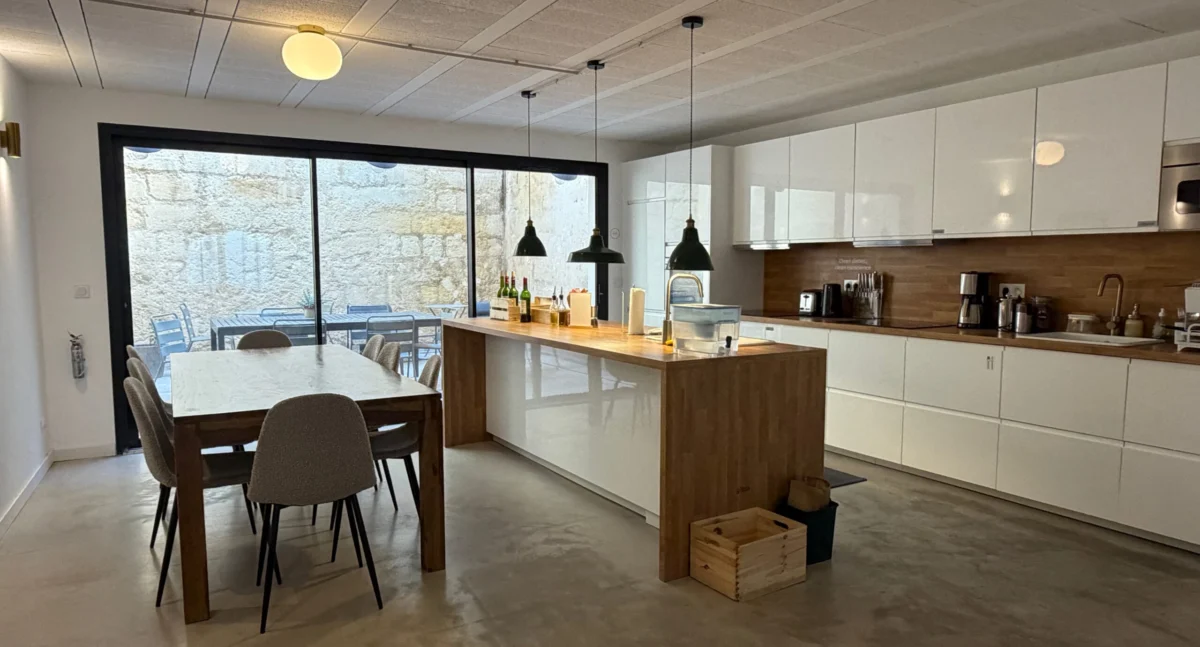
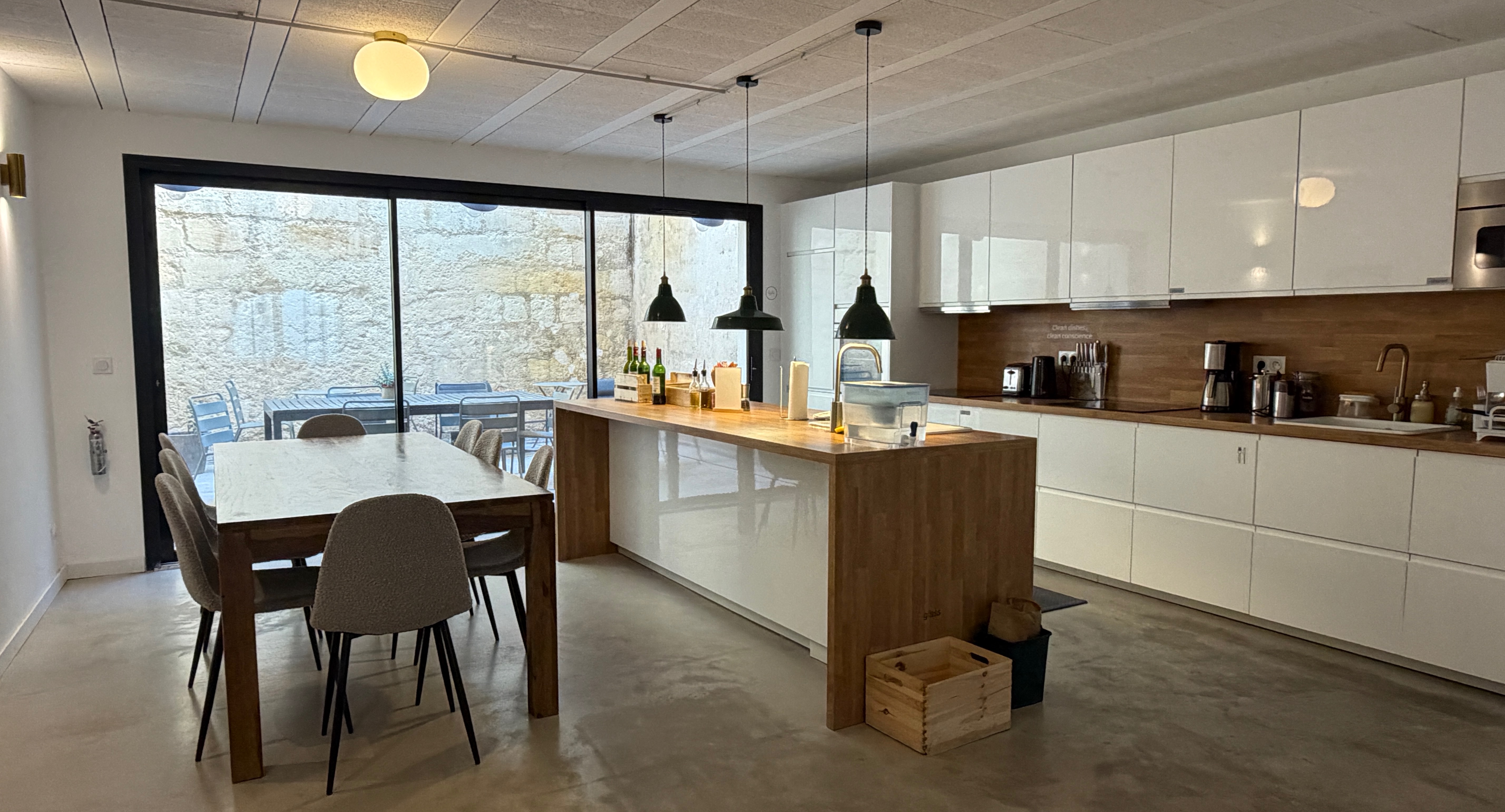
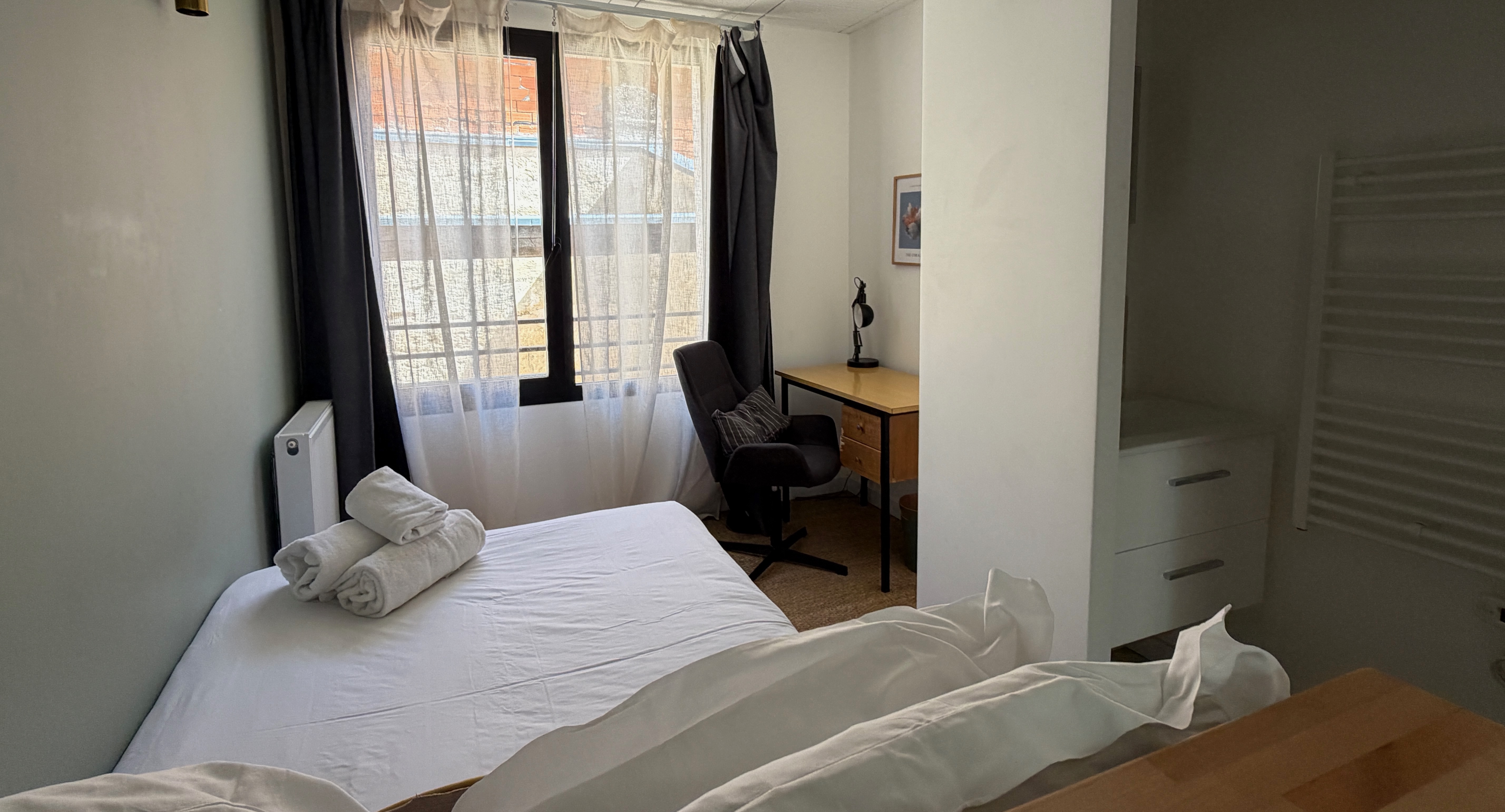
The contemporary coliving model operates at the intersection of boutique hospitality and enterprise-grade coworking. Guests typically book private bedrooms—frequently featuring en-suite bathrooms, alongside select configurations utilizing shared facilities—while sharing extensive communal areas. These communal spaces generally include professional-grade chef’s kitchens, expansive living rooms, outdoor terraces, and integrated workspaces.
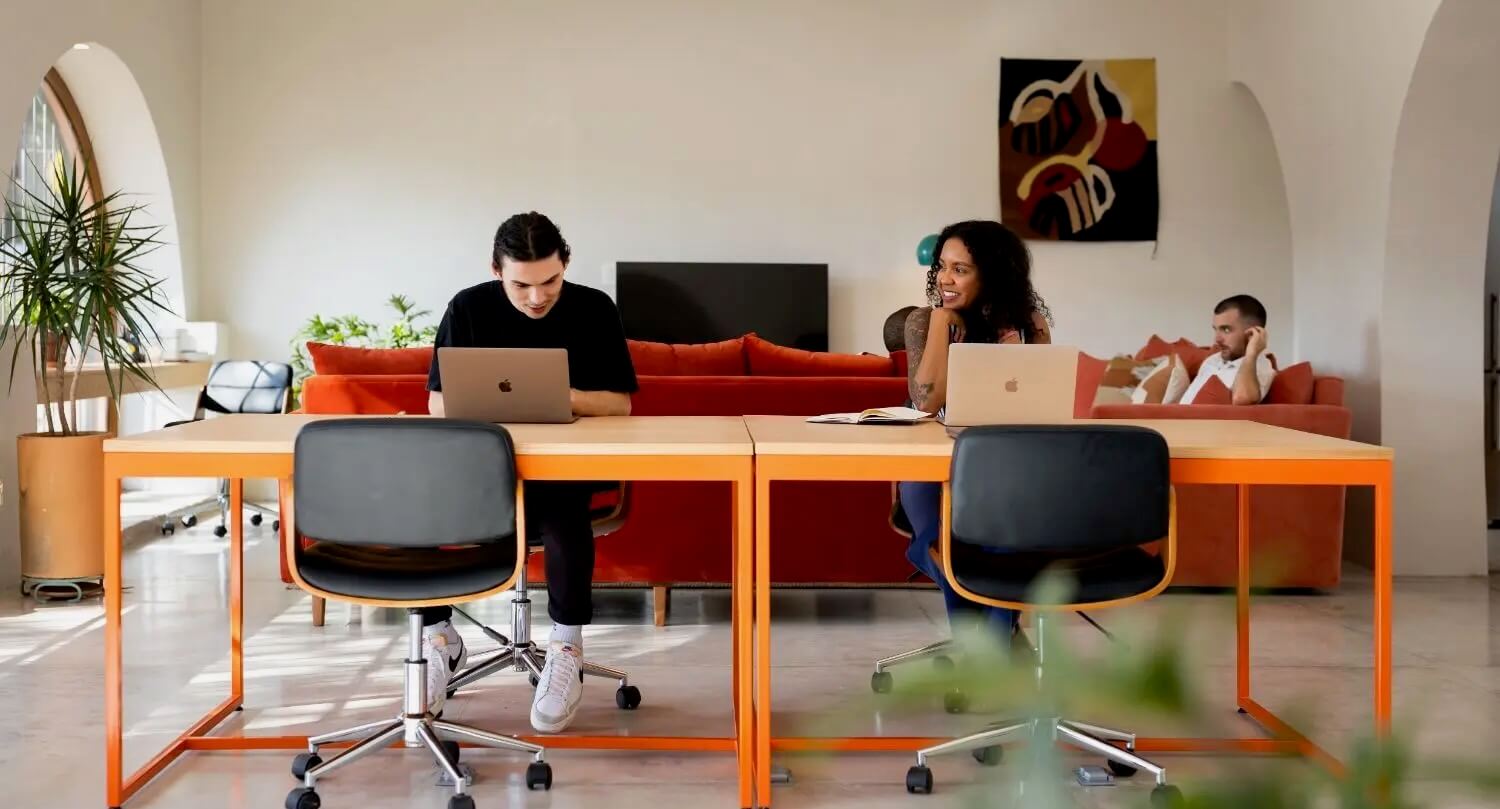
A defining characteristic of these facilities is the inclusion of dedicated on-site coworking environments. Unlike standard residential accommodations, these workspaces are provisioned with ergonomic furniture, secondary monitors, universal connectivity ports, and enterprise-grade, high-speed internet infrastructure designed to support continuous data transmission and virtual communication.
Furthermore, properties maintain a structured social environment overseen by dedicated community managers. Prior to arrival, incoming guests are integrated into localized digital communication channels, facilitating coordination for events such as communal dinners, fitness sessions, and regional excursions. Community managers also serve as localized concourses, providing operational support, regional orientation, and administrative assistance.
Economic Models and Membership Structures
To manage demand and foster guest retention, networks like Outsite implement tiered membership models alongside standard public booking options. While non-members retain the ability to reserve accommodations on a short-term basis, recurring participants can opt for annual or lifetime memberships. These programs typically offer financial incentives and logistical perks, including reduced nightly rates, extended-stay discounts, priority booking access during flash sales, and allocated credits for stays in newly launched destinations.
Industry Analysis and Market Implications
The expansion of structured coliving networks reflects a broader macroeconomic shift in commercial real estate and labor mobility. As multinational corporations and small enterprises alike transition toward permanent remote or hybrid work frameworks, the demand for reliable auxiliary infrastructure has intensified.
Real estate analysts note that traditional hospitality sectors, including hotels and short-term apartment rentals, have been slow to adapt their offerings to the specific needs of long-stay remote workers. Hotels often lack communal cooking facilities and collaborative workspaces, while traditional residential leases enforce rigid terms that conflict with the transient nature of modern employment. Coliving operators address this inefficiency by consolidating housing, workspace, and community curation into a single contractual agreement.
However, the sector faces distinct operational challenges. High-demand properties in major metropolitan areas frequently experience capacity constraints, requiring travelers to secure reservations months in advance. Additionally, the premium pricing model places these facilities out of reach for budget-conscious travelers, positioning coliving as a mid-to-high-tier alternative to standard backpacking or budget tourism. Furthermore, standardized policies—such as restrictions on pets and stringent minimum-stay requirements imposed by local municipal housing regulations in cities like New York—continue to shape the operational boundaries of the industry.
Broader Impacts on the Global Workforce
The proliferation of integrated live-work spaces underscores the maturation of the digital nomad economy from a fringe lifestyle choice into an established institutional market segment. By mitigating the technological and social friction traditionally associated with remote employment on the road, these networks have lowered the barrier to entry for location-independent professionals. As remote work policies continue to evolve internationally, the demand for specialized residential infrastructure is projected to influence urban planning, commercial real estate development, and the future of global labor mobility.




 Gabriela Annisa

 Lukman Taruna Persada Ramadan

 Tatiana Tantri Indah Sari

 Anjar Salim


 Dwi Wanna
