
 Diana Nuri Rohmawati
The intersection of international travel and professional productivity has long presented a logistical paradox for the global workforce. For decades, location-independent professionals—commonly referred to as digital nomads—faced a persistent trilemma: securing reliable, enterprise-grade internet connectivity, maintaining an ergonomic workspace, and combating the profound social isolation frequently induced by remote employment. Historically, these workers relied on a fragmented ecosystem comprising budget hostel common areas, unpredictable short-term apartment rentals with exaggerated broadband claims, and transient coffee shops. However, the post-pandemic normalization of remote work has catalyzed a structural shift in real estate and hospitality, giving rise to institutional coliving networks designed to bridge the gap between corporate efficiency and communal living.
Background Context and the Rise of Coliving Infrastructure
The conceptual foundation of modern coliving emerged in the mid-2010s, initially catering to niche markets such as coastal surfers and localized tech entrepreneurs. In 2015, the sector gained formal institutional traction with the establishment of early enterprise-backed networks aimed at unifying flexible lease terms with standardized professional amenities. As remote work policies transitioned from temporary emergency measures to permanent corporate fixtures, demand for standardized nomadic infrastructure surged exponentially.
According to labor market analytics from organizations tracking remote employment trends, the global population of digital nomads surpassed 35 million by the early 2020s and has continued an upward trajectory. This demographic expansion exposed severe vulnerabilities in traditional hospitality models. Hotels are rarely optimized for prolonged deep-work sessions, while standard residential leases enforce rigid long-term commitments that run counter to the transient lifestyle of international remote employees.

Coliving enterprises emerged to resolve this market failure by merging the private quarters of a boutique hotel with the communal infrastructure of a high-end coworking facility. Rather than navigating the uncertainty of independent rentals, professionals now frequently opt for structured networks that guarantee high-speed internet, dedicated desk space, and curated social programming. Industry analysts note that this shift represents the maturation of the digital nomad economy, transforming it from a countercultural lifestyle choice into an established, mainstream segment of the global workforce.
Operational Architecture: Inside Global Coliving Networks
Contemporary coliving networks operate on a membership and fractional-housing model. Platforms such as Outsite, which has scaled to encompass more than 50 international destinations and thousands of active members, typify this operational framework. The architecture of these spaces is deliberately engineered to optimize workflow efficiency without sacrificing residential comfort.
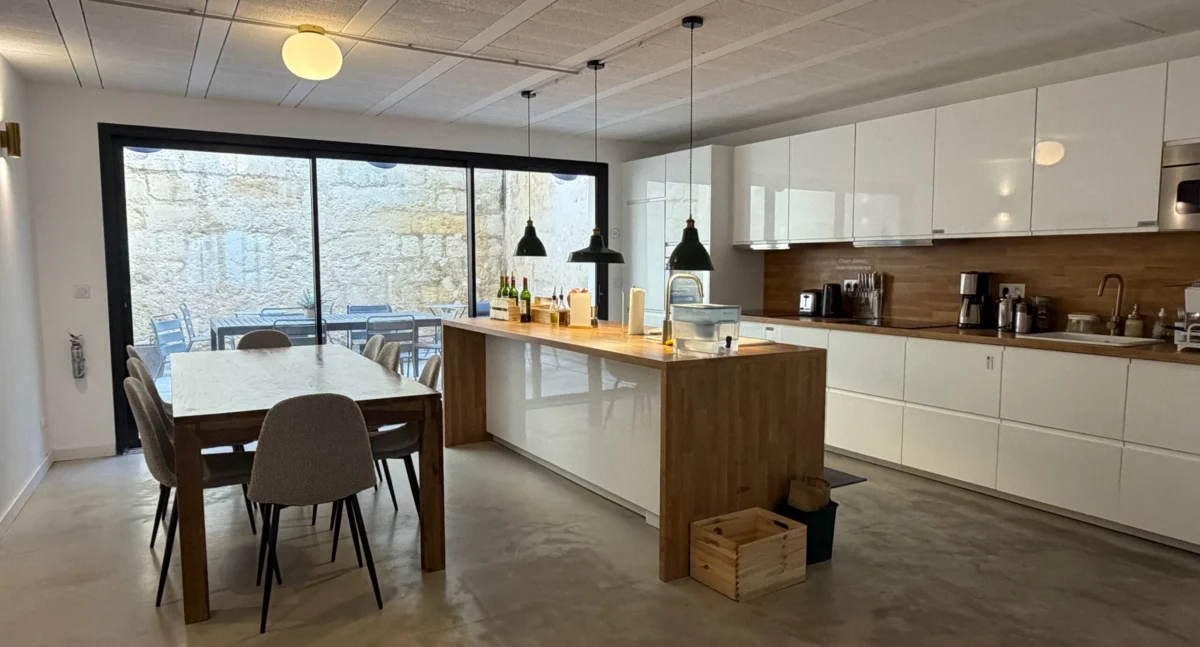
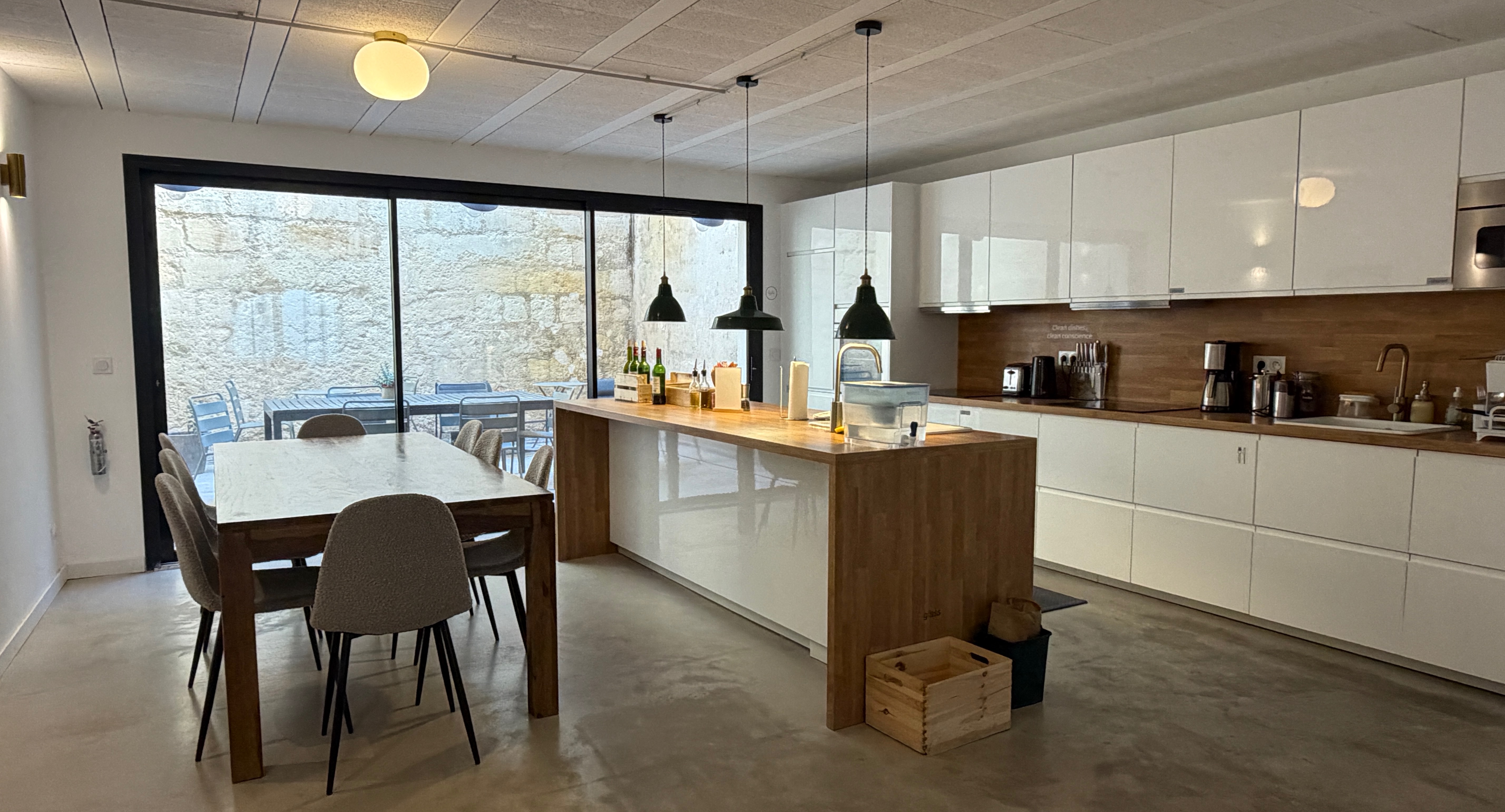
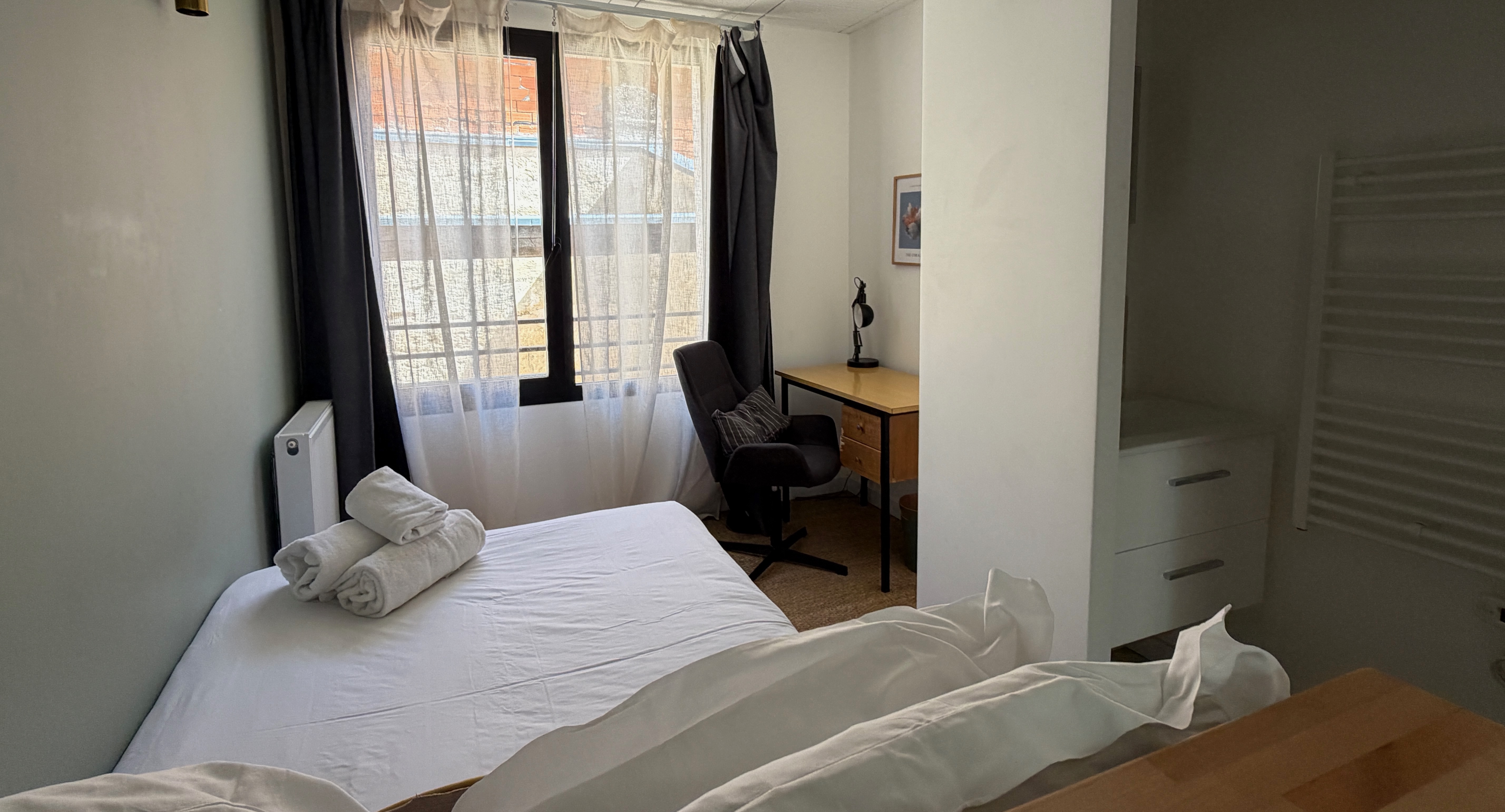
Accommodations typically feature private bedrooms—frequently equipped with en-suite bathrooms—nested within expansive, shared residential infrastructure. Common areas are designed to facilitate both collaborative interaction and domestic convenience, featuring professional-grade chef kitchens, open-concept living rooms, and integrated outdoor workspaces. Crucially, every property incorporates a dedicated coworking environment equipped with ergonomic furnishings, multi-monitor display setups, and enterprise-grade, redundant Wi-Fi networks designed to withstand heavy data loads.
To address the documented psychological toll of remote work isolation, these facilities implement structured community management protocols. Dedicated onsite community managers serve as local liaisons, onboarding incoming guests, facilitating localized orientation, and curating regular professional and social gatherings—ranging from collaborative workshops to cultural excursions. This administrative layer distinguishes institutional coliving from standard short-term rentals, establishing a predictable social safety net for transient professionals.
Economic Analysis and Market Implications
The proliferation of coliving spaces has generated notable economic implications for both real estate developers and municipal tourism economies. From a consumer perspective, the financial calculus of coliving often challenges initial assumptions regarding cost. While nightly rates exceed those of budget backpacker hostels, industry cost-benefit analyses indicate that when factoring in the cumulative expenses of independent short-term housing, utility fees, and separate monthly coworking membership dues, integrated coliving frequently achieves financial parity.
Furthermore, membership structures within these networks offer tiered economic incentives. Annual and lifetime subscription models provide members with preferential nightly rates, relocation perks such as complimentary weeks in newly launched destinations, and discounted extended-stay packages. These mechanisms encourage brand loyalty and extend the average duration of stay, which typically ranges from two weeks to several months per location.
Real estate economists observe that the integration of coworking and coliving spaces has revitalized secondary and tertiary cities seeking to attract high-earning foreign talent. Municipalities that actively accommodate flexible infrastructure providers often experience secondary economic boosts, as remote workers patronize local commerce, utilize domestic services, and occasionally transition into long-term foreign direct investment contributors.
Logistical Considerations and Market Constraints
Despite the rapid expansion of the sector, prospective residents must navigate distinct operational limitations inherent to the coliving model. High-demand properties in prime global hubs—such as Lisbon, major European capitals, and popular coastal regions in Latin America—frequently experience severe inventory constraints, requiring reservations several months in advance. Consequently, the model occasionally impedes spontaneous travel planning.
Additionally, demographic stratification remains a notable feature of the ecosystem. While formal age restrictions are generally limited to standard legal thresholds (typically 18 to 21 years of age), pricing structures and ambient environment designs naturally skew the resident base toward working professionals in their late twenties through their forties. Furthermore, communal living policies—such as strict no-pet rules implemented to mitigate allergy risks in shared facilities—require careful consideration by prospective applicants accustomed to independent domestic arrangements.
Broader Impact on the Future of Work
As international corporate policies continue to embrace location-independent employment models, the demand for standardized remote work infrastructure is projected to accelerate. The success of global coliving networks signals a permanent evolution in how modern professionals conceptualize workspace architecture and residential mobility. By systematically eliminating the friction points of travel—such as unstable internet connectivity, ergonomic deficits, and professional isolation—these platforms have established a viable blueprint for the future of global labor, proving that geographical flexibility no longer requires a compromise in career productivity or social connectivity.




 Gabriela Annisa

 Lukman Taruna Persada Ramadan

 Tatiana Tantri Indah Sari

 Anjar Salim


 Dwi Wanna
