
 Walid Sujud Trenggono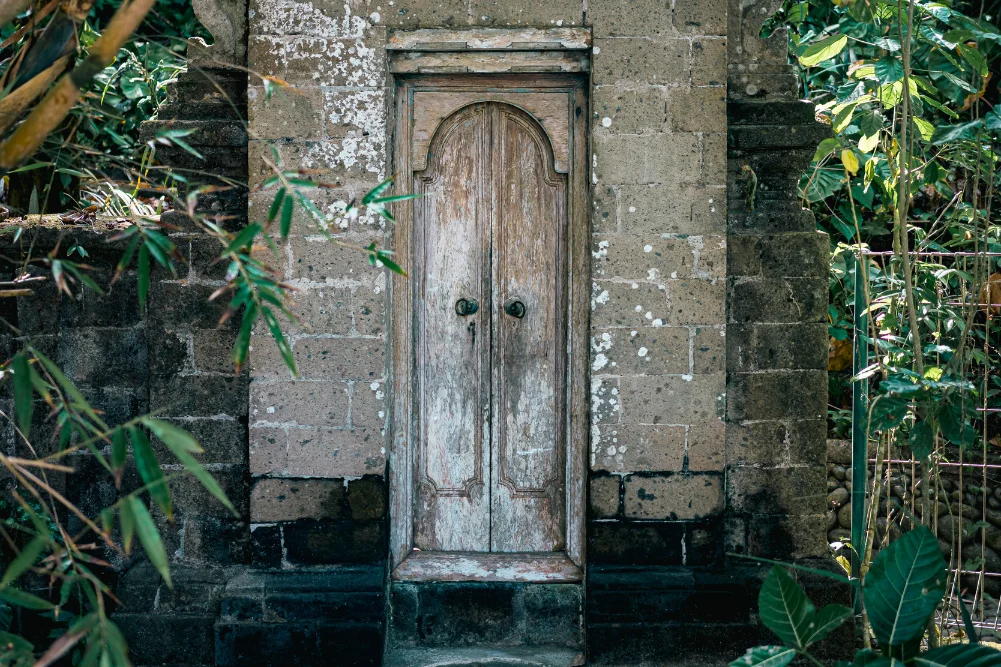
The Indonesian island of Bali, long synonymous with the high-density tourism of its southern enclaves, is witnessing a strategic shift in visitor interest toward its rugged western coastline. As the saturated hubs of Kuta, Seminyak, and Canggu grapple with urban congestion and environmental pressures, the regencies of Tabanan and Jembrana have emerged as critical alternatives for travelers seeking the "Old Bali" aesthetic. This western frontier, characterized by volcanic black sand beaches, expansive rice terraces, and a deep-seated surf culture, represents a departure from the commercialized "hello mister" hustle of Denpasar. Centered around the coastal villages of Balian and Medewi, this region offers a case study in how remote Indonesian communities balance traditional agrarian lifestyles with the growing demands of international tourism.
The Geography of the West Coast: Volcanic Landscapes and Agricultural Heritage
Bali’s west coast is geographically defined by its relationship with the island’s volcanic interior. The beaches here, including the prominent Balian Beach, are composed of dark, iron-rich volcanic sand, a stark contrast to the white limestone shores of the Bukit Peninsula. This terrain is the result of centuries of sediment transport from the mountain ranges of Batukaru and West Bali National Park via major river systems like the Balian River.
The landscape is not merely a backdrop for recreation but remains a primary economic driver through agriculture. In the village of Lalanglinggah, which overlooks Balian Beach, the topography is dominated by subak-managed rice paddies that descend toward the Indian Ocean. The subak system, a UNESCO-recognized traditional irrigation network, continues to dictate the rhythm of local life, with rice planters maintaining fields that sit in immediate proximity to modern tourist villas. This intersection of ancient agricultural practice and contemporary hospitality defines the "authentic" appeal cited by regional stakeholders.
Chronology of Discovery: From Secret Breaks to Wellness Hubs
The development of West Bali as a destination has followed a distinct timeline, moving from niche athletic interest to broader lifestyle appeal.
- The 1970s and 80s: The Pioneer Era. Australian and international surfers began exploring the coastline north of Tanah Lot, discovering the consistent, long-peeling waves at Medewi and the reliable river-mouth breaks at Balian. For decades, these locations remained "secret spots" known only to the most dedicated itinerant travelers.
- The 2000s: Infrastructure and Accessibility. Improved road conditions along the main coastal highway—the primary artery for logistics between Bali and Java—reduced travel times from Denpasar to approximately two hours. This accessibility allowed for the construction of the first permanent surf camps and boutique villas.
- 2015–Present: Diversification into Wellness. Recognizing the limitations of a surf-only market, local and expatriate entrepreneurs introduced yoga shalas and holistic retreats. Establishments like Balian Spirit Yoga have transformed the region into a destination for "slow travel," attracting a demographic interested in meditation, organic Balinese cuisine, and ecological immersion rather than nightlife.
The Mechanics of the West Bali Surf Industry
The primary draw for the region remains its maritime conditions. Unlike the reef breaks of the south, which can be sharp and hazardous for novices, the west coast offers a variety of wave profiles. Balian Beach is noted for its consistency, fueled by deep-water swells that are groomed by offshore breezes blowing from the mountains between April and October.
The "Balian Peak" provides a split-peak wave: a fast right-hand barrel and a longer, more mellow left-hand ride. Across the river mouth, the "Ketuts" break offers a high-performance right-hander. Further west, Medewi Point is celebrated as Bali’s longest left-hand wave, offering rides that can exceed 300 meters in length. However, the geography presents unique risks; the Balian River mouth is a known habitat for bull sharks, particularly following heavy rains when silt and organic matter are flushed into the sea, reducing visibility and altering the local ecosystem.
Socio-Economic Structure and the Traditional Compound
A significant factor in the preservation of the West Coast’s atmosphere is the persistence of the traditional Balinese residential structure. In villages like Lalanglinggah and Yeh Sumbul, tourism development has not yet displaced the ancestral "compound" system. These rectangular, walled enclosures house multiple generations of a single family and include a private temple (pura dalem) oriented toward the mountains.
Local tourism operators note that the lack of aggressive street-side solicitation—a common grievance in Kuta—is a result of the community’s diversified income. Many families remain active in coconut harvesting, fishing, and rice farming, viewing tourism as a supplementary rather than sole economic pillar. This economic resilience fosters a more egalitarian and less transactional relationship between locals and visitors.
Supporting Data: Tourism Trends and Economic Indicators
While official statistics for the 2023-2024 period show Bali welcoming over five million international visitors annually, the distribution remains heavily skewed. According to regional tourism boards, the Tabanan and Jembrana regencies receive less than 15% of the total tourist traffic seen by the Badung Regency (home to Kuta and Canggu).
This disparity is reflected in the cost of entry for travelers. Average accommodation rates in Balian and Yeh Sumbul remain significantly lower than in the south, with modest villas and surf camps ranging from $45 to $95 USD per night. This "value-for-money" proposition, combined with the absence of urban noise pollution, has led to an increase in long-stay visitors—those remaining for 14 days or more—who contribute more sustainably to the local economy than short-term excursionists.
Regional Landmarks and Cultural Integration
The West Coast serves as a gateway to some of Bali’s most significant religious sites, which are less crowded than the central highlands.
- Luhur Srijong Temple: Located on a cliffside near Balian, this temple offers a historical parallel to the more famous Tanah Lot but remains largely a site for local worship rather than a mass-tourism photo opportunity.
- Tanah Lot: Situated approximately an hour south of the Balian surf zone, this iconic sea temple remains the most visited site in the region. Its management has recently focused on tide-dependent access to mitigate the impact of rising sea levels and foot traffic on the ancient rock formations.
Analysis of Implications: The Challenges of Growth
The "untarnished" nature of West Bali faces several strategic challenges as its popularity grows. The primary concern is the environmental impact on the river systems. The Balian and Medewi rivers are essential for irrigation, but they also carry plastic waste from inland villages to the coast. Sustainable tourism initiatives are increasingly focusing on river-cleaning projects and waste management infrastructure to ensure the beaches remain viable for tourism.
Furthermore, the "point break" at Medewi and the beaches of Yeh Sumbul highlight the disparity in infrastructure. While Balian has developed a robust mid-range villa market, Yeh Sumbul remains dominated by budget surf camps and "au-natural" beachfronts. The recent influx of travelers has exposed a shortage of high-quality beds, occasionally forcing visitors back toward the more developed eastern and southern districts.
Conclusion: The Pursuit of Balance
The evolution of Bali’s west coast from a remote backwater to a recognized wellness and surf destination reflects a broader global trend toward experiential and sustainable travel. By maintaining a focus on authentic village life and respecting the rhythms of the agricultural calendar, regions like Balian and Medewi offer a blueprint for development that avoids the pitfalls of over-commercialization.
For the traveler, the West Coast represents a "Goldilocks" zone of tourism: it is developed enough to provide comfort—including air-conditioned villas and high-quality Indonesian fusion cuisine—yet remote enough to offer the silence and solitude that have become scarce in Bali’s southern hubs. As the island continues to navigate its post-pandemic recovery, the success of the West Coast will likely depend on its ability to protect the very "wilderness" that currently serves as its greatest attraction. The shift in mindset from "hotspot" to "heartland" suggests that for those willing to endure the two-hour drive from Denpasar, the reward is a version of Bali that remains, for now, remarkably true to its origins.




 Anjar Salim
 Chandra Hamzah
 Tatiana Tantri Indah Sari
 Budi Mulyono
 Lukman Taruna Persada Ramadan
